

Reviewed · WALKING TOURS
Charleston: Old Walled City Historical Walking Tour
Charleston’s old walled streets are interesting because they turn a place you can see into a place you can read. In just 2 hours, you walk through a tight set of landmarks while a local guide explains how the city’s growth, conflict, and repeated recovery shaped what stands there today.
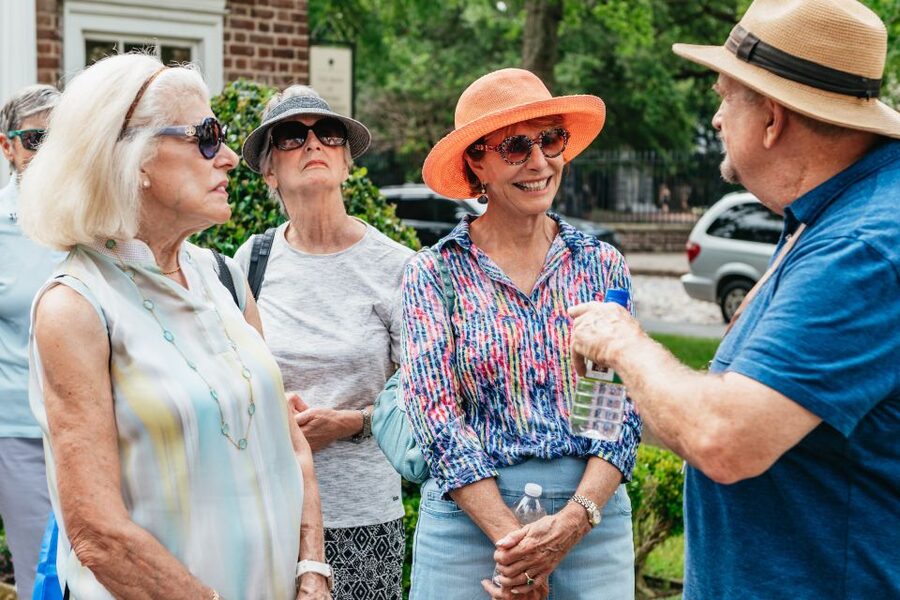
I love the street-level storytelling. You get a clear sense of the people and events behind the buildings, from colonial roots to the age of piracy and the rise of the rice planters. I also like that the tour is led by a 7th-generation Charlestonian, so the facts come with a real hometown viewpoint, not just textbook history.
One thing to consider: this is a substantial amount of walking. If you are not into moving for stretches at a time, plan for comfortable shoes and a slower day afterward.
Key things that make this tour worth your time
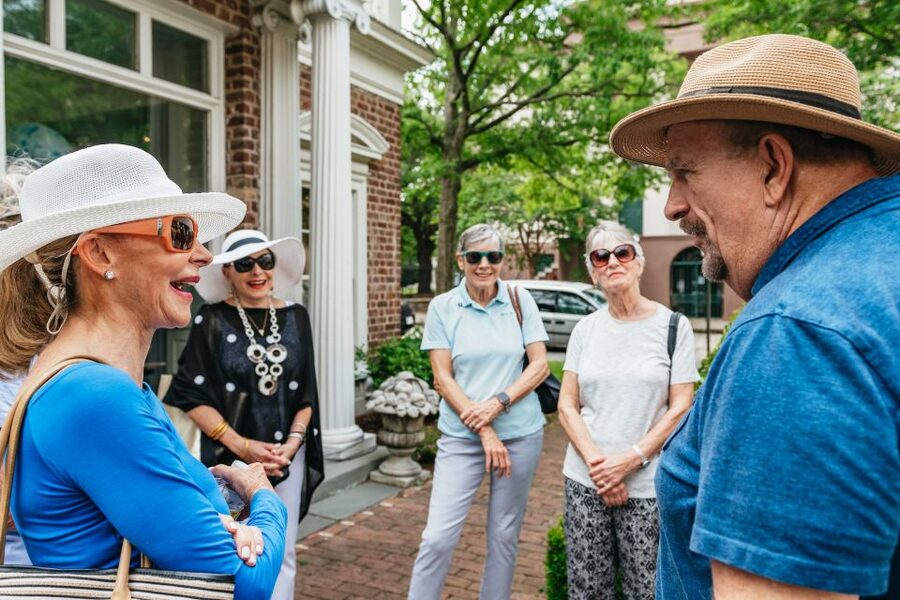
- A local guide with deep family ties, including guides such as Bruce and Al (Alfred Ray), plus other longtime locals like Eric Wright and Kent
- Major stops packed into 2 hours, from French Quarter streets to Rainbow Row and St. Michael’s Episcopal Church
- Hard chapters handled with care, including disasters like fires, hurricanes, epidemics, sieges, bombardments, and a devastating earthquake
- Storytelling that connects people to place, with guides who tailor the walk to the group and take questions
- Multiple photo stops and short visits, so you get both context and memorable sights
- A pace that can work in heat, with feedback that some routes keep you in shade when possible
Charleston’s only English walled city on foot
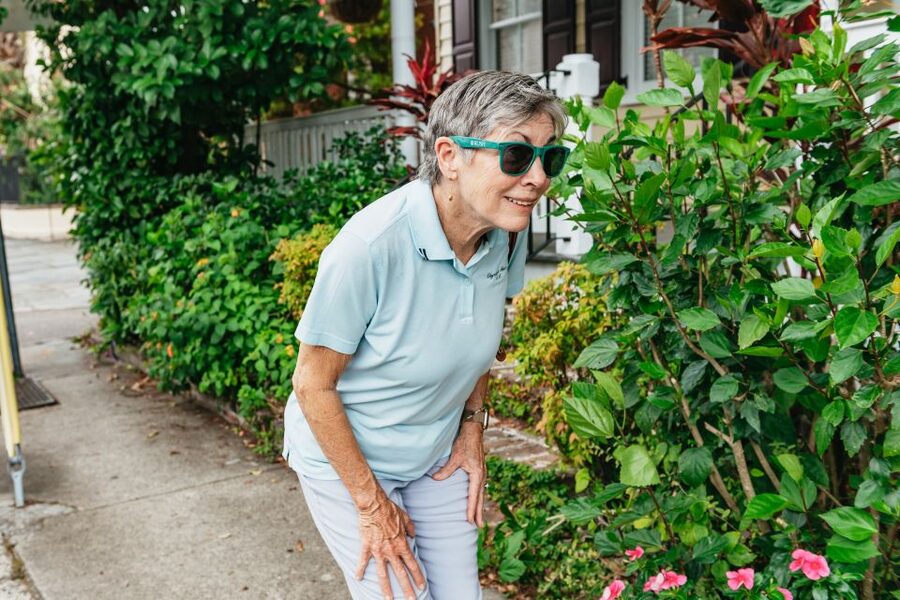
Charleston is one of those places where the city plan itself tells a story. This walk focuses on the walled-city experience, the streets and buildings that grew up inside a historic boundary, and why that mattered for trade, defense, and everyday life.
You’ll also learn why this city is often described as uniquely Atlantic-facing. The tour frames Charleston as a working port and a contested place, then builds from there into the big eras people associate with the city, including piracy and later the rice planter boom. That chronological approach helps you avoid the common problem of seeing pretty streets without understanding why they look the way they do.
What I like most is that you do not just get a list of sights. You hear stories tied to the spot in front of you, including legends, symbolism on old tombstones, and how later disasters changed the physical and cultural shape of Charleston.
More Historical Tours in Charleston
- Charleston’s Old South Carriage Historic Horse & Carriage Tour
★ 5.0 · 10,023 reviews - Historic Charleston Guided Sightseeing Walking Tour
★ 5.0 · 6,216 reviews - Charleston Horse-Drawn Carriage Tour: Explore Historic Charleston
★ 5.0 · 3,561 reviews
Meeting at Meeting Street and Chalmers, then a tight 2-hour circuit
The tour starts at Shop Historic Charleston, at the corner of Meeting Street and Chalmers Street, on the cobblestones. It ends back near the same meeting point, so you do not have to worry about navigating mid-walk or losing the group at the far end of the peninsula.
Expect a structured rhythm. You will move between stops for photo moments, short walks, and a couple of brief visits, keeping the pace moving but not rushed. The total time is listed as 2 hours, so the guide has to choose what to emphasize and keep the group focused.
Practical tip: because reviews highlight moments where there is a lot of information, it helps to arrive ready to listen. If you are sensitive to noise or volume, it may be worth choosing a spot in the group where you can hear clearly, since some feedback noted the voice can tail off at times.
French Quarter to Dock Street Theatre, the first stretch with real street context
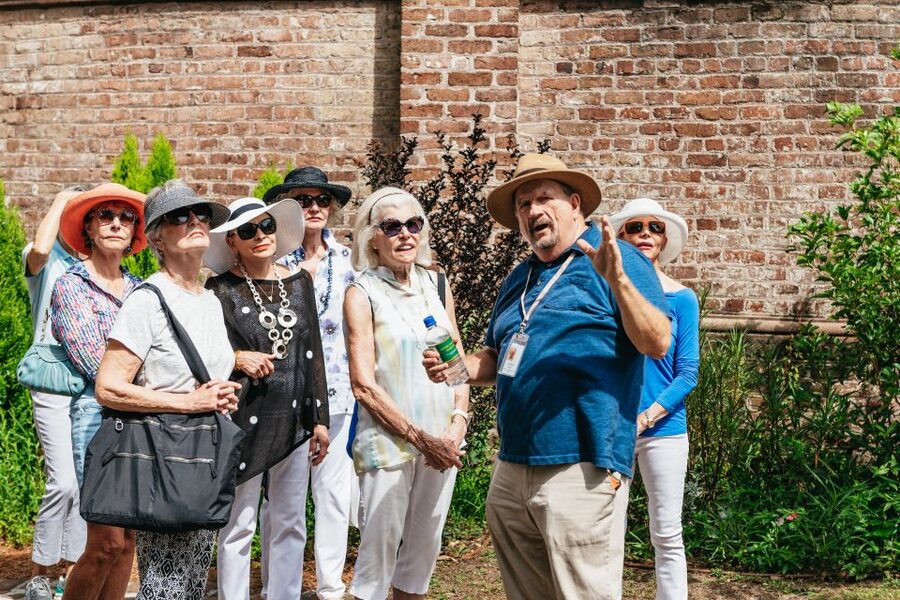
The longest first segment happens in the French Quarter area. You get a 50-minute stretch that includes photo stops, sightseeing, and time to walk the streets while the guide connects the city’s eras to what you see around you.
This is a great place for a first visit. The guide’s job here is to set the frame: what a walled city meant, how colonial Charleston developed, and why later events kept rewriting the city’s rules. If you want to understand Charleston beyond architecture, this opening stretch is where the tour usually clicks.
Next you move to Dock Street Theatre for a shorter 15-minute stop. This is more about placing the building into the story of Charleston’s public life than trying to absorb every detail. You’ll get context, quick photos, and then you’re back on the move again.
By the time you reach this stage, you should feel like you can name the eras even if you cannot memorize dates. That is the point of the early stops, get your bearings fast and make the rest of the walk easier to follow.
Old Exchange and Provost Dungeon, Waterfront Park, and the big moments you can feel
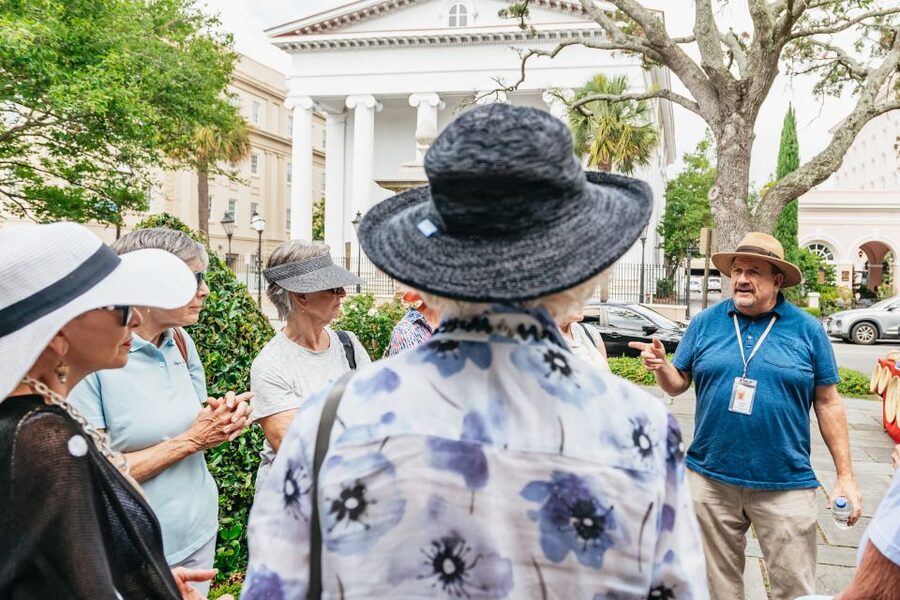
After Dock Street Theatre, you stop at the Old Exchange and Provost Dungeon, with about 12 minutes of photo and sightseeing time. The tour uses sites like this to tackle the tougher chapters of Charleston’s past, including conflict and the kinds of punishment tied to colonial-era power.
From there, you head to Waterfront Park for about 15 minutes, including scenic views along the way. This section gives your eyes a break while still keeping the story anchored. Water always mattered here, and the guide uses viewpoints and city layout to explain why the waterfront became a stage for commerce, danger, and recovery.
Then comes Rainbow Row for a brief 7-minute visit. This is short, but that is what makes it useful on a 2-hour tour. You see the famous color and symmetry, and the guide can place it into the larger arc of how neighborhoods survived, rebuilt, and adapted.
The pacing is smart. You get a mix of emotional weight, visual payoffs, and then a famous streetscape that you can photograph without feeling lost.
More Walking Tours in Charleston
- Ghosts of Charleston Night-Time Walking Tour with Unitarian Church Graveyard
★ 4.5 · 2,835 reviews - Hidden Alleyways and Historic Sites Small-Group Walking Tour
★ 5.0 · 2,335 reviews - Highlights of Charleston Guided Walking Tour
★ 5.0 · 2,206 reviews - Charleston Haunted Booze and Boos Ghost Walking Tour
★ 5.0 · 1,569 reviews
Rainbow Row to St. Michael’s Episcopal Church, symbols, homes, and faith
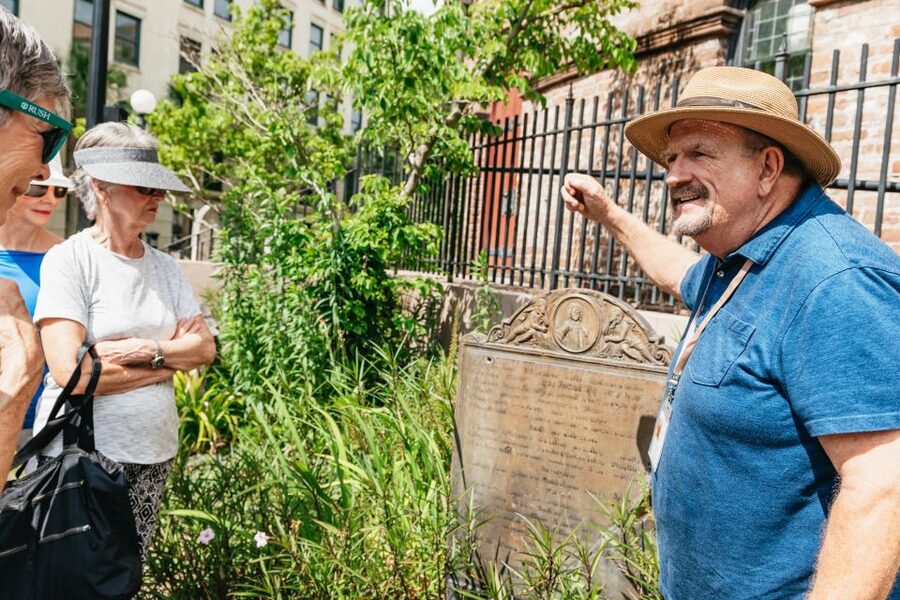
One of the tour highlights is that you pass picturesque churches and colonial homes, and St. Michael’s Episcopal Church is the featured stop for the church segment. You’ll spend about 12 minutes here for photo and sightseeing time.
Church stops work on a walking tour because they tell you how communities organized themselves. Here, the guide ties the site into the city’s evolving story, and you also hear about how symbolism shows up in Charleston’s older places. The tour specifically mentions learning to read ancient symbols on tombstones, which fits well with the tone and setting around old churchyards.
If you like architecture, you will likely appreciate the way the guide points out what to look for in the built environment. That matters because Charleston’s look is not just decoration. It’s a record of construction choices, rebuilding cycles, and the survival of certain styles through disasters.
The final effect you want is simple: you walk away seeing streets you can recognize in your mind. Rainbow Row and St. Michael’s are easy landmarks to remember, and the guide’s stories make them more than postcard stops.
The disaster timeline: fires, hurricanes, epidemics, sieges, bombardments, and an earthquake
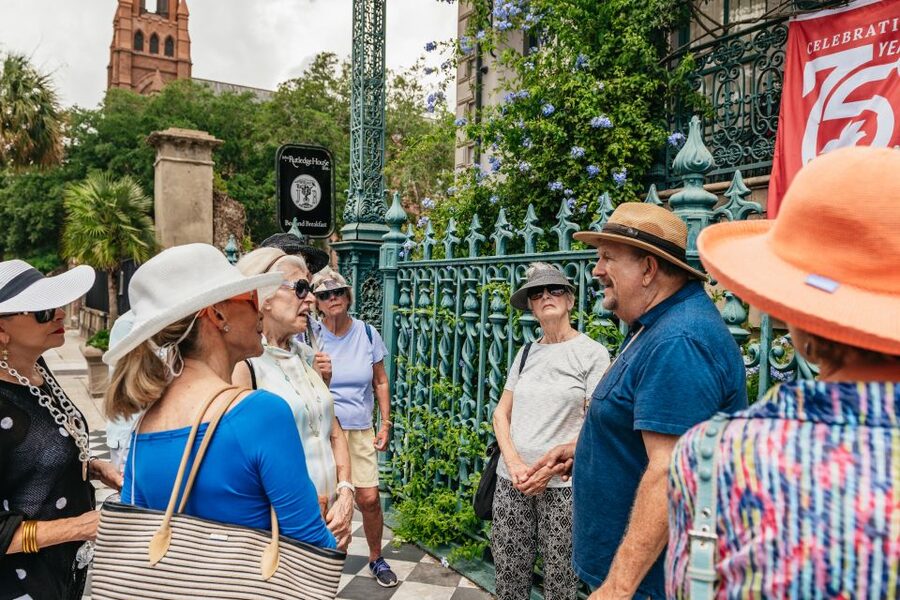
Charleston’s history is complicated partly because it kept getting hit by catastrophe. This tour leans directly into that theme and covers seven major fires, hurricanes, epidemics, sieges and bombardments, and a devastating earthquake.
What makes this valuable is how the guide explains what disasters did to daily life and city planning, not just that disasters happened. You’re not only told about destruction. You also hear about recovery and how repeated setbacks shaped what residents valued and what they rebuilt.
The tour’s timeline framing also makes earlier themes click. Colonial growth, piracy-era tension, and the rise of the rice planters all feel connected to the idea that Charleston was always exposed and always adapting. A walled city was not just for defense. It was also a way of concentrating people and resources in a place that still needed to function through shocks.
This is the section where you might feel the most emotional range, but it is also the section that turns a walk into real understanding.
Your guide matters: local storytellers like Bruce, Al, and Eric Wright
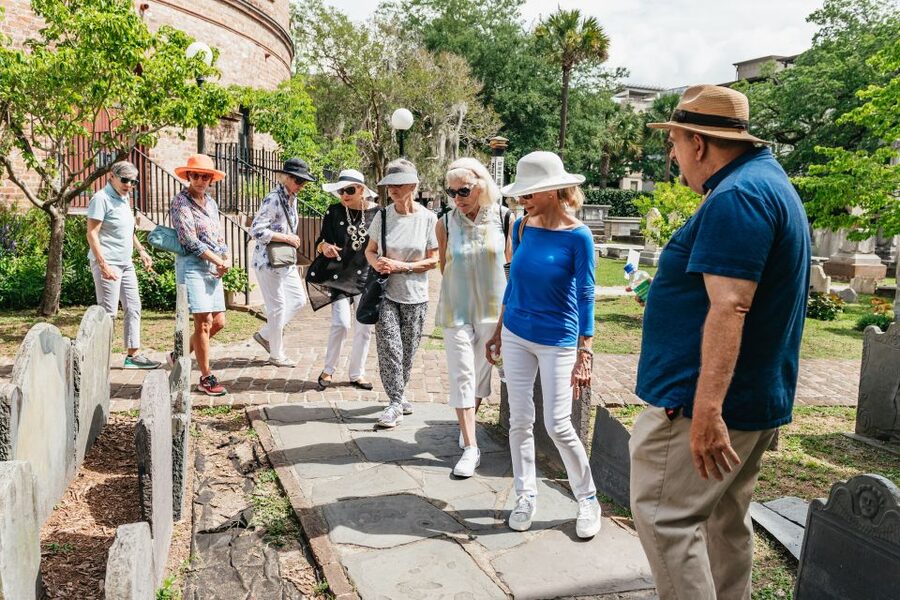
The strongest praise across guides is about storytelling and local perspective. You may meet Bruce, and several guides are described as longtime Charleston residents, including Alfred Ray, often called Al or Alfie, plus Eric Wright and Kent.
A key pattern: guides link the story to the group and the neighborhood. One review noted that Eric had a way of connecting people in the group to the stories, mostly through where they were from. Another mentioned guides tailoring the tour to interests, and that the route could be chosen to keep you cooler with shade.
Guides are also praised for handling hard topics with care. If you are worried that history tours get too harsh or too cold, look for that tone balance in the delivery. Feedback specifically mentioned being sensitive but honest when discussing difficult parts of Charleston’s past.
One watch-out from reviews: the tour can be almost too much information in a good way, and at times a voice can get lower, especially if you are toward the back. If you need clear audio, choose a spot where you can see and hear the guide easily, and do not be shy about asking a question so you stay engaged.
Price, pacing, and who should book this old walled city walk
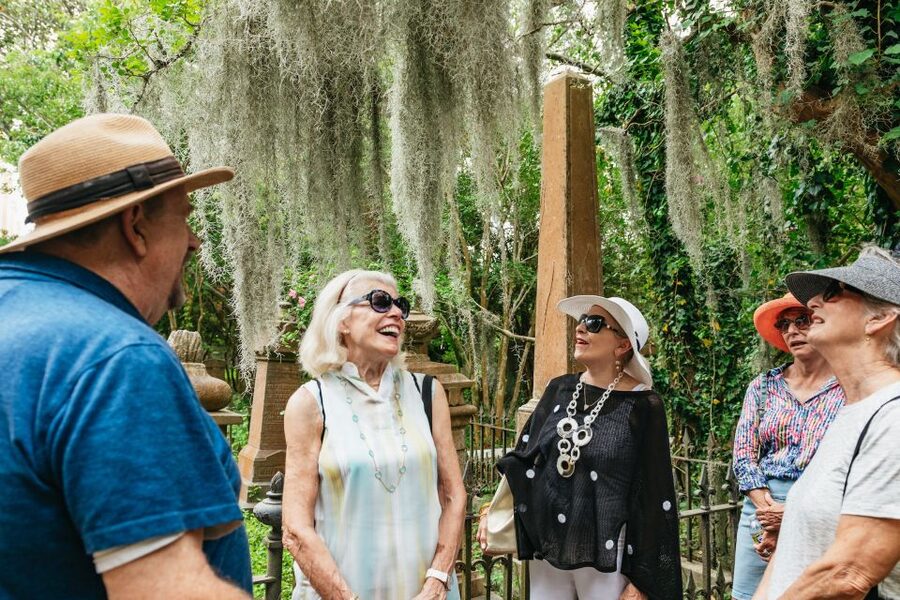
At $31 per person for a 2-hour guided walking tour, you’re paying for guided interpretation, not just sightseeing. The value is in the combination: multiple well-known stops, a focused route back to the start, and a guide who explains what you are seeing and why it matters.
This tour is a great fit if you:
- want a first morning introduction to Charleston
- enjoy history that includes both beauty and the hard parts
- like walking tours with short photo breaks and clear story beats
- want a local’s perspective that goes beyond general facts
It may be less ideal if you have limited tolerance for walking or you need a slower, shorter pace. The tour is explicitly described as involving substantial walking, so plan around that, especially in hot or humid weather.
If you’re choosing between options in Charleston, I’d book this one when you want structure. It gives you a map in your head: walled city layout, colonial growth, the piracy and rice planter eras, and a disaster timeline that explains why Charleston looks the way it does today.
FAQ
How long is the Charleston Old Walled City Historical Walking Tour?
The duration is listed as 2 hours. Starting times vary, so check availability for the specific schedule.
Where does the tour meet?
Meet on the sidewalk at the corner of Meeting Street and Chalmers Street (the cobblestone) at Shop Historic Charleston.
What sights are included on the walk?
You’ll stop for photo and sightseeing at places including the French Quarter, Dock Street Theatre, Old Exchange & Provost Dungeon, Waterfront Park, Rainbow Row, and St. Michael’s Episcopal Church.
What is the price per person?
The price is listed as $31 per person.
Is this tour walking-heavy?
Yes. The tour involves a substantial amount of walking, so wear comfortable shoes and plan accordingly.
What should I bring?
Bring comfortable shoes, sunscreen, and water, plus weather-appropriate clothing.
What language is the guide?
The live tour guide is English.
Can I cancel or reschedule?
The tour offers free cancellation up to 24 hours in advance for a full refund, and there is a reserve now & pay later option to keep plans flexible.
Reviewed most recently around Charleston
- Real Hauntings of Charleston! (Small Group Ghost Tour)★ 5.0 · 724 reviews
- Charleston Water Taxi Cruise with Dolphin Sighting★ 5.0 · 857 reviews
- Savor the Flavors of Charleston Walking Food Tour★ 4.5 · 881 reviews
- Undiscovered Charleston: Half Day Food, Wine & History Tour with Cooking Class★ 5.0 · 948 reviews
- 2-Hour Guided Kayak Eco Tour in Charleston★ 5.0 · 954 reviews
- Charleston historical walking tour with a Professor of History at The Citadel★ 5.0 · 1,284 reviews
- Charleston’s Pleasing Terrors Night-Time Walking Ghost Tour★ 5.0 · 1,345 reviews
- Downtown Charleston Food Tour★ 4.5 · 1,376 reviews
Walking Tours, compared.
History and Hauntings of Salem Guided Walking Tour
Read our review →
New Orleans Premier Ghost, Voodoo and Vampire Walking Tour
Read our review →

Freedom Trail History Small Group Walking Tour
Read our review →
Historic Charleston Guided Sightseeing Walking Tour
Read our review →
New Orleans Food Walking Tour of the French Quarter with Small-Group Option
Read our review →
St. Louis Cemetery No. 1 Official Walking Tour
Read our review →Browse the lists this tour appears in