
Reviewed · PLANTATION TOURS
Boone Hall Plantation Admission & Tour with Transportation from Charleston
Boone Hall Plantation is interesting because you get a full half-day that mixes big historic questions with a real sense of place, right on the same kind of grounds that still look and work like a plantation. I like that the tour includes round-trip transportation from downtown Charleston and keeps the group small (around 15 people). I also like that the experience spotlights the Gullah culture with a live, costumed theater presentation, not just a few passing facts. One consideration: you will do a fair amount of walking, and the tram or tractor portion may not work like a stop-at-every-building ride.
Here’s how this tour tends to feel in practice: the bus handles the long drive so you can focus on the story, then Boone Hall gives you time to wander the grounds on your own. The porch talk and the slave cabin area set the tone, and the gardens give you a calmer pace afterward. If you prefer zero-walking outings, or if you use a cane and need exact stops at every landmark, plan ahead.
Key highlights to look for before you go
- Air-conditioned bus from 375 Meeting St: comfortable ride with a pre-plantation history chat on the way
- Period-costumed porch tour: a guided overview that starts at the front porch
- Slave cabin and history presentation: you’ll see the living quarters and hear context about enslaved life
- Live Gullah performance: a seasonal theater-style presentation that connects culture, language, and memory
- Self-guided garden time: rose garden and grounds you can explore at your own pace
- Optional tram/tractor ride (availability-based): adds another layer, but don’t assume it stops at every feature
A half-day plantation plan that fits your Charleston schedule
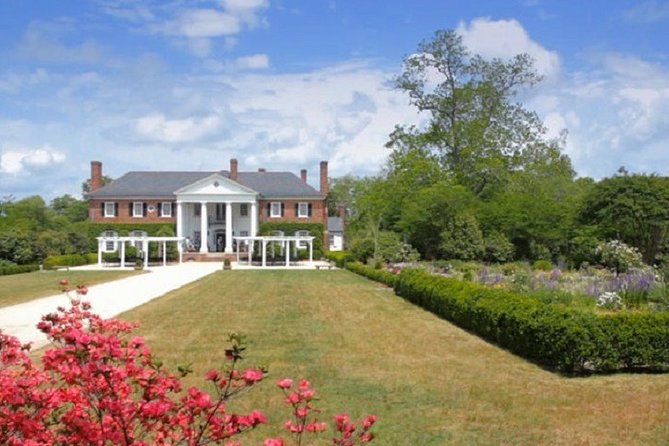
This is a smart choice if you want more than a quick photo stop. You leave Charleston and spend about 4.5 hours total at Boone Hall, with transportation handled for you. The pace works well for a short vacation when you want a real activity, but not an all-day commitment.
I like that it’s built for a small group. With a group around 15 people, you’re less likely to feel lost in the shuffle compared with bigger bus tours. It also makes timing easier when you’re trying to catch the house tour and the cultural presentation.
At the same time, you should know what kind of “tour” this is. The grounds portion is largely self-guided, so you’ll want to stay flexible and follow the staff’s timing cues for the guided moments.
Other plantation-history visits:
- Boone Hall Plantation All-Access Admission Ticket
★ 4.5 · 1,736 reviews - Charleston: Magnolia Plantation Entry & Tour with Transport
★ 4.6 · 438 reviews - Swamp Boat Ride and Oak Alley Plantation Tour from New Orleans
★ 5.0 · 3,303 reviews
Getting there: Charleston Visitor Center to Boone Hall by air-conditioned bus
Your day starts at the Charleston Visitor Center, at 375 Meeting St (the same place you return to). There’s parking and restrooms there, plus a gift shop if you want something small before you go. The bus ride is about 30 to 45 minutes, so you are not stuck in transit for hours.
The big practical win is the air-conditioned bus. In South Carolina heat and humidity, that difference is real. The driver typically shares background during the trip, and people have specifically mentioned drivers like Alan and Gary for being personable and helpful with context.
Because the meeting point is downtown and public-transport friendly, you’re not locked into a car plan. Hotel pickup is not included, though, so you’ll either be on your own to reach 375 Meeting St or use another way to get downtown.
The porch talk and guided house tour, what it does well
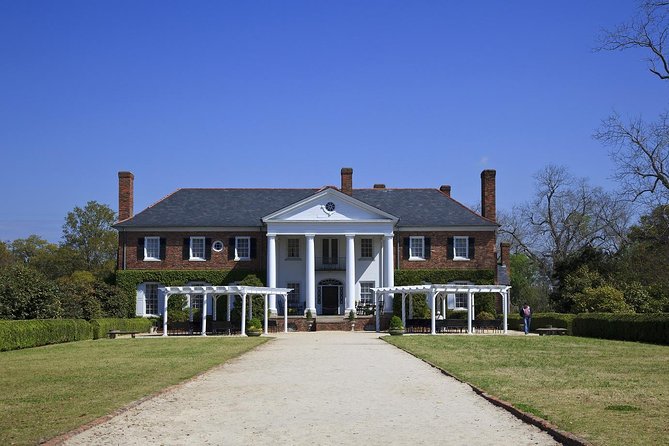
Once you arrive, you head toward the front porch for a presentation before you wander. The house tour portion is about 30 minutes and is led by a guide in historical dress, focused on the hall and its long timeline through multiple owners since the late 1600s.
What I like about this setup is the order. Starting with the front porch talk helps you get oriented quickly, so the house tour and the grounds later feel connected instead of random. It also sets expectations for the kind of site you’re visiting: a working plantation with multiple layers of change over time.
A caution worth hearing: the house itself is not always what people picture when they think of Civil War era plantations. Some visitors have noted the house is not a Civil War-era structure and have been surprised by how recent parts of what you tour can feel. That doesn’t make the visit less worthwhile, but it does mean you should come for the full plantation setting and the interpretation, not for a single “time capsule” house.
Enslaved life and the plantation story, handled with sober focus
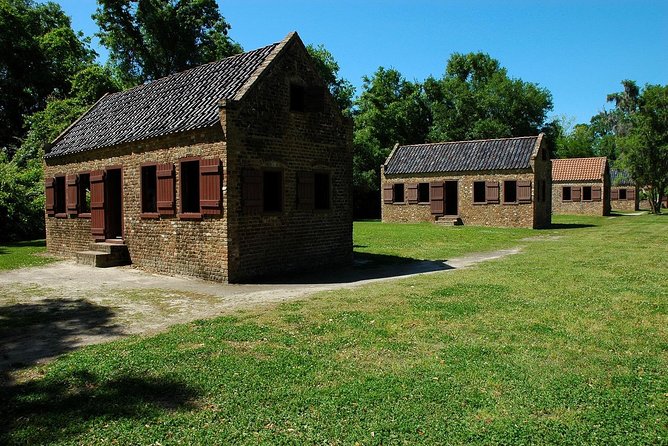
After the porch presentation, you move into the areas tied to enslaved people who lived and worked on the property. The experience includes a look at historic relics and the lifestyle associated with the enslaved community at Boone Hall, plus time in the slave cabin area.
This is one of the most emotionally heavy parts of the visit, and it’s also one of the most important. If you’re coming with kids, it helps to know that the tone here is not just scenic. The site does a job acknowledging the enslaved community and connects their experience to the larger history of the region.
In addition to the cabin area, you’ll also hear cultural context that links enslaved Africans and their descendants in this region. That’s where the tour transitions toward Gullah culture, which is not treated as a side note.
Stack these Charleston options against each other
- Charleston’s Old South Carriage Historic Horse & Carriage Tour
★ 5.0 · 10,023 reviews - Historic Charleston Guided Sightseeing Walking Tour
★ 5.0 · 6,216 reviews - Haunted Evening Horse and Carriage Tour of Charleston
★ 4.5 · 3,678 reviews - Charleston Horse-Drawn Carriage Tour: Explore Historic Charleston
★ 5.0 · 3,561 reviews
Gullah theater performance: why this moment earns your attention
Boone Hall is especially known for including a live, seasonal presentation about Gullah culture, and it’s a highlight in this tour format. You’ll see this through a costumed performer presentation, designed like a short theater segment rather than just a lecture.
For me, the value is how the tour connects people, language, music, and survival. Gullah culture is part of the living legacy of enslaved Africans in the Lowcountry, and the presentation gives you a way to understand that legacy beyond dates and names.
People often describe the Gullah performance as the best part, and one visitor put it plainly, saying the Gullah performer was the highlight. If you only have time for one guided moment at the plantation, this is the one you should protect in your schedule.
Gardens and rose bushes: slowing down after the big story
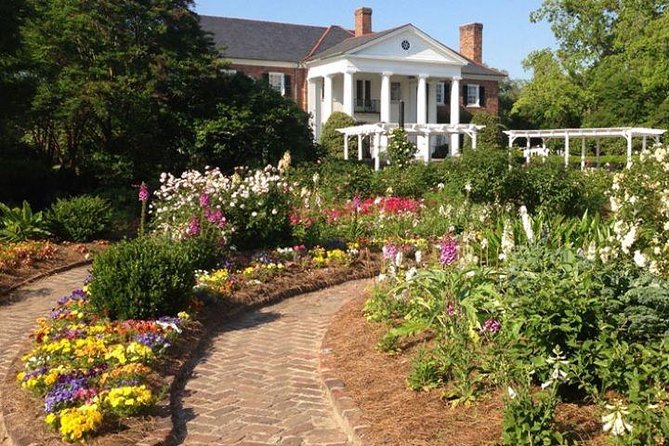
Once the guided pieces are done, you get self-guided time to explore the grounds. The tour includes a stop at the Boone Hall rose garden, where you can see bushes reported to be more than a century old. It’s a nice change of pace after the presentations.
This part matters because it helps you experience the site as a place, not just a set of “talking points.” You get time to walk under the shade, take in the live oaks, and absorb the physical layout so the history feels grounded in something you can see.
If you go on a hot day, pace yourself. Bring water, and plan for some sun exposure while you’re out on open paths. One review advice was simple: be careful on hot days, and that lines up with what you’d expect here. If you can choose timing, earlier tours can feel more comfortable.
Tram or tractor ride: use it wisely, not as a guaranteed stop-by-stop loop
Depending on availability, you may get a tram tour. This can be a fun add-on because it gives you a different perspective on the grounds without needing to walk every stretch.
Here’s the practical truth: don’t assume it works like a hop-on hop-off ride that stops at each event. One person specifically noted that the tram or tractor did not stop at each landmark, and they wished they had known ahead of time. If you have mobility needs or you need predictable stops, ask staff on-site how the tram route will run that day.
If the tram is available, it’s worth doing, especially if you want an easier way to move between sections. But treat it as a bonus, not your only transport.
Your timing inside Boone Hall: how to keep every piece on schedule
The full tour runs about 4 hours 30 minutes, so you do not have hours and hours to wander. The guided house and the cultural presentation are the anchors. The gardens are self-guided and flexible, but you still want to plan your movement so you do not miss the guided moments.
One tip that helps in real life: when you arrive, follow staff instructions about where to be and when. People have recommended going to the main building first to secure the correct time slot for the house tour if appointments are required on that day. Even if your tour includes the house tour, time slots and site flow can still matter when you’re coordinating a group.
Also, if you want food, plan where you’ll eat before you lose time. The plantation offers places to buy snacks and drinks, and one specific suggestion in feedback was the Butterfly Building near the horse stalls, known for sandwiches and snacks. You’re not going to spend the whole day inside, so a planned stop for a quick bite beats scrambling at the end.
Price and value: what $82 really buys you
At $82 per person, you’re paying for more than admission. You’re covering gate fees and a guided house tour, plus the Gullah presentation. You’re also paying for the part that makes the trip easy: round-trip bus transportation from Charleston on an air-conditioned vehicle.
That matters if you are not renting a car. Getting to Boone Hall on your own can be simple with a car, but if you want minimal hassle and a time-bound schedule, the transportation value adds up fast.
Food is not included, so you’ll budget extra if you want a full meal. The upside is that you can keep it casual. Drinks and snacks are available to purchase on-site, so you’re not forced to leave the property to eat.
Tram tours can be included when available, so think of that as a potential bonus rather than a guaranteed final piece.
Who should book this tour, and who should think twice
This is a strong fit if you:
- Want a guided, structured half-day that covers the plantation story and the Gullah performance
- Like the idea of self-guided time on the grounds after you get context
- Prefer small-group comfort over big bus chaos
- Don’t want to figure out parking, timing, or a long drive from downtown Charleston
You might think twice if:
- You need a route with frequent, guaranteed stops, especially if you rely on a cane or mobility aid
- You dislike walking in warm weather and want a mostly seated experience
- You expect the house to be a perfectly preserved Civil War era building, because some visitors have been surprised by how the house tour aligns with their expectations
What “working plantation” means for your visit
Boone Hall is presented as a plantation that is still used as a functioning place, not a totally frozen museum. In feedback, people have noted that it’s a living plantation producing items like strawberries, peaches, and pecans, which adds another layer to what you’re seeing.
That matters because it changes the texture of the visit. When you see the grounds used and maintained, you understand how plantation agriculture and plantation systems were not only a historical idea, they were also a daily operational reality. The site’s story is still complicated and heavy, but the physical place is real and current.
It’s also why the garden walking part feels more meaningful. You’re not just passing landscaped scenes, you’re moving through a property that continues to operate.
Practical tips to make your day smoother
A few things will make this half-day easier.
Bring water and plan for sun. Even with an air-conditioned bus, you’ll be outside during walking segments and while you wait for scheduled moments.
Wear comfortable shoes with solid traction. The experience includes walking on grounds paths and between presentation areas, and the garden stop adds extra steps.
If you care most about the Gullah performance, keep some buffer in your schedule and be on time. This is one of the highest praised parts, and it’s also the kind of moment you do not want to rush.
If you’re sensitive to emotional content, mentally prepare for the slave cabin and history presentation. It’s a serious part of the tour, and it should be treated as such.
Finally, if you can choose your departure time, consider going earlier on hot days. One person specifically recommended an earlier tour after feeling the difference on a warmer afternoon.
Should you book the Boone Hall Plantation admission and tour from Charleston?
Yes, if you want an easy, well-paced way to see a major Lowcountry plantation site from Charleston, with transportation handled and a live Gullah performance that adds cultural depth. The small-group bus ride, the porch house tour, and the self-guided garden time combine well into a half-day plan that does not feel rushed in the middle, as long as you follow the timing cues.
If you hate walking or need a stop-by-stop route with predictable vehicle access, I’d treat the tram portion as helpful but not decisive. Ask how the tram works that day and plan for some walking anyway.
One last nudge: this tour is strongest when you come with curiosity and patience for the emotional weight of plantation history. If that fits your travel style, you’ll likely leave with both a deeper understanding and a clearer sense of place.
FAQ
How long is the Boone Hall Plantation tour from Charleston?
The tour is about 4 hours 30 minutes (approx.).
Where do I meet for the tour?
You meet at 375 Meeting St, Charleston, SC 29403. The activity ends back at the same meeting point.
What is included in the price?
The price includes all gate fees, round-trip pickup and drop-off from the meeting point, air-conditioned buses, a professional driver, a self-guided garden tour, historic slave cabins, the plantation house tour with a guide in historical dress, and a Gullah theater presentation.
Is food included?
No. Food and drinks are not included. Drinks and snacks are available for purchase at the plantation.
Do I need hotel pickup?
No. Hotel pickup and drop-off are not included.
Is there a tram or tractor option?
A tram tour is included if available. Availability can affect whether you get that portion.
How large is the group?
The maximum group size is 25 travelers, and it is described as a small-group tour of about 15 people.
Is the tour self-guided or guided?
You get a guided plantation house tour and guided presentations (including the Gullah performance), plus self-guided time in the gardens and grounds.
Is this tour flexible if the weather is bad?
The experience requires good weather. If it is canceled due to poor weather, you’ll be offered a different date or a full refund.
What is the cancellation policy?
Free cancellation is available up to 24 hours in advance for a full refund. If you cancel less than 24 hours before the experience, no refund is provided.
Reviewed most recently around Charleston
- Charleston in a Nutshell Private Tours★ 5.0 · 375 reviews
- Charleston History Tour /★ 5.0 · 388 reviews
- Private Luxury Yacht Charters, BYOB & Dolphins★ 5.0 · 395 reviews
- Kayak With Dolphins in Historic Shem Creek★ 5.0 · 407 reviews
- Lost Stories of Black Charleston Walking Tour★ 5.0 · 412 reviews
- Narrated Haunted Ghost Cruise of Charleston Harbor★ 4.5 · 418 reviews
- Charleston’s Best Highlights: History, Culture & Architecture★ 5.0 · 422 reviews
- Charleston Horse & Carriage Historic Sightseeing Tour★ 4.5 · 460 reviews
Plantation Tours, compared.
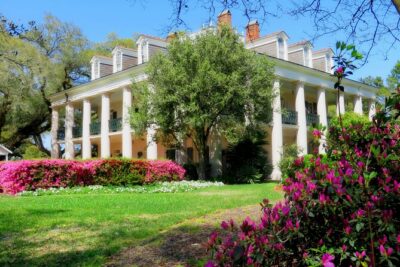
Swamp Boat Ride and Oak Alley Plantation Tour from New Orleans
Read our review →
Oak Alley Plantation Tour with Transportation from New Orleans
Read our review →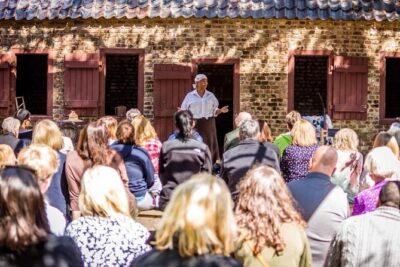
Boone Hall Plantation All-Access Admission Ticket
Read our review →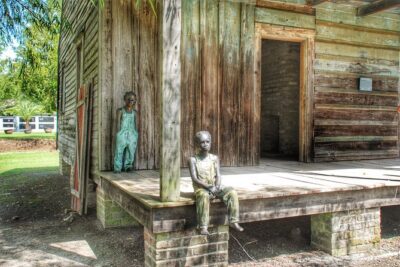
Whitney Plantation Tour with Transportation from New Orleans
Read our review →

Pearl Harbor, Dole Plantation, and Polynesian Center from Waikiki
Read our review →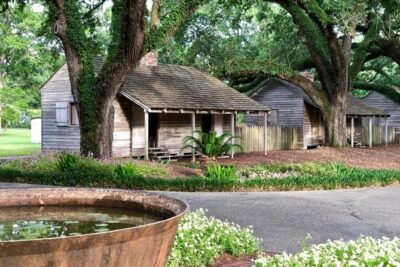
Oak Alley Plantation and Large Airboat Swamp Tour from New Orleans
Read our review →
Browse the lists this tour appears in