
Reviewed · PLANTATION TOURS
Charleston: Magnolia Plantation Entry & Tour with Transport
Charleston’s Magnolia Plantation tour is interesting because it mixes two things people usually have to choose between: big garden time and a wildlife tram through the Audubon Swamp Gardens. You’re also not just strolling pretty paths. You get guided context about plantation life, including the slavery-focused portion.
I like the small group size because it keeps the pacing humane and makes it easier to hear the guides. I also love the tram ride format, since it turns the wetlands into a living, moving classroom where you can spot alligators, turtles, herons, and other birds.
One drawback to plan for: the schedule is tight. If you wander off during the house and lecture segments, you can feel rushed at the end, especially if you want extra time around the cabins and other on-site areas.
Key highlights you will actually feel
- Climate-controlled coach from downtown Charleston, with a driver who shares local context
- 45-minute guided house tour that focuses on Drayton Home and the plantation story
- 30-minute narrated tram ride through Audubon Swamp Gardens, built for wildlife viewing
- Wildlife spotting in marshy habitat, not just scenic landscaping
- Small group of up to 6, so the narration stays clear
A half-day in the Lowcountry wetlands and garden paths
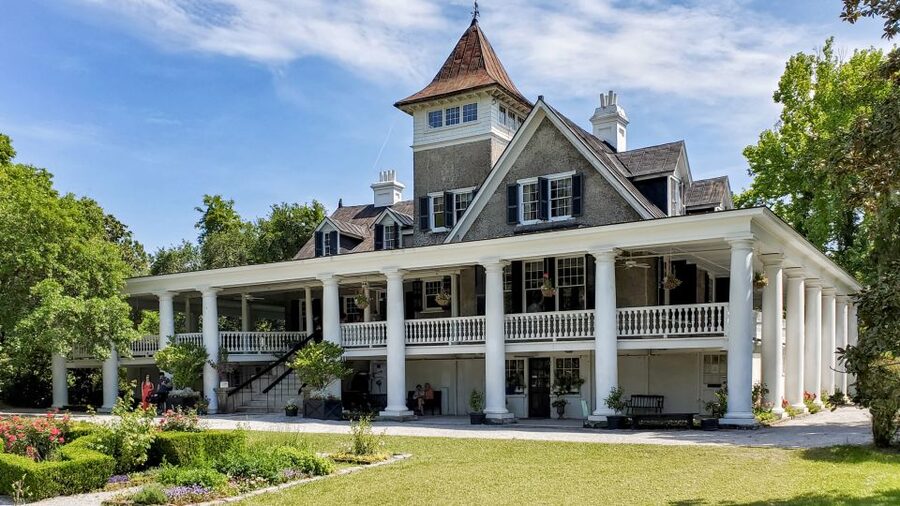
This is a classic Lowcountry experience, but with structure. You arrive at Magnolia Plantation with a plan, then spend your time where it counts: historic rooms, formal gardens, and the wetland ecology that makes this place more than a postcard.
What makes it work is the mix of pacing. The house tour gives you the human scale of plantation history. Then the tram ride slows your thinking down and pulls your attention outward, to marsh edges, water channels, and the animals that use them.
Other plantation-history visits:
- Boone Hall Plantation All-Access Admission Ticket
★ 4.5 · 1,736 reviews - Swamp Boat Ride and Oak Alley Plantation Tour from New Orleans
★ 5.0 · 3,303 reviews - Oak Alley Plantation Tour with Transportation from New Orleans
★ 4.5 · 1,747 reviews
From Charleston Visitor Center to Magnolia, with transport handled
The tour starts at the Charleston Visitor Center at 375 Meeting St. Plan to arrive about 15 minutes early so you can check in and get seated without stress. You travel by climate-controlled coach, which is a real comfort win in hot months and also when rain rolls through.
This is where the experience can feel extra worth it: transport is not a blank box. People specifically praised the drivers for being friendly, safe, and full of Charleston and route context. Names you may hear include Scott, John, and Vickey, depending on your departure, and the vibe is that you get oriented before you ever step onto the grounds.
The group stays small, limited to 6 participants, and that matters. In practice, it means less waiting around and more time spent with your guide instead of trying to hear from the back.
Magnolia Plantation’s guided house tour, and why Drayton Home matters
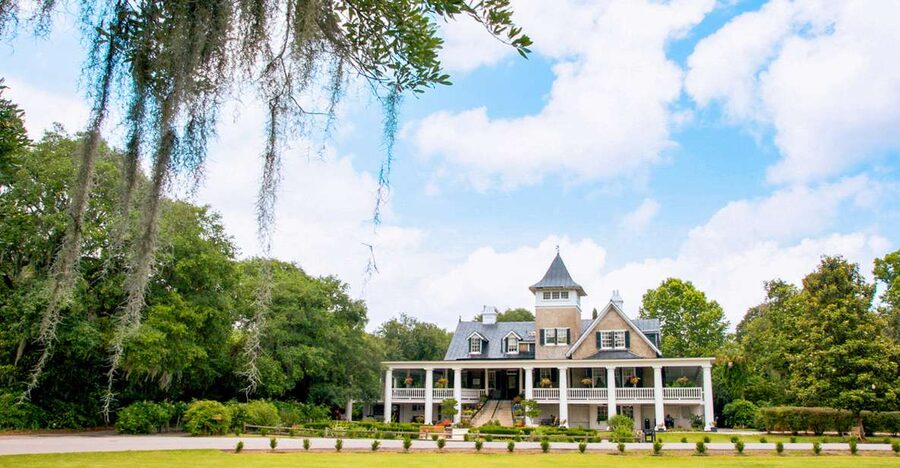
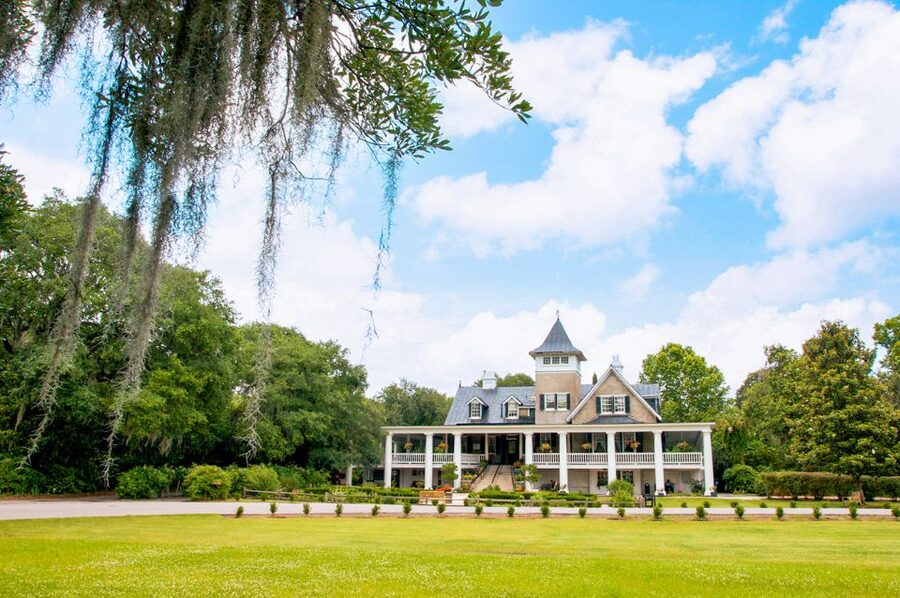
The guided house portion runs about 45 minutes. You are visiting Drayton Home (not Drayton Hall), which is a detail worth noting because plantation names in the Lowcountry can get confusing if you are browsing on the fly.
On this walk, you are not stuck in a long corridor of “look but don’t touch” energy. You move through key points tied to how the property functioned, and you also get the larger story framed in a way you can understand without needing prior reading.
A strong theme here is that the history is not treated like a museum display behind glass. Guides like Millie and Vickie were repeatedly singled out for bringing stories alive, with a sense of humor and a steady flow of context. Even if you only catch a few lines at each stop, the tour helps you connect rooms, objects, and the plantation system to real people and real choices.
You will also encounter the tour elements that broaden the perspective, including stops such as the Orientation Theater and the Old African American Cabin. These parts help the visit stay balanced, not just ornamental.
The slavery-focused From Slavery to Freedom segment
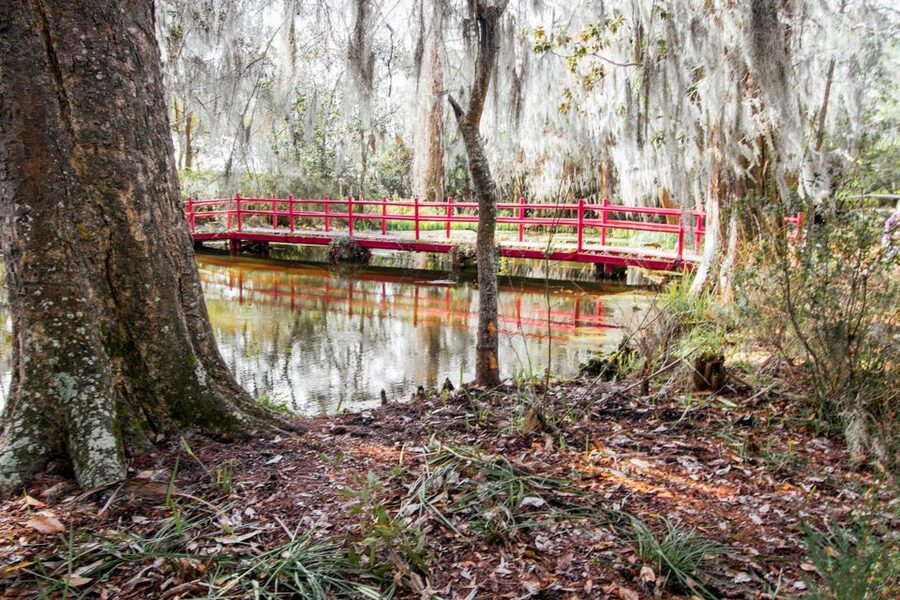
One of the most praised parts of the day is the slavery to freedom component. People described it as the best portion of the tour, and the overall feeling is that it adds weight without becoming vague.
You are essentially getting a guided presentation tied to the plantation’s origins and its evolution over time. You also get historical grounding on what happened next, not just a single snapshot of the past.
What I like about including this as part of the standard route is that it keeps you from treating history as optional. You see the gardens and you also learn how the plantation system shaped lives in ways that do not disappear once the tour ends.
If you prefer that kind of story, this is a big green check. If you are someone who gets uncomfortable with heavy content, go anyway, but give yourself a little mental prep. This is one of those experiences where you leave with more than pretty photos.
Stack these Charleston options against each other
- Charleston’s Old South Carriage Historic Horse & Carriage Tour
★ 5.0 · 10,023 reviews - Historic Charleston Guided Sightseeing Walking Tour
★ 5.0 · 6,216 reviews - Haunted Evening Horse and Carriage Tour of Charleston
★ 4.5 · 3,678 reviews - Charleston Horse-Drawn Carriage Tour: Explore Historic Charleston
★ 5.0 · 3,561 reviews
Audubon Swamp Gardens tram ride: wildlife spotting with built-in narration

Now for the part you will likely talk about afterward: the nature tram ride. The tour includes a narrated ride through the Audubon Swamp Gardens, with a typical duration that fits a half-day visit. Expect a pace designed for viewing, not racing.
This is where the wetlands do the work. Your eyes keep shifting between water edges and treeline borders, and your guide’s narration helps you spot what you might miss on your own. The highlights call out the usual suspects, and you can see why they are there: alligators, turtles, herons, and other wildlife.
I also like the “sit and look” format. It makes wildlife viewing feel realistic, especially in the Lowcountry where animals may be around but not always obvious at a walking pace. You are not scanning for 45 minutes hoping for a miracle. The ride gives you time and the right kind of attention.
If you bring a camera, this is the moment to use it. Some of the best shots will come when you slow down, let the tram guide your attention, and then frame the scene as it moves past.
The garden stroll: romantic paths, but plan your timing
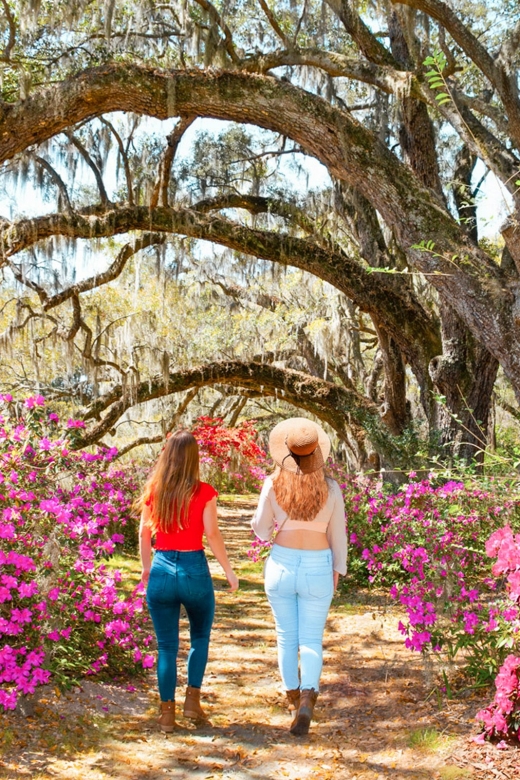
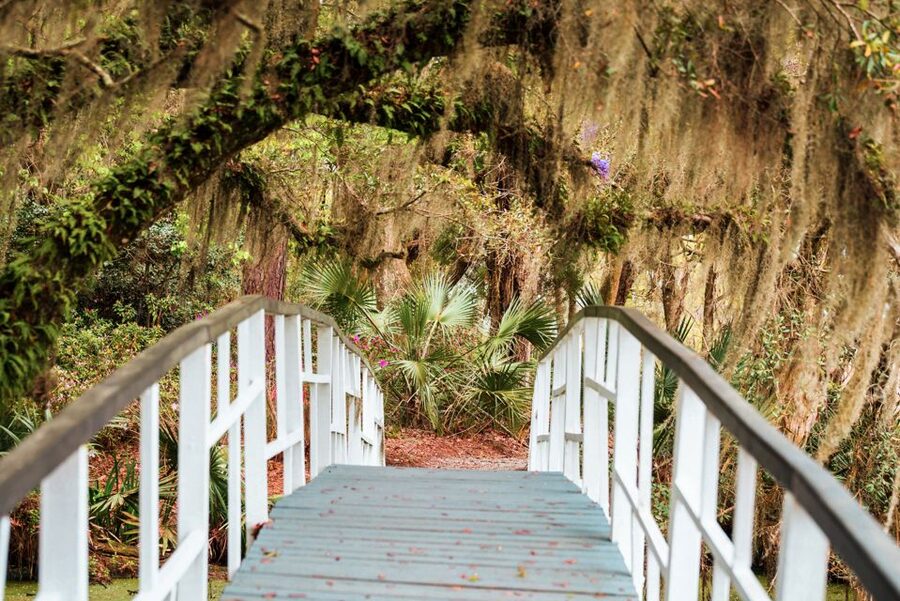
Along with the wildlife and historic segments, you get time in the gardens. This is described as one of America’s notable gardens, including what is framed as a guided walk through a romantic style of landscape.
Here is the practical truth: the gardens are beautiful, and they also take time. The tour gives you a guided portion, but the overall day is balanced with multiple scheduled stops. That means you should not treat this like an open-ended garden safari.
You can end up exactly where you want to be if you keep a simple rule. When you reach the parts where the group gets pulled into a talk or lecture, listen closely, then be ready to move quickly when you have free time. One person flagged that the visit can run tight if you are distracted, so you may want to prioritize what you care about most.
How much time you get on the grounds, and how to use it

This tour is about 4 hours total, and that is the big constraint shaping everything else. It is a good length for seeing the essentials, but it is not long enough to do everything slowly.
A useful tip from the way the day gets structured: if you want to explore cabins or smaller areas beyond the main stops, do it earlier rather than later. Near the end, time can tighten quickly because the schedule is built around finishing strong with the presentation portion.
If you are the type who likes to wander and linger, you will need to choose. Either you spend more time in the garden walk, or you focus on exploring the historical cabin areas. Trying to do both at a relaxed pace can push you toward feeling rushed.
That said, multiple people felt the tour was well organized and that the segments flowed in a way that gave them enough time for the big highlights. The key is respecting the built-in timing so you do not miss the best moments.
Comfort tips: what to bring, what to wear, and what to expect in weather

Wear comfortable shoes. You will be walking parts of the grounds and moving between tour segments, and the surface can vary. Also bring a camera if you want to capture gardens, historic details, and wildlife sightings.
Tours run rain or shine, so dress for wet conditions even if the forecast looks hopeful. The wetlands and swamp areas can be especially changeable. If weather is rough, wildlife spotting might still happen, but your camera may spend more time on your grip and less time on your tripod setup.
One more practical note: food and drinks are not allowed in the vehicle. You are free to plan snacks and meals around the day, but the transportation segment keeps things clean and simple.
Price and value: is $90 for 4 hours a fair trade?

At about $90 per person for a 4-hour experience, you are paying for more than just tickets. The value shows up in three places.
First, you get roundtrip transport from downtown Charleston via a climate-controlled coach. That saves your time and decision energy, especially if you would otherwise need to figure out parking and timing.
Second, you get two guided components that anchor your visit: the house tour and the tram nature tour. Those are the parts where narration and pacing really matter.
Third, you get a small group limit. When the group is under control, you tend to spend more time listening and less time waiting.
If your main goal is only a quick look at gardens, you might feel the tour is more structured than you need. But if you want history plus wildlife, and you want it done with less fuss, this price starts to look like a smart convenience.
Also, the tour’s transport quality is strongly supported by feedback, with many people praising the driving and organization. That is one of those “quiet” value points. When it works well, you barely notice it, and that is the point.
Who this tour fits best
This tour is a strong match for you if you want:
- A guided plantation history visit that includes the slavery to freedom component
- A Lowcountry wildlife experience focused on swamp habitat, not just scenery
- A day with organized pacing that still leaves room to explore
It is especially good if you are traveling with limited time in Charleston. It gives you a clean half-day plan and helps you avoid common “we got there, now what?” moments.
It may be less ideal if you hate structured schedules. The tour hits several guided segments, and you have to stay ready to transition on time. If you want a slower, more freeform day at Magnolia, you might prefer a self-guided visit instead.
Should you book the Charleston Magnolia Plantation Entry & Tour with Transport?
Yes, if you want the easiest route to the best parts of Magnolia Plantation in a single outing.
Book it if you care about both the historic story and the wetland wildlife viewing. The tour’s mix of Drayton Home, the orientation and cabin stops, plus the tram ride through Audubon Swamp Gardens makes it more complete than the “just gardens” approach.
Skip it only if you know you want a long, wandering day with no schedule pressure. This is a guided half-day with tight transitions, and that is intentional.
If you do book, come prepared with comfortable shoes, a camera, and the mindset that the schedule is your friend. When you respect the timing, you get history, wildlife, and gardens in one smooth sweep.
FAQ
Where is the meeting point for this tour?
The meeting point is the Charleston Visitor Center at 375 Meeting St, Charleston, SC 29403. Arrive about 15 minutes before departure.
How long is the Magnolia Plantation tour with transport?
The total duration is about 4 hours.
What is included in the tour?
It includes a 45-minute guided house tour, a tram nature tour (45 minutes), and roundtrip transportation between the meeting point and Magnolia Plantation.
Does the tour include a tram ride through the swamp?
Yes. You take a narrated nature tram ride through the Audubon Swamp Gardens as part of the tour.
Will I see wildlife on the nature tram ride?
The tour highlights mention a good chance to spot animals such as alligators, turtles, herons, and other wildlife during the tram ride.
What should I bring?
Bring comfortable shoes and a camera.
Is food included?
No. Food and drinks are not included.
Is food allowed on the vehicle?
No. Food and drinks are not allowed in the vehicle.
Does the tour run in rain?
Yes. Tours operate rain or shine.
How big is the group?
The group is limited to 6 participants.
Reviewed most recently around Charleston
- Charleston Water Taxi Cruise with Dolphin Sighting★ 5.0 · 857 reviews
- Savor the Flavors of Charleston Walking Food Tour★ 4.5 · 881 reviews
- Undiscovered Charleston: Half Day Food, Wine & History Tour with Cooking Class★ 5.0 · 948 reviews
- 2-Hour Guided Kayak Eco Tour in Charleston★ 5.0 · 954 reviews
- Charleston historical walking tour with a Professor of History at The Citadel★ 5.0 · 1,284 reviews
- Charleston’s Pleasing Terrors Night-Time Walking Ghost Tour★ 5.0 · 1,345 reviews
- Downtown Charleston Food Tour★ 4.5 · 1,376 reviews
- Charleston City Sightseeing Bus Tour★ 5.0 · 1,422 reviews
Plantation Tours, compared.

Swamp Boat Ride and Oak Alley Plantation Tour from New Orleans
Read our review →
Oak Alley Plantation Tour with Transportation from New Orleans
Read our review →
Boone Hall Plantation All-Access Admission Ticket
Read our review →
Whitney Plantation Tour with Transportation from New Orleans
Read our review →
Pearl Harbor, Dole Plantation, and Polynesian Center from Waikiki
Read our review →Browse the lists this tour appears in