
Reviewed · PLANTATION TOURS
Boone Hall Plantation All-Access Admission Ticket
Boone Hall Plantation is interesting because it is both a working farm today and a place where you confront real, painful South Carolina slavery history in the same visit. I like that the ticket includes multiple format stops, not just a house tour. I also like the live Gullah culture presentation, tied to the cabins and exhibits. One drawback to consider: the main house portion is limited, and it is not the original Boone family home.
If you want value, this is one of the better ways to see the property without piecing together separate admissions. You get a guided first-floor look at the plantation home, access to the Black History in America exhibit in the enslaved people’s cabins, and several outside segments like a tractor ride and a garden tour. The only “gotcha” is that you should plan for the day to feel structured, even though you may have some time to wander between programmed parts.
Key Points You Should Know Before You Go
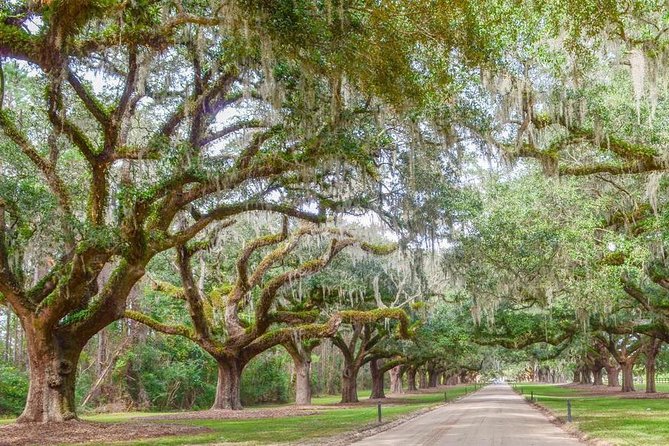
- Avenue of Oaks arrival: The all-access entry takes you down the world-famous oak-lined approach.
- Cabin-based exhibit access: The Black History in America exhibit is located in cabins where enslaved people lived.
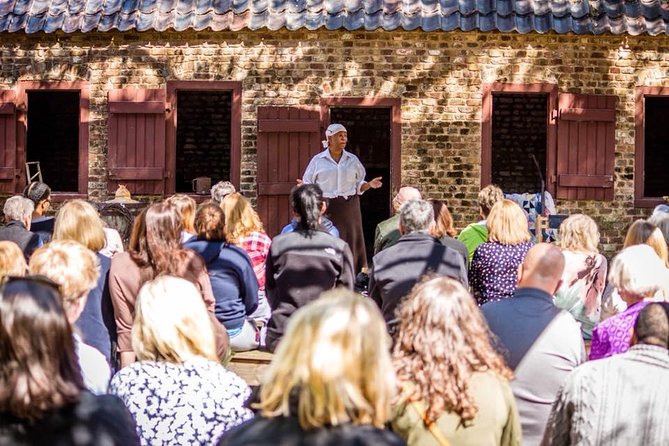
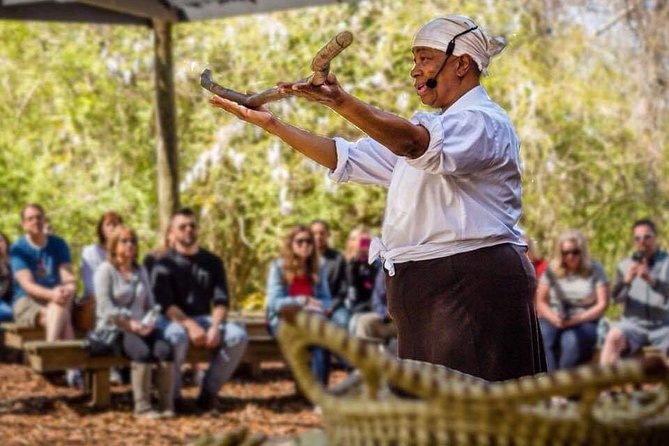
- Live Gullah culture program: A presentation called Exploring The Gullah Culture is included.
- Farm-style coverage: You get a tractor tour (weather permitting) plus garden and wildlife time.
- More than the house: The stable tour and the Gin House Museum add depth beyond the home.
- House tour is short and specific: Expect a focused first-floor walkthrough, not a full home takeover.
Boone Hall All-Access: Why This Program Feels Like More Than a Stop on Your Map

Boone Hall Plantation sits just outside Charleston, and the property runs big. What makes the all-access ticket work is that it respects that reality. You are not just walking through a quick “pretty grounds” circuit, then leaving. You get a planned sequence that mixes guided indoor time with outdoor viewing, plus live talks that connect the dots.
I also like the tone of the experience. The guided content does not avoid the horrors that happened here. At the same time, the site also shows how the plantation functioned as a working place, not only as a museum set. That balance helps you understand why this story repeats across the South, and why it still matters.
Other plantation-history visits:
- Charleston: Magnolia Plantation Entry & Tour with Transport
★ 4.6 · 438 reviews - Swamp Boat Ride and Oak Alley Plantation Tour from New Orleans
★ 5.0 · 3,303 reviews - Oak Alley Plantation Tour with Transportation from New Orleans
★ 4.5 · 1,747 reviews
Entering the Plantation: Avenue of Oaks, Parking, and the First Real Impression
You start the visit with all-access admission that includes entry down the Avenue of Oaks. This is more than a postcard moment. The approach creates a clear transition from modern roads into plantation space. It is one of those “you feel it in your body” arrivals, because the trees make everything feel slower and older.
Practical win: free parking is included. If you are driving from Charleston, this removes one stress point. Also, the site is near public transportation, so it can work if you are using a day plan that avoids renting a car.
Once you are in, you will move into the first guided portions. The flow matters, because several segments overlap with live talks, and you will want to be ready when your timing window starts.
Black History in America: The Enslaved Cabins Exhibit That Changes the Whole Visit
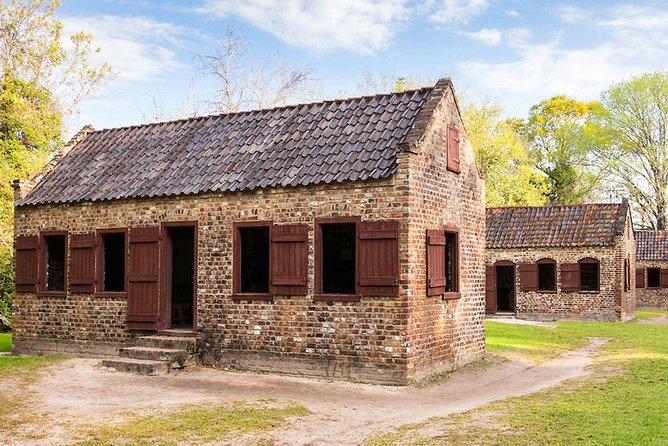
The heart of the all-access ticket is the visit to the cabins connected to enslaved people, plus the Black History in America exhibit housed in those cabin spaces. The property has nine original cabins where enslaved people lived. That detail is important. It means you are not only learning about slavery in abstract, you are seeing the physical setting where people endured daily life.
If you prefer history that stays honest and grounded, this is the part you will remember. Many of the site’s interpreters focus on what happened here, what the cabins represented, and how the story should be told. You can also expect the guides to use small “vignette” style talks at different spots, so you do not get one long lecture and then go wandering.
A consideration, if you are looking for a purely scenic plantation day: the emotional weight here is real. Some people love this because it is direct. Others find it heavy. Either way, plan your mood accordingly and give yourself time to sit with what you see.
The Plantation Home Tour: First Floor Guided Visit, and the Truth About What It Includes
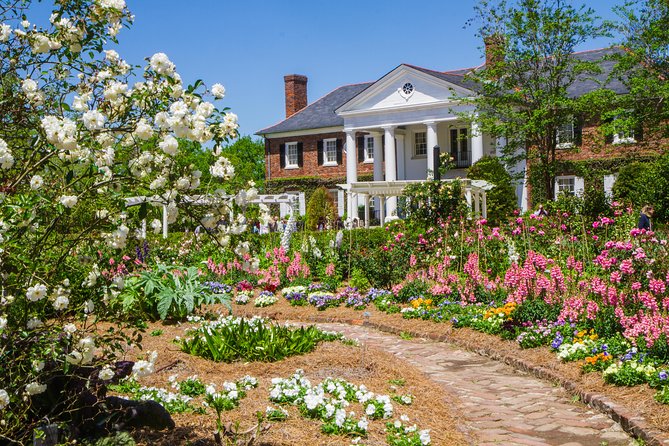
The ticket includes a guided tour of the first floor of the plantation home. This part is straightforward: you walk room to room with a guide, and the interpretation focuses on that space and what it represents in the larger story of the plantation.
One thing to know upfront: the main house you tour dates to the 1930s, not the original Boone family home era. Reports also note that only a set number of rooms are included in the first-floor tour. In other words, you should not expect a full, historic house that feels like it is from the 1700s.
So why do it at all? Because the home tour can help you contrast the “public face” of plantation life with the cabins and exhibit spaces. It also creates a structural anchor for the rest of your visit: you see the house, then you move outward to the enslaved people’s quarters, gardens, and farm activities. That rhythm helps the story land.
One more practical note: some visitors have said the house tour can feel tightly managed, including limits around photographing inside. I cannot promise how rules are applied on your day, but if you care about interior photos, come prepared for restrictions and concentrate on listening first.
Stack these Charleston options against each other
- Charleston’s Old South Carriage Historic Horse & Carriage Tour
★ 5.0 · 10,023 reviews - Historic Charleston Guided Sightseeing Walking Tour
★ 5.0 · 6,216 reviews - Haunted Evening Horse and Carriage Tour of Charleston
★ 4.5 · 3,678 reviews - Charleston Horse-Drawn Carriage Tour: Explore Historic Charleston
★ 5.0 · 3,561 reviews
Tractor Tour, Gardens, and Wildlife Viewing: How the Property Shows Itself as a Living Place
All-access admission includes a tractor tour across the entire property, and it runs when weather permits. This is one of the best ways to cover distance without feeling like you are doing an endurance hike. The tractor segment also gives you a moving “map view” of how the plantation is laid out, which makes the walking parts later feel easier to place.
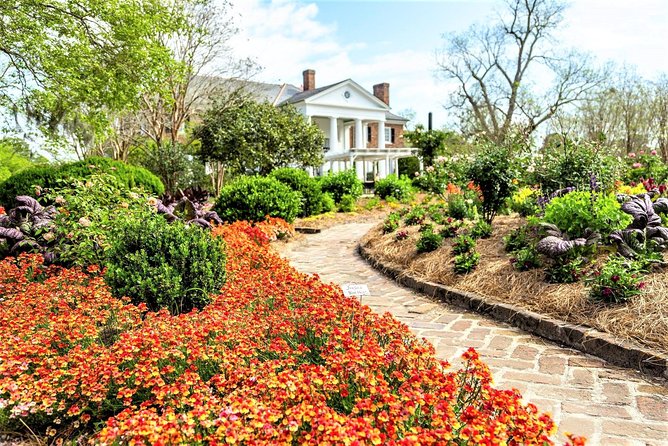
After that, you also get a garden tour called Showcase Of Color. This is where Boone Hall shifts from pure interpretation to sensory space. You see how the grounds are designed and maintained, and you get a break in tone from the heavier indoor cabin content. Add in beauty and wildlife viewing, and you can come out with more than facts. You get atmosphere.
A good rule: expect the tractor and garden timing to set your pace. If it is hot, you may welcome the ride. If it is rainy, the day may feel more constrained because weather affects the tractor tour.
Exploring The Gullah Culture Live Presentation: The Included Program Many People Come For
The standout “program moment” on this ticket is the live presentation called Exploring The Gullah Culture. It is included with all-access admission, and it is repeatedly described as worth the ticket cost on its own.
Why it matters: Gullah culture connects African traditions, coastal South Carolina history, and community survival. When it is presented live, it usually lands better than reading a plaque. You get a voice, stories, and context that makes the enslaved cabins portion feel less like a separate exhibit and more like part of one continuous story.
If you have limited time in Charleston, I recommend prioritizing this presentation slot when your day plan allows it. Many people build the rest of their visit around it, and that instinct is smart because it is a fixed, scheduled experience.
Gin House Museum and the Stable Tour: The Extra Stops That Add Time and Meaning
The all-access ticket also includes the Gin House Museum, described as spanning 300 years of history. That is a big claim, but the value is simple: it gives you a practical sense of plantation production. You start thinking about the work, not only the living quarters. It helps explain why the plantation looked the way it did and how labor and crops shaped daily schedules.
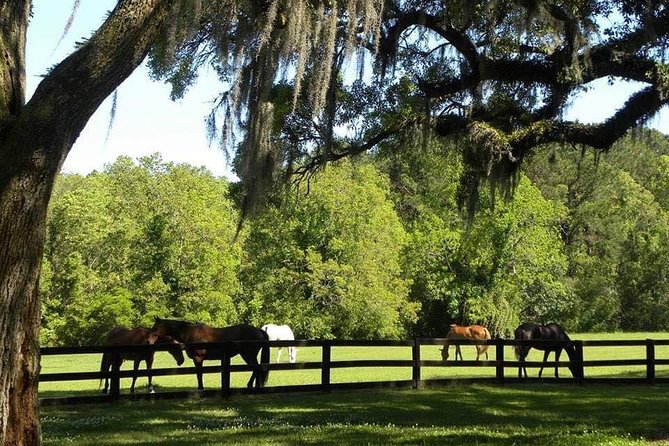
There is also a Stable Tour, listed as new and included in the ticket. One timing caution: some visitors reported that the stable area may not be open during every visit time window. So if stable viewing is a must for you, plan to arrive with enough time in your schedule to match what is running that day.
If you happen to be there during a period when horse activity is possible near the stables, you might catch glimpses of that working-farm side. Even if you do not, the museum and stable stops still help round out the visit beyond the house and cabins.
Garden Walks and Freedom to Wander: When You Should Slow Down
Even with a structured program, Boone Hall can feel spacious. Some reports describe time to explore many areas at your own pace, especially around the grounds between scheduled talks.
This is where I suggest you do your best “second look.” After you finish the guided segments, you can return to a spot and see it again with new context. If you walk the oak approach once, then later walk it again after the cabin content, the mood can shift completely. That contrast is the point.
If you want photos, this is also the time to work for your best shots without making your guide wait or rushing the group flow. Bring a little patience and let the day unfold.
Price and Value: Is $36.50 a Good Deal for an All-In Admission?
The listed ticket price is $36.50 per person, with an all-access format that includes multiple tours and attractions. On paper, that seems reasonable because you are not just buying one guided session.
Here is what you are paying for, in practical value terms:
- A guided first-floor home tour
- Access to the Black History in America exhibit in original cabins
- A live history presentation and the live Gullah culture presentation
- Tractor tour across the property, when weather allows
- Garden tour Showcase Of Color, plus beauty and wildlife viewing
- Stable tour and the Gin House Museum
- Free parking
That package can be a good value if you would otherwise pay separately for each segment. It can also be a good value if you want “help from staff” to keep you from missing key areas.
One caution I take seriously: some visitors report price differences when tickets are bought through third-party platforms versus buying with the site directly. In at least one case, the on-site senior ticket price was lower than what was paid online through a middleman. So before you click, compare the final total. If you are flexible, buying closer to the source can save you money.
How Long You Actually Need: The 2 to 4 Hour Reality Check
The experience runs about 2 to 4 hours. That range is realistic, but here is the honest part: if you want time to see everything without feeling sprinty, I would plan closer to 4 hours.
Why? Because the included program has multiple timed parts. The cabin exhibit and talks take longer than a quick photo stop. The tractor ride and garden tour require you to be present at specific moments. Then add the stable tour and Gin House Museum, and suddenly your “quick in and out” plan is gone.
If you are the type who reads every sign and listens carefully, you will feel more like you need the full window. If you are more selective, you can compress it, but you still should not cut too close because some parts may be weather-dependent.
Timing Tips That Make the Day Easier (Without Stressing You Out)
Boone Hall’s all-access program requires good weather. Since the tractor tour runs weather permitting, plan around that uncertainty. If rain is in the forecast, keep your day flexible so you can take the day that works best.
Also, consider the season. Tree-lined views and gardens can be beautiful in mild weather. But even with great weather, you will be walking on plantation grounds. Wear shoes you can handle for a few hours.
Finally, if you care about the inside of the house, remember the tour is guided and likely timed. Some visitors report the house tour is more limited than expected, and some report restrictions on interior photography. So be ready to experience it by listening and looking closely, not just shooting from the hip.
Who Should Book Boone Hall All-Access Admission, and Who Might Want a Different Day Plan
This ticket is a great fit if you want:
- Plantation history with hands-on interpretive spaces in the cabins
- A live cultural program connected to Gullah culture
- A visit that includes farm functions like the tractor ride and museum stops
It may be less ideal if your priority is a long, grand house tour of the oldest original mansion rooms, because the house tour is limited and the structure dates to the 1930s. It may also be less ideal if you want an easy, purely relaxing garden stroll with minimal emotional weight. The cabin exhibit portion carries real gravity.
If you come as a couple, this works well because you get guided pacing without having to navigate every stop yourself. If you come with a multigenerational group, the structure helps, but you should expect some topics that require patience and conversation.
Should You Book Boone Hall All-Access Admission?
Yes, I think you should book Boone Hall All-Access Admission if you want one ticket that covers the places you would otherwise miss, including the cabin exhibit and the live Gullah culture presentation. It is not only pretty scenery, and that matters.
Book with two expectations set:
1) Give yourself close to 4 hours so you can absorb each segment without rushing.
2) Go in ready for the slavery story to be direct, and let the experience connect the house, the cabins, and the farm work into one picture.
If you have a tight schedule in Charleston, this ticket is still a solid choice because it compresses a lot of meaning into a single guided day plan, and it includes the program element many people say they came for.
FAQ
What does the all-access ticket include?
It includes all-access admission to Boone Hall down the Avenue of Oaks, guided tours of the first floor of the plantation home, access to the Black History in America exhibit, a tractor tour across the property (weather permitting), a history presentation, the live Exploring The Gullah Culture presentation, the garden tour called Showcase Of Color, beauty and wildlife viewing, free parking, the stable tour, and the Gin House Museum.
How long does the visit take?
The duration is listed as about 2 to 4 hours.
How much is the ticket?
The price is listed as $36.50 per person.
Is the ticket mobile?
Yes, the ticket is listed as a mobile ticket.
What language are the presentations in?
The experience is offered in English.
Are tractor tours guaranteed?
No. The tractor tour runs across the entire property weather permitting.
Is the plantation home tour included?
Yes. The ticket includes a guided tour of the first floor of the plantation home.
Are special events included with the admission?
No. Admission tickets cannot be used for special events hosted on site.
What are the opening hours?
The listing shows Monday through Saturday, 9:00 AM to 5:00 PM.
Do I need good weather?
Yes. The experience requires good weather, and if it is canceled due to poor weather, you are offered a different date or a full refund.
Are cancellations refundable?
Yes. You can cancel up to 24 hours in advance for a full refund. Less than 24 hours before the start time is not refundable.
Reviewed most recently around Charleston
- Charleston Water Taxi Cruise with Dolphin Sighting★ 5.0 · 857 reviews
- Savor the Flavors of Charleston Walking Food Tour★ 4.5 · 881 reviews
- Undiscovered Charleston: Half Day Food, Wine & History Tour with Cooking Class★ 5.0 · 948 reviews
- 2-Hour Guided Kayak Eco Tour in Charleston★ 5.0 · 954 reviews
- Charleston historical walking tour with a Professor of History at The Citadel★ 5.0 · 1,284 reviews
- Charleston’s Pleasing Terrors Night-Time Walking Ghost Tour★ 5.0 · 1,345 reviews
- Downtown Charleston Food Tour★ 4.5 · 1,376 reviews
- Charleston City Sightseeing Bus Tour★ 5.0 · 1,422 reviews
Plantation Tours, compared.
Swamp Boat Ride and Oak Alley Plantation Tour from New Orleans
Read our review →
Oak Alley Plantation Tour with Transportation from New Orleans
Read our review →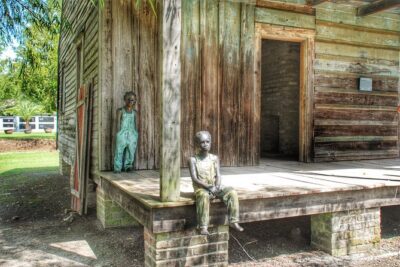
Whitney Plantation Tour with Transportation from New Orleans
Read our review →

Pearl Harbor, Dole Plantation, and Polynesian Center from Waikiki
Read our review →Browse the lists this tour appears in