
Reviewed · PLANTATION TOURS
Whitney Plantation Tour with Transportation from New Orleans
Whitney Plantation is interesting for one simple reason: it tells Louisiana’s plantation story from the perspective of the enslaved people. This trip is also built for real life, you get round-trip transportation from central New Orleans and you’re not stuck figuring out logistics on your own.
I love the mix of self-guided time at Whitney with an audio guide, so you can go at the pace your brain and heart need. I also like the ride itself, the bus follows the Mississippi River and stops along the way to set the context for what you’ll see.
One drawback to plan around: the experience is heavy, and it’s a long half day with limited food options. Whitney does not serve a full meal, so you’ll want to bring snacks or plan your timing carefully.
Key Things You Should Know
- Self-guided Whitney with audio via the Whitney Plantation app, so you control your pace
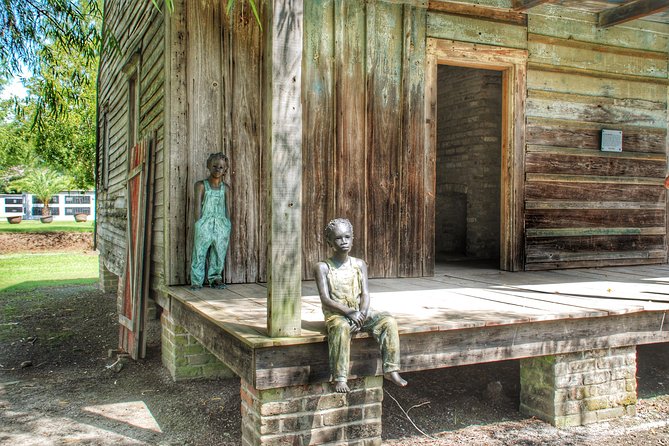
- Original slave cabins and the Big House highlight architecture and lived reality on the grounds
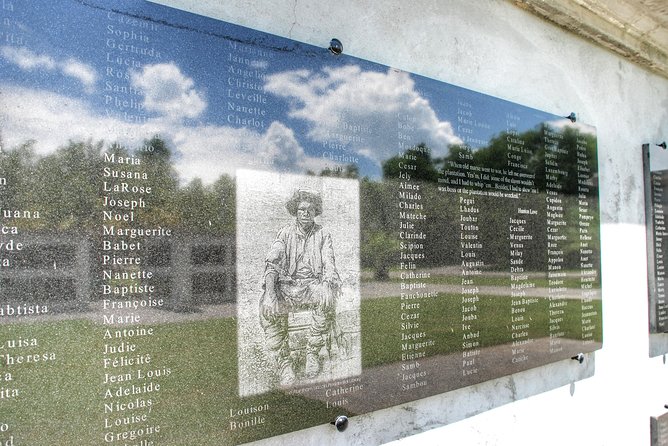
- Federal Writers’ Project first-person narratives put voices behind the exhibits
- A scenic Mississippi River drive passes the Bonnet Carre Spillway and Lake Pontchartrain
- Optional 90-minute pontoon swamp tour adds a fun counterpoint to the museum’s somber tone
- Air-conditioned round-trip bus from the French Quarter, handy if you do not have a car
Whitney Plantation: The Plantation Museum That Chooses Honest Voices
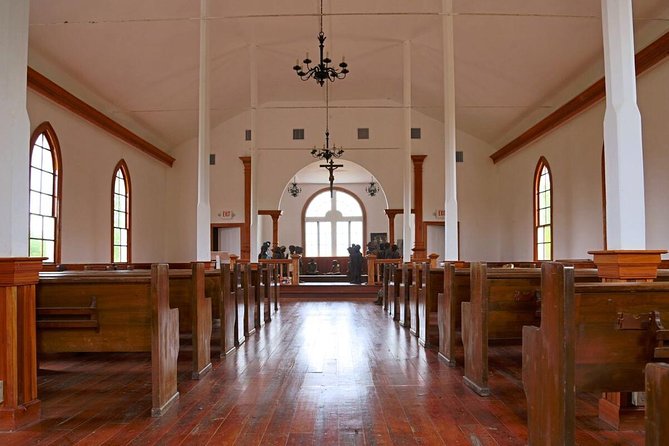
Whitney Plantation is not a make-believe “period charm” stop. It’s a National Historic Landmark estate that now functions as a working museum focused on the brutal reality and legacy of enslavement in Louisiana.
What makes it hit hard, in a good way, is the way the exhibits are structured. You’re meant to understand slavery as a system with victims, not as a vague backdrop. The museum uses restored and preserved buildings, plus stories told through first-person narratives recorded by the Federal Writers’ Project. That last part matters. Reading a plaque is one thing, hearing recorded voices tied to real lives changes the whole emotional math.
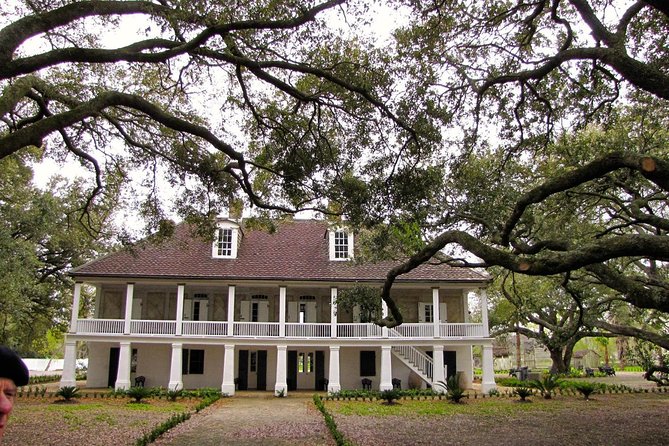
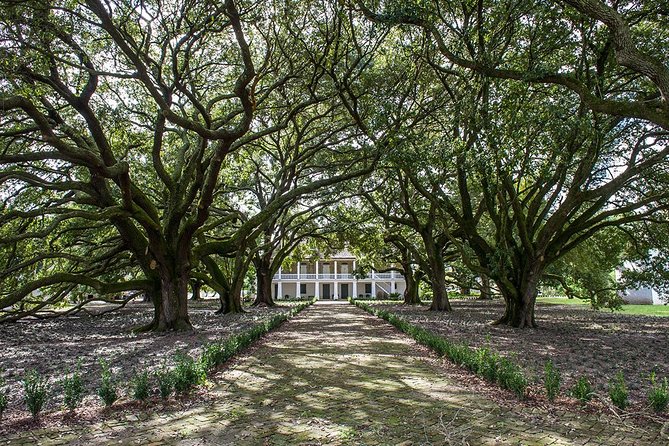
You’ll also see the contrast between buildings and what they represent. The Big House, one of the finest surviving examples of Spanish Creole architecture in Louisiana, sits on the same property as the slave cabins. The museum does not ask you to look away from that contradiction.
Other plantation-history visits:
- Swamp Boat Ride and Oak Alley Plantation Tour from New Orleans
★ 5.0 · 3,303 reviews - Oak Alley Plantation Tour with Transportation from New Orleans
★ 4.5 · 1,747 reviews - Laura Creole Plantation Guided Tour
★ 5.0 · 1,279 reviews
Leaving New Orleans: The Ride Along River Road Helps You See What Changed
This is a transportation-first tour. You meet at the Gray Line New Orleans office at 400 Toulouse St, at the Steamboat Natchez Dock, in the French Quarter. Check in is 15 minutes before departure, so you’ll want to show up early and not play chase-the-bus.
The bus ride is part history lesson, part comfort perk. It is air-conditioned, and the tour is capped at a maximum of 55 travelers. You’ll cross the Bonnet Carre Spillway, and you get a panoramic view of Lake Pontchartrain along the way. Then you’re rolling down what’s often called River Road, passing plantation properties such as Evergreen, Felicity, and St Joseph.
Even if you’ve read about antebellum Louisiana before, this drive helps you connect the dots. You can look out the window and understand how plantations spread across the fertile landscape, tied to crops like sugar cane, cotton, and indigo, and tied to trade routes along the river.
One more practical thing I like: the tour uses a bus driver who often shares context on the way out and back. Names that have come up in feedback include Robert D, Nicholas, Alton, Dominique, Kim, and Dwayne. If you get one of these talkative drivers, the ride becomes more than transit.
Arriving at Whitney: Self-Guided Means You Get Control
Once you arrive at Whitney Plantation, you’re on your own with the museum. That sounds basic, but it’s a smart setup for a site like this.
You can use the Whitney Plantation app for the audio guide, which lines up with points of interest around the grounds. Some tours also provide audio devices on site, but the cleanest approach is to download the official app before you go if that’s an option you’re offered. Either way, you’ll have audio as you walk.
You’ll spend around 2 to 2.25 hours exploring the grounds. The rest of the time is travel, which means the schedule is built so you can leave without rushing through everything, but you also should not expect to linger all day.
Also, the estate is designed with more than one kind of access. It is handicap accessible overall, but portions are only reachable by stairs. If you need step-free routes, plan your priorities before you arrive.
Photo rules are typical for museums, you can take photos and videos in most places, but flash and video may be restricted in certain areas. Your guide or on-site signage should point this out.
What to See on the Grounds: Slave Cabins, the Big House, and the Stories Between
Here’s how I’d think about Whitney Plantation during your visit. There are three “layers” you’ll move through.
Stack these New Orleans options against each other
- New Orleans Premier Ghost, Voodoo and Vampire Walking Tour
★ 4.5 · 12,856 reviews - New Orleans Steamboat Natchez Jazz Cruise with Dinner Option
★ 4.0 · 7,533 reviews - Adults-Only New Orleans Ghost, Crime, Voodoo, and Vampire Tour
★ 5.0 · 6,545 reviews - New Orleans Food Walking Tour of the French Quarter with Small-Group Option
★ 5.0 · 6,118 reviews
Restored and original cabins
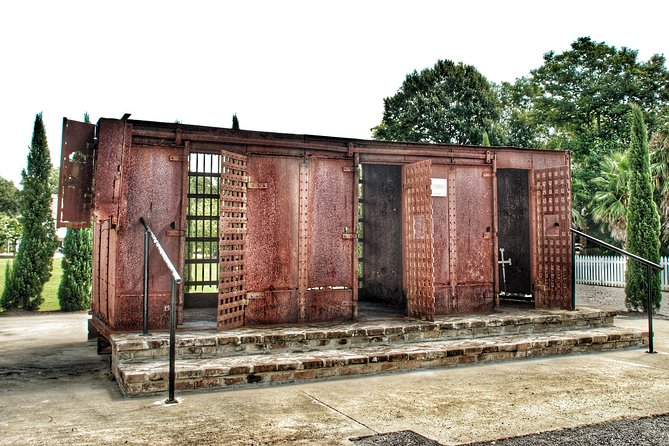
Whitney includes historical slave cabins, including some that remain from the original 22 on-site. Seeing these buildings is one of the most sobering parts of the visit because they are physical proof of forced housing, not just abstract descriptions.
The museum’s exhibits do not treat cabins as decorative set pieces. You’re guided to connect the structures to the daily reality of people living and working under enslavement. You may find the tone direct and emotional, and you should allow yourself space to sit with it.
The Big House, Spanish Creole architecture, and the power imbalance
Then you look at the Big House, which is preserved as one of the best surviving examples of Spanish Creole architecture in Louisiana. It’s a beautiful structure in the technical sense, and the museum makes sure you understand that beauty does not cancel the violence behind it.
When the Big House and the cabins are in the same frame, you get a clear view of how architecture can enforce social order. You’re not just touring buildings, you’re seeing how systems operate.
First-person narratives from the Federal Writers’ Project
The audio guide and exhibits include first-person narratives recorded by the Federal Writers’ Project. This is a standout because it pushes beyond dates and facts into lived experience.
The effect is different from reading a normal museum panel. You’re not just learning that slavery existed. You’re hearing voices shaped by what people endured, which makes the museum’s message much more personal.
Timing on Site: How to Use Your Time Without Feeling Rushed

Your visit at Whitney is not huge, around two hours, so you’ll want a strategy. The self-guided audio tour is designed to get you through key locations, but your best move is to slow down where you need to.
I recommend doing it like this:
- Start with the main exhibits and cabins, take the audio points in order, and give yourself a minute to stand still in the places that feel heavy.
- Then, when you reach the Big House area, don’t sprint. This is where your understanding snaps into focus, the contrast is intentional.
- If you want to move quicker, you can skip a few audio segments, but try not to do it in the sections with first-person narratives. That content is often the reason people say the trip changes them.
The museum grounds are well maintained, and that helps. You’ll spend less time figuring out where to go and more time processing what you see. The on-site shop is also worth a quick look after you’ve walked. You can browse history books and related items, which makes it easier to leave with something useful instead of just a lump in your throat.
One small scheduling thing to keep in mind: published time windows can shift. In some cases, return times have not matched what was initially advertised, so I’d plan a buffer for the afternoon. Bottom line, do not schedule anything tight right after you expect to return.
The Optional 90-Minute Swamp Tour: Pontoon Fun After a Heavy Museum
If you upgrade, your day includes a 90-minute pontoon swamp tour. This is not a random add-on. It’s a genuine change of pace.
A pontoon boat ride is the kind of activity that feels like a reward after Whitney’s seriousness. You’re still in the Louisiana outdoors, you’re still learning something from the swamp guide, but the tone is lighter and more playful.
In feedback, one swamp guide named Ethan was especially praised for making the ride fun. If that’s the guide you get, you’re likely to come away smiling and still thinking about the museum experience. That contrast is part of why people like pairing these two stops.
Just remember the practical tradeoff: adding the swamp tour makes the day longer and can reduce your flexibility for food. If you are sensitive to long schedules, consider whether you want the full combo or just the Whitney visit.
Price and Value: What You’re Paying For at $89

$89 per person sounds like a lot until you break down what’s included. You’re paying for admission to Whitney plus round-trip transportation from central New Orleans, with an air-conditioned vehicle. That bundle removes the biggest headache for this route: getting out to River Road without a car.
If you rent a car, you’re adding gas, parking, and the stress of driving in a new area. If you do rideshare, costs can jump fast for a long day trip. In that context, $89 starts looking like value, especially since the museum time is built in rather than “figure it out when you arrive.”
The audio guide is part of the experience too, and it’s a good match for a self-paced museum. You’re not just buying entry, you’re buying a way to listen through the site at your own speed.
If you add the swamp tour option, you’re also upgrading to a full 90-minute activity that gets you out on the water. That can be worth it if you want your day to have both emotional impact and an actual outdoor highlight.
Practical Tips: Food, Shoes, and Staying on Track
This is the stuff that keeps your day from turning into a grumpy scramble.
Food and drinks: Whitney does not serve food. So if you show up hungry, you’ll feel it. You might find snack items at the shop, but don’t count on it as a meal. Bring snacks from New Orleans or plan to purchase food somewhere along the way if your tour includes a stop for others (some tours have made mention of an additional stop for eating time).
What to wear: Casual clothes are fine. Wear comfortable shoes because you’ll walk on uneven sidewalks and streets. In warmer months, lighter colors and sun protection make sense.
Timing: Plan to check in 15 minutes early. The total day is about 5.25 hours including travel. The Whitney portion is roughly two hours, so if you like to read slowly, take your time but watch the clock.
Audio and mic volume: On bus tours, sometimes narration uses a microphone. If you’re sensitive to audio quality, you might want to bring earbuds if allowed, so you can still catch the drive-by commentary.
Who This Tour Suits Best (And Who Might Want a Different Format)
This is a great fit if you:
- Want a meaningful museum visit without planning a car trip
- Like learning through audio and self-paced exploration
- Are okay spending time with difficult history
- Want the option to add a swamp boat ride for balance
It’s less ideal if you:
- Want a fully guided, live walkthrough inside Whitney. This portion is self-guided.
- Need lots of freedom to leave and re-enter on your schedule. The bus schedule drives the day.
- Are looking for a light, casual “plantation tour for photos.” Whitney is deliberately not that.
If you do choose it, go in with the right mindset. This is a place where you might feel emotional. The self-guided format is actually a gift here, because you can pause without holding up anyone else.
Should You Book the Whitney Plantation Tour From New Orleans?
If your goal is to understand Louisiana’s plantation era in a way that is direct, human, and grounded in lived voices, I think you should book this.
You’re getting the key parts that make it workable: transport from the French Quarter, pre-arranged entry, and a self-guided audio experience that lets you control your pace. Add the swamp tour only if you want the full day arc with a fun nature segment after the museum.
Just do two things before you go: wear comfortable shoes and plan food ahead since Whitney does not serve meals. If you do that, you’ll have a day that is equal parts educational, unsettling in the right way, and ultimately memorable.
FAQ
Where is the departure point for the Whitney Plantation Tour?
It starts at the Gray Line New Orleans Lighthouse Ticket Office at 400 Toulouse St in the French Quarter, near the Steamboat Natchez Dock.
How long do I spend touring Whitney Plantation?
You’ll spend about 2 to 2.25 hours at Whitney Plantation.
Is the Whitney Plantation tour guided or self-guided?
The Whitney Plantation portion is self-guided, with an audio guide via the Whitney Plantation app.
What’s included in the ticket price?
The experience includes round-trip transport from central New Orleans, admission tickets, an audio tour, and time to explore Whitney. If you choose the upgrade, it also includes a 90-minute pontoon swamp tour.
Is food included at Whitney Plantation?
No. Food and drinks are not included, and Whitney does not have food service.
Is the tour accessible for guests with mobility needs?
Yes, the tour/activity is handicap accessible. Note that portions of the plantation are only accessible by stairs.
Reviewed most recently around New Orleans
- New Orleans True Murder Tour: Sinister Criminal Intentions★ 5.0 · 729 reviews
- Honey Island Swamp Boat Tour★ 5.0 · 750 reviews
- Jean Lafitte 90-Minute Swamp and Bayou Boat Tour★ 4.5 · 762 reviews
- French Quarter Walking Tour With Comp 1850 House Museum Admission★ 5.0 · 781 reviews
- New Orleans Cocktail and Food History Tour★ 5.0 · 819 reviews
- New Orleans Lewd Spirits Haunted Tour with Bar Stops★ 5.0 · 823 reviews
- VIP Jazz Dinner Cruise with Private Tour and Open Bar Option★ 4.5 · 838 reviews
- Sunday Jazz Brunch Cruise in New Orleans★ 4.0 · 889 reviews
Plantation Tours, compared.

Swamp Boat Ride and Oak Alley Plantation Tour from New Orleans
Read our review →
Oak Alley Plantation Tour with Transportation from New Orleans
Read our review →
Boone Hall Plantation All-Access Admission Ticket
Read our review →

Pearl Harbor, Dole Plantation, and Polynesian Center from Waikiki
Read our review →Browse the lists this tour appears in