
Reviewed · WALKING TOURS
Historic Charleston Walking Tour: Rainbow Row, Churches, and More
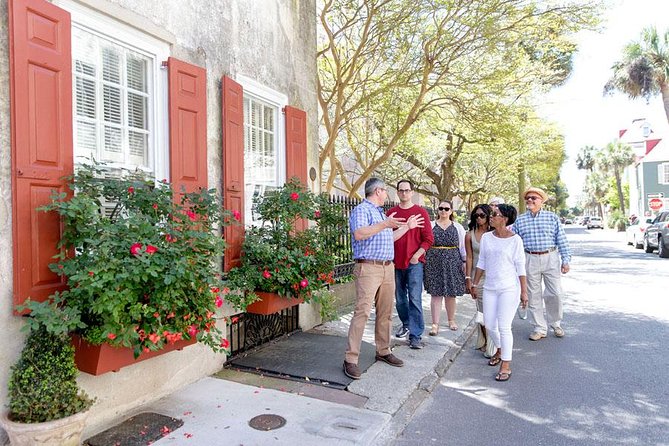
Charleston feels best on foot, and this tour is a tidy way to get your bearings fast without turning your day into a sprint. You’ll see Rainbow Row up close, then keep rolling through the historic core toward the Waterfront Battery with views that help everything click. I also like that the pace stays leisurely, with stops for stories, shade, and questions.
The only real thing to plan for is the walking. You are on your feet for about 2 hours, and if you show up late, the tour can leave without you, so arrive early and wear proper shoes.
Key takeaways

- Rainbow Row first so the iconic color stretch becomes your mental map for the rest of the walk.
- Waterfront Battery photo moments with cannons, cannonballs, palmettos, and Fort Sumter views.
- Powder Magazine Museum admission included, so one stop isn’t just a photo, it’s a real mini lesson.
- Hidden gardens and courtyards give you a calmer look behind the grand street scenes.
- Churches, graveyards, and tough history handled thoughtfully, not as trivia.
- Small group limit of 20 helps the guide keep things moving and answers coming.
Why Rainbow Row plus the Waterfront Battery works as an intro to Charleston

If Charleston is your first stop in the South Carolina game, you want two things: the famous postcard sights, and the local details that explain why they matter. This tour nails that mix.
Rainbow Row is the obvious magnet. But the smarter part is what comes after. Once you’ve seen the famous line of homes, the guide can connect the dots to the street layout, architecture types, and how the city developed around its waterfront. The tour route stays walkable within the historic district core, so you’re not constantly repositioning or taking extra rides.
The Waterfront Battery is the other reason the tour clicks. You get the scenic pull, yes, but also the layers. You’ll spot historic features like cannons and cannonballs, plus palmettos and views out toward Fort Sumter. It’s the kind of stop that makes Charleston feel both pretty and complicated in a single glance.
One more thing I like: the guide usually keeps the pace realistic. It’s described as leisurely, and the walking time is only around 2 hours. That matters because you can actually enjoy it, not just survive it.
More Historical Tours in Charleston
- Charleston’s Old South Carriage Historic Horse & Carriage Tour
★ 5.0 · 10,023 reviews - Historic Charleston Guided Sightseeing Walking Tour
★ 5.0 · 6,216 reviews - Charleston Horse-Drawn Carriage Tour: Explore Historic Charleston
★ 5.0 · 3,561 reviews
Meeting at 115 Meeting St, then settling into a relaxed 2-hour rhythm
The tour starts at 115 Meeting St, Charleston, SC 29401 and ends back at the same meeting point. Plan to arrive 15 minutes early. The tour leaves on time, and the group can be up to 20 people, so there isn’t much slack if you’re still searching for the right street corner.
This is a standing-and-walking experience. Comfortable shoes matter here. Charleston’s historic streets include cobblestones, and that’s not the surface to test your newest footwear. Bring water, and if you’re visiting in warm months, wear a hat and sunscreen. The tour operates in all weather, so bring a light rain layer if the forecast looks questionable.
The best part about the format is how easy it is to ask questions. Since the tour is small and guided, you can steer conversations toward what you care about most, whether that’s architecture, military history, or daily life in the city across centuries. Guides also tend to pause for shade breaks when possible, which makes a big difference when the sun shows up.
Stop-by-stop: Rainbow Row, Waterfront Battery, and Powder Magazine
This tour is built around a short list of high-impact stops, plus a lot of context delivered while you walk.
Stop 1: Rainbow Row, the long row of painted pre-Revolutionary homes
You start at Rainbow Row, one of Charleston’s best-known historic stretches. It’s famous for its colorful painted facades, and the tour frames it with a quick sense of time and place. You’ll be standing at a distance that makes the whole row readable, not just one house front.
A helpful detail here is the tour’s focus on how architecture tells you history. You’ll also learn to spot what makes these buildings part of Charleston’s broader identity, so later stops feel connected instead of random.
More Walking Tours in Charleston
- Ghosts of Charleston Night-Time Walking Tour with Unitarian Church Graveyard
★ 4.5 · 2,835 reviews - Hidden Alleyways and Historic Sites Small-Group Walking Tour
★ 5.0 · 2,335 reviews - Highlights of Charleston Guided Walking Tour
★ 5.0 · 2,206 reviews - Charleston Haunted Booze and Boos Ghost Walking Tour
★ 5.0 · 1,569 reviews
Stop 2: Charleston Waterfront Park and the historic Battery area
From Rainbow Row you move toward the waterfront, hitting the Waterfront Park area and the Historic Waterfront Battery. This is where the tour earns its photo credit.
Expect views and visuals like:
- Southern-style mansions along the water
- Cannons and cannonballs (the kind that bring history into focus)
- Palmettos and classic Charleston greenery
- Fort Sumter views out across the water
A practical note: photos will happen here. The guide usually keeps you aware of sightlines, so you don’t end up taking pictures while everyone else is already walking. If you want the best shots, wait for the guide’s spot and angle cue rather than running ahead.
Stop 3: The Powder Magazine Museum, included entry
This is the one stop that turns the tour from streets and stories into an indoor, ticketed experience. Powder Magazine Museum admission is included with your purchase.
The value of including this museum is simple: you get a break from walking and you anchor what you’ve been hearing outdoors in a focused setting. It also helps when your tour covers multiple war periods, because the museum setting can give you a clearer reference point for what you just saw.
If you prefer your history grounded in artifacts and rooms you can actually look at, this included entry is a big plus.
The architecture lessons you actually notice while you walk

Charleston architecture can feel like a blur when you visit on your own. On this tour, the guide points out patterns so you start seeing the city the way locals describe it.
You’ll pass along cobblestone streets and notice custom iron gates that separate grand street fronts from the quieter spaces behind them. You’ll also spend time with the concept of the Charleston single house. These are typically a single room in depth, oriented with the short access toward the street, with the entrance area on a long side in an alley.
That description sounds technical, but on foot it becomes clear. You can look at a property and understand why it sits the way it does and how daily access worked. It also helps explain why courtyards and gardens matter so much in Charleston. When you notice those hidden outdoor spaces, Charleston stops being just a pretty backdrop and becomes a set of smart design choices.
You’ll also catch views of antebellum mansions and other 18th and 19th-century architecture along the route. The tour’s approach is to help you connect what you’re seeing now to how Charleston grew, not just to label buildings like a worksheet.
Hidden gardens, courtyards, churches, and graveyards: the quieter side of Charleston

Not every Charleston tour spends enough time on the spaces that feel private. This one includes hidden gardens and courtyards, plus historic churches and graveyards.
These stops matter because they show a different side of the city. The street scene can be grand, but the courtyards and church grounds help you understand the rhythms of daily life and the importance of community spaces. Even if you’re not the type who loves cemeteries, graveyards in Charleston can be a meaningful way to understand how people remembered events and families across time.
There’s also a respectful, context-based way the tour handles the Revolutionary and Civil War threads. Charleston has difficult chapters, and this tour aims to explain the past without reducing it to shock value. That balance is one reason the tour has strong ratings.
Fort Sumter: what you get without a boat ride

If Fort Sumter is your must-see, you should calibrate expectations. This tour includes a visual tour of Fort Sumter, meaning you’ll see it from the area around the waterfront rather than taking a boat or landing there.
That is still useful. Seeing it from the water-facing vantage points helps you understand why the Battery area mattered historically. You can also connect Fort Sumter to what you see in cannon and cannonball displays and how the city’s shoreline shaped events.
One consideration: since this is a walking tour with multiple stops, the time spent on Fort Sumter visuals may vary based on how your guide weaves it into the story. If you want a heavy Fort Sumter focus, plan to treat this as a preview, not a substitute for a dedicated Fort Sumter visit.
Price and value: what $40.50 buys you in the real world
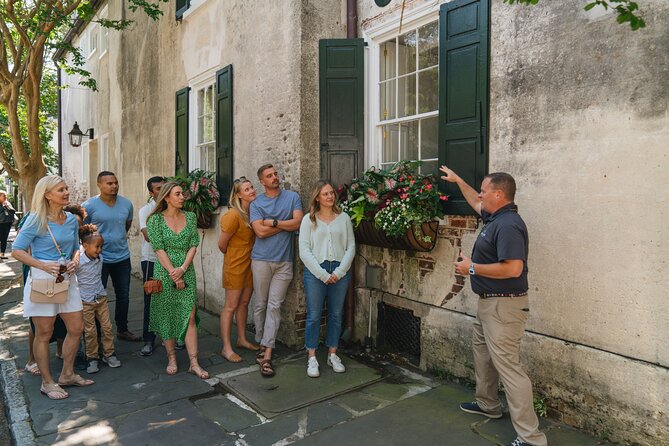
At $40.50 per person, you’re not just paying for a guide to point at buildings. You’re paying for a guided route through the historic district plus included admission to Powder Magazine Museum.
Here’s how the value stacks up:
- You get multiple major stops tightly connected: Rainbow Row, Waterfront Battery, and the museum
- The guide adds interpretation while you walk, not just at each stop
- Museum entry saves you the hassle and cost of planning that separately
You still handle transportation on your own. It’s listed as not included, so you’ll need to plan how you get to the meeting point. Since the tour is near public transportation, it’s easy to slot into a day without renting a car, but you should still budget time to get there early.
Also note: the tour is described as operating in all weather and is around 2 hours. That combination is part of the value. You can enjoy it even when the day isn’t perfect, as long as you dress for the conditions.
What kind of guide you might get, and how that affects the day

The guides on this tour rotate, and you might be lucky enough to get someone who makes the stories memorable. Names that show up from past experiences include Keith, Graham, Gordon, Diane, Eric, Nelson, Boyd, Fran, Lisa, and Lacie.
What matters more than the name is the style. In the best moments, guides:
- handle the 2-hour time well, with room for photos and questions
- pause for shade when needed
- keep people moving without rushing the explanations
- answer questions even when the group is curious or talkative
That’s also why you’ll see repeated comments about the tour being fun and engaging. It’s not only about facts, it’s about delivery.
If you’re traveling with kids, this kind of guide-driven format can work well because the stories are paced and the scenery changes often. One person described the tour as a highlight even for young teens, which tells me it can keep more than adults interested.
When to go and what to pack for a comfortable walk
The tour runs in all weather conditions, so your success depends on your clothing choices. Charleston can be hot and bright, and it can also rain. The guide typically looks for shaded spots when possible, but you should still do your part.
Pack basics:
- Comfortable walking shoes for cobblestones
- Water (small bottles are fine)
- Hat and sunscreen if it’s sunny
- Light rain layer if showers are expected
Timing matters too. Morning can feel cooler, afternoon can give you warmer light for photos. The tour offers both morning and afternoon options, so choose based on what you value more: easier walking comfort or photo light.
Should you book this Charleston Historic District walking tour?
Book it if you want an organized, guide-led way to get oriented in Charleston’s historic core in about two hours, with major highlights like Rainbow Row, the Waterfront Battery, and Powder Magazine Museum built into the route.
Skip it or pair it with something else if:
- you don’t enjoy walking much, because the tour is still a steady stroll for around 2 hours
- Fort Sumter is your single top priority, since you’ll get views, not a trip onto the island
- you want a totally unhurried pace with lots of free time at each stop, because the structure is designed to cover several key areas
For most first-timers, this is a smart value. You pay a reasonable price for a compact route, included museum entry, and a guide who turns the city’s architecture and war-era storylines into something you can remember as you keep exploring on your own.
Reviewed most recently around Charleston
- Charleston in a Nutshell Private Tours★ 5.0 · 375 reviews
- Charleston History Tour /★ 5.0 · 388 reviews
- Private Luxury Yacht Charters, BYOB & Dolphins★ 5.0 · 395 reviews
- Kayak With Dolphins in Historic Shem Creek★ 5.0 · 407 reviews
- Lost Stories of Black Charleston Walking Tour★ 5.0 · 412 reviews
- Narrated Haunted Ghost Cruise of Charleston Harbor★ 4.5 · 418 reviews
- Charleston’s Best Highlights: History, Culture & Architecture★ 5.0 · 422 reviews
- Boone Hall Plantation Admission & Tour with Transportation from Charleston★ 4.5 · 455 reviews
Walking Tours, compared.

History and Hauntings of Salem Guided Walking Tour
Read our review →
New Orleans Premier Ghost, Voodoo and Vampire Walking Tour
Read our review →

Freedom Trail History Small Group Walking Tour
Read our review →
Historic Charleston Guided Sightseeing Walking Tour
Read our review →
New Orleans Food Walking Tour of the French Quarter with Small-Group Option
Read our review →
St. Louis Cemetery No. 1 Official Walking Tour
Read our review →Browse the lists this tour appears in