
Reviewed · MANTA RAY SNORKELS
Snorkel with Manta Rays Guaranteed
Swim with Hawaii’s manta rays at night, with the action happening right under your feet. What I like most is the sunset sail aboard the Hokulani and the lit-up manta flotation device, which keeps you on the surface while rays feed below. The big consideration is that you’ll be in chilly, dark ocean water and you’re holding onto the float the whole time, so if your shoulders get tired easily, plan accordingly.
You’ll start on a comfortable trimaran, then get a clear safety briefing before you ever touch the water. I also appreciate that fins are not needed, and the crew helps you use the system so you can focus on the rays rather than fighting equipment. If conditions are rough, it can still feel bouncy, so it helps to be ready for that reality on the night you go.
Key highlights I’d actually plan around
- Hokulani sunset cruise with snacks and drinks before you reach Manta Ray Village
- Lit manta flotation device that attracts plankton, bringing the rays to you
- About 45 minutes in the water during the snorkel time portion
- Full wetsuit, mask, and snorkel included, fins not required
- Safety-first rules such as no full-face masks and guided entry on the platform
Manta Ray Village, but make it a glowing snorkel setup
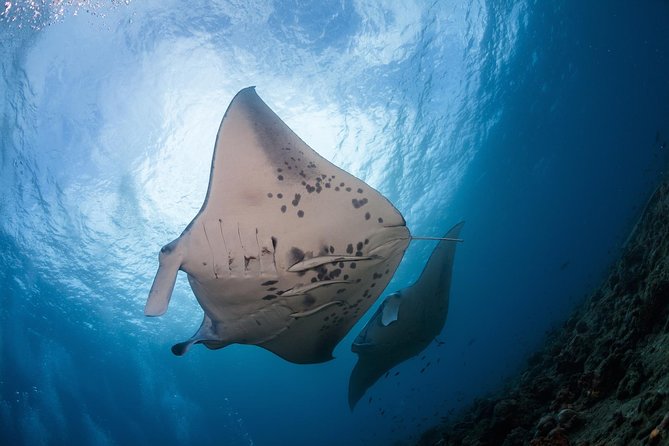
This is a night snorkel designed around one simple idea: manta rays come to the food, and the food comes to the light. When darkness hits, plankton rises from deeper water and is attracted to the light source attached to the flotation device. You do not go hunting for rays, you wait in the right spot and let the ocean do the work.
That lit-up float is the heart of the experience. It keeps you above the waterline so you can see what’s happening below, instead of constantly bobbing and resurfacing. The tour also positions you close enough to feel how big these animals are, without asking you to do acrobatics in open water.
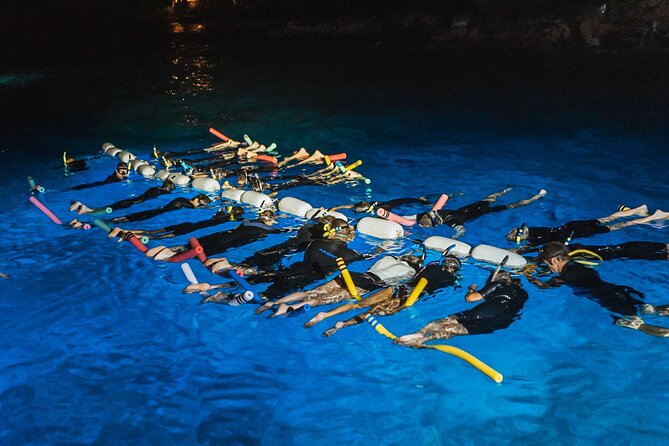
One practical point I’d underline for expectations: you are not really doing a long, free-swimming snorkel course. You’re holding onto the float the whole time. That makes it feel approachable for many people, but it also changes the vibe from I’m going to swim with rays to I’m going to float and watch rays come within inches.
More manta ray nights:
- Big Island Manta Ray Night Snorkel
★ 5.0 · 5,656 reviews - Big Island: Kona Manta Ray Snorkel Tour in Keauhou Harbor
★ 4.5 · 2,465 reviews - KONA Manta Ray Night Snorkel – FREE re-ride if no Sightings
★ 5.0 · 2,212 reviews
The Hokulani sunset sail: the calm start before the water work
You meet at Keauhou Bay in the Kahaluu-Keauhou area, and you’ll head out on a trimaran called the Hokulani. This portion is not just travel time. It’s the mood-setter, with drinks and snacks onboard while the sun drops and the coast goes dim.
A detail that matters for comfort: the snorkel spot is close, and you avoid long stretches out in the dark. If you’re prone to seasickness, that time saving is real value. I also like that the boat is described as clean and spacious, with a bathroom onboard, which turns a nighttime activity into something less stressful.
The sail time isn’t listed minute-by-minute, but the full experience is about 1 hour 30 minutes. That means you’re not spending your whole evening in transit. You get the sunset atmosphere, then you get right to the part with manta rays.
From check-in to safety briefing: where the tour earns its trust
At the World Famous Manta Ray Village, you’ll get an expert-led safety briefing before you ever enter the water. This is not the kind of speech that feels like it belongs on a classroom wall. It’s focused on how to use the gear, how the float works, and how to handle yourself in a group.
The tour provides a wetsuit, mask, and snorkel. Fins are not needed, which is one less piece of gear to manage in the dark. You also follow a couple of rules that protect both people and manta rays, including a key restriction: full-face masks are not allowed due to safety concerns.
You’ll then be guided onto the state-of-the-art manta flotation device. In water, staff are there with you, helping you get your bearings quickly and keeping the experience controlled. That matters because you’re not just watching from a distance, you’re close enough to notice how manta rays move and how they react to the conditions.
The 45 minutes with the lit float: what actually happens in the water
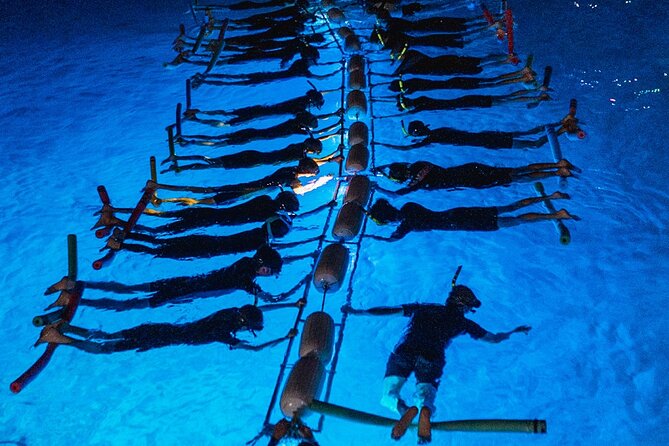
Once you’re on the manta flotation device, your job is simple: stay positioned, keep hold of the float, and watch. The plankton and light setup does the attraction work. As rays feed below, you float on the surface and observe them coming up into your viewing zone.
Because you’re holding onto the float rather than swimming, the physical effort is different. It’s not a cardio workout. It can be more of an arm and shoulder effort, especially if you grip tightly for stability when waves rise.
The crew’s guidance helps here. You’ll be taught how to hold on properly, and there are procedures designed to reduce accidental contact. One example mentioned in the experience style is that large snorkel fins should not interfere with rays, so your feet are supported on the floats to prevent gear from brushing the manta ray’s path.
You’ll also get a solid block of in-water time. Snorkel time is approximately 45 minutes. That’s enough time for the first ray encounter to shock you, then for the rest of the session to settle into something almost surreal, with multiple passes possible depending on how the manta rays behave that night.
Stack these Big Island of Hawaii options against each other
- Big Island in a Day: Volcanoes Waterfalls Sightseeing and History
★ 5.0 · 6,569 reviews - Hilo Shore Excursion: Volcanoes National Park & Black Sand Beach
★ 4.5 · 2,338 reviews - Big Island: Captain Cook Snorkel On A Power Catamaran With Lunch
★ 5.0 · 2,232 reviews - Manta Ray Night Snorkel at Kona, Big Island
★ 5.0 · 1,758 reviews
Choppy water is part of the deal, so plan like a grown-up
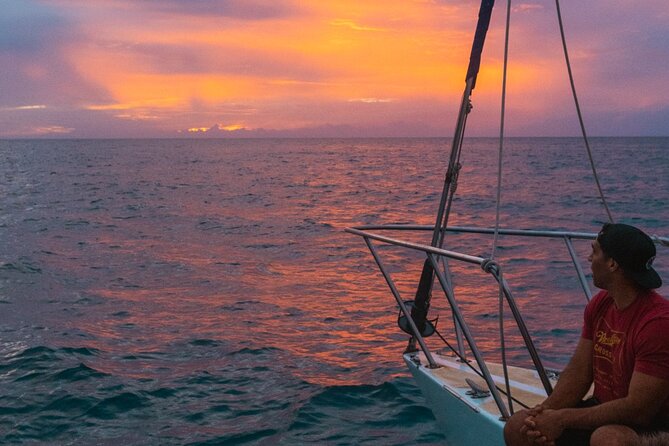
This is an evening ocean activity, so weather and water conditions matter. The tour specifically requires good weather. If conditions are poor, you’ll be offered a different date or a full refund, so you are not stuck with the plan no matter what.
That said, not every night is smooth. Some nights have choppy water, and even when the ocean is rough, the crew’s job is to keep things safe and orderly. The closer you are to the float and the staff, the more you can relax, because you’re not trying to solve the ocean by yourself.
If you get seasick, treat this as a comfort-first outing:
- Sit where you feel most stable on board, if there’s a choice
- Keep your time horizon short, because the ride to the snorkeling spot is brief
- Bring a mindset that the bouncy moments are temporary
I also like that refreshments are provided onboard, including soda/pop and varied juices, plus filtered water. Some people mention having ginger ale and chews available for feeling off, which is exactly what you want when the boat rocks a bit.
Gear, rules, and the small things that can save your night
Here’s what you can count on gear-wise. You get a wetsuit, plus a mask and snorkel. Since fins are not needed, you focus on keeping a good mask fit and using your snorkel calmly. The tour also does not allow full-face masks.
That restriction is worth knowing ahead of time, because many snorkelters assume they can bring whatever mask they prefer. Don’t pack a full-face mask expecting to use it. It’s a safety choice, and your gear needs to match it.
You should also expect chilly water at night. Even with a wetsuit, the ocean can feel cold once you’re in for a while. If you run cold easily, you’ll be happier if you dress for warmth before you gear up, then trust the wetsuit to handle the water part.
Finally, remember the float is not just a platform. It’s also your stability system. The best way to reduce shoulder fatigue is to follow the crew’s guidance for holding the float with controlled tension, not white-knuckling every wave.
Manta rays close enough to feel unreal
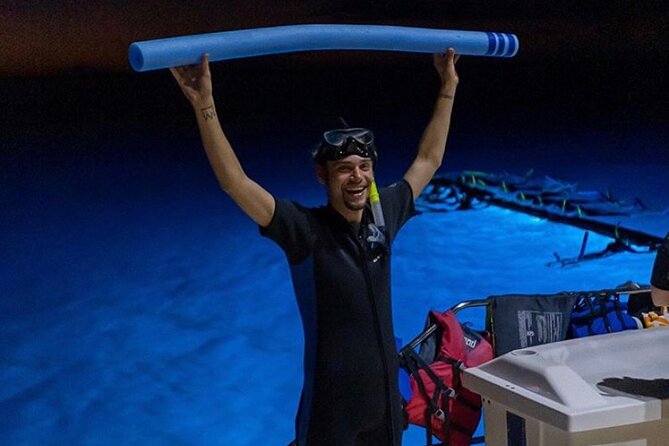
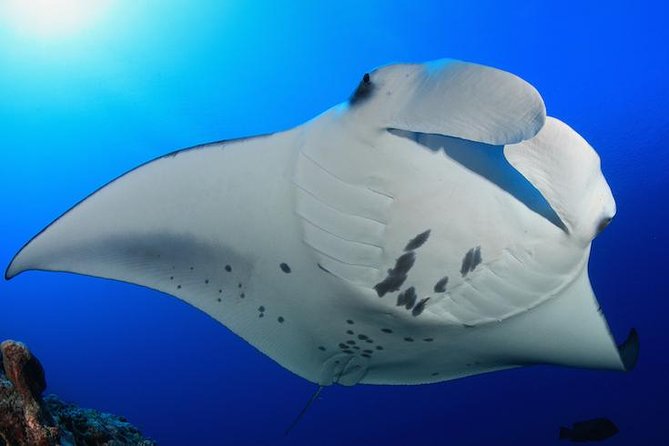
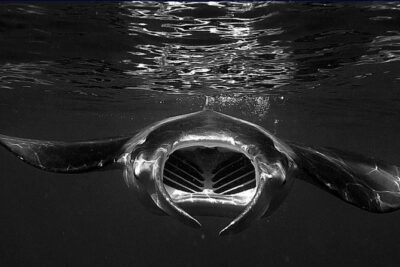
The manta rays are the whole point, and this tour is built to make that moment happen. The experience is described as manta rays coming within inches, close enough to see their graceful movement and details as they feed on plankton.
On some nights, manta numbers can be impressive, with people counting multiple rays and watching them approach. The key word is variable. Nature does not schedule itself. Some nights feature lots of mantas right away, other nights can feel slower before they move closer.
Still, the system is designed to increase your odds of a close encounter. The light attracts the plankton, plankton attracts the rays, and the float puts you in the viewing zone where rays pass regularly. That’s why this isn’t a generic snorkel tour. It’s a manta-focused setup with a lot of attention to how you experience the feeding behavior.
Also, do not touch the manta rays. That’s a clear rule, and it’s not just about safety for you. It’s also a big deal for the animals, and it helps keep the interaction respectful and controlled.
Price and value: why $141.57 might feel worth it
$141.57 per person is not a cheap impulse buy. But it starts to make sense once you price out the essentials you get here.
You’re paying for:
- A sunset cruise on a trimaran (Hokulani)
- Guided safety briefings and staff support in the water
- A wetsuit, mask, and snorkel provided
- The lit flotation setup that positions you close to manta rays
- Time built around real snorkeling, about 45 minutes in the water, plus the full activity run time of about 1 hour 30 minutes
The biggest value lever is the setup itself. If you tried to replicate this without a crew, you’d still need the right on-water access, a proper system to keep you at the surface, and staff who can guide safe entry and behavior around animals. That’s the difference between paying for a ticket and paying for expertise plus the gear system.
There’s also comfort value. The boat is described as clean and spacious, with a bathroom, and the ride is short to the snorkeling area. Those are the kind of perks that don’t sound exciting until you’re trying to keep calm before a nighttime swim.
Who should book this snorkeling with mantas at night
This is a great fit if you want an organized, close-up manta ray experience without needing advanced swimming skills. The setup is built so you float and observe rather than complete long swims.
It’s also a good choice for first-time snorkelers or first-time night snorkelers because you get step-by-step help and staff guidance during entry and time in the water. People who had never snorkeled before have described feeling comfortable once they were in the system.
Where you might reconsider:
- If you have shoulder problems, because holding onto the float for the session can be tiring
- If you’re very uncomfortable with cold water, because night snorkeling can feel chilly even with a wetsuit
- If you dislike the idea of being close to large animals, because manta rays can pass very near your face
For families, it can work well when kids are ready for a nighttime ocean setting and can follow instructions. One practical note that matters: the tour tends to favor participants who can handle the holding-on structure and stay calm with close encounters. If you’re bringing younger kids, you should think carefully about whether they can stay comfortable during the full floating period.
Quick reality check: you can’t fully control manta encounters
Even with the lit float and the feeding attraction setup, manta ray behavior is still wild ocean behavior. Some nights can be active, with mantas swimming close and showing up repeatedly. Other nights may feel slower.
The good news is that the experience format reduces the “search” problem. You are not paddling around hoping for luck. You’re positioned at the right spot, for long enough time to enjoy what happens.
If your expectations are that you’ll swim freely alongside rays for long stretches, you may feel differently than you planned. This is more float-and-watch than chase-and-splash, and that’s the tradeoff for getting close safely.
Should you book Snorkel with Manta Rays Guaranteed?
I’d book it if manta rays are your top Big Island ocean goal and you want the experience engineered for closeness, not just a generic snorkel at night. The combination of sunset sailing, a lit flotation system, and staff-led safety makes this one of the easier ways to get that magical manta moment without feeling lost.
I would skip or pick a different option if you have shoulder limitations or you know you struggle with cold, dark water. Also be honest about how you react to choppy boat conditions. If you tend to get seasick, plan for it, but remember the ride to the snorkeling zone is brief and the crew focuses on keeping people feeling supported.
If you’re ready for a controlled, close-up nighttime encounter, this tour has strong value and a strong safety vibe.
FAQ
How long will I spend snorkeling in the water?
Snorkel time is approximately 45 minutes. The overall experience is about 1 hour 30 minutes.
What snorkeling gear is included?
The tour provides wetsuits, masks, and snorkels. Filtered water is included, and soda/pop and varied juices are served onboard. Fins are not needed.
Do I need to bring my own fins?
No. The tour description says you do not need fins.
Are full-face masks allowed?
No. Full-face masks are not allowed on these tours due to safety concerns.
Where does the tour start and end?
The tour starts at Keauhou Bay, Kahaluu-Keauhou, HI 96740, USA. It ends back at the same meeting point.
What fitness level do I need?
The tour recommends a moderate physical fitness level.
What happens if the weather is bad?
This activity requires good weather. If it’s canceled due to poor weather, you’ll be offered a different date or a full refund.
Reviewed most recently around Big Island of Hawaii
- Big Island: Island Breeze Luau★ 4.0 · 733 reviews
- Night Manta Ray Experience★ 5.0 · 751 reviews
- Hawaiian Salt Farm Tour in Kona★ 5.0 · 767 reviews
- Manta Ray Night Snorkel in Kona★ 5.0 · 777 reviews
- Big Island, Hawaii: Admission to Voyagers of the Pacific Luau★ 4.0 · 790 reviews
- Sunset and Manta Ray Snorkel Adventure★ 5.0 · 843 reviews
- Big Island: 8-Zipline & Suspension Bridge Waterfall Adventure★ 5.0 · 914 reviews
- Kona’s Best Morning Snorkel: Captain Cook & Kealakekua Bay★ 5.0 · 957 reviews
Manta Ray Snorkels, compared.
Big Island: Kona Manta Ray Snorkel Tour in Keauhou Harbor
Read our review →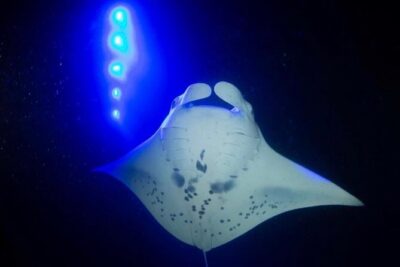
KONA Manta Ray Night Snorkel – FREE re-ride if no Sightings
Read our review →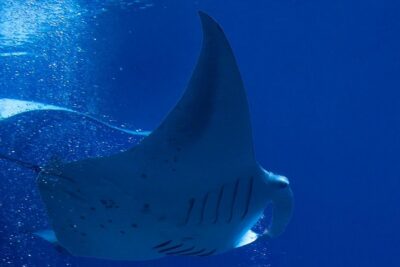
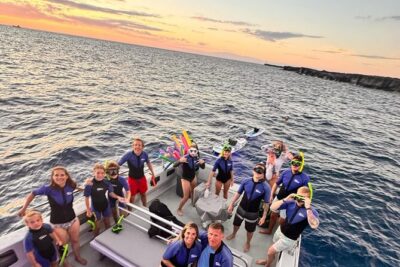
Glow of the Deep: Night Snorkeling with Manta Rays
Read our review →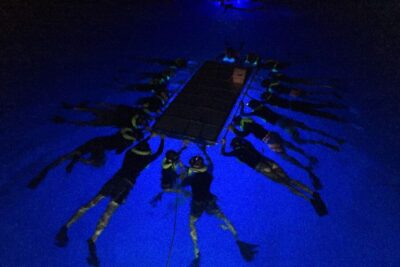
Manta Magic: Small-Group Manta Ray Night Snorkel in Kailua Kona
Read our review →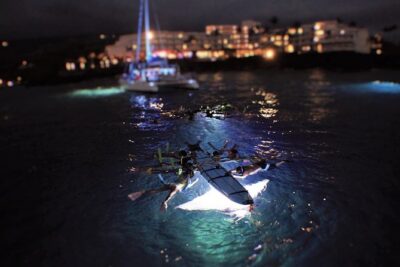
Browse the lists this tour appears in