
Reviewed · MANTA RAY SNORKELS
Manta Ray Night Snorkel at Kona, Big Island
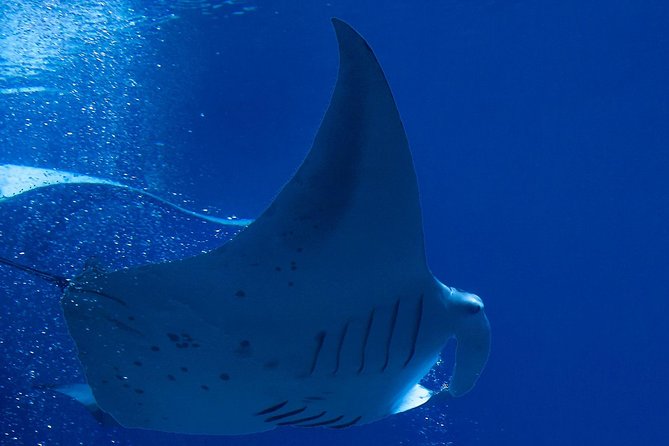
If you like wildlife but also want something you can actually feel, this manta ray night snorkel is a strong pick. After dark, Keauhou Bay turns into a feeding scene, and you get the rare chance to snorkel near large rays while spotlights do their job.
I like how this tour is built for snorkelers who want to be in the water, not just watching from a distance. I also like that you get a short-sleeve wetsuit top plus mask and snorkel, so you are not stuck buying gear or freezing. The main thing to weigh is that this is open ocean at night, so you need solid comfort in deep, dark water.
One more real-world consideration: motion can hit people hard. Even when the crew runs a smooth setup, you may still feel seasick on the boat or after you jump in, especially if ocean conditions are choppy. Also, the instructions are in English, so international travelers need to be able to understand the safety talk.
Key things to know before you go
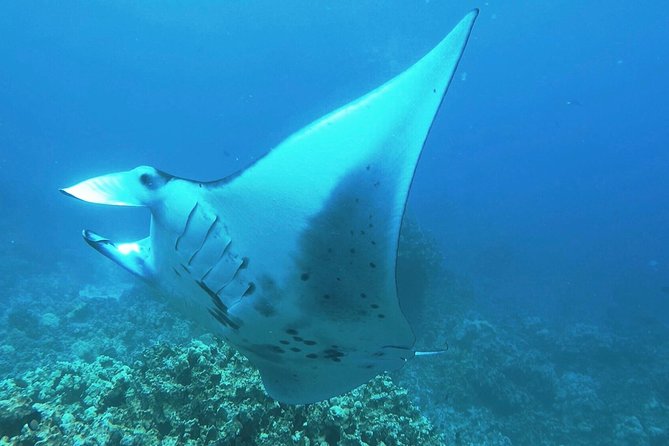
Keauhou Bay after dark is the whole point, with rays feeding close to the lighted setup
About 30 minutes in the water inside a 2-hour total tour window
Swimming and treading water are required for snorkelers, plus safe ladder entry back to the boat
No fins allowed and you snorkel with a mask, snorkel, and lighted board setup
Smallish groups (max 28) help the crew manage safety and positioning
Manta Rays After Dark in Keauhou Bay: the real payoff
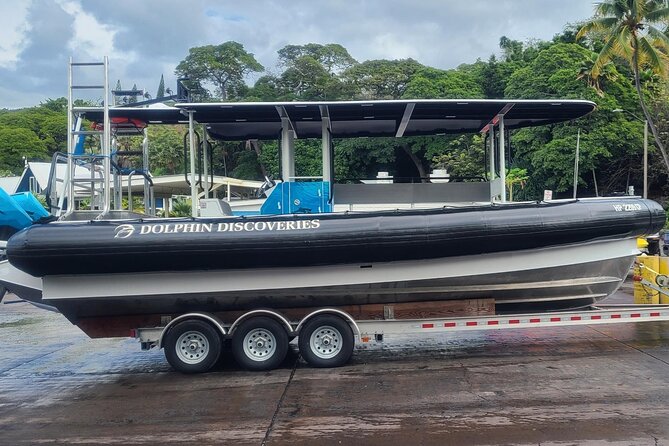
This tour is interesting because it flips the usual ocean snorkeling script. In daylight, you can swim around and hope you spot wildlife. At night, you are showing up to a predictable feeding area, and the manta rays are actively moving through it. That change in timing is what makes the experience feel so different from a typical reef snorkel.
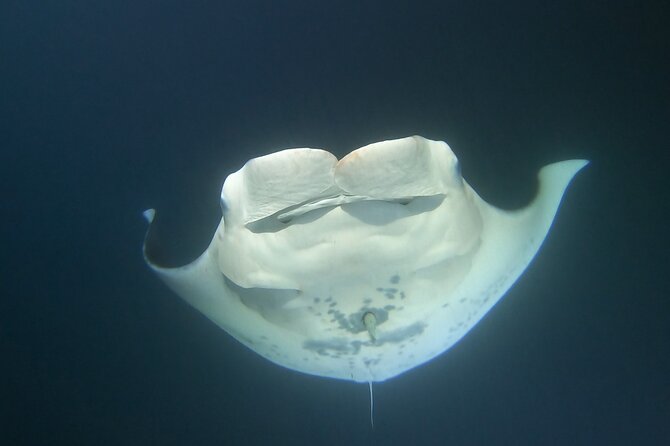
What I find especially compelling is how close the rays can get. The experience is designed so you are snorkeling in the same water space where the manta rays are feeding, often inches to a few feet away depending on the night. You are not just looking in the distance. You are watching a wild animal glide past and do its thing right below you, with the lights helping you actually see what is going on.
This is also a guided experience, so you are not alone out there trying to figure out how night swimming works. Guides help you get oriented, explain what to expect, and coach you on staying calm and in position. On nights when everything clicks, it feels almost unreal, like you are watching a movie scene that somehow includes you.
More manta ray nights:
- Big Island Manta Ray Night Snorkel
★ 5.0 · 5,656 reviews - Big Island: Kona Manta Ray Snorkel Tour in Keauhou Harbor
★ 4.5 · 2,465 reviews - KONA Manta Ray Night Snorkel – FREE re-ride if no Sightings
★ 5.0 · 2,212 reviews
Price and what $44 really buys you
At $44 per person for about 2 hours total, this is not an airline ticket kind of cost. It is an activity cost, and for that category, it sits in the value zone as long as you match what the tour requires.
You are paying for three things:
1) A night timing window in Keauhou Bay, which is when the manta rays feed
2) Crew-led snorkeling positioning near the feeding area
3) Basic gear included, including a short-sleeve wetsuit top, mask, and snorkel
Two practical notes help you judge value:
- The tour is short on purpose. You are not spending most of your time sitting on a boat, because the goal is the in-water time near the mantas.
- You should expect a small portion of the overall 2 hours to be directly in the water. Most of it is check-in, gear, brief, and moving between locations.
If you want a long, leisurely swim, this is not that. If you want a focused wildlife encounter where your time is concentrated on the best chance to see mantas, the pricing makes more sense.
Timing traps: check-in time is not departure time
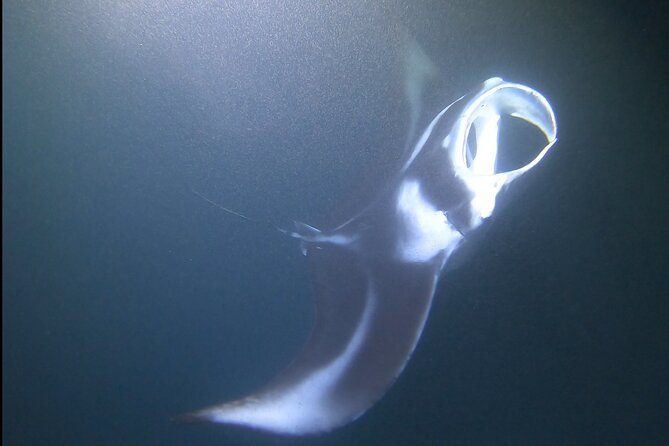
One of the biggest things to plan around here is timing. The listed tour time is your check-in time, not when the boat actually leaves. Departure is 1 hour later, and the departure location is about 1.4 miles from the check-in spot.
That means two things for you:
- Do not show up early to check-in. The team says not to arrive early, because they need to review important info and outfit everyone properly.
- Arrive at the departure location with time to spare. You must be there 20 minutes prior to departure.
Also, this tour ends back at the meeting point, so you are not dealing with confusing drop-offs. Still, the total 2-hour experience includes check-in, gear, and a brief, so be realistic about how your night schedule fits together.
Stop 1: the check-in, waiver, and gear setup that sets your night up
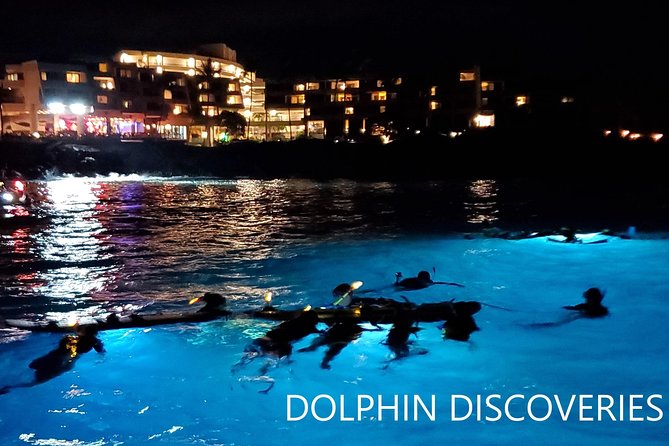
The tour kicks off at Dolphin Discoveries, at their check-in spot in Kailua-Kona (Boutique78 area on Ali‘i Drive). You are expected to sign an electronic waiver before you go. This matters because the tour is strict about safety requirements, and you will not just walk onto a boat without completing the paperwork.
Here is what you should plan for at check-in:
- Get fitted and outfitted with the included short-sleeve wetsuit top, plus mask and snorkel.
- Be ready to follow the crew’s instructions without slowing the group down.
- Make sure you have opted in to receiving emails and text from the tour team, because they may send important trip info.
You should also know what is not included. Towels are not provided, and the tour does not include hotel pick-up or drop-off. You are responsible for getting to the meeting point and then to the departure location.
And one more practical note from the vibe of the setup: the whole experience works best when you show up on time and in the right mindset. If you arrive late, you are likely to miss parts of the prep, which is a problem when everyone is heading into deep, dark water.
Stack these Big Island of Hawaii options against each other
- Big Island in a Day: Volcanoes Waterfalls Sightseeing and History
★ 5.0 · 6,569 reviews - Hilo Shore Excursion: Volcanoes National Park & Black Sand Beach
★ 4.5 · 2,338 reviews - Big Island: Captain Cook Snorkel On A Power Catamaran With Lunch
★ 5.0 · 2,232 reviews - Big Island GOAT Experience: Mauna Kea Summit, Sunset & Stars
★ 5.0 · 1,706 reviews
The boat ride to the manta area: short, but not always smooth
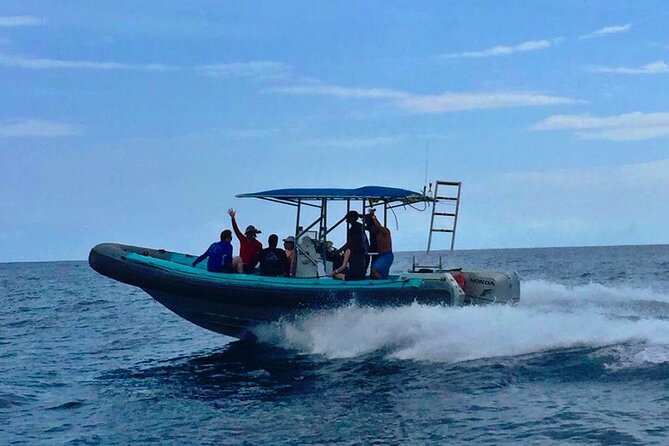
Once everyone is checked in and outfitted, you head to the harbor and then out to the manta area. The boat ride itself is usually short, but it is still open water time on a boat at night, which is when motion can surprise you.
If you are prone to seasickness, take it seriously. Some people on these trips report getting very sick even when the crew is organized. The uncomfortable part is that you are dealing with both a boat and then a water entry right after, so your body does not get much time to reset.
What I like is that the crew can help you if you are having a hard time. You may be able to return early to the boat if you need to. That flexibility is a big deal on a night snorkel, where the environment is not forgiving.
Entering the water at night: ladder access and deep, dark comfort
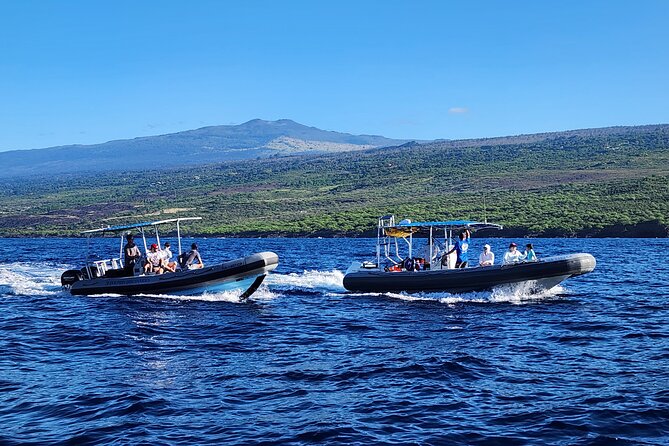
This tour is not for people who just want a calm float. It is open ocean at night, and the tour requires swimming skills. Specifically, snorkeling experience is required, and you must know how to swim and tread water.
You also need to be comfortable in deep and dark water. If the idea of dark ocean with large animals makes you nervous, this is not the place to test your bravery.
Here are two safety-related realities you should plan for:
- You must be able to climb up a metal ladder resting on a pontoon to get back into the boat.
- The tour is not for neck or back problems, and the company lists restrictions for major medical conditions or heart conditions.
A final thing that comes up in real-world readiness: young children can get scared by dark water and large animals. The tour states that children who are frightened and crying will be escorted back aboard with a guardian, with no exceptions. That is good for safety. It also means the experience is best for kids who are excited and comfortable in the ocean after dark.
Snorkeling plan: about 30 minutes, lighted board, and close manta encounters
The core of the tour is in-water time. You get about 30 minutes snorkeling near the feeding area. During that window, you are typically positioned near a lighted setup, often holding onto the device while you swim a short distance to stay with the group and keep your place.
Two details matter here:
- No fins are allowed. You snorkel without them, using mask, snorkel, and the wetsuit top to help you stay comfortable.
- Some arm strength is useful. Even when it feels manageable, you are working with a lighted board and holding position, not free-roaming like a daytime reef swim.
When manta rays arrive, the moment can be intense in the best way. People describe rays coming up very close, even at what feels like millimeter distance at times. You can also expect multiple rays on many nights, though visibility is not guaranteed. This is wildlife, and you cannot control behavior.
If you are trying to take photos or video, plan how you will split your attention. Some people end up spending extra time fiddling with their camera and then feel like the in-water time went by too fast. The snorkeling window is short, so keep your focus on staying oriented and present, then capture after you know you are locked in.
Wild animal reality: what you can control and what you cannot
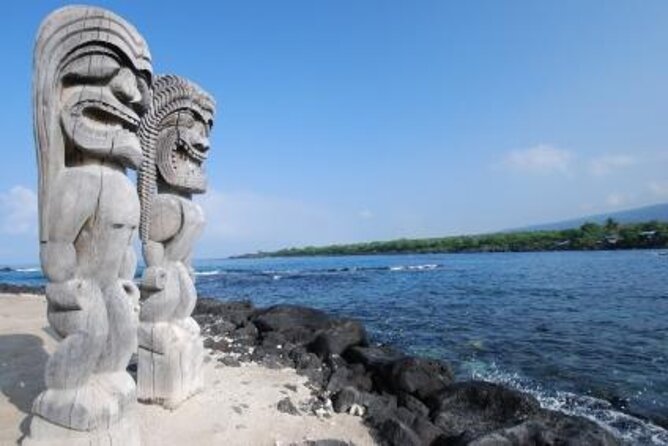
This tour is a wild and free excursion. That phrase matters because it sets expectations. Manta rays are wild, so their behavior is not predictable, and the company cannot promise a manta viewing on every departure.
The upside is that you are going to a spot where manta rays feed, and when you get the right night, it is a close-up experience you will not forget. The downside is also real: there are no refunds given if you do not get to view mantas the night of your tour.
That is why you should decide if you are the type of person who can accept a nature-based outcome. If you can handle the possibility of leaving without the manta encounter, you will still enjoy the effort and the crew work. If you need a guaranteed sighting, you should be aware of how wildlife tours work.
Also remember that night ocean conditions can be rough. Some people report rough water that makes it more challenging to snorkel. That is part of the open-ocean reality.
Ride Along option: the safety-first choice if you want the boat view
Not everyone should snorkel at night in deep water. If you are more comfortable staying on the boat, you can choose a Ride Along option. Ride Alongs stay on the boat and may or may not see manta rays, because the rays can move around.
In value terms, this option still gives you a chance to be there without the swim and treading requirement. It also means you avoid the ladder climb and the in-water holding position. The trade-off is you are not in the water with the rays.
The company also frames Ride Along as a paid ticket with a reserved seat on the boat at a discount. If you are traveling with someone who wants the experience but does not meet snorkeling comfort needs, it can be a practical compromise.
Crew and guide style: how guides make first-timers feel safe
What consistently comes through is that the crew runs this with strong safety communication and a calming presence. Many people call out the guides for being communicative and helpful, especially for first-time snorkelers and families.
Several guide names get singled out in accounts: Vinny, Bryce, and Brianna. People describe these guides as knowledgeable and supportive, with a clear focus on getting everyone ready to enter the water and stay safe once there.
Two small things I think are the secret sauce:
- The crew often identifies people who are not doing well and offers help, rather than pretending everyone is fine.
- The group stays managed, so you are not left drifting and guessing what to do in the dark.
If you get anxious in the water, choose a calm, cooperative attitude. The guides can do a lot, but they still need you listening and following safety instructions, since this is deep and dark ocean with large animals.
Motion, comfort, and the packing list I would not skip
This tour is built for nighttime wildlife, not for lounging. So I recommend you prepare your body and your gear needs the way you would for any ocean activity where you might get wet and possibly feel sick.
Here is what you should do, based on what actually helps people:
- Bring a change of clothes. Even with wetsuit tops, you can end up damp and you will be walking back to your car in the dark.
- Plan for no towels on board.
- Expect no restroom facilities on the boat. Use what you can before you go.
- Wear and pack with the understanding that you may have to walk a bit from nearby parking to the boat ramp and then back again.
- If you are sensitive to motion, consider taking seasickness precautions in advance. Even on well-run trips, some people still get very seasick.
One more gear note: the tour provides a snorkel vest for children 12 and under, and snorkel vest rentals are available for others. That means you should still plan to follow the crew’s equipment guidance once you arrive.
Who this is for, and who should skip it
This is a great match for:
- Animal lovers who want a real wildlife encounter, not a zoo-style viewing
- Snorkelers who are comfortable in deep water and can follow safety instructions in the dark
- Families with kids who are okay with nighttime ocean and can comply with instructions
It is a poor match for:
- Anyone afraid of deep water, dark water, or large animals
- People with neck or back problems
- People with major medical conditions or heart conditions
- People who cannot climb the ladder back onto the boat
- Anyone who cannot swim and tread water, or who lacks snorkeling experience
There are also age limits: minimum age is 6, maximum age is 70. There is a weight limit too, listed at under 285 lbs. The group size is capped at 28, which is not huge and helps with managing safety.
And one more practical item for international travelers: you must speak and understand English, since the safety talk and trip communication are in English.
Should you book this manta ray night snorkel with Dolphin Discoveries?
I think you should book if you want a short, high-impact wildlife night where your time is focused on the manta feeding zone. The included wetsuit top, mask, and snorkel lower friction, and the crew-centered safety approach is a big part of why so many people rate the experience highly.
You should pause and think twice if you do not like the idea of deep, dark open ocean, or if you get seasick easily. This is also not a casual sit-and-watch trip unless you choose Ride Along, and even then your view is not guaranteed.
My simple decision rule:
- If you can swim well and you are comfortable snorkeling at night, book it.
- If you are unsure about dark water or your body handles boats poorly, choose Ride Along or skip the snorkeling part of the experience.
FAQ
Is the check-in time the same as departure time?
No. The tour times listed are check-in times. Departure is 1 hour later.
How long is the tour, and how much time do I spend in the water?
The tour is about 2 hours total including check-in, gear, and brief. You should expect around 30 minutes in the water.
Do I need snorkeling experience and strong swimming skills?
Yes. Swimming and snorkeling experience are required. You must know how to swim and tread water.
What snorkeling gear is included?
You get a short-sleeve wetsuit top, plus mask and snorkel. Snorkel vests are provided for children 12 and under, and a snorkel vest can be rented for others.
Are fins allowed?
No. No fins are allowed.
Can I stay on the boat instead of snorkeling?
Yes. You can select a Ride Along option, which keeps you on the boat. Ride Alongs may or may not see manta rays.
What are the age and weight limits?
The minimum age is 6, and the maximum age is 70. There is also a weight limit of under 285 lbs.
Do I need to be able to climb back onto the boat?
Yes. You must be able to climb up a metal ladder resting on a pontoon to get back in.
Is there a restroom available on the boat?
No. Restroom facilities are not available on the boat.
If the tour is canceled or we do not see manta rays, is there a refund?
The company says no refunds are given if you do not get to view manta rays the night of your tour. If the experience is canceled due to poor weather, you will be offered a different date or a full refund. For cancellations by you, you can cancel up to 24 hours in advance for a full refund.
Reviewed most recently around Big Island of Hawaii
- Big Island: Island Breeze Luau★ 4.0 · 733 reviews
- Snorkel with Manta Rays Guaranteed★ 5.0 · 738 reviews
- Night Manta Ray Experience★ 5.0 · 751 reviews
- Hawaiian Salt Farm Tour in Kona★ 5.0 · 767 reviews
- Manta Ray Night Snorkel in Kona★ 5.0 · 777 reviews
- Big Island, Hawaii: Admission to Voyagers of the Pacific Luau★ 4.0 · 790 reviews
- Sunset and Manta Ray Snorkel Adventure★ 5.0 · 843 reviews
- Big Island: 8-Zipline & Suspension Bridge Waterfall Adventure★ 5.0 · 914 reviews
Manta Ray Snorkels, compared.
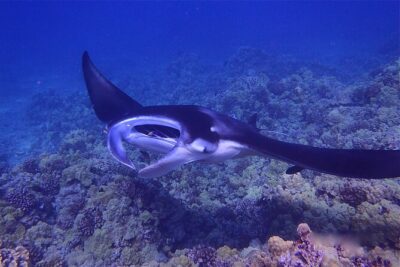
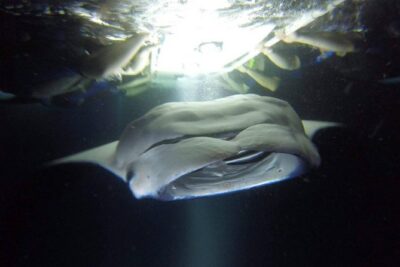
Big Island: Kona Manta Ray Snorkel Tour in Keauhou Harbor
Read our review →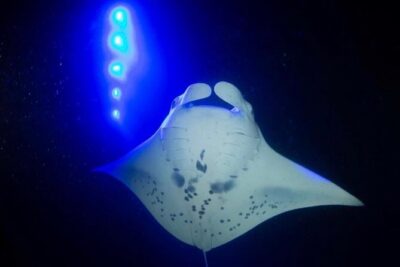
KONA Manta Ray Night Snorkel – FREE re-ride if no Sightings
Read our review →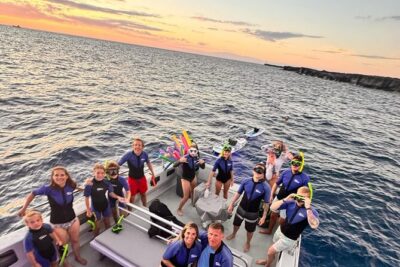
Glow of the Deep: Night Snorkeling with Manta Rays
Read our review →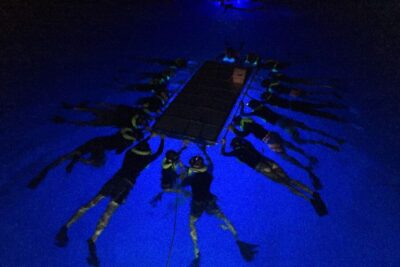
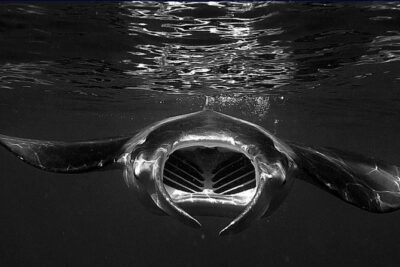
Manta Magic: Small-Group Manta Ray Night Snorkel in Kailua Kona
Read our review →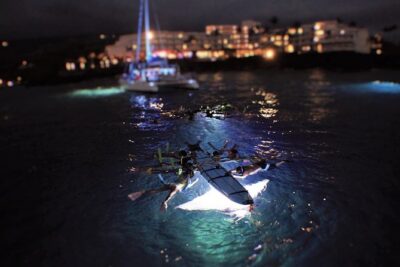
Browse the lists this tour appears in