
Reviewed · MANTA RAY SNORKELS
Manta Ray Night Snorkel Kona – Coral Reef Snorkel Adventures
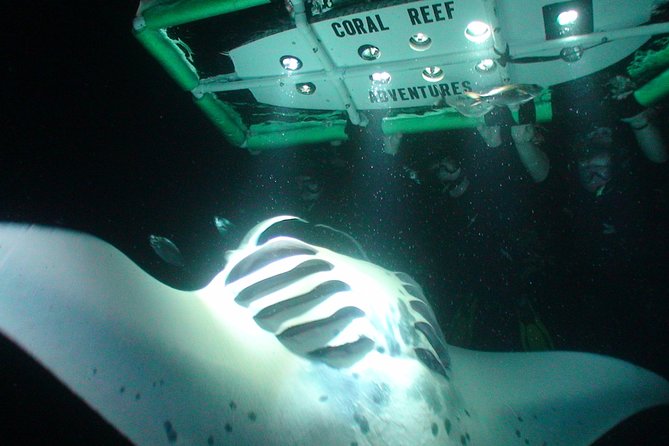
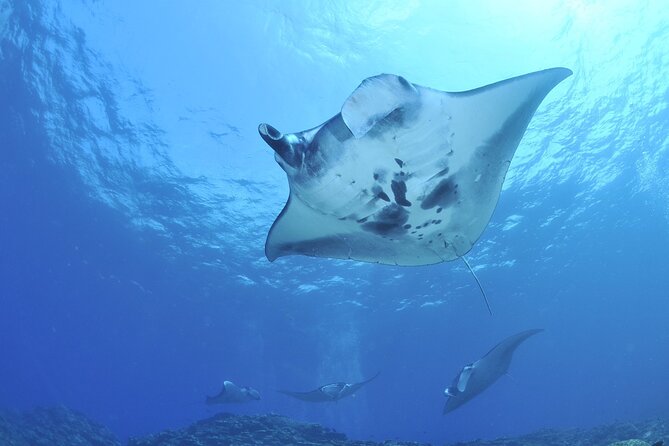
Manta rays at night are one of those Hawaii moments that feels almost unreal, because you get to watch these giants cruise in close as they feed. This Manta Ray Night Snorkel Kona experience is interesting for a simple reason: the action happens around a lit board that pulls plankton toward the surface.
I love the focus on getting you close without wrecking the marine moment, especially with the lightboard setup and the way the guide helps you swim safely. I also like that it is small-group friendly in practice, with a tight crew vibe and guides you might recognize from past trips like Jacob or Jeff. One thing to consider, though, is that the boat ride can feel bumpy, and some people get seasick.
Key Things I’d Want You to Know Up Front
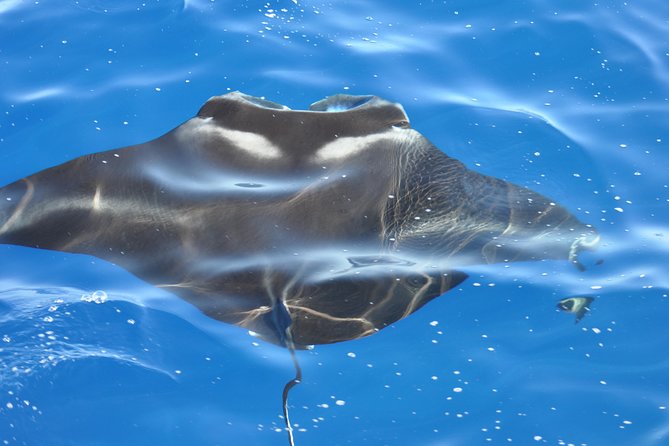
- More than 90% manta spotting odds, because the timing and plankton feeding pattern are built into the plan
- Lightboard viewing from very close range, where rays glide under the surface and sometimes cruise near your holding position
- Small-boat feel with a real guide, which helps you get tips fast and correct your form before you start floating
- A short, structured swim window (often around 30 to 45 minutes) so you stay focused and not exhausted
- Rough-water risk is real at night, so plan for motion and bring your calm body skills
- Snacks and non-alcoholic drinks are included, though the timing is typically after the swim
Why Kona’s Night Manta Snorkel Setup Feels So Different
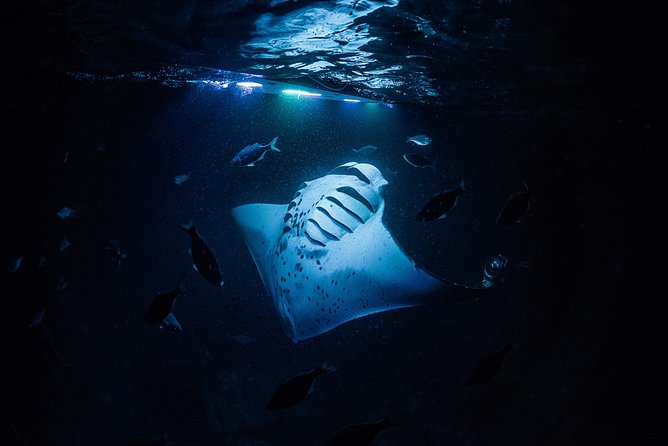
Night snorkeling on the Big Island is not just a gimmick. Manta rays tend to be more active in the evening, and this trip builds the schedule around that window. You are not wandering around hoping. Instead, you head out after dark and then do the swim near an area where manta rays feed on plankton drawn upward.
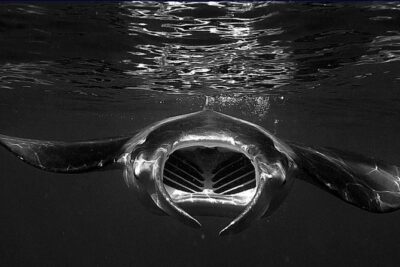
The practical magic is the lightboard. You watch the manta rays feeding as plankton collects around the glow, and that creates the kind of predictable “show up here” pattern that makes close sightings more likely. If you care about value, this matters, because seeing mantas is the whole reason you are paying.
The second big reason this works is how the guides manage your movement. The goal is simple: get you close enough to feel the moment, while reducing the chance of stress for the animals. That is why you get clear instruction on how to hold position and how to swim without chasing.
More manta ray nights:
- Big Island Manta Ray Night Snorkel
★ 5.0 · 5,656 reviews - Big Island: Kona Manta Ray Snorkel Tour in Keauhou Harbor
★ 4.5 · 2,465 reviews - KONA Manta Ray Night Snorkel – FREE re-ride if no Sightings
★ 5.0 · 2,212 reviews
Getting Started at Coral Reef Snorkel Adventures, Then Heading to the Boats
Check-in starts at Coral Reef Snorkel Adventures, at 74-425 Kealakehe Pkwy in Kailua-Kona. From there, your guide meets your group and escorts you to the small boat operation area at Honokohau Small Boat Harbor.
This matters more than it sounds. You are dealing with evening timing, and a smooth handoff from meeting point to boat keeps the whole trip from turning into a rushed scramble. It also means you can get briefed before you ever get on the water.
You should also know what you are likely to do once you are aboard. One review described removing shoes/aqua socks and storing personal items in a dry cabinet for the trip. In plain terms: keep what you need accessible, and expect to get a little wet anyway.
The Boat Ride: Stars, Speed, and the Bumpy-Water Reality
The trip is about 1 hour 30 minutes total, including time on the boat. After you set sail after dark, you head toward the manta ray viewing area and then you jump in.
Here is the honest part. Several people noted that the ride out can be rough and fast, with an especially bumpy first stretch. Some guests even chose not to enter the water because the motion hit hard. One person mentioned that their group included people who got sea sick, and another said the boat rocks a lot if you are prone to motion discomfort.
If you get seasick easily, plan ahead. Talk to a healthcare professional about prevention options, and consider bringing whatever motion-sickness remedy you trust. Also, choose your seat with care if you have an option, and try to keep your eyes on the horizon.
The flip side is that the ride can be part of the charm. People also described a fun boat outing with beautiful night sky views. So yes, it can be choppy, but it is not all misery. It just needs respect.
The Lightboard Snorkel: How You Get Close Without Hurting the Moment
Once you arrive at the sweet spot, the staff helps you with masks and other essentials. Then you get into the water and position yourself near the lightboard. This is the part that makes the manta encounter feel personal.
The feeding pattern is the key. You can watch manta rays cruise and feed on plankton drawn to the board. Many sightings happen close enough that you feel like they are in your space, even when you are careful not to touch. One review described mantas spinning and swimming under the board just inches from the snorkelers holding the bars.
Your guide will likely give you a simple setup for holding position. One guest noted a “Superman” style hold while floating and hanging on to the lightboard bars for around 30 minutes. That is not hard for everyone, but it is worth flagging. If you have upper-body limitations, plan on feeling your shoulders.
A few small tips can help:
- Keep your grip steady but not death-tight. One reviewer warned that tensing up makes your shoulders sore for days.
- If your guide is talking from the surface, you may want to keep your head up enough to hear instructions and facts. One person said submerging your entire head meant missing the guided info.
- Expect some wave movement once you are in. You might get bumped around a bit, so keep your body relaxed and adjust with small movements.
And if you do have knee issues, take note. Reviews mentioned that climbing back up the ladder into the boat can be tricky for some people. Go slow, ask for help when needed, and wear gear that does not slip.
Stack these Big Island of Hawaii options against each other
- Big Island in a Day: Volcanoes Waterfalls Sightseeing and History
★ 5.0 · 6,569 reviews - Hilo Shore Excursion: Volcanoes National Park & Black Sand Beach
★ 4.5 · 2,338 reviews - Big Island: Captain Cook Snorkel On A Power Catamaran With Lunch
★ 5.0 · 2,232 reviews - Manta Ray Night Snorkel at Kona, Big Island
★ 5.0 · 1,758 reviews
How Long You’re Actually in the Water (and Why That Timing Works)
The swim itself is not a marathon. People described about 30 to 45 minutes in the water watching mantas around the board. That timing is built for attention, not endurance.
For you, that means two things:
- You will have enough time to see repeat passes, not just one quick sighting.
- You avoid getting so cold or tired that your form changes, which is better for both you and the ocean.
One guest mentioned they had a stronger showing around a 45-minute observation window, with multiple mantas under them. That is typical of why the lightboard approach is so effective, it creates a focused viewing zone.
Group Size: Small Boat Intimacy vs the Maximum Headcount Reality
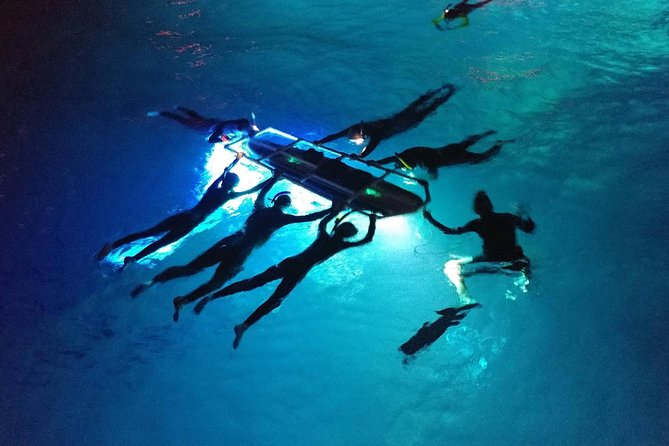
The tour is marketed as a small-group experience, and the highlight calls out a maximum of six people. At the same time, the operating limit in the provided details is a maximum of 12 travelers, and that shows up in real-world experiences.
So here is the practical way to think about it. Even at the higher end, you are still on a small boat compared to huge daytime operations. But if you pay extra for a true “six-person” feel, manage expectations. I would treat “small” as a range that depends on departure and day-of conditions.
This also affects the water experience. One review mentioned that other manta ray tours were running simultaneously and that feet could bump with other groups. If you are sensitive to space, go in calm, accept some contact risk, and focus on your own position rather than trying to control everything around you.
Guides, Safety, and the Human Part of the Show
The guide team is where this tour turns from wildlife spotting into something you remember. Multiple people credited specific guides by name, including Jacob, Jeff, Erika, Kody, Captain Louie, Captain Alexis, Danny, and Adam.
What they seemed to do well:
- Explain how manta rays behave and what you are looking for
- Give quick, practical safety cues so you do not disturb marine life
- Keep the vibe upbeat, even when conditions are rough
One review said the captain made them feel safe, which is exactly what you want to hear when you are about to get in at night. Another guest praised the guides for accommodating a bad knee, taking time to help with boarding.
Also, if you are nervous before you get in, you should know the staff is used to that. They tend to focus on reassurance and instructions, not just “good luck out there.”
Snorkel Gear, Towels, Wetsuit Warmth, and What to Pack
Snorkeling equipment is included, which saves you from renting or buying basics. What is not included is a towel, so pack one.
Warmth is a real factor at night. One guest noted being cold even with a wet-suit jacket. Another mentioned cold on the return boat ride. Since the tour is at night and you are in the water for a chunk of time, bring a mindset of temperature management.
Also, this trip has clear physical requirements:
- You should have moderate physical fitness
- You must be able to swim without assistance from flotation devices
- There is a maximum weight of 280 pounds per traveler
- It is not recommended for travelers with neck problems
Before you book, be honest with yourself. If you cannot swim confidently in open water, this is not the moment to test that. If your neck flares easily, night gear and positioning could make things worse.
Sightings: What the 90% Odds Actually Mean for You
The highlight promise is a more than 90% chance of spotting manta rays. That is strong odds, and it is supported by many “we saw multiple rays” stories.
But no ocean is a guarantee. One review said they did not see mantas on that specific outing and were offered another attempt. That tells me the operator expects imperfect conditions sometimes and tries to make it right.
If manta sighting is at the top of your list, I recommend you schedule this earlier in your trip if you can. That gives you room to retry if conditions or timing do not cooperate. If this is your only night on the island, go in prepared for the possibility that the ocean might not perform exactly on schedule.
Value: Is $125 Worth It in Real Terms?
At $125 per person, this is not a cheap add-on. But I think it is value when you compare it to two realities:
- Night manta snorkeling is a once-in-a-big-life experience. The chance of seeing “the giant” up close is the product.
- You get more than basic spotting. You get a guided setup, a lightboard viewing approach, and snacks plus non-alcoholic drinks.
Small-group time also has value. Even if the headcount can be up to 12, you are not fighting crowds in the water. That often means you get better guidance and clearer positioning.
The main cost-risk is motion and comfort. If rough water knocks you out of the water, you lose the whole point. That is why choosing the right day, bringing motion prevention, and being realistic about your physical comfort matters as much as the price.
Who This Kona Night Snorkel Fits Best
This is best for people who want a close-up wildlife experience with structure. I would put it at the top of the list for:
- Couples and families who want a “wow” activity that is not all-day exhausting
- Swimmers who can handle open water at night
- Anyone who likes guided animal behavior explanations and wants to know what they are seeing
It is less ideal for:
- People who get seasick easily, without a plan
- Anyone with limited ability to hold position and float for an extended period
- Travelers with neck problems, based on the tour’s guidance
- Guests who are not comfortable climbing back into the boat ladder
Quick Reality Check: Should You Book?
If you can swim confidently, tolerate night water, and you are okay with the possibility of a rougher ride, I think you should book this. The mix of timing, lightboard feeding, and strong manta sighting odds is exactly what makes this worth the money.
But if motion sickness is a frequent issue for you, treat this as a bigger decision. Bring prevention options, sit with care if you have a choice, and be mentally ready that some people end up not getting into the water when conditions feel too intense.
If manta rays are your must-see, schedule it early in your Kona time so you have flexibility. Otherwise, commit with confidence, pack the towel, and listen closely to your guide right before you hit the water. That is when the whole show starts.
FAQ
How long is the Manta Ray Night Snorkel in Kona?
The tour is about 1 hour 30 minutes.
Where do I meet for the tour?
The meeting point is Coral Reef Snorkel Adventures at 74-425 Kealakehe Pkwy, Kailua-Kona, HI 96740. The activity ends back at this meeting point.
Do I get snorkeling gear?
Yes. Snorkeling equipment is included.
Do I need to bring a towel?
Yes. A towel is not included, so bring your own.
What is the manta ray sighting chance?
The tour highlights a more than 90% chance of spotting manta rays in their natural habitat.
How big is the group?
The provided details list a maximum of 12 travelers for the activity.
Can I swim without flotation devices?
You must be able to swim without the assistance of a floatation device.
What physical limits should I know about?
You should have a moderate physical fitness level. The tour is not recommended for travelers with neck problems, and there is a maximum weight of 280 pounds per traveler.
What happens if the tour is canceled?
Free cancellation is available up to 24 hours in advance for a full refund. The experience requires good weather, and if canceled due to poor weather, you’ll be offered a different date or a full refund. If a minimum number of travelers is not met, you’ll be offered a different date or a full refund.
Reviewed most recently around Big Island of Hawaii
- Kealakekua Bay Captain Cook Snorkel Exclusive★ 5.0 · 380 reviews
- Manta Ray Night Snorkel Tour in Kailua-Kona, Big Island★ 5.0 · 382 reviews
- 3.5 Hour Kailua-Kona Ocean Kayak and Snorkel Tour★ 5.0 · 384 reviews
- Hawaii Volcanoes, Waterfalls, Beaches & Hilo Highlights Day Tour★ 5.0 · 391 reviews
- Small-Group Snorkel at Kealakekua Bay in Captain Cook, Big Island★ 5.0 · 396 reviews
- Waikoloa Signature Catamaran Sunset Sail★ 4.5 · 396 reviews
- Kona Walking Food Tour★ 5.0 · 402 reviews
- Big Island Southside ATV Tour★ 5.0 · 405 reviews
Manta Ray Snorkels, compared.
Big Island: Kona Manta Ray Snorkel Tour in Keauhou Harbor
Read our review →
KONA Manta Ray Night Snorkel – FREE re-ride if no Sightings
Read our review →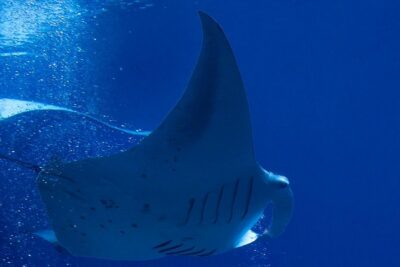
Glow of the Deep: Night Snorkeling with Manta Rays
Read our review →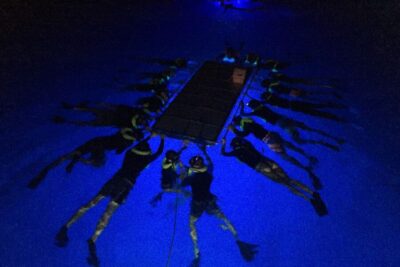
Manta Magic: Small-Group Manta Ray Night Snorkel in Kailua Kona
Read our review →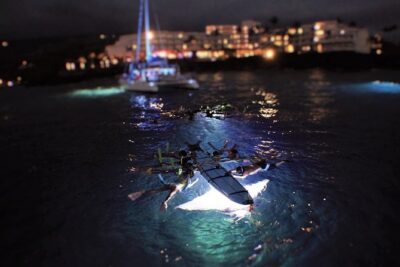
Browse the lists this tour appears in