
Reviewed · HISTORICAL TOURS
Philadelphia: Revolution and The Founders History Tour
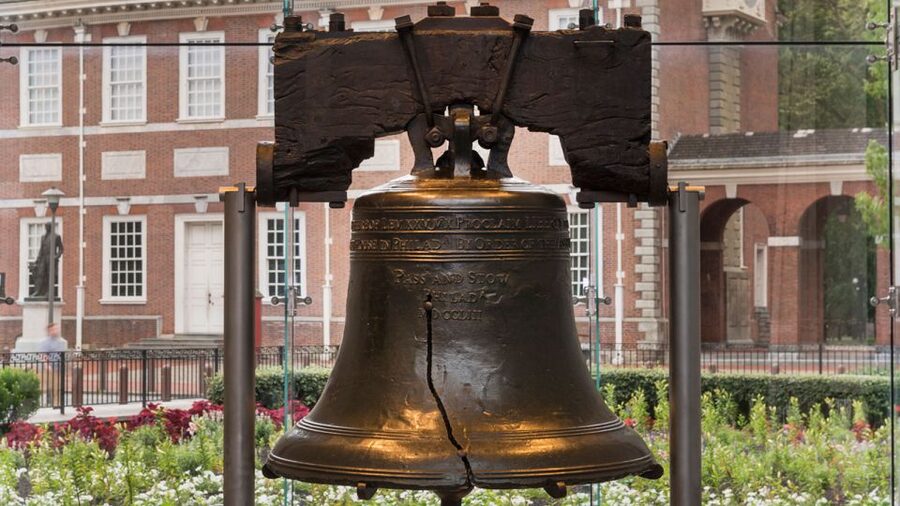
Revolutionary Philadelphia can feel like a list of plaques. This 2-hour walking tour turns it into a timeline, with major stops like Liberty Bell and the streets that shaped independence. You walk, you connect the names to places, and you start to see the city as part of the story, not just the background.
I love two things most: the way the guide ties big figures to the exact blocks you’re standing on, and the chance to ask questions as you go. Guides such as Wendy and Kyle are often praised for keeping the walk lively and clear. One possible drawback: this is mainly an outdoor sites tour, and Independence Hall interiors are not included, so you’ll need separate timed entry if you want inside access.
Key things that make this tour worth your time
- A historian guide-led route that connects Revolutionary sites into one logical story
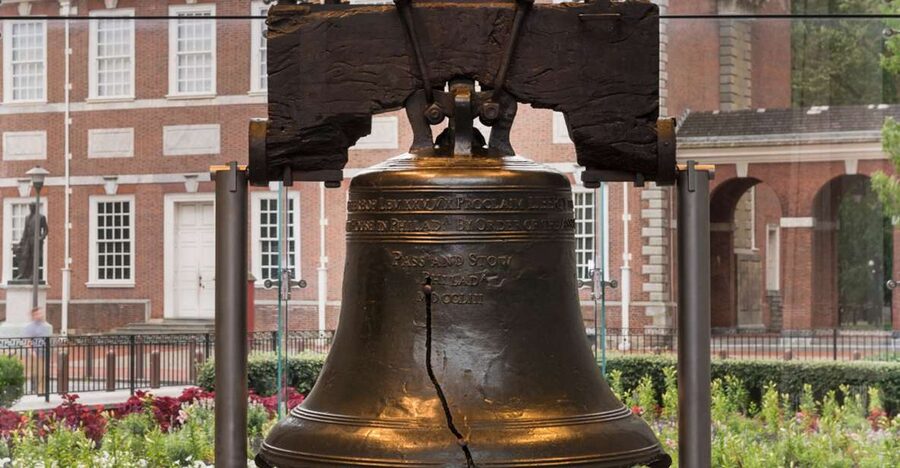
- Liberty Bell plus major founding sites you’ll recognize right away
- Real question time so you can get answers while the details are fresh
- Walking schedule built for 2 hours, so you get a lot without spending your whole day in line
- A free podcast to help you refresh what you learned after the tour
- Rain or shine means you can plan without guessing the weather
Revolutionary Philadelphia on foot: a 2-hour timeline you can feel
This is the kind of tour I like best in old cities, not because it adds facts, but because it helps you organize them. In Philadelphia, the American Revolution shows up everywhere, but it can be hard to place each site in your head when you’re wandering alone.
Here, you get a guided flow. You start near the heart of the National Park area, then move through the core Revolutionary landmarks tied to the men and ideas you’ve heard about in school. The guide keeps pulling the story forward, so stops like Washington, Franklin, Hamilton, and the Continental Congress do not feel like random trivia. They feel like steps in a real process.
And at $29 per person for a full 2 hours with a live guide and a free podcast, the value is solid. You are paying less than you would for a single major museum ticket, but you get context that makes all those famous places easier to understand.
More Historical Tours in Philadelphia:
- Revolution and the Founders: History Tour of Philadelphia
★ 5.0 · 2,944 reviews - Philadelphia Old City Historic Walking Tour with 10+ Top Sites
★ 5.0 · 2,020 reviews - 2.5 Hour Philadelphia History Tour with Washington War Tent Show
★ 5.0 · 924 reviews
Where you start at Independence Visitor Center (and how to avoid the confusion)
You begin at the meeting point outside the Market Street doors of the Independence Visitor Center. That matters, because this tour is timed and walking starts right away.
A practical tip: if you’re standing at the front of the main entrance area, you’re generally in the right zone. Some instructions for side-door meeting points can be confusing in a busy building, so I’d aim for the most obvious, main public entrance area along Market Street to avoid losing a few minutes.
Bring a comfortable pair of shoes. You’ll be on your feet for the full experience, and the route is designed to keep moving.
The big name trio: Liberty Bell, Independence Hall area, and what you should expect
The tour is built around the Revolutionary icons you came to see. The Liberty Bell is the headline stop, and it’s the kind of place where context helps a lot. You’re not just looking at a famous object. You’re learning how it fits into the political and public message of independence.
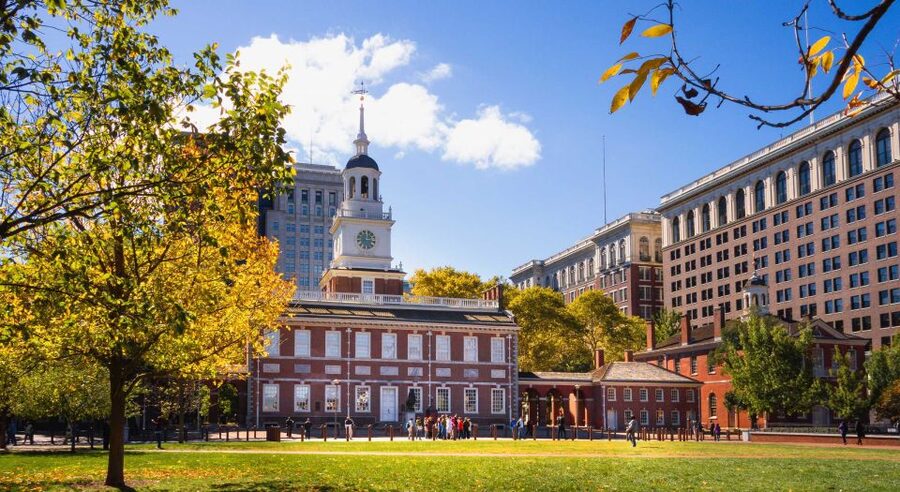
Independence Hall is also part of the story. Here’s the key practical detail: the tour does not include the timed-tickets entry for Independence Hall interiors. So plan to see the building area and learn the background, but if inside access is a priority for you, you’ll want to add tickets separately.
That setup is not a dealbreaker. It can actually work in your favor. You can keep the tour moving, keep the guide’s storyline intact, and then decide on a timed-entry visit after, once you know what specific moments matter to you most.
George Washington’s connection in the streets, not just in textbooks
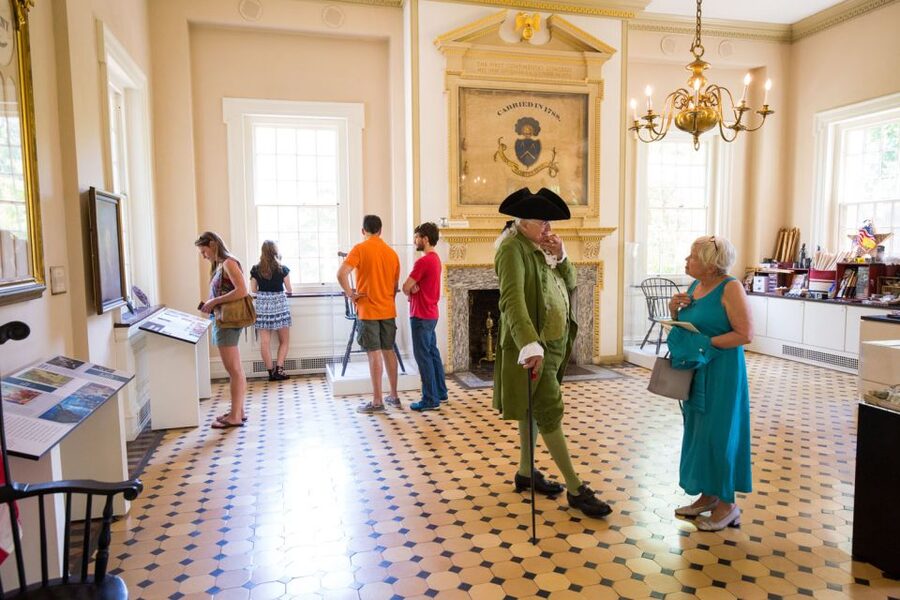
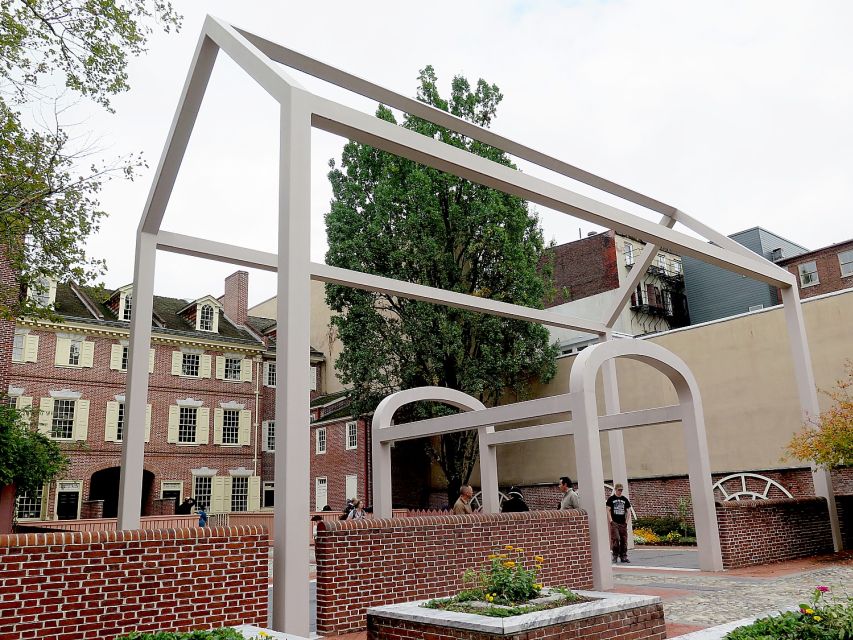
Washington shows up in a very grounded way on this tour. You visit the home site connected to George Washington, and the guide connects that physical location to the leadership and decision-making that shaped the new nation.
This is where a walking tour beats self-guided apps. When you hear the name Washington, you may think mostly about battles and presidents. On this tour, you see a different angle: the Revolutionary era as a chain of logistics, messaging, and governance. The streets you walk help the guide explain how political power was built in real neighborhoods.
If you like history that feels human, this part often lands well because the guide can explain why Washington and his circle mattered to events happening at the same time, not just years later.
Stack these Philadelphia options against each other
- Dark Philly Adult Night Tour
★ 5.0 · 4,241 reviews - Philadelphia Hop-On Hop-Off City Tour
★ 4.0 · 2,347 reviews - The Constitutional Walking Tour of Philadelphia
★ 4.5 · 902 reviews - Philadelphia: Eastern State Penitentiary Admission
★ 4.7 · 894 reviews
Franklin and Hamilton homes: the Revolution as brains, printing, and persuasion

One reason Philadelphia stands out is how many founding ideas came through writing, meetings, and public persuasion. The tour hits Benjamin Franklin’s and Alexander Hamilton’s home connections, which is an efficient way to understand how different skill sets fueled independence.
Franklin’s story tends to come alive when the guide connects him to communication. You are not just learning that he was influential, you’re seeing how a real person used tools like information, networks, and practical thinking.
Hamilton often adds the sense of motion. Even if you already know his later role, the tour places him in the Revolutionary era context so he feels less like a distant figure and more like someone operating in the thick of the argument.
This is also where the free podcast can help. If you want to review what you heard, it gives you a second pass without dragging your feet back across downtown.
Continental Congress and the arguments that shaped new rules
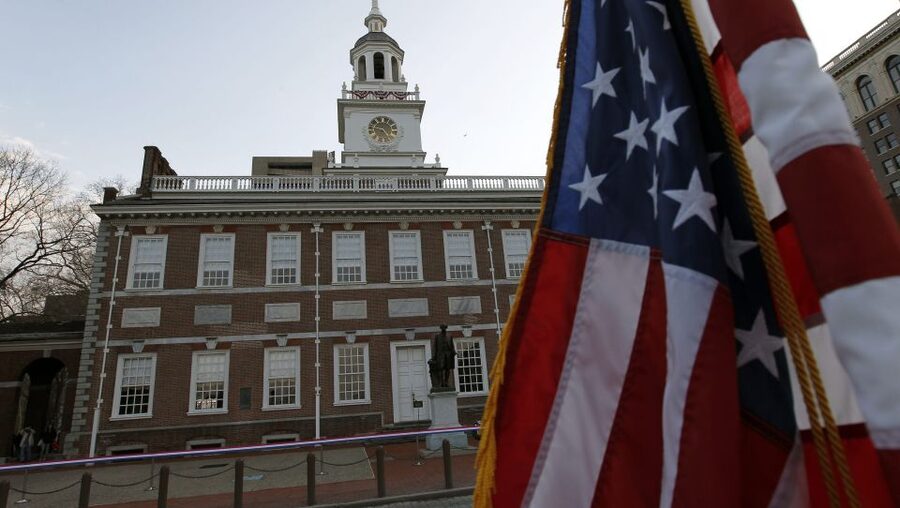
A key stop is the site of the Continental Congress. This is the place where the Revolution stops being just an uprising and becomes a government-in-progress.
The guide uses this moment to connect major figures tied to the era, including James Madison, and writers and debaters like Thomas Paine and Patrick Henry. When you’re walking, those names become easier to remember because they are linked to a location where policy and rhetoric mattered.
This segment is also great for people who like political history more than battle history. It helps you understand the Revolution as conflict over ideas: how authority should work, how laws should get made, and what people were trying to accomplish beyond winning a fight.
Paul Revere and other Revolutionary figures: why the guide keeps naming them

The tour also folds in other Revolutionary figures, including Paul Revere and additional founders connected to the period. The point is not to turn it into a who’s-who list.
Instead, the guide uses these names as anchors. When you hear Revere, Madison, Paine, or Henry, the guide ties them to the kind of role they played, then reconnects that role to the places you’re standing near. That is how the information stays in your head after you stop walking.
If you enjoy asking questions, this is the easiest time to do it, because the guide is talking about decision points and real public debates, not just general background.
How the guides run the tour: interactive, fast-moving, and question friendly

The best thing about this experience is the live human part. The tour is designed so you can ask questions about the founding era, and the guide answers in a way that makes the next stop easier to understand.
Guides you may get on the route include Wendy, Kyle, Josh, Joseph, Vince, Alex, and Bill, with many people praising how the guide keeps the group engaged and moving. You can feel a consistent pattern: stories plus clear explanations, often with a few surprising details that make the era feel less remote.
One practical perk: good guides manage pacing so your group stays together. That matters on downtown sidewalks, where it’s easy for a history walk to turn into a slow shuffle.
Rain or shine: what this means for your planning
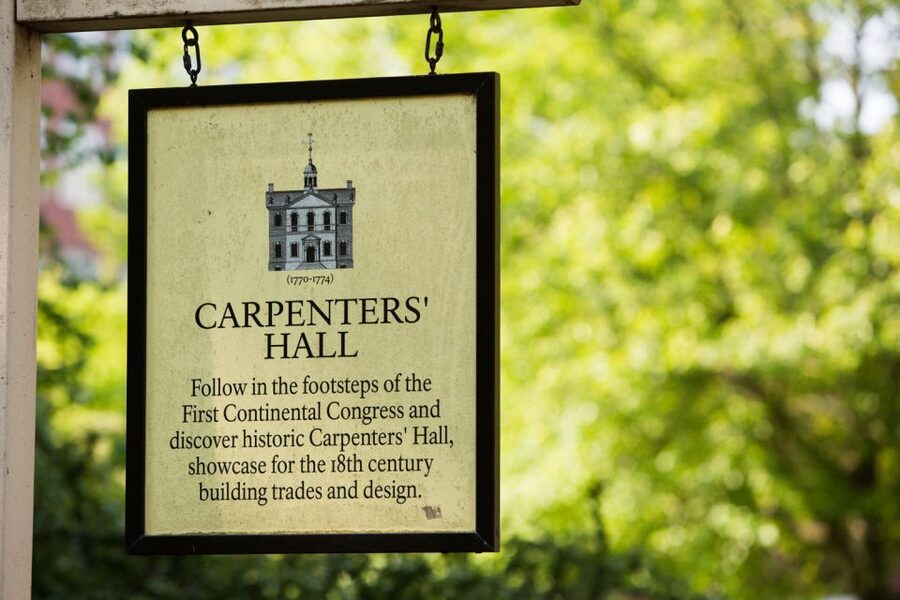
This tour runs rain or shine, so you’re planning for weather, not booking hopes. That’s a good thing if you want reliable scheduling, but it also means you should bring a light rain layer or umbrella if storms are common in your travel week.
Because the tour is a walking format, weather affects comfort more than content. You’ll still get the same story, but you’ll want to dress for being outside for the full 2 hours.
Price and value: $29 for a guide-led Revolution walk that saves time
At $29 per person, you’re paying for three things you’d otherwise spend time on: figuring out where to go, learning what matters at each stop, and getting a live person to answer questions.
If you are comparing options, think of this as buying interpretation. You can absolutely see these sites on your own, but you would need to connect the dots yourself. This tour does that for you in a compact time window.
Also, because Independence Hall interiors are not included, you can treat this as the orientation layer. Then, if you decide that inside access is worth it, you’re already primed. You know what you want to look for, and you can pick a timed visit that fits your schedule.
Pairing ideas: how to build a great day around the tour
Since the tour focuses on Revolutionary landmarks and the guide’s story, it works well as a first or second stop in your Philadelphia plan.
A smart approach is:
- Do this tour first to get bearings, then pick two or three sites to revisit more slowly
- Or do it after another museum stop so you understand what you just saw in the larger political story
If you want the full Independence Hall experience with interiors, add separate timed entry. This tour gives you the foundation so the timed visit feels purposeful instead of rushed.
Who should book this tour, and who might prefer another option
This is a great fit if you want:
- A 2-hour way to cover major Revolutionary Philadelphia sites
- A guide-led structure so you don’t get lost in the sheer number of historic stops
- A question-friendly walking tour that connects names to locations
It may be less ideal if you:
- Want long museum-style time inside buildings
- Hate standing and walking for a full chunk of time outdoors
- Need every stop to include interiors without extra tickets
The practical bottom line: should you book?
I’d book this tour if your main goal is to get the Revolutionary story organized fast. You’ll get major landmarks like Liberty Bell, the Independence Hall area with clear expectations about interiors, and founder connections tied to the city’s core sites.
Skip it only if your ideal history day is all about indoor exhibits and long guided access to specific building interiors. For most people, the $29 price and tight 2-hour timing make it a high-value way to understand Philadelphia without spending your whole trip in transit.
FAQ
FAQ
Where does the tour start?
Tours begin outside the Market Street doors of the Independence Visitor Center.
How long is the Philadelphia Revolution and Founders History Tour?
The duration is 2 hours.
How much does it cost?
The price is $29 per person.
Is the tour offered in English?
Yes, the live tour guide is English.
Is the tour wheelchair accessible?
Yes, the tour is wheelchair accessible.
Does the tour run rain or shine?
Yes, it takes place rain or shine.
What is included in the price?
Included: walking tour, guide, and a free podcast.
What is not included in the tour?
Not included: Independence Hall timed-tickets and interiors of NPS federal structures.
Can I visit Independence Hall interior space during the tour?
Not as part of this tour. Independence Hall timed-tickets are not included.
What is the cancellation policy?
You can cancel up to 24 hours in advance for a full refund.
Is there a pay-later option?
Yes. You can reserve now & pay later, keeping travel plans flexible.
Reviewed most recently around Philadelphia
- Guided Day Trip to Amish Country from Philadelphia★ 5.0 · 412 reviews
- True Crime Philadelphia and History Tour★ 5.0 · 416 reviews
- Flavors of Philly Food Tour★ 5.0 · 505 reviews
- Double Decker Hop-On Hop-Off City Sightseeing Philadelphia (1, 2, or 3-Day)★ 4.0 · 562 reviews
- Philadelphia 2 Hour Electric Cart Tour★ 5.0 · 633 reviews
- BYOB Historically Hilarious Trolley Tour of Philadelphia★ 5.0 · 657 reviews
- Center City Philadelphia Food Tour with Reading Market★ 5.0 · 861 reviews
- Philadelphia: Double-Decker Hop-on Hop-off Sightseeing Tour★ 4.4 · 868 reviews
Historical Tours, compared.


History and Hauntings of Salem Guided Walking Tour
Read our review →
Charleston’s Old South Carriage Historic Horse & Carriage Tour
Read our review →

Big Island in a Day: Volcanoes Waterfalls Sightseeing and History
Read our review →
Freedom Trail History Small Group Walking Tour
Read our review →
Historic Charleston Guided Sightseeing Walking Tour
Read our review →
Starship Landmark 90 Minute Sightseeing Cruise
Read our review →Browse the lists this tour appears in