
Reviewed · PHILADELPHIA TOURS
Philadelphia: Eastern State Penitentiary Admission
Eastern State Penitentiary is interesting because it is not just a place that held prisoners, it is a whole prison philosophy built into the stone. The cellblocks feel like a machine for producing silence, and walking through the semi-ruined corridors makes the past feel physical.
Two things I really like: the included audio tour, The Voices of Eastern State, narrated by actor Steve Buscemi, is seriously well made and guides you step by step. And I also like how the visit balances famous names, like Al Capone, with darker engineering details, including the long-abandoned Hospital Block. If you get a guide-led moment, I heard one guide named Sara can make a section of the prison click fast.
One drawback to plan around: the building is not climate controlled and you tour rain or shine, so hot or cold weather can affect how long you want to wander. Also, it is not recommended for kids under 7, since parts of the building are in semi-ruin and can pose safety hazards for unattended children.
Key Points You Should Know Before You Go
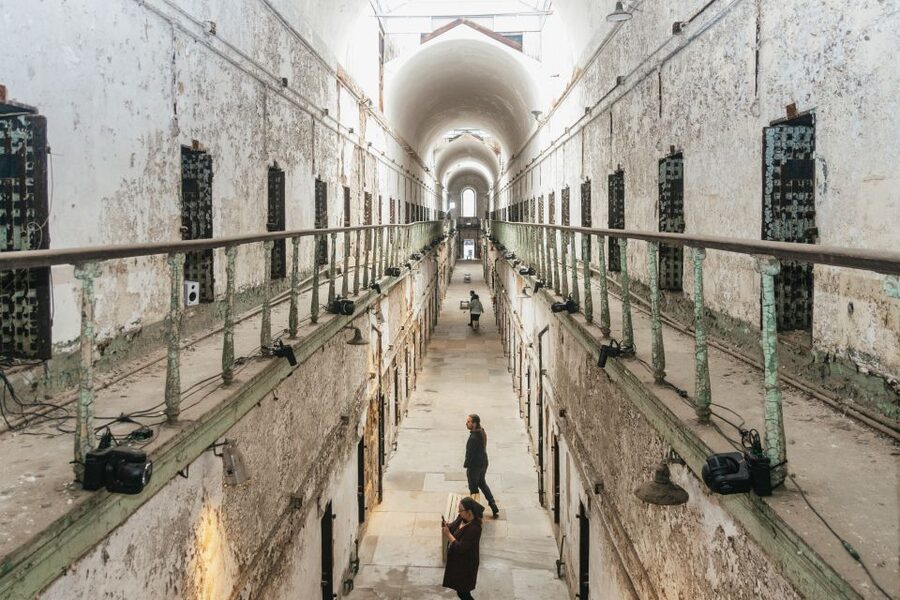
You get the Voices of Eastern State audio tour included, narrated by Steve Buscemi, plus extra optional stops.
The prison is built like an experiment, with vaulted, sky-lit cells and even early comforts like running water and central heat.
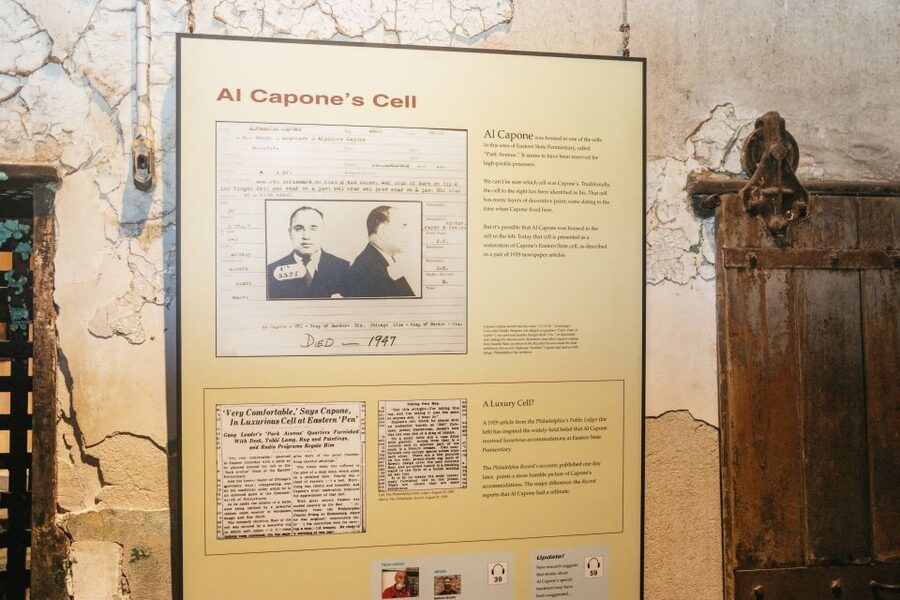
Al Capone’s cell is a major highlight, but the storytelling goes beyond celebrity.
The Hospital Block stop is a standout, and it is a must if it is available during your visit.
Dress for weather and expect uneven footing, since the site is in semi-ruin.
Self-paced touring is the norm, but there may be guide-led tours on top of the audio route.
Why Eastern State Penitentiary Feels Different From Other Prison Stops
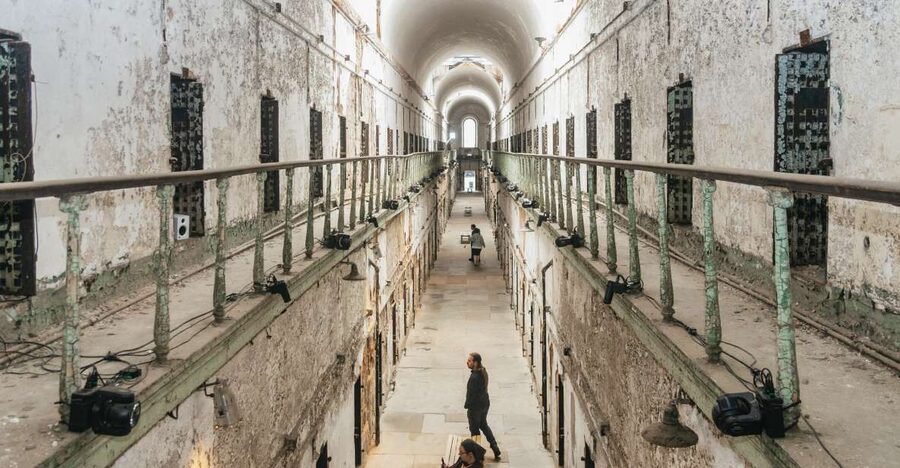
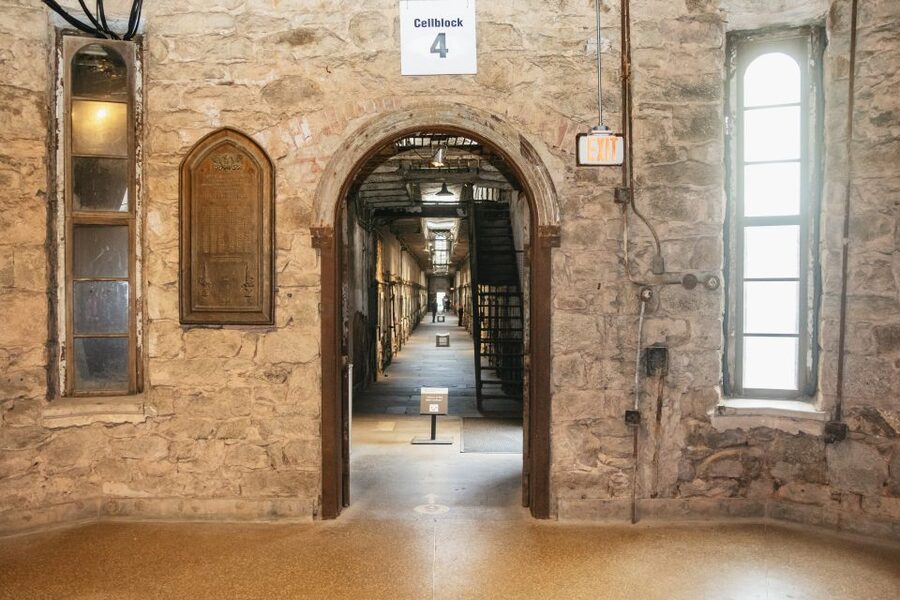
Most prisons you visit are either active facilities or converted museums with clean, predictable paths. Eastern State Penitentiary is different because it still looks like it was left mid-thought, with empty guard towers and crumbling cellblocks. You are not just reading about punishment. You are moving through a design that tried to control behavior by controlling light, movement, and distance.
The big story is that Eastern State opened more than 180 years ago and helped change how the world thought about incarceration. It is described as the first true penitentiary, meaning the goal was not only locking people up, but inspiring penitence, real regret, in the hearts of prisoners. That idea shaped the architecture, and once you understand that, the visit makes more sense.
And yes, the building is dramatic. It had architectural “wow” before people threw that word around casually. It had running water and central heat, and the cells were vaulted and sky-lit so even a confined person could see the sky above. The contrast is striking: grand design for a system built on strict discipline.
Stack these Philadelphia options against each other
- Dark Philly Adult Night Tour
★ 5.0 · 4,241 reviews - Revolution and the Founders: History Tour of Philadelphia
★ 5.0 · 2,944 reviews - Philadelphia Hop-On Hop-Off City Tour
★ 4.0 · 2,347 reviews
Entering Through Fairmount Avenue, Then Letting the Tour Guide You
Your job at the start is simple: enter through the main entrance on Fairmount Avenue. After that, the experience shifts into a self-guided flow that still feels structured.
Admission includes an MP3 player and headset. The device takes you along a main audio route, plus optional add-on stops for topics like escapes, riots, sports, sexuality, and more. This is not one single “walk and read” experience. You can follow the route, and you can choose what to linger on.
This matters for your comfort and time. Some people treat it like a focused 1 to 2 hour visit. Others wander with intention and spend closer to 3 hours. I would plan for 2 to 3 hours as a realistic base, and if you like exhibits and art installations, you could stretch longer. One visitor even mentioned spending about 5 hours wandering when they had the time and the curiosity.
The Voices of Eastern State Audio Tour, With Steve Buscemi
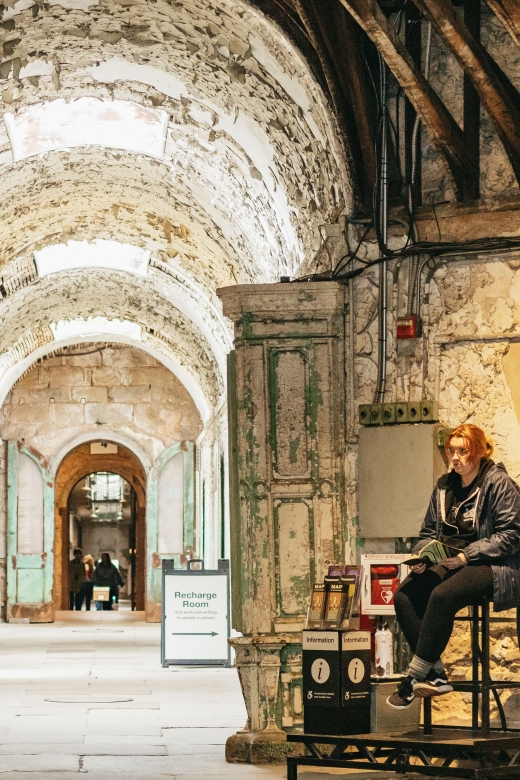
If you only remember one thing from this review, make it this: the included audio tour is the engine of the visit.
You get headphones and a programmed route, and the audio is narrated by Steve Buscemi. The production is described as a stereo soundscape that mixes dozens of voices. The stories are attributed to people who were wardens, guards, and inmates, including 3 former wardens and 25 guards and inmates. That mix is a big reason the prison stops feeling like a static exhibit.
The audio does more than give background. It helps you locate yourself, tells you what to look for, and makes you slow down at the right moments. Several people loved the fact that it feels step by step and easy to follow, especially if you are not sure what you are looking at when you first enter cellblocks.
Also, the tour is flexible. You can listen to the main route and skip optional stops if you want. You can take it at your pace, then return to other areas at different times. One practical perk: this means you do not need to rely on finding staff constantly. The audio covers the “what am I seeing and why does it matter” questions.
Languages included are English and Spanish, and it is host-guided in English for the overall experience. If you prefer headphones on your own timeline, this format is a big advantage.
The Architecture Lesson: Vaulted Cells and the Prison Design System
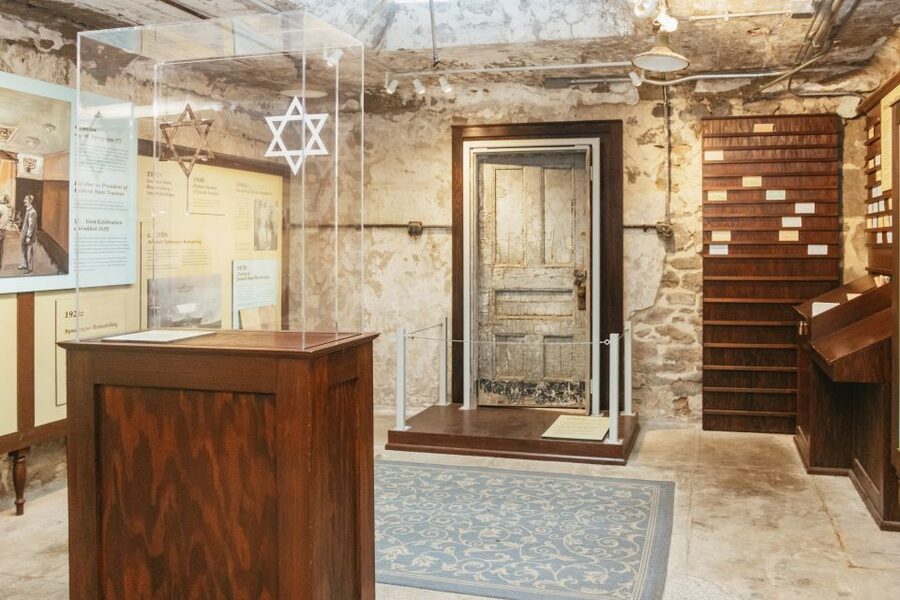
Once the audio gets you oriented, the prison starts to read like a system. Every part seems built to produce specific outcomes: separation, observation, and control.
Look for the vaulted, sky-lit cells. Even if you know nothing about prison history, your eyes catch the way daylight is framed above the cells. That is not decorative. It ties back to the penitentiary concept, where the built environment was supposed to shape the mental world of prisoners.
You will also notice the scale of the cellblocks and the emptiness of the yards. That emptiness is important. Eastern State is famous for being a prison that now stands today in ruin, and those empty spaces create a different kind of storytelling. You can feel how the building works without needing to imagine it at full capacity.
One more engineering point that makes the visit stand out: Eastern State had running water and central heat before the White House did. That detail shifts the conversation from “this was just cruel” to “this was a high-budget, high-logic attempt at social control.” It makes the architecture feel almost experimental, like they tried to build the psychology they wanted.
And because it is semi-ruin, parts of the experience are physically rough. I recommend good footwear and sensible clothing. The audio helps, but the building is not polished. Plan to move carefully.
Another Philadelphia day, played differently:
- Philadelphia Old City Historic Walking Tour with 10+ Top Sites
★ 5.0 · 2,020 reviews - 2.5 Hour Philadelphia History Tour with Washington War Tent Show
★ 5.0 · 924 reviews - The Constitutional Walking Tour of Philadelphia
★ 4.5 · 902 reviews - Philadelphia: Double-Decker Hop-on Hop-off Sightseeing Tour
★ 4.4 · 868 reviews
Al Capone’s Cell, Plus Why Celebrity Is Only a Starting Point
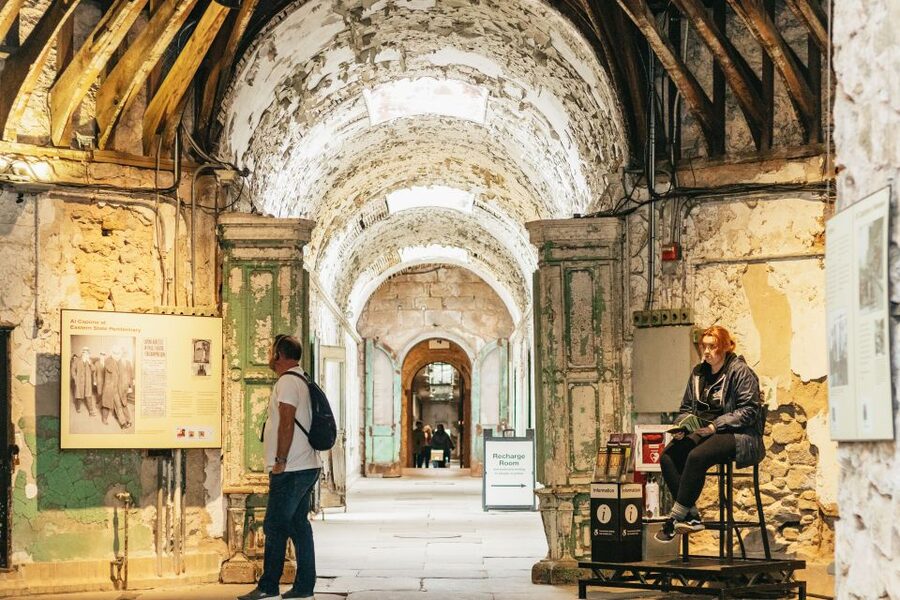
Al Capone is the hook many people bring with them, and that is fair. Seeing his cell helps you anchor the visit with a famous story.
But what I like about the way the tour treats famous criminals is that it does not stop at trivia. The audio and exhibits connect those names to the prison’s design and daily reality. You are not only looking at a relic. You are being shown how the prison machinery shaped lives.
There is also “Slick Willie” Sutton in the broader criminal roster described for the vaulted cells, and the visit positions these figures within the wider history of incarceration in America. That helps you move from movie-level knowledge into an understanding of how systems work.
If you love true crime or American history, you will likely find the Capone connection satisfying. If you do not, the experience still works, because the architecture and the audio tour explain the concept of penitentiary reform more broadly.
The Long-Abandoned Hospital Block: A Stop You Might Plan Around
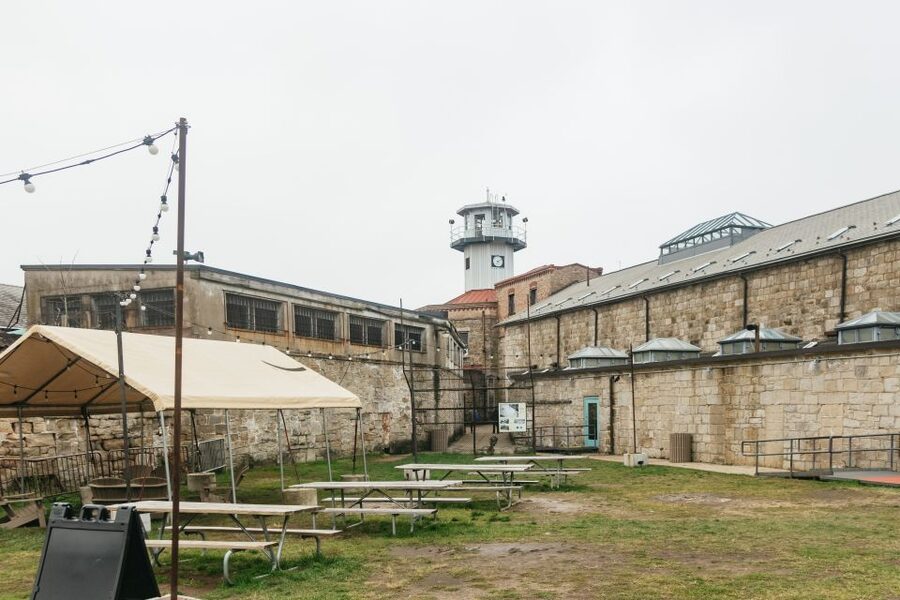
One of the highlights listed for this admission is the Hospital Block, and the reason it earns attention is simple: it is a different side of the prison story.
In at least one recent experience, people loved being able to tour the hospital and medical block. If that section is available on your date, treat it as a must-see, not an optional add-on. It is not always the first thing visitors focus on, but it helps explain what incarceration looked like beyond the cell.
This area can also connect emotionally for some visitors, especially if you have a health background or you are interested in how institutions handle illness, mental strain, and care. The audio route includes additional stops on specific topics, and the overall storytelling supports that “institutional life” perspective rather than only “punishment life.”
If the hospital wing is not open during your visit, you can still get a lot from the main route and the installations. Still, I would aim to visit when you can see more than just the standard cellblock route.
Interactive Installations and Exhibits That Make the Ruins Make Sense
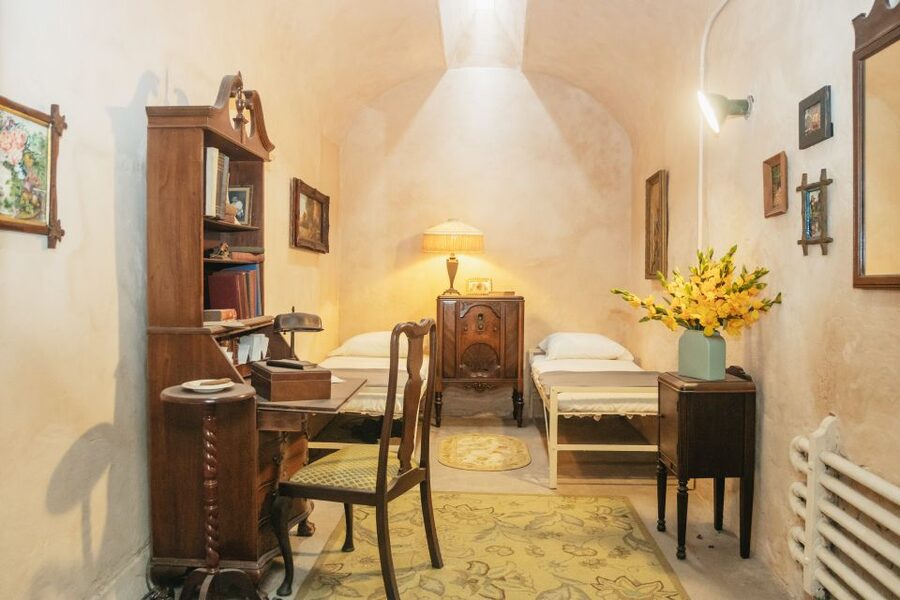
Eastern State is not only cells and stone. You also have interactive experiences, history exhibits, and artist installations.
What I like here is the pacing. The building can feel heavy, and the installations give you a way to process what you are seeing without turning it into only a bleak walk. The site’s critical acclaim for artist installations also suggests this is not random decoration. It is part of the museum’s approach to remembering and reflecting.
In one of the provided experiences, someone highlighted a renovated synagogue as being of interest during the visit. That is a useful reminder to keep your eyes open for sections that are not simply prison-themed. They often help you see the building as part of a larger community story.
Because this is semi-ruin, these added elements also give your brain hooks to hang onto. You can rotate between architecture, audio stories, and visual exhibits in a way that keeps the visit from becoming one long, monotonous corridor.
Timing, Weather, and Footwear: The Real Logistics That Affect Your Mood
This is a rain-or-shine operation, and the building does not have climate control. That means your comfort depends heavily on the day you choose.
If it is hot and humid, you will feel it because the walls and corridors do not manage temperature for you. One review even called out being uncomfortable in heat and comparing how prisoners had to live with 24/7 conditions. In cold weather, the building’s semi-ruin feel can also make the visit chilly.
So I would plan like this:
- Wear weather-appropriate clothing, not just “something comfortable.”
- Bring the right layer for a place with no climate control.
- Wear shoes with traction. Uneven footing is part of the experience, since you are touring a historic structure in partial ruin.
This also ties into the visit length. You can power through in 1 to 2 hours, but if you want to see installations and optional stops, you will likely want more time and more comfort.
Getting Value From the $21 Admission
At $21 per person, this is priced like a serious museum experience, not a quick roadside stop. The value comes from three places.
First, admission includes the audio tour with MP3 player and headset, narrated by Steve Buscemi. If you love audio guides, that is the biggest chunk of value.
Second, the route is flexible. There is a main audio route plus extra optional topics. That means you are not stuck taking exactly the same version as everyone else.
Third, you can add time by exploring on your own after the main part. Several people described walking around more freely once they completed the main route, spending 3 hours or even longer when they had time to take in everything.
If you are the type who likes to read exhibits and then go back to the buildings for details, this price makes sense. If you only want a quick look, you might feel the cost more. But with a 2 to 3 hour plan, it is easy to justify.
Who Should Book This Admission, and Who Should Skip It
This experience fits best if you want:
- A serious architectural and institutional history walk
- A strong audio component you can control at your pace
- Famous American prison stories, including Al Capone, but explained in context
It is also a good fit if you like to take your time and explore. The ability to listen and skip stops means you can tailor the tone, whether you want more on escapes and riots or you want to focus on general history and the built environment.
It may not fit if:
- You have very young kids. It is not recommended for children under 7, and unaccompanied minors are not allowed.
- You struggle with cold or heat. Since there is no climate control, the day’s weather can change your experience a lot.
Book This or Pass: My Decision Checklist
I would book Eastern State Penitentiary Admission if you want a self-paced, guided-by-audio way to understand how a prison concept shaped real architecture. The Voices of Eastern State audio tour, narrated by Steve Buscemi, is the reason many people keep praising this stop, and it is easy to see why once you start.
I would consider passing only if you need heavy climate control comfort, or if you are traveling with children too young for a semi-ruin environment. Otherwise, this is one of those Philadelphia experiences where the ticket price turns into hours of walking, listening, and thinking.
FAQ
How much is admission?
Admission is listed at $21 per person.
How long should I plan for Eastern State Penitentiary?
Many visitors describe it as about 1 to 3 hours depending on how much you listen and how long you wander. Some people spend longer by exploring additional areas and installations.
What is included with my ticket?
Your admission includes The Voices of Eastern State audio tour, interactive experiences, history exhibits, and artist installations. Guide-led tours may also be available depending on conditions.
What audio guide do I get, and who narrates it?
You receive an MP3 player and headset with the included audio guide. It is narrated by Steve Buscemi and includes a main audio route plus optional stops on topics like escapes, riots, sports, and sexuality. English and Spanish are available.
Can I tour at my own pace?
Yes. The format is self-paced, and you can listen to or skip specific stops based on your interests while following the audio route.
Is evening entry or an evening tour included?
No. Evening entry and tour are not included with admission.
Is the site wheelchair accessible?
Yes, Eastern State Penitentiary is wheelchair accessible and offers a wide range of accessibility services.
Is the building climate controlled and is it open in bad weather?
The tour operates rain or shine, and the building does not have climate control. Dress for the weather.
Can I cancel if my plans change?
Yes. Free cancellation is available up to 24 hours in advance for a full refund.
Reviewed most recently around Philadelphia
- Center City Philadelphia Food Tour with Reading Market★ 5.0 · 861 reviews
- Philadelphia: Double-Decker Hop-on Hop-off Sightseeing Tour★ 4.4 · 868 reviews
- The Constitutional Walking Tour of Philadelphia★ 4.5 · 902 reviews
- 2.5 Hour Philadelphia History Tour with Washington War Tent Show★ 5.0 · 924 reviews
- Dark Philly Adult Night Tour★ 5.0 · 4,241 reviews
- Philadelphia Old City Historic Walking Tour with 10+ Top Sites★ 5.0 · 2,020 reviews
- Philadelphia Hop-On Hop-Off City Tour★ 4.0 · 2,347 reviews
- Revolution and the Founders: History Tour of Philadelphia★ 5.0 · 2,944 reviews
Philadelphia Tours, compared.


Revolution and the Founders: History Tour of Philadelphia
Read our review →

Philadelphia Old City Historic Walking Tour with 10+ Top Sites
Read our review →
2.5 Hour Philadelphia History Tour with Washington War Tent Show
Read our review →
The Constitutional Walking Tour of Philadelphia
Read our review →

Center City Philadelphia Food Tour with Reading Market
Read our review →Browse the lists this tour appears in