
Reviewed · MANTA RAY SNORKELS
Manta Ray Snorkeling by Night in Kailua-Kona, Hawaii
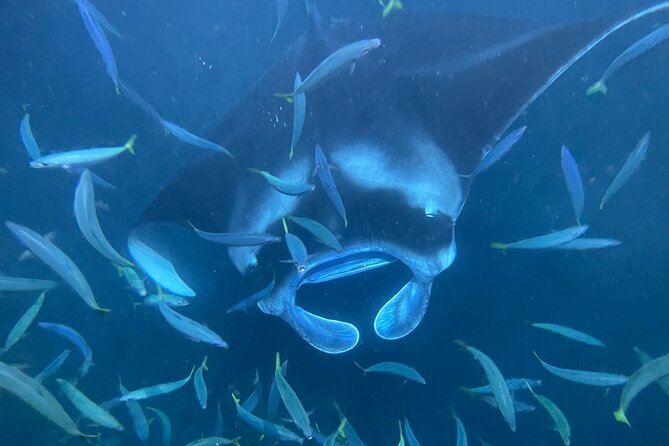
Manta ray snorkeling at night in Kona is one of those rare nature encounters that feels like you are borrowing the ocean’s schedule. You head out after dark, then float and snorkel while the guides use light to pull in plankton, which brings in wild manta rays.
What I like most is the small-group feel and the Hawaiian canoe ride. In the water, the whole setup is focused on getting you close to the action without turning it into a crowded carnival.
One thing to think about first: manta rays are wild, so you are never guaranteed a sighting, even with a great operation. Also, one unhappy review said the whole experience felt short and the staff seemed less attentive, so if you are expecting a long, slow swim with lots of uninterrupted guide time, manage that expectation.
Key highlights to know before you go
- Purpose-built lightboards increase your odds by attracting plankton the rays feed on
- Small group (12 max) makes it easier for guides to watch swimmers closely
- Snorkel time typically around 45 minutes+, even though the full tour runs about an hour
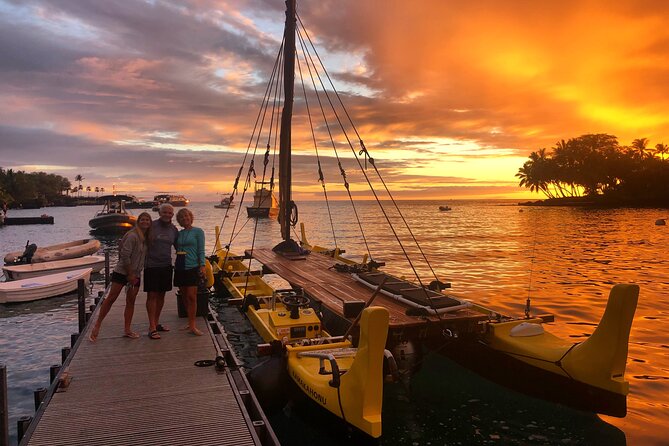
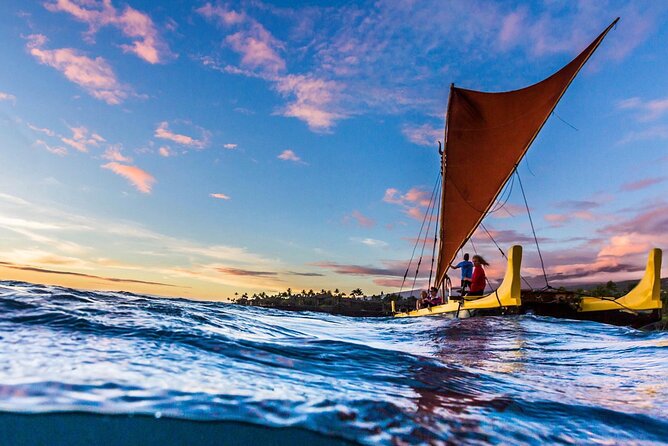
- Historically accurate double-hulled canoe gives the night ride its own charm
- Wetsuit top and floatation devices help you stay warm and comfortable in cooler Kona water
Why manta rays at night in Kona feel special
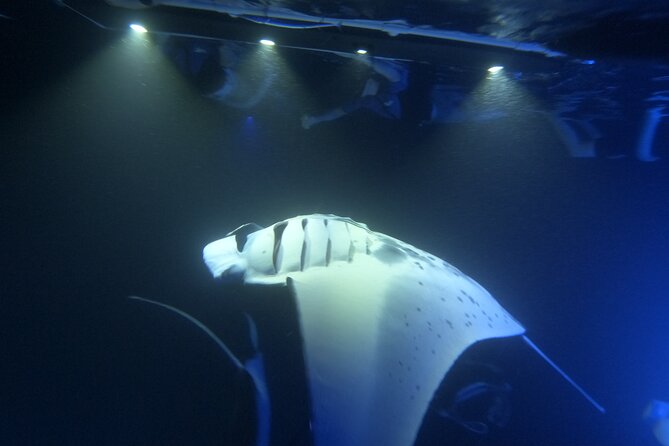
If you have only seen manta rays from afar, this tour changes the scale fast. At night in Kailua-Kona, you are not chasing a show. You are learning when and how manta rays feed, then getting your few minutes in their world. The guides use illuminated floats to concentrate plankton. When plankton shows up, the mantas tend to follow, gliding through the water like they own the place.
I also like how the tour avoids the usual “big boat, big crowd” vibe. With a maximum of 12 people, you can actually hear directions, and the guides can keep an eye on everyone during the water portion. That matters when it’s dark, the surface is moving, and you are straddling the line between snorkeling and just hanging on a float while something huge passes nearby.
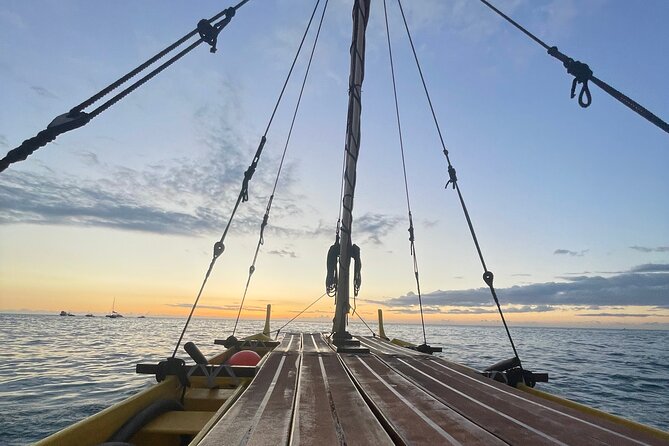
The canoe part is more than a marketing detail. A double-hulled sailing canoe feels Hawaiian in motion, not just as a transport vehicle. The ride is short, and you do not waste the best hours on a long cruise. You get out, you gear up, and you get to the lights where the action usually happens.
More manta ray nights:
- Big Island Manta Ray Night Snorkel
★ 5.0 · 5,656 reviews - Big Island: Kona Manta Ray Snorkel Tour in Keauhou Harbor
★ 4.5 · 2,465 reviews - KONA Manta Ray Night Snorkel – FREE re-ride if no Sightings
★ 5.0 · 2,212 reviews
The canoe ride: historically accurate and quicker than a big-boat shuffle
Your evening starts in Kailua-Kona, meeting at 78-7130 Kaleiopapa St. From there, you board your small sailing canoe. The tour keeps the time on the water efficient, and you do not sit around for ages before anything happens.
That canoe format also changes how you experience the night. Instead of being packed in next to strangers, you are part of a smaller rhythm. You can see the water, you feel the movement more gently, and when the guides bring you in closer to the lightboard setup, it feels controlled rather than chaotic.
In one of the reviews, someone mentioned that the lightboard was brought within only a few feet of the canoe and that you jump in with a pool float. That small distance makes a difference. It reduces the time you spend figuring out gear in the dark and gets you into a position where you can focus on what you came for.
The “lightboard plus plankton” method, explained in plain terms
Let’s demystify the trick, because it’s the heart of the experience.
Manta rays come to feeding areas when plankton is concentrated. The crew attracts plankton by using illuminated flotation devices. Purpose-built lightboards help improve sightings by increasing the chances plankton is drawn in and kept in a useful zone.
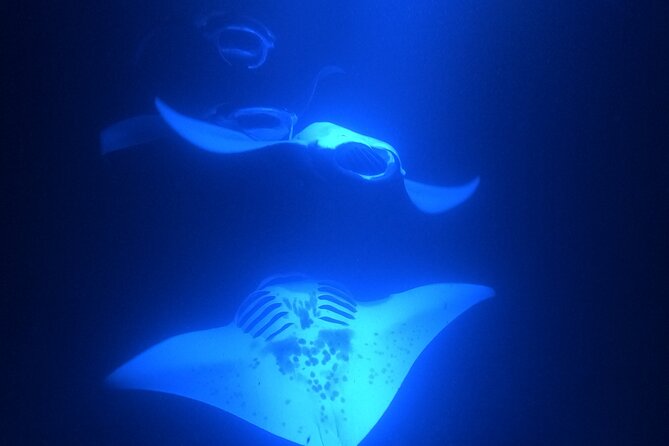
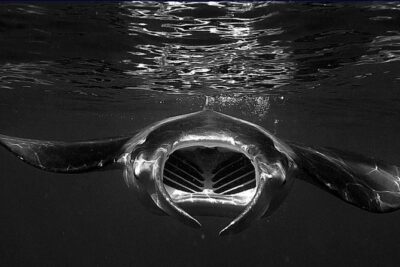
This is also why they spend time positioning people well. You are not just swimming randomly. You are watching a feeding station. When the light is working and the water cooperates, you get that moment where mantas appear, circle, and glide close enough that you can study their wings and body shape.
A provider response also mentioned that the blue hue of the lights can be more effective than white lights used by some other operators. The takeaway for you is simple: lighting is not random here. It is part of the manta ray feeding logic.
Your one-hour plan: what happens from check-in to getting back
The advertised duration is about 1 hour. In practice, the time in the water is the main event, and it tends to be around 45 minutes or more once you are actually snorkeling.
Here is the typical flow:
- Meet up in Kailua-Kona, where you check in with your small group and guides.
- Get fitted and geared. You put on a wetsuit top for warmth, then use the snorkeling equipment and flotation device provided.
- Head out for a short ride on the canoe. If the timing is right, you may catch a sunset before it goes fully dark, which adds atmosphere right before the manta moment.
- Enter the water and hold on near the lightboard setup. This is when the plankton draw happens.
- Float and snorkel under the lights. You watch for mantas as they feed and move through the area.
- Return to the meeting point after the water time wraps up.
Two practical notes. First, the water portion can feel like it goes fast once mantas arrive. If you are the type who wants a long, leisurely swim the whole time, you might feel slightly rushed once the action starts. Second, if the sea is a bit choppy, you will spend more energy maintaining position on your board. That can make the water time feel tighter, even if it’s still the same duration.
More Snorkeling Trips in Big Island of Hawaii:
- Glow of the Deep: Night Snorkeling with Manta Rays
★ 4.5 · 1,254 reviews - Big Island: Manta Ray Night Snorkeling Adventure in Kailua-Kona
★ 5.0 · 593 reviews - Kealakekua Bay Snorkeling Tour – 4 hour Kona Zodiac Adventure
★ 5.0 · 508 reviews - Oahu: Grand Tour Around Island 16 Locations plus Snorkeling
★ 5.0 · 8,669 reviews
What the guides actually do for your safety and enjoyment
This is one of the most consistently praised parts of the tour. People repeatedly mention calm instruction, clear directions, and guides staying attentive during loading and unloading.
You might be with guides such as Ni’Koa and Kalala, and other crew names that show up in real trip feedback include Lance, Chaden, Beck, Tayler, Rob, Kama, and Chris. Different nights, different guides, but the theme stays the same: safety and pacing.
What “safety” looks like here is not paperwork. It’s hands-on help with boarding and exiting the water, plus steady coaching once you are floating. One review highlighted how encouraged and helpful the staff were when someone was nervous about getting into the water. Another mentioned how the guide provided narration during the long wait periods between sightings, which helps take the pressure off your brain while you are just hanging there.
Also, if you struggle with motion sickness, know that motion sickness medication is not included. Still, one review said the staff helped someone who felt sick. So if you get nauseous easily, tell your guide early, and be upfront about it during the safety briefing.
Swimming skills and the ladder requirement, no sugarcoating
This is a real ocean activity at night, so you need the right basics. The tour says you must be able to swim and climb a short ladder unassisted.
That ladder piece matters. Even strong swimmers can be limited by balance, confidence with steps, or discomfort when wet and dark. If you have mobility limits or you have recently had surgery, this is not recommended.
What I’d do if you’re unsure: honestly compare your comfort level with getting into and out of water in a dim, moving environment. The guides do help, but the requirement is you still have to do the ladder part on your own.
If you are comfortable snorkeling in open water, and you can handle a quick entry and exit process, you will likely feel at ease. Reviews back that up, with many people saying you do not need to be an Olympic swimmer to enjoy it.
Gear you get, and the stuff you should bring
Included gear:
- Wetsuit top (for warmth)
- Floatation devices
- Snorkel equipment, including normal and Rx options (where available)
Not included:
- Towels
- Coffee and/or tea
- Snacks
- Private transportation
- Crew gratuity
- Motion sickness medication
Here is what you should do to feel comfortable:
- Bring your own dry towel if you do not want to scramble for warmth afterward. One person specifically noted being glad they brought dry towels.
- Wear swimwear that you can put on under the wetsuit top. Since you get a top, not a full suit, plan for cooler water than you might expect.
- If you use prescription snorkel gear, confirm how that works when you book, since the tour mentions Rx equipment availability.
- Consider a light layer for the ride before you gear up, since it’s night and Kona can feel cooler once the sun drops.
Also, opt-in to the text message updates during booking if that option is offered to you. The messages are day-of and include instructions and pictures for parking and check-in.
Manta ray sightings: wild animals, real guarantees, realistic odds
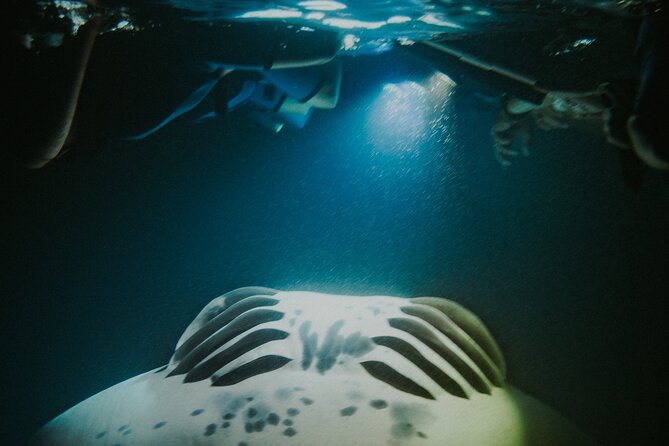
This tour is built around wild manta rays. That means there will be nights when the manta rays show up, and nights when they do not. The operator is clear about this, and so should you be.
A key promise here is the manta ray guarantee. If you do not spot a manta ray on your tour, the guarantee provides another opportunity to come back for a different attempt on another evening or on a future visit, based on available seats.
What they do not promise is that you will see mantas every time. And that’s reasonable. Even the best operator cannot force wild animals to show up.
One negative review complained about value after not feeling the time matched what they expected. Another asked for a refund due to duration and expectations. Your best move is to treat this as a short, focused encounter. Your reward is close-up manta time when conditions line up.
Price and value: why $127 can feel worth it, or not
At $127.10 per person, you are paying for three things:
- Small-group access (max 12)
- Specialized night operation (lightboards, nighttime positioning, experienced guides)
- Safety and equipment standards (wetsuit tops, snorkeling gear, flotation devices, and professional crew operations)
For me, the value argument is strongest if you care about quality of time in the water, not just checking a box. Lots of people highlight that the experience was “worth the extra cost” compared to larger operations, mainly because they had fewer people in the group and more personal attention.
At the same time, if you go in expecting a long snorkel session or lots of guide commentary the whole time, you may feel shorted. One unhappy review said the attraction lights felt small and that staff spent time talking to each other rather than watching clients. The operator responded that actual snorkel time is typically about 45 minutes or more, and that the duration can feel quick once mantas arrive.
So here’s my practical advice: decide what you want most. If you want a quick, close encounter with manta rays at night and a small, controlled group, the price tends to make sense. If you want a long, all-evening water hang with lots of extra time, you might compare costs and choose a different style of tour.
Weather and sea conditions on Kona nights
This is a nighttime ocean activity, so weather matters. The experience requires good weather, and if it gets canceled due to poor conditions, you get offered another date or a full refund.
Also, choppy water changes how the experience feels. One review mentioned close manta encounters but also bad weather, rain, and choppy seas. In those cases, you may be more focused on staying stable on the float. That can reduce how long you can stare at mantas without thinking about your grip.
My tip: pack for being damp and chilly, even if it looks fine earlier in the day. The wetsuit top helps, but you are still exposed to night air once you exit.
Who should book this manta ray snorkeling by night tour
This fits best if you:
- Want a bucket-list wildlife encounter with wild manta rays in their natural feeding behavior
- Prefer a small-group experience with close guide attention
- Feel comfortable snorkeling at night and can climb into and out of the water using a ladder
- Like the extra craft element of a canoe ride, not just the snorkel part
It may not be a great fit if you:
- Have mobility limits or recent surgery
- Are not comfortable swimming in open water at night
- Want a guaranteed sighting, no matter what
Most people can participate if they meet the swim and ladder requirement, and the guides keep it manageable for the group size.
Should you book this tour?
Yes, if you can handle night snorkeling and you want a tight, high-focus experience in Kona with a small group and serious attention to safety. The best version of this night is exactly why it has a very high recommendation rate: people come back talking about mantas that glide close, gentle behavior, and guides who help you relax instead of rushing you.
Book it with the right mindset. This is wild animal viewing. You are not buying certainty. You are buying a well-run plan that improves your odds with purpose-built lightboards and a crew that knows how to get you into position safely.
If you want, tell me your travel month, your swimming comfort level, and whether you tend to get motion sickness. I can help you pick the right time of evening and prep checklist for your situation.
FAQ
How long is the manta ray snorkeling by night experience, and how much time is in the water?
The tour is about 1 hour total. Actual snorkeling time is typically around 45 minutes or more, depending on how the night goes.
What’s included in the tour price?
You get a wetsuit top for warmth, floatation devices, and snorkel equipment. Snorkel equipment is available for normal and Rx needs.
What is the minimum age to join?
The minimum age allowed onboard is 5 years old.
Do I need to be able to swim?
Yes. You must be able to swim and climb a short ladder unassisted. It is also not recommended for people with mobility or physical restrictions, or for those who have recently undergone surgery.
What happens if manta rays are not spotted during my tour?
The operator states manta rays are wild and presence is not guaranteed. If no manta ray is seen on your tour, the manta ray guarantee offers another opportunity to come back for another attempt, based on available seats. Refunds are not offered for tours where manta rays are not seen.
Is there a refund if the weather is bad?
Yes. If the experience is canceled due to poor weather, you’ll be offered a different date or a full refund. You can also cancel for a full refund if you cancel at least 24 hours in advance.
Reviewed most recently around Big Island of Hawaii
- Manta Ray Night Snorkel Kona – Coral Reef Snorkel Adventures★ 5.0 · 376 reviews
- Kealakekua Bay Captain Cook Snorkel Exclusive★ 5.0 · 380 reviews
- Manta Ray Night Snorkel Tour in Kailua-Kona, Big Island★ 5.0 · 382 reviews
- 3.5 Hour Kailua-Kona Ocean Kayak and Snorkel Tour★ 5.0 · 384 reviews
- Hawaii Volcanoes, Waterfalls, Beaches & Hilo Highlights Day Tour★ 5.0 · 391 reviews
- Small-Group Snorkel at Kealakekua Bay in Captain Cook, Big Island★ 5.0 · 396 reviews
- Waikoloa Signature Catamaran Sunset Sail★ 4.5 · 396 reviews
- Kona Walking Food Tour★ 5.0 · 402 reviews
Manta Ray Snorkels, compared.
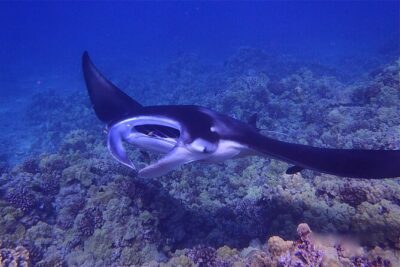
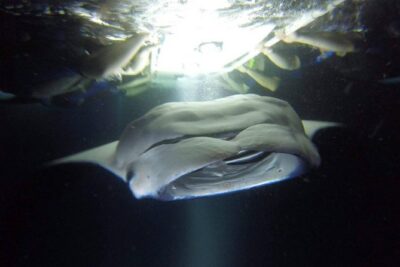
Big Island: Kona Manta Ray Snorkel Tour in Keauhou Harbor
Read our review →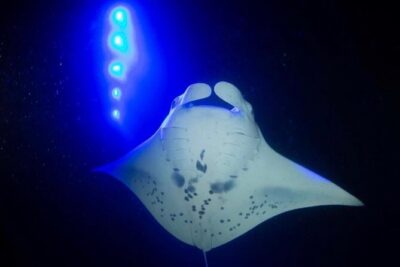
KONA Manta Ray Night Snorkel – FREE re-ride if no Sightings
Read our review →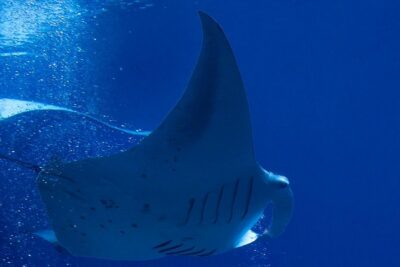
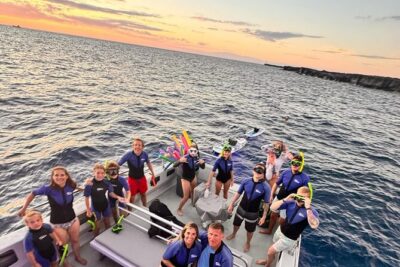
Glow of the Deep: Night Snorkeling with Manta Rays
Read our review →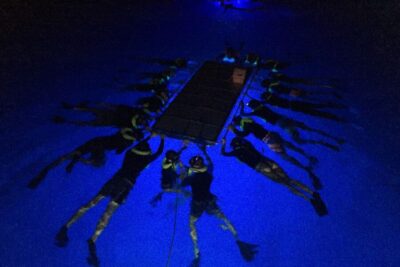
Manta Magic: Small-Group Manta Ray Night Snorkel in Kailua Kona
Read our review →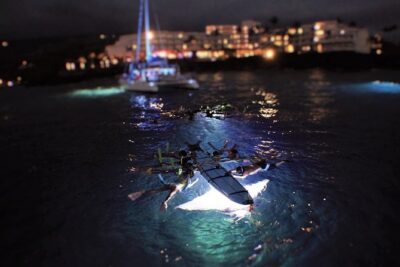
Browse the lists this tour appears in