
Reviewed · MANTA RAY SNORKELS
Manta Ray Night Snorkel Experience of a Lifetime
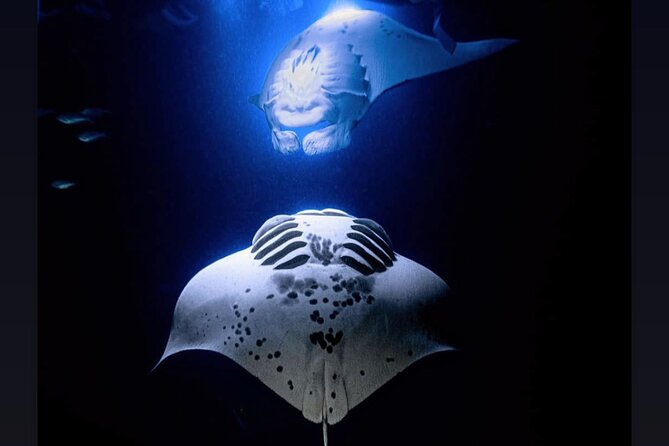
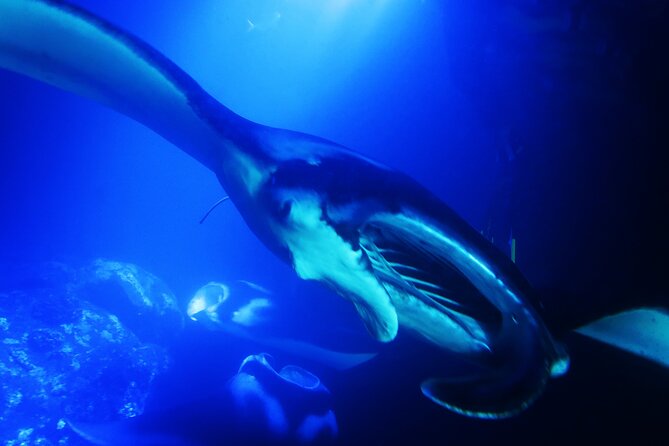
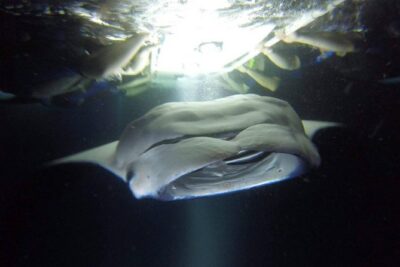
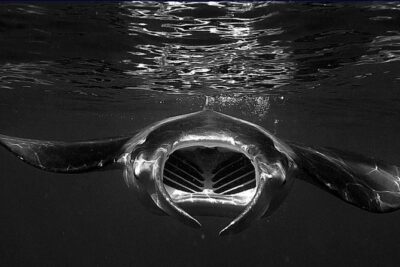
Nighttime manta ray snorkeling on Big Island is interesting because you are not just snorkeling at night, you are timing your senses to the rays’ routine. You slide into the ocean after dark, hang onto a custom light board, and watch these gentle giants feed on plankton up close. The feeling is equal parts eerie and magical, because the ocean turns black and the mantas become the moving light.
I especially like the small group max of 18, which keeps things calmer in the dark. I also like that the crew setup is serious about safety, with USCG licensed captains and American Red Cross certified in-water guides who stay focused on positioning and comfort. The one drawback to plan around is simple: manta sightings are never guaranteed, and if the rays do not visit that night, you may just swim with other sea life instead.
Key things I’d bet on before you go
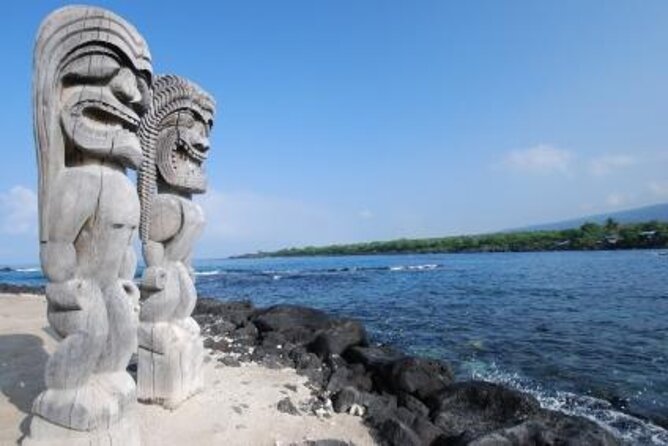
- Custom light board: you are not searching blind, you are positioned for the feeding plankton scene.
- USCG licensed captain + Red Cross certified in-water guide: you get safety coaching, not guesswork.
- Two manta areas to choose from: Garden Eel Cove (Manta Heaven) or Keauhou (Manta Village), depending on conditions.
- Short boat ride, quick in-water time: typically about 30 minutes in the water within an overall 2-hour tour.
- Wild animal reality: even the best crew cannot command manta behavior.
- Cold-water and timing considerations: bring warmth and be ready for a night ocean experience.
Why Nighttime Manta Snorkeling Feels Different Than Any Day Swim
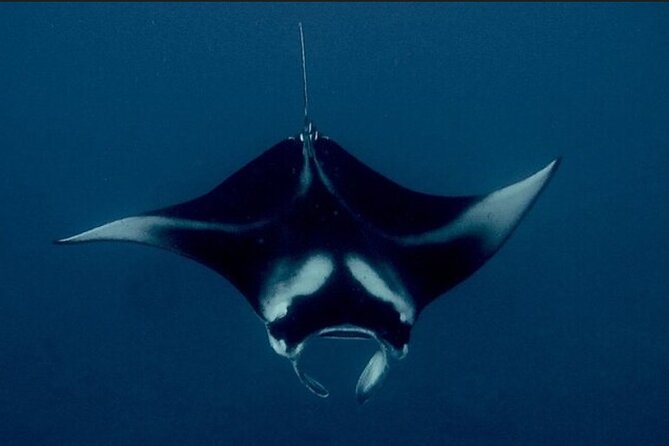
If you have only snorkeled in daylight, nighttime on the Kona coast hits you in a new way. At night, the water is darker, the surface looks like black glass, and your eyes start working overtime to spot movement. The tour is built around that, with a structured plan for getting you in the right place to see mantas as they feed.
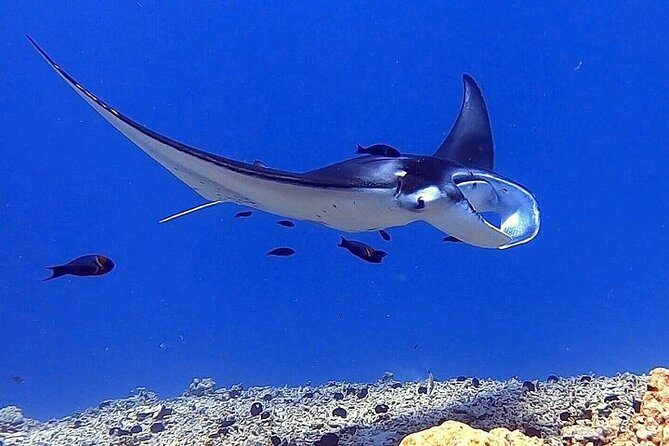
The big payoff is closeness. Several people describe mantas coming so near they brushed close to them while feeding. Even when you do not get the dramatic close-up, you still get a front-row view of how these animals move. They are not frantic. They cruise with purpose, acrobatic and calm at the same time.
One more detail I like: the guides help you get positioned. The experience is not just, here is a snorkel and a prayer. You are guided to a viewing setup so you can focus on the mantas instead of figuring out where to look and how to float without wasting energy.
More manta ray nights:
- Big Island Manta Ray Night Snorkel
★ 5.0 · 5,656 reviews - Big Island: Kona Manta Ray Snorkel Tour in Keauhou Harbor
★ 4.5 · 2,465 reviews - KONA Manta Ray Night Snorkel – FREE re-ride if no Sightings
★ 5.0 · 2,212 reviews
Getting There: Honokohau Harbor, Check-In Timing, and First-Moment Vibe
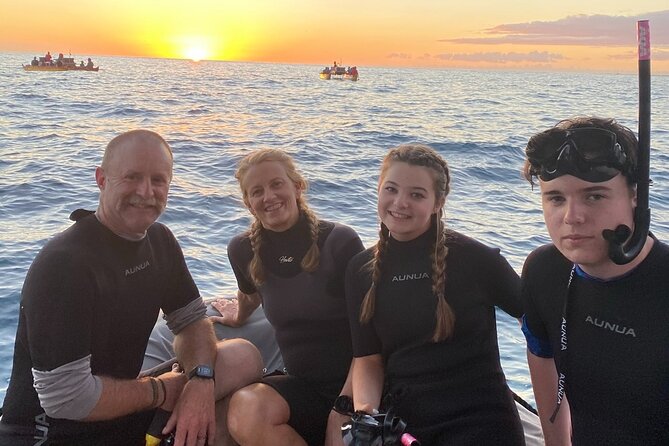
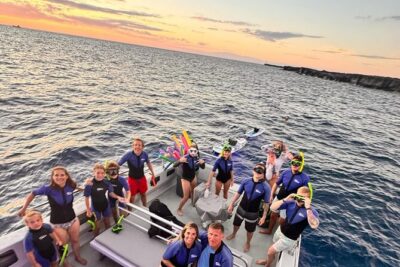
The tour starts at the Snorkel Big Island meeting point in Kailua-Kona. You come in, you get your gear and shorty wetsuit, and you get a quick orientation before heading out.
Check-in is time-sensitive. You should confirm your exact check-in time directly with the provider, since it can be up to 40 minutes before the tour start, and no less than 15 minutes prior. This matters because at night, the schedule and dark logistics affect how smooth the group launch feels.
Once you leave Honokohau Harbor, the boat ride is short, about 15 to 20 minutes. That is helpful for two reasons. First, less time on the water means fewer chances for seasickness to ruin your night. Second, it keeps the total experience tight, so you spend most of your energy where it counts, in the water with the mantas.
In the dark, small details become big details. One traveler noted it can be hard to find staff at the meeting point due to low light, so I would plan to arrive early and use your phone light to stay oriented. A towel also helps for after, because you will be cold and wet once you climb back aboard.
The Two Manta Zones: Garden Eel Cove (Manta Heaven) and Keauhou (Manta Village)
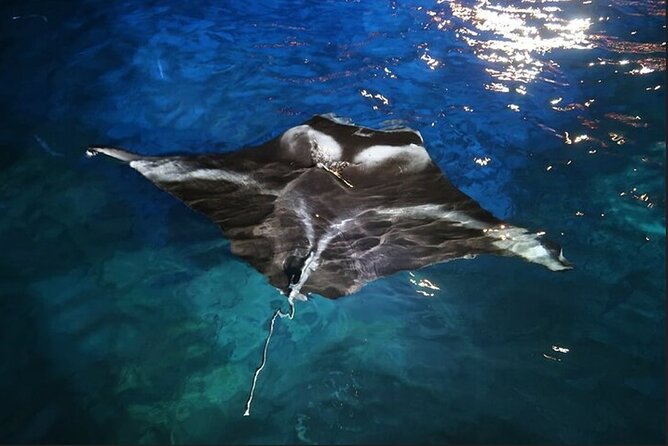
A key part of this tour is where you go on the night. The plan is either:
- Garden Eel Cove, described as the northern manta site called Manta Heaven
- Farther south down to Keauhou, described as Manta Village
Why this matters to you is simple: the mantas may be in one area more than another depending on the night’s conditions. You are not just buying a ticket to one spot. You are buying a trip where the crew tries to place you where the feeding action is most likely.
From what people share, successful nights can be intense. Some describe seeing multiple mantas, with close passes and several rays circling around the light. Others have nights with only one manta at a distance, or even none. That variance is not a marketing trick. It is part of being in the ocean at night with wild animals.
What you should take from this: if you are going to Hawaii specifically for mantas, build flexibility. When your schedule allows it, having a backup night can turn a frustrating outing into a great story.
On the Boat With USCG Captains and Red Cross In-Water Guides
This is one of those tours where the safety credentials matter because the water is cold and dark, and you must handle equipment while floating. The program includes USCG licensed captains and American Red Cross certified in-water guides. That combo is about more than paperwork. It usually means calmer instructions, faster rescues if something feels off, and more attention to who is comfortable in the water.
You also need to understand the practical requirements. The tour asks for:
- Basic swimming skills
- Previous snorkeling experience
- The ability to independently climb up the boat ladder
- Ability to converse in English for verbal safety instructions
- Not being someone with physical or mobility restrictions (it is noted as not recommended)
On crew names, some departures are memorable. People have mentioned Captain Kelly and guides like Jay, Elijah, and Jonathan. Even if the names change on your night, the important thing is that the team tends to be active in setup and watchful in-water.
You will likely get guidance for where to float and how to hold onto the setup. The goal is for you to relax and focus, because the mantas are doing the work of coming to you.
Stack these Big Island of Hawaii options against each other
- Big Island in a Day: Volcanoes Waterfalls Sightseeing and History
★ 5.0 · 6,569 reviews - Hilo Shore Excursion: Volcanoes National Park & Black Sand Beach
★ 4.5 · 2,338 reviews - Big Island: Captain Cook Snorkel On A Power Catamaran With Lunch
★ 5.0 · 2,232 reviews - Manta Ray Night Snorkel at Kona, Big Island
★ 5.0 · 1,758 reviews
Sliding Into the Water: The Light Board Setup That Changes Everything
Here is where the tour really earns its reputation. After you slide into the ocean, you hang onto a custom-made light board. The light helps concentrate plankton in the area, which then draws mantas in to feed.
You are not just admiring wildlife from far away. The guide’s job is to help you take the best viewing position. That means you often end up oriented toward the mantas as they enter the illuminated area. Several people describe mantas swimming right under or very near their faces, in some cases so close it feels personal.
Also, the guide watches spacing and comfort. On cold nights, that matters because hypothermia risk is real if you are shivering and panicking. The crew helps keep you safe and stable so you are not flailing, which protects you and also makes it easier to spot mantas.
Time in the water is limited. Even positive experiences note about 30 minutes in the water. That is why you should treat this like a night swim plus a short wildlife window, not a long snorkeling session. If you go in cold and tense, the clock feels shorter.
Timing, Cold Water, and Motion Sickness: What Can Catch You Off Guard
Night snorkel tours can look cozy on paper. In real life, the ocean gives you a wake-up call.
Several people mention the water can be cold, especially when you first get started. Even a shorty wetsuit helps, but it does not make you immune to chill. I recommend planning for warmth immediately after the boat ride and during gear changes. Bring a sweatshirt or warm layer for right after you climb back onto the boat, and consider a towel you can dry yourself quickly with.
Seasickness is another common issue on boat trips at night. One guests said both the boat ride and floating made them ill, and they suggested packing something like Gravol if you get queasy. I agree with the logic. If your stomach is sensitive, start prevention before you board.
If you are prone to cold, you also want to move calmly once you are in the water. The manta rays are gentle, but your body is the one that can get stressed. Keep your breathing steady and let the guide’s positioning do the heavy lifting.
Price and Value: What $79.46 Buys on This Small-Group Charter
At $79.46 per person, you are paying for much more than a snorkel rental. You are buying:
- A charter-style nighttime outing from Honokohau Harbor
- A short boat ride to a manta-feeding zone
- Snorkel equipment and a shorty wetsuit
- Certified in-water support and a lifeguard-grade safety mindset
- A setup designed to attract plankton and bring mantas into your viewing range
This is where value gets personal. If you were trying to do this on your own, you would still need the boat access, the equipment, the safety procedures, and the proper night setup to have a realistic chance of mantas feeding near you. The tour is basically selling you the probability, plus the safety and guidance that make the probability worth chasing.
The small-group cap of 18 shows up in how the night feels. A smaller group tends to mean less chaos in the water, and less waiting around while you get fitted and briefed.
One thing to keep in mind from mixed experiences: not every outing is a manta-heavy night. You are paying for the attempt and the experience. If you are okay with nature’s randomness, the price looks fair. If you need guarantees of multiple close mantas, you will likely feel disappointed on an off night.
What If You See Few or No Mantas, The Manta Policy Explained Simply
This is the part you should read twice before booking, because it affects your decision.
Manta policy is straightforward: mantas are wild animals, and the operator cannot guarantee their presence. If you do not see mantas on your night out, you can try again on a different night, or on your next visit. Here is the practical part:
- Guests who purchased tickets at the full online price may return for free.
- If you bought through a 3rd party or a discounted rate, you may need to pay an additional $60 per person to join again.
- Seats can be extremely limited at certain times of year.
- If the rays decide to skip the night, the charter costs mean a refund is not offered in that situation.
People also mention that staying longer does not necessarily change the outcome. One account said they were back on the boat after a minimum time without mantas. That makes sense. If mantas are not at the site, time alone does not summon them.
My advice: book with flexibility when you can. If you can add a second night, you increase your chance of landing one of the high-manta nights that people keep mentioning.
Also, if you ever feel something operational seems off, speak calmly with the crew during the experience. One negative experience mentioned a light not functioning, and that kind of issue can affect visibility. Most crews are on top of their gear, but the ocean is unforgiving. Good communication helps.
Who This Tour Suits, and Who Should Think Twice
This tour works best for people who want a real ocean experience and are comfortable in moving water at night. It is not for everyone.
You are a good fit if you:
- Have previous snorkeling experience
- Can swim and handle the ladder entry and exit independently
- Can follow English instructions quickly
- Want a small-group setup with safety coaching
- Are okay with cold water for a short window in exchange for a manta chance
You should think twice if you:
- Have physical or mobility restrictions (it is not recommended)
- Struggle with independent boarding
- Are not comfortable snorkeling at night
- Want guarantees of manta closeness
For families, this can be a big hit when kids are ready for the dark, the cold, and the open water feeling. Several positive accounts include ages around 10 to 13 with a sense of awe after getting in the water.
My Book-or-Skip Advice for This Kona Night Snorkel
Book this tour if your top goal is a real shot at close manta rays, and you are comfortable with the fact that the ocean sets the rules. I would book it when you can, because you are getting a safety-forward crew, a small-group vibe, and a specialized setup using the light board that gives you a fighting chance.
Skip or switch tours if you need certainty, or if cold and rough water would likely knock you out. If you are sensitive to motion sickness, bring prevention. If you get cold easily, wear warmth for before and after, not just during the water time.
If you can choose a schedule, aim for a night where you have a backup date. That one change is what turns a wildcard nature night into a flexible win.
FAQ
What is included in the price?
You get snorkeling equipment, a shorty wetsuit, and a certified in-water guide or lifeguard.
Do I need to bring my own snorkel mask?
Prescription snorkel masks are not included, so if you need one, plan to bring it. Standard snorkel equipment is provided.
How long is the experience?
The tour runs about 2 hours total, with time on the water during that window.
How do check-in times work?
You should confirm your check-in time directly with the tour provider. Check-in can be up to 40 minutes before the tour start, and no less than 15 minutes prior.
Where does the tour start and end?
It starts at Snorkel Big Island, 74-380 Kealakehe Pkwy, Kailua-Kona, HI 96740, USA. The activity ends back at the meeting point.
Can I expect to see manta rays every time?
No. Manta rays are wild animals and the operator cannot guarantee their presence. If you do not see mantas, you may be able to try again on a different night or on your next visit based on the ticket type.
What skills and physical requirements are needed?
You need basic swimming skills and previous snorkeling experience. You must be able to independently climb up the boat ladder, and the tour is not recommended for travelers with physical or mobility restrictions. You also need to converse in English to understand instructions.
Reviewed most recently around Big Island of Hawaii
- Manta Ray Night Snorkel Kona – Coral Reef Snorkel Adventures★ 5.0 · 376 reviews
- Kealakekua Bay Captain Cook Snorkel Exclusive★ 5.0 · 380 reviews
- Manta Ray Night Snorkel Tour in Kailua-Kona, Big Island★ 5.0 · 382 reviews
- 3.5 Hour Kailua-Kona Ocean Kayak and Snorkel Tour★ 5.0 · 384 reviews
- Hawaii Volcanoes, Waterfalls, Beaches & Hilo Highlights Day Tour★ 5.0 · 391 reviews
- Small-Group Snorkel at Kealakekua Bay in Captain Cook, Big Island★ 5.0 · 396 reviews
- Waikoloa Signature Catamaran Sunset Sail★ 4.5 · 396 reviews
- Kona Walking Food Tour★ 5.0 · 402 reviews
Manta Ray Snorkels, compared.
Big Island: Kona Manta Ray Snorkel Tour in Keauhou Harbor
Read our review →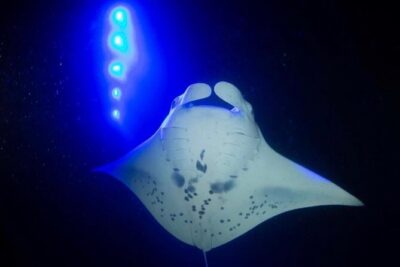
KONA Manta Ray Night Snorkel – FREE re-ride if no Sightings
Read our review →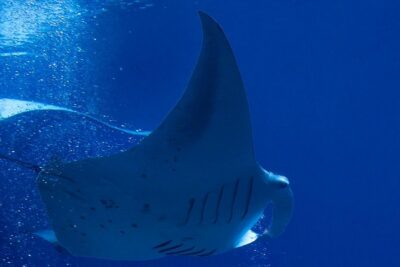
Glow of the Deep: Night Snorkeling with Manta Rays
Read our review →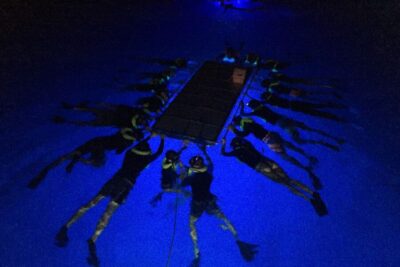
Manta Magic: Small-Group Manta Ray Night Snorkel in Kailua Kona
Read our review →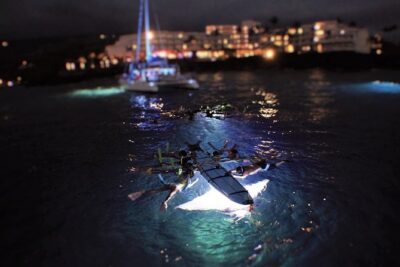
Browse the lists this tour appears in