
Reviewed · PLANTATION TOURS
From New Orleans: Whitney Plantation Ticket & Transportation
Whitney Plantation is interesting because it changes the usual plantation script. Here, you do not tour toward fancy rooms and happy stories. You walk through a place built by forced labor, then you listen to the people who were enslaved through the museum’s first-person narratives and memorial artwork. I also love how the museum gives you a self-guided audio tour that lets you set your own pace, and I like the way the day includes a comfortable, A/C bus ride with real local context from Gray Line drivers like Alton, Melinda, and Bryan.
One possible drawback to know up front: this is emotionally heavy, and you should expect real walking on the grounds. There is also only stairs-only access to the second floor, so if mobility is limited, plan around that.
Key points to know before you go

- Slavery-focused museum: Whitney is the only plantation museum in Louisiana built around slavery as the center of the story.
- Self-paced audio tour: You get admission plus an audio track so you can pause, re-listen, and move at your own speed.
- Outdoor to indoor pacing: A smart approach is to start outside first, then cool down at the visitor center.
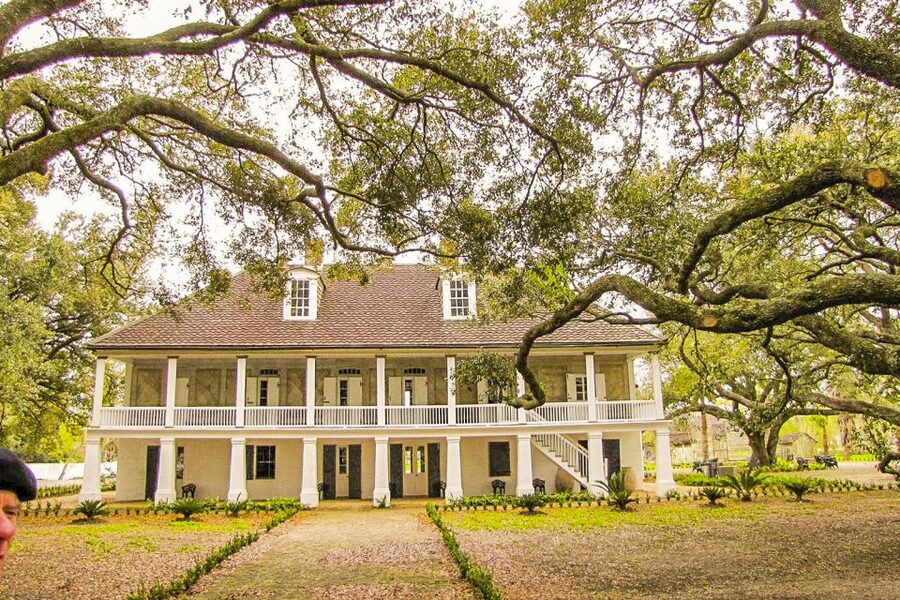
- Architecture with context: The Big House is Spanish Creole and a rare raised Creole cottage, but the tour frames it within forced labor.
- Bus guides add the “how we got here”: Drivers like Bryan and Alton often connect the region’s history to what you see.
A bus day trip that asks you to look harder
If you only know New Orleans for music, food, and street scenes, this outing is a reality check in the best sense. The trip from town to the plantation is relatively short for what you get, and the museum experience is long on meaning. You are stepping into a site that was operational for generations and now functions as a place of memory and consciousness.
What makes the day work is the rhythm. You start with a ride that sets the stage. Then you arrive, walk the grounds, and follow a self-guided audio tour that keeps the focus where it belongs: on the people enslaved here and their lived experiences. It is respectful, direct, and not interested in gloss.
Also, Gray Line’s bus setup tends to keep stress low. The reviews highlight comfortable rides and drivers who explain what you are seeing on the drive. If you want history without feeling like you are stuck behind a steering wheel all day, this format is a good match.
Other plantation-history visits:
- Swamp Boat Ride and Oak Alley Plantation Tour from New Orleans
★ 5.0 · 3,303 reviews - Oak Alley Plantation Tour with Transportation from New Orleans
★ 4.5 · 1,747 reviews - Whitney Plantation Tour with Transportation from New Orleans
★ 4.5 · 1,351 reviews
Why Whitney Plantation feels different from other plantation tours
Many plantation tours in the region tend to orbit the main house, the owners, and the architecture first. Whitney Plantation is structured differently. It opened to the public in 2014 after 262 years of private history, and it is still unique in Louisiana for focusing on slavery rather than treating it as background.
The result is that the museum does not ask you to “imagine” what life was like. It gives you a layout of historic buildings and memorial spaces, then you hear hundreds of first-person slave narratives through the audio experience. That matters. It shifts the emotional math. Instead of seeing a big building and wondering who lived there, you see the working plantation and understand what forced labor meant day after day.
The site also has a specific historical arc. The earlier owners of Habitation Haydel, which later became known as Whitney Plantation, made wealth producing indigo. Later, in the early 1800s, the plantation transitioned to sugar. When you understand that shift, the buildings and grounds feel less like an abstract “plantation theme” and more like infrastructure tied to specific labor needs.
The ride out of New Orleans: where the day starts
You meet at the Gray Line Lighthouse at 400 Toulouse Street, behind Jax Brewery. Build in time to exchange your voucher for a boarding ticket, since the tour asks you to arrive at least 15 minutes early. This is a small step, but it keeps you from turning a moving day into a stressful one.
The bus part is not just transportation. It is part of the learning. Reviews mention drivers sharing local facts about New Orleans and the region, plus context that connects geography and culture to what you will see. Some guides also weave in major recent-history references like Hurricane Katrina and how the area has changed over time. That kind of framing helps you read the countryside, not just the buildings.
You can also get a bit of variety on the way back. One review notes the driver made extra roadside photo stops near other plantations, including an area associated with Django Unchained filming. That may not be guaranteed, but it shows the general style. If you are the type who likes a quick “what is that?” moment along the drive, this is often the best way to get it.
Your 2 hours at Whitney: how to pace the grounds
The day is built around a 5-hour total window, with about 2 hours on site once you arrive. That is enough time to do the core route and hit the main museum stops, but it is not a half-day retreat where you can vanish for hours. Go in knowing you will need to stay mentally switched on.
The experience is self-guided with audio, which means you control the pause button. Reviews strongly suggest a good strategy: do the outdoor trail first after you get off the bus. That approach puts you in the footsteps of the enslaved people while you still have the energy for walking and listening outdoors. Then you can finish at the visitor center, where you can cool down and reset before returning.
You will also walk. Walking is described as an integral part of the experience, so plan on comfortable shoes and realistic expectations about time on your feet. Even if you only do the standard trail, you are touring a property, not a short indoor exhibit hall.
The audio component is a big reason this works. It helps you connect place to story without relying on a single guide’s voice to carry everything. It also supports a quieter mode if you need one, which is often important for a museum dealing with slavery.
Stack these New Orleans options against each other
- New Orleans Premier Ghost, Voodoo and Vampire Walking Tour
★ 4.5 · 12,856 reviews - New Orleans Steamboat Natchez Jazz Cruise with Dinner Option
★ 4.0 · 7,533 reviews - Adults-Only New Orleans Ghost, Crime, Voodoo, and Vampire Tour
★ 5.0 · 6,545 reviews - New Orleans Food Walking Tour of the French Quarter with Small-Group Option
★ 5.0 · 6,118 reviews
Big House Spanish Creole architecture, and why the museum uses it wisely
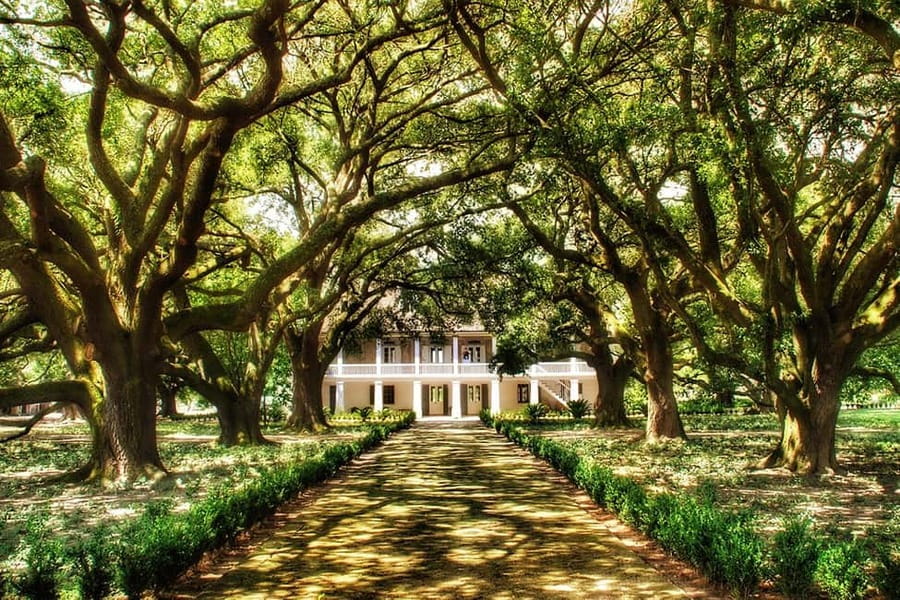
The Big House is one of the key architectural features of the site. The building is described as one of the finest surviving examples of Spanish Creole architecture in Louisiana, and it is also an early raised Creole cottage in the state. If you like architecture, you will notice details as you move through the grounds.
But the museum’s framing is what makes that architecture feel meaningful instead of ornamental. You are not using the house as a shortcut to skip the hard parts. The tour structure keeps pulling you back toward the people the plantation relied on.
So, yes, you get that historic building to see. But you also get context that makes it impossible to romanticize. When your audio narration ties the physical structure to the system that produced wealth, the building becomes evidence, not entertainment.
Outbuildings, memorial art, and first-person narratives
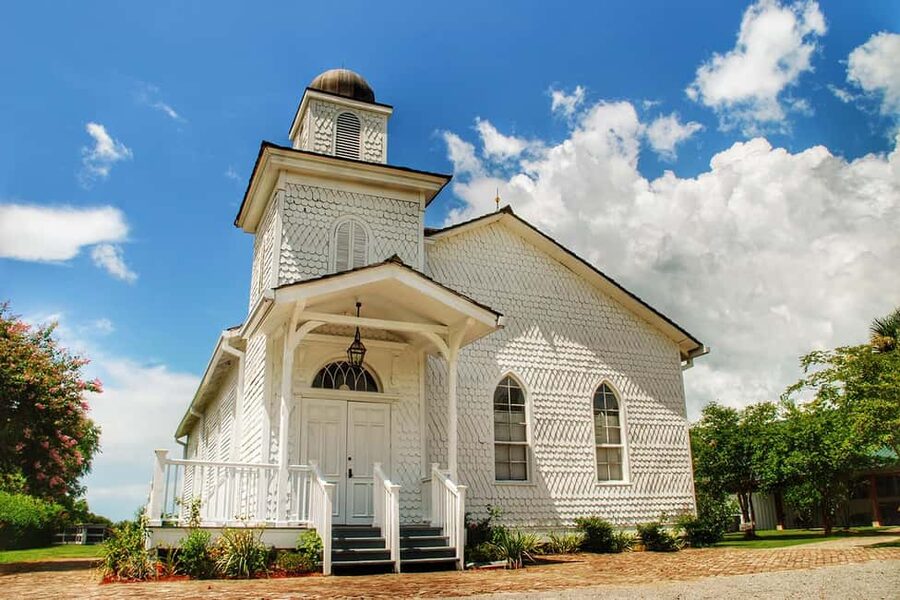
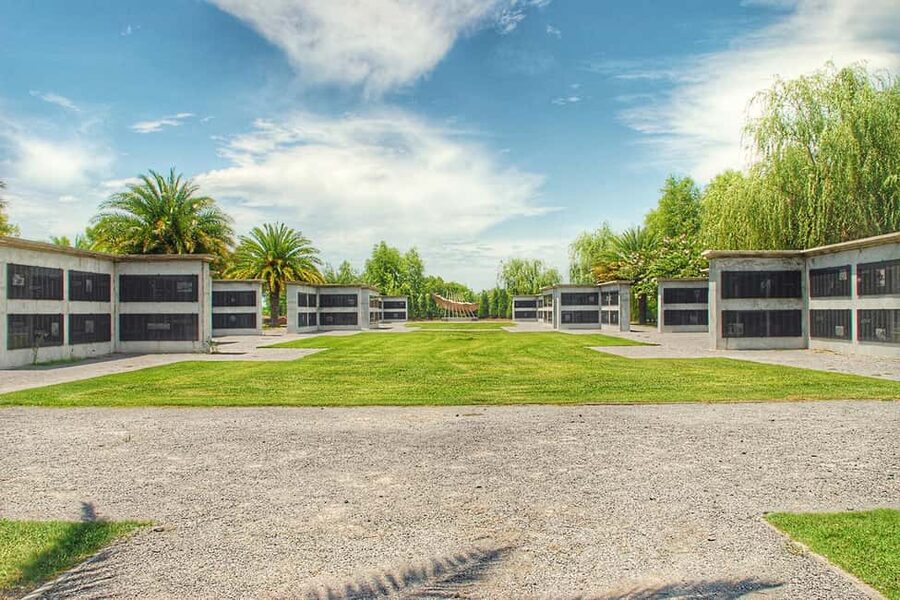
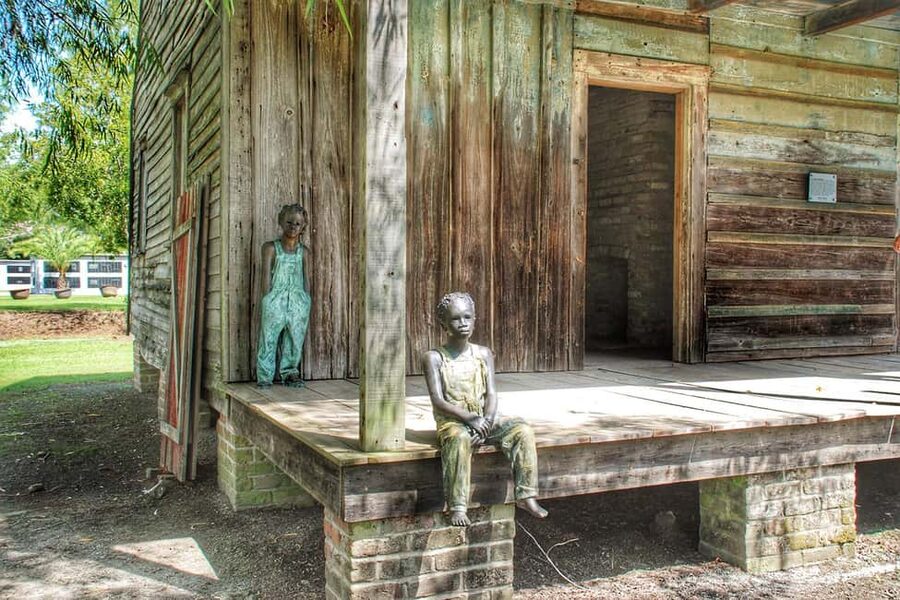
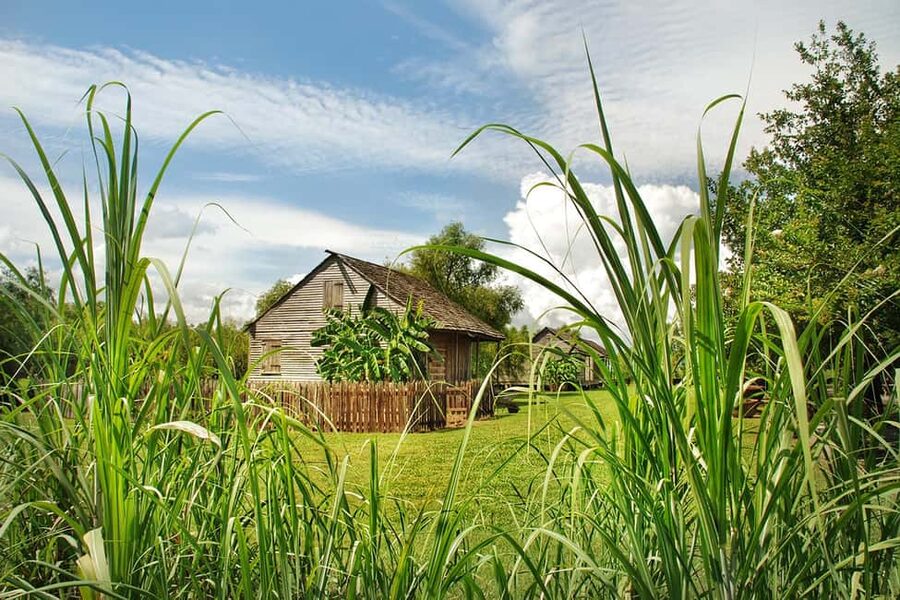
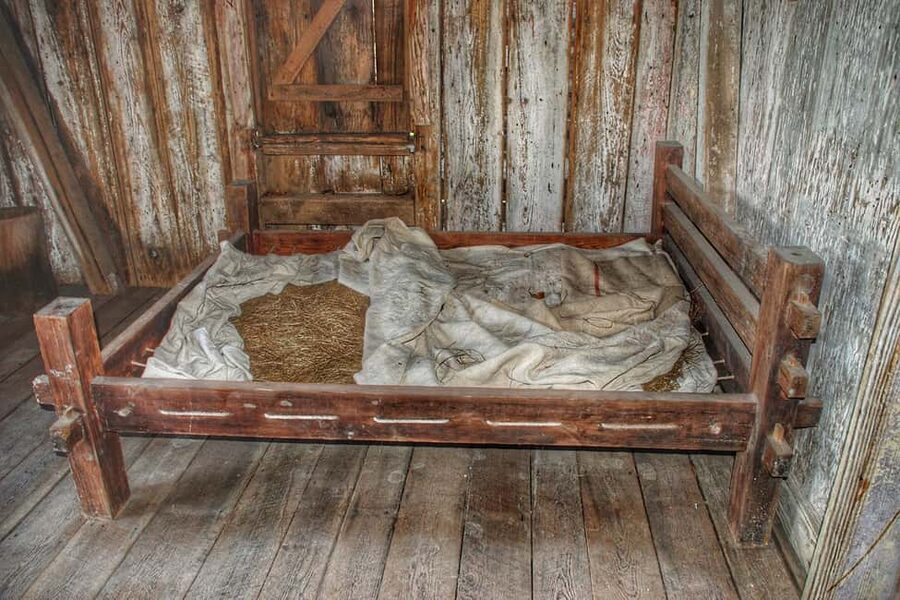
Whitney Plantation’s historic outbuildings are a major reason this site gives you a broader picture of how plantations actually functioned. Instead of focusing only on the main residence, Whitney’s district includes historic buildings added over time. That lets you see how the plantation evolved, and how daily life was organized around labor needs.
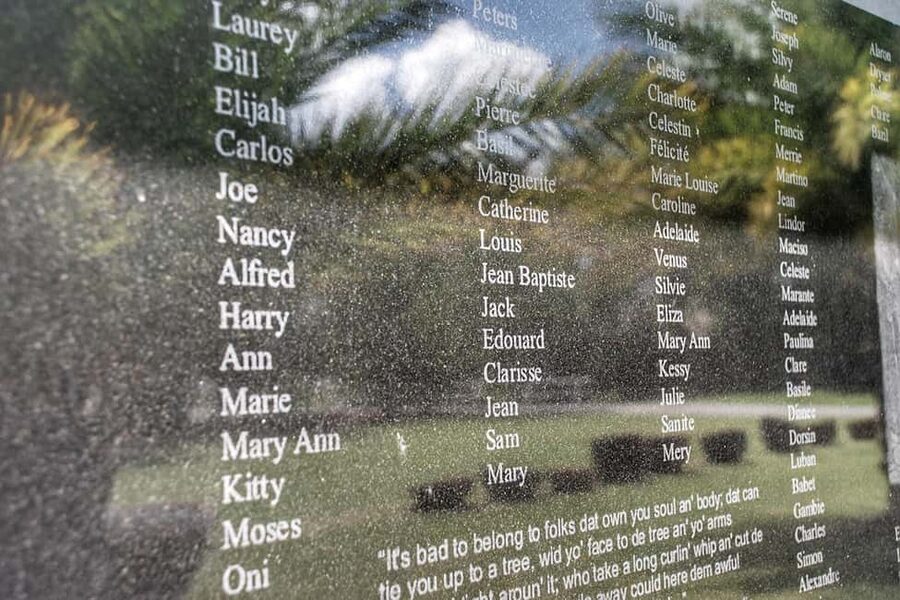
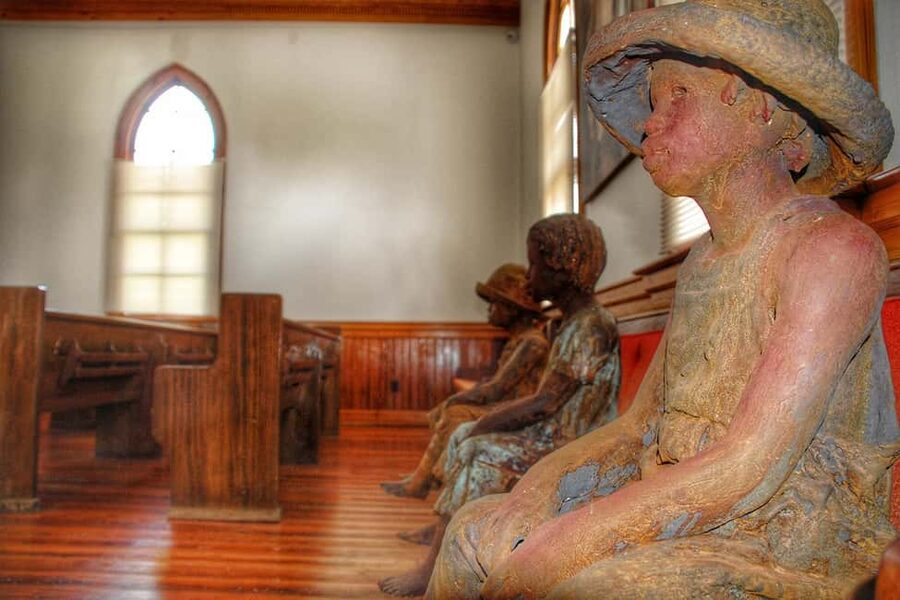
The audio tour centers “first-person” slave narratives and memorial artwork across the grounds. That does not just give you facts. It gives you a sense of voice and presence, which is exactly what many people want from this kind of visit.
A repeated theme in strong reviews is that the museum’s focus stays on slavery, not on the owners. People also appreciate the respectful tone and the fact that the exhibits and the trail feel designed to support reflection rather than spectacle. You will likely find yourself slowing down at certain spots, not because the museum forces you to, but because the stories on the audio track naturally demand it.
Still, there is a timing reality. The time on site is around 2 hours, and at the end you need to make it back to the bus. One review notes the visit ended feeling a little rushed for those who wanted more silent time to absorb everything. If you are sensitive to heavy content, consider mentally preparing for a “learn and process” pace rather than a “sit and linger” pace.
Comfort details that matter: bus, A/C, and the second floor stairs
For a day trip from New Orleans, the bus is a big part of comfort. The transport is described as round-trip by air-conditioned bus, and reviews mention modern, comfortable coaches.
If you care about small practicalities, here is what I would plan around:
- Bring layers. A/C on buses can feel cold, especially during any afternoon humidity.
- Wear shoes suited for walking on a property.
- Use the audio at a comfortable volume for you, since you may be listening for long stretches outdoors.
Accessibility notes are also important and should shape your expectations. The local partner provides wheelchair access, but it does not cover scooters or walkers. Vehicle lifts meet ADA requirements and are equipped for wheelchair storage, based on availability. Reservations for wheelchair accommodations need to be made 48 hours in advance to secure space.
One more constraint: the historic home has second-floor access by stairs only. If second-floor rooms matter to you, plan on the ground-floor experience being the main focus.
What $84 gets you, and why it can feel like good value
At $84 per person, you are paying for more than entry. You are paying for round-trip transportation plus the Whitney admission plus a self-guided audio tour. For many visitors, that combo is the sweet spot. It removes the headache of rental cars or navigating a new area in unfamiliar traffic.
The value also comes from the museum’s distinctive focus. You are not spending the same day on the same kind of plantation tour where the main house dominates. Whitney is built around slavery, and the audio experience is designed around first-person narratives. If that specific angle matches what you want to understand, the ticket feels more like access to a serious interpretive site than a generic sightseeing pass.
Finally, the format is efficient. In about 5 hours total, you go from New Orleans to a site with a national-level historical district status and then back again. That is a real advantage if you only have a day or two in town.
Who should book this Whitney Plantation trip
This is a strong fit if:
- You want a plantation experience that centers slavery, not the plantation owners.
- You like self-paced touring with audio rather than a nonstop lecture.
- You value respectful, well-structured memorial interpretation.
- You want local guide context during the drive, not just silence until you arrive.
It may feel like a tough fit if:
- You need lots of quiet, unhurried time on site. The on-property window is about 2 hours.
- You do not want emotionally heavy content.
- Mobility limits make walking difficult, or second-floor access is needed.
For most people, the best approach is to treat it as a reflective museum day with some walking, not as a casual photo outing.
Should you book the Whitney Plantation ticket with transportation?
I think you should book it if Whitney Plantation is on your must-do list for understanding slavery through place-based storytelling. The combination of round-trip bus service, entry, and self-guided audio is practical, and the museum’s slavery-first focus is exactly what many people are looking for when they want something more honest than the usual plantation circuit.
If you are on the fence, here is your deciding test: do you want the day to be about people who were enslaved, with narratives and memorials carrying the weight? If yes, this is a very strong use of your time in New Orleans. Just go in ready for a sobering experience, lace up your walking shoes, and give yourself permission to pause with the audio when you need to.
FAQ
Where do I meet for the Gray Line Whitney Plantation day trip?
You start at the Gray Line Lighthouse, 400 Toulouse St, New Orleans, LA 70130, located behind Jax Brewery. Arrive at least 15 minutes early to exchange your voucher for a boarding ticket.
How long is the tour from New Orleans?
The tour duration is listed as 5 hours total. Starting times vary, so you should check availability for the time options.
What is included in the price?
The package includes round-trip transportation by air-conditioned bus, an entrance ticket to Whitney Plantation, and a self-guided audio tour of Whitney Plantation.
Is food included?
No. Food and beverages are not included.
Is the Whitney Plantation portion self-guided?
Yes. You get a self-guided audio tour while you are on site.
How much time do I have at the plantation?
The experience is designed around about 2 hours on the property for the trail and exhibits.
Is wheelchair access available?
Wheelchair access is available through the local partner, including vehicle lifts that meet ADA requirements and support wheelchair storage (based on availability).
Are scooters or walkers allowed?
The access information says the partner provides access for wheelchairs but not scooters or walkers.
Is second-floor access available?
Access to the second floor is by stairs only due to the historic nature of the home.
Do I get free cancellation?
The activity includes free cancellation up to 24 hours in advance for a full refund.
Reviewed most recently around New Orleans
- New Orleans True Murder Tour: Sinister Criminal Intentions★ 5.0 · 729 reviews
- Honey Island Swamp Boat Tour★ 5.0 · 750 reviews
- Jean Lafitte 90-Minute Swamp and Bayou Boat Tour★ 4.5 · 762 reviews
- French Quarter Walking Tour With Comp 1850 House Museum Admission★ 5.0 · 781 reviews
- New Orleans Cocktail and Food History Tour★ 5.0 · 819 reviews
- New Orleans Lewd Spirits Haunted Tour with Bar Stops★ 5.0 · 823 reviews
- VIP Jazz Dinner Cruise with Private Tour and Open Bar Option★ 4.5 · 838 reviews
- Sunday Jazz Brunch Cruise in New Orleans★ 4.0 · 889 reviews
Plantation Tours, compared.

Swamp Boat Ride and Oak Alley Plantation Tour from New Orleans
Read our review →
Oak Alley Plantation Tour with Transportation from New Orleans
Read our review →
Boone Hall Plantation All-Access Admission Ticket
Read our review →
Whitney Plantation Tour with Transportation from New Orleans
Read our review →

Pearl Harbor, Dole Plantation, and Polynesian Center from Waikiki
Read our review →Browse the lists this tour appears in