
Reviewed · PLANTATION TOURS
New Orleans: Oak Alley Plantation Tour with Transportation
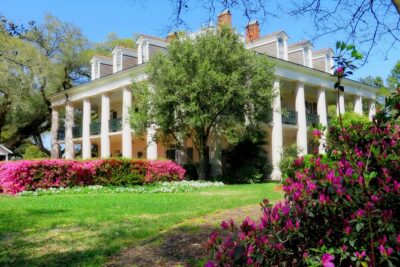
Oak Alley Plantation is one of those places where the photos pull you in fast, but the guided parts keep you thinking long after you’re back in New Orleans. The day pairs the iconic 1/4-mile Alley of Oaks with focused interpretation in the Big House and on the enslaved families’ side of the story.
Two things I really like: the tour is built around a guided Big House tour plus multiple interpretive exhibits (including the reconstructed cabins and an on-site interpreter). And you get round-trip transportation, so you’re not stuck wrestling with timing and parking on your own.
One possible drawback: the experience can feel time-boxed, especially if you’re hoping for a slow walk through every garden path and placard at your own pace. If your priority is extra wandering time, you’ll want to plan how you’ll spend your free minutes on the grounds.
Key things that make this tour worth your time
- Round-trip coach transportation saves you from a long, logistics-heavy day on your own.
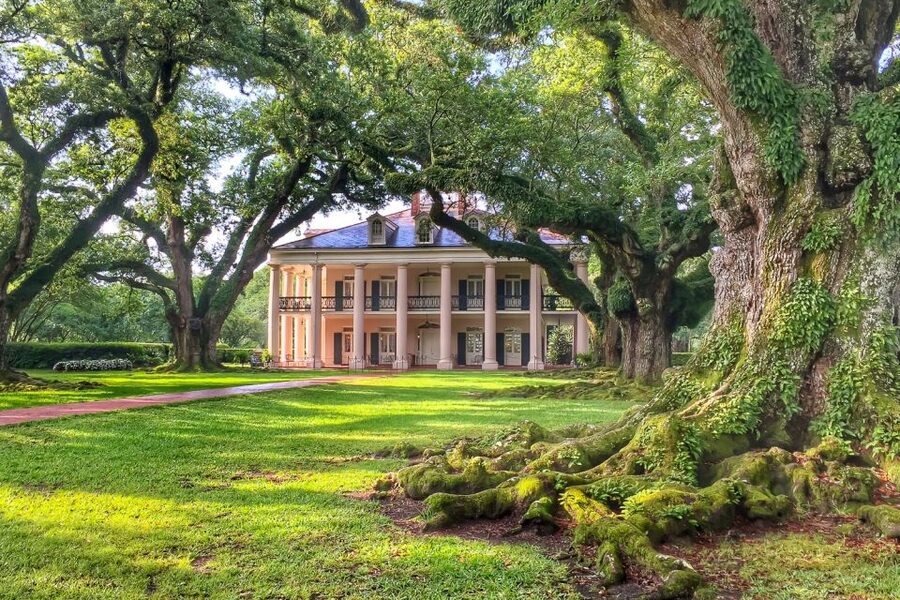
- Guided Big House tour gives context for a Greek Revival mansion built in 1839.
- Slavery at Oak Alley interpretation includes reconstructed slave cabins and a slavery exhibit with an interpreter.
- Hands-on working-plantation exhibits like the blacksmithing area with the plantation’s original forge, plus the Sugarcane Theater film and displays.
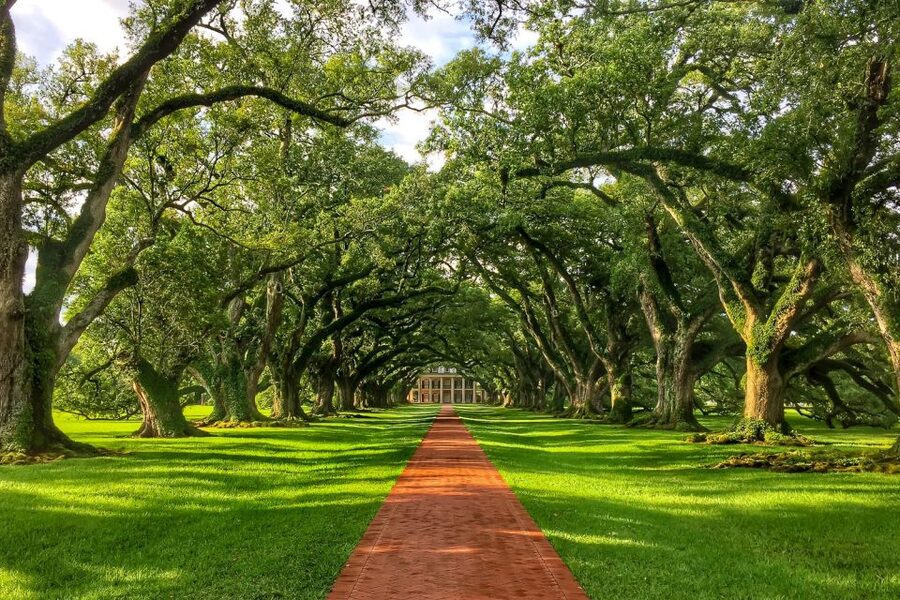
- Iconic Allee of Oaks created using slave labor during the 1820s to 1840s, with the 1/4-mile walk as a centerpiece.
- Optional Manchac Swamp upgrade for a 90-minute pontoon cruise where you can watch for alligators.
The day starts with transport, not stress
Oak Alley is far enough outside New Orleans that I’d rather not drive myself. This tour handles the hard part, getting you from central New Orleans to the plantation and back. The meeting point is at the Lighthouse Ticket Office at Toulouse St. and the Mississippi River, at the Steamboat Natchez dock right behind JAX Brewery. Tours depart from 400 Toulouse Street.
A lot of the value here is in that ride. Several guides have a talent for turning the drive into part of the learning. People have specifically called out Robert on the route and Michelle as a guide, with narration that makes the plantations you pass feel less like random scenery and more like a connected system.
Practical tip: show up about 15 minutes early with your barcode voucher ready. That small buffer helps you avoid the last-minute rush that always hits when you’re boarding a bus.
Other plantation-history visits:
- Swamp Boat Ride and Oak Alley Plantation Tour from New Orleans
★ 5.0 · 3,303 reviews - Oak Alley Plantation Tour with Transportation from New Orleans
★ 4.5 · 1,747 reviews - Whitney Plantation Tour with Transportation from New Orleans
★ 4.5 · 1,351 reviews
The drive to Oak Alley: plantations you can actually see
On the way out, you cross over one of Louisiana’s big watery landmarks. You get a panoramic view of Lake Pontchartrain as you cross the Bonnet Carre Spillway, which functions as the flood outlet of the Mississippi River.
Then you roll past other plantation properties, including Whitney, Evergreen, Felicity, and St. Joseph. Even if Oak Alley is your main stop, this helps you understand why these places mattered to trade and crops like sugarcane, cotton, and indigo.
In at least one experience, the bus ride took about an hour to an hour and a half each way. Plan your day assuming a chunk of travel time. It’s not a quick hop, but the tradeoff is a relaxed ride with less decision-making for you.
Arrival moment: that 1/4-mile Alley of Oaks walk
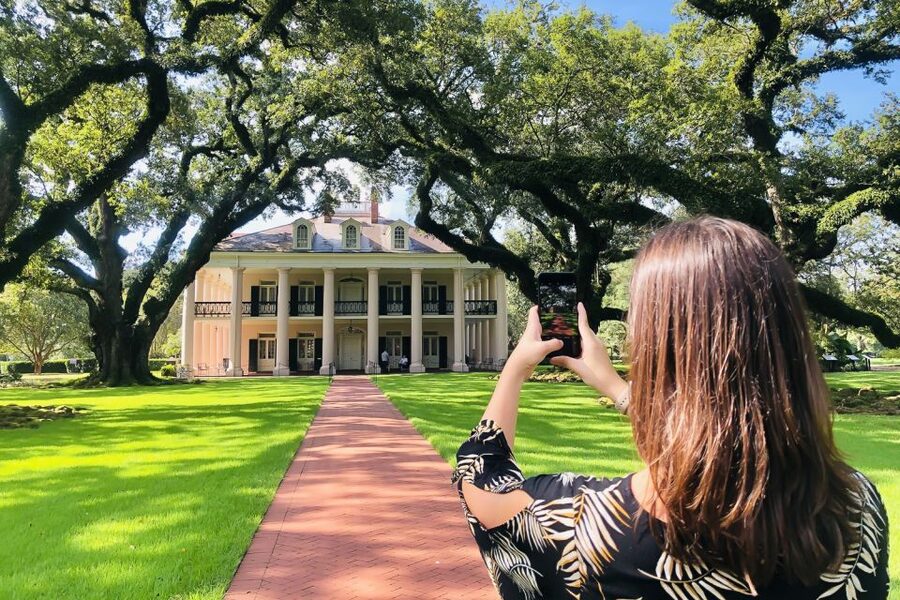
The centerpiece is the Allee of oaks, a 1/4-mile stretch created using slave labor sometime in the 1820s to 1840s. When you arrive, you’ll walk it as part of the experience, and the sheer scale is the instant wow factor.
I like this approach because it does not start with the mansion. It starts with the physical space people built and worked around. The trees become more than a pretty photo line. With the interpretive framing, the walk turns into a walking reminder of the human labor behind the grandeur.
A small timing consideration: photography is encouraged on the balcony, grounds, and in self-paced exhibits, but cameras are not allowed inside the plantation home. So when you reach the oaks, that’s a great moment to use your phone or camera outside while you still can.
Big House tour in a 1839 Greek Revival mansion
The Big House is the headliner, and it’s not just because it looks impressive. The mansion is a Greek Revival home built in 1839, designed to communicate success, prestige, and power.
Your guided tour focuses on life inside the Big House for both the planter family and the enslaved. That framing matters. It keeps the mansion from feeling like a standalone museum object. Instead, it connects rooms and details back to systems that determined whose labor built the comfort you see.
Two practical notes so you can plan your day:
- No photography or video is allowed inside the plantation home.
- Inside the Big House exhibit, electronic devices must be turned off and cell phones muted.
If you’re thinking, wait, I just want a quick snapshot, save that energy. You’ll have plenty of other moments on the balcony and grounds, plus the self-paced exhibits.
Mobility heads-up: the second floor involves 22 stairs. The tour is wheelchair accessible overall, and there’s a video tour option in the media room for guests who cannot climb those stairs. Seating is limited for that option, so reserve it only if you truly need it.
Stack these New Orleans options against each other
- New Orleans Premier Ghost, Voodoo and Vampire Walking Tour
★ 4.5 · 12,856 reviews - New Orleans Steamboat Natchez Jazz Cruise with Dinner Option
★ 4.0 · 7,533 reviews - Adults-Only New Orleans Ghost, Crime, Voodoo, and Vampire Tour
★ 5.0 · 6,545 reviews - New Orleans Food Walking Tour of the French Quarter with Small-Group Option
★ 5.0 · 6,118 reviews
Working-plantation exhibits: sugarcane and blacksmithing
Not every plantation tour does the practical work details well. Here, you get two standouts that help the day feel grounded.
First is the Sugarcane Theater, which shares a film on sugarcane production and includes displays. It’s a clear way to understand what was grown, how it turned into wealth, and why plantation life was built around labor schedules.
Second is the blacksmithing exhibit, including the plantation’s original forge. Even if you’ve never thought about plantation-era tools, seeing blacksmith work represented in context helps you imagine what kept everything running. It shifts your attention from only the house and the drama around it to the machinery of daily life.
These are the kinds of stops that I find useful because they turn broad history into something you can picture with your own brain.
Reconstructed slave cabins and the Slavery at Oak Alley exhibit
The emotional core of this tour is the interpretation on the enslaved families’ side. You’ll see reconstructed slave cabins and a slavery exhibit with an interpreter. The interpreter element is important because it means the story is not just signage on a wall. You can ask questions and get live context.
The tour also includes discussion of the lives and legacies of those who were enslaved here, with attention to both free and enslaved people tied to the plantation’s history.
I’m glad this is included, because it keeps the experience honest. Oak Alley is famous for the mansion and the oaks, but the tour structure refuses to let that be the whole story.
One note from experiences: some people felt the house portion ran a bit fast, and they wanted more time to slow down with placards and artifacts. If you want to spend extra time with the slavery interpretation, you might plan to head to those exhibits early, before your group’s pacing pressure builds.
Gardens, post-Civil War context, and what you do with your time
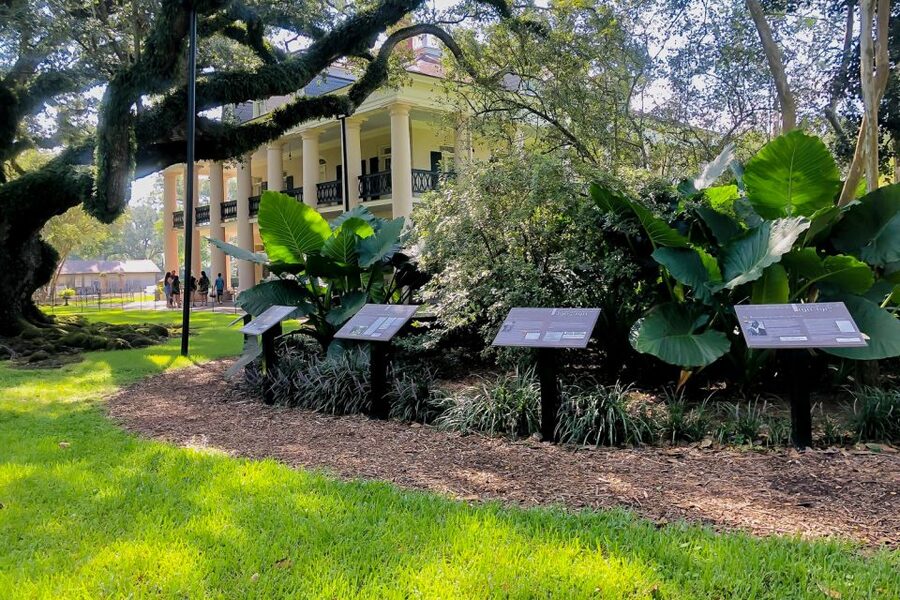
After the main guided pieces, you’ll move through the property at a pace you can manage. There are East and West Gardens reflective of the 1840s and the 1930s, which helps show how tastes and use changed across time.
You’ll also have an exhibit on subsequent owners following the Civil War. That’s a useful inclusion because it stops the story from ending with emancipation like a book closing on the last page. You’ll see how ownership and property use evolved afterward.
Then there’s the café break. You can buy a snack, salad, or sandwich at the Plantation Café, and you can eat at picnic tables or aboard the coach. A couple people specifically mentioned that the café meal options were fine, but the time to eat can feel short if the guided house tour timing is fixed.
A practical strategy: if you’re sensitive to tight timing, grab your food quickly when you have the chance. If you wait until the end, you may end up with the kind of rushed lunch that makes you miss what you paid for.
Optional 90-minute Manchac Swamp upgrade
If you want your day to go beyond oaks and architecture, the swamp tour upgrade is a smart add-on.
With the 90-minute Manchac Swamp option, you take a short ride to Manchac Swamp and cruise through a privately-owned wildlife refuge on a comfortable, covered pontoon boat. A local captain drives the boat, and the narration includes history and Cajun culture tied to fishing, hunting, and trapping.
Expect wildlife. Keep your eyes peeled for alligators as they leap up for snacks. Even if you’re not a big nature person, this is a nice contrast to plantation buildings because it’s active, outdoors, and not just interpretive.
Worth noting: the upgrade adds time, so it’s best if you’re okay with a longer day rather than trying to cram this into a tight schedule.
Price and value: why $89 can make sense here
At $89 per person, you’re paying for more than entry. You’re paying for round-trip transportation plus guided components and multiple included exhibits.
For me, the value comes from the combination:
- You get to the plantation without long self-driving logistics.
- You get a guided tour of the Big House rather than only self-guided rooms.
- You get several interpretive stops bundled into the visit, not just the oaks and the gift shop loop.
If you were to do it DIY, you’d still need to solve for getting there, figuring out timing, and coordinating what you see in one half-day chunk. Here, the structure does that work for you.
Also, the swamp upgrade is optional. That means you can match the day to your interests, oaks and buildings only, or add wildlife and Cajun culture.
Who this tour fits best
This tour is a good match if you want:
- Guided interpretation in and around the Big House
- A clear emphasis on the enslaved community through reconstructed cabins and a slavery exhibit with an interpreter
- Less driving hassle, thanks to round-trip transportation
- A flexible add-on in the form of the Manchac Swamp pontoon cruise
It might be less ideal if you’re the type who needs hours to wander without group pacing. Some experiences reported that on-property time can feel tighter than expected. If you’re hoping for a long, slow soak through every building and placard, bring patience and choose your priorities.
Should you book Oak Alley with transportation?
Yes, I’d book it if you want a structured day that includes both the famous oaks and the interpretive pieces you should not skip. The Big House guide, the slavery exhibit with an interpreter, and the working-plantation elements like the Sugarcane Theater and blacksmithing make it more than a pretty photo stop.
But book it with eyes open. Plan your day as a half-day to full-day outing, not a quick detour. If you care most about wandering time, you may find the pacing tight. And if you want the most breathing room, treat the café as a quick stop, not a long sit-down lunch.
If you want, tell me your travel month and whether you plan to add the swamp tour. I’ll help you pick the best approach for your pace.
FAQ
Where do I meet for the Oak Alley tour from New Orleans?
You’ll meet at the Lighthouse Ticket Office at Toulouse St. and the Mississippi River, at the Steamboat Natchez dock behind JAX Brewery. Tours depart from 400 Toulouse Street, New Orleans, LA 70130. Show your barcode voucher 15 minutes in advance.
Are cameras allowed during the tour?
Cameras are not allowed. Also, inside the plantation home, photography and video are not permitted, and electronic devices must be turned off and cell phones muted while in the Big House exhibit.
What is included besides the Big House guided tour?
In addition to the guided Big House tour, the visit includes the Sugarcane Theater, reconstructed slave cabins and a slavery exhibit with an interpreter, a blacksmithing exhibit with the original forge, East and West Gardens, and an exhibit about subsequent owners following the Civil War.
How long is the tour, and is lunch included?
The tour duration is 315 to 465 minutes. Lunch is not included, but you can purchase grab-and-go items like sandwiches, salads, and snacks at the Plantation Café.
What does the 90-minute Manchac Swamp upgrade include?
The upgrade adds a 90-minute pontoon boat cruise through a privately-owned wildlife refuge in Manchac Swamp. The boat is covered, driven by a local captain, and you’ll learn about Frenier and Cajun culture of fishing, hunting, and trapping. Alligators may be seen as they leap up for snacks.
Is the tour wheelchair accessible?
Yes. The tour is wheelchair accessible, and most exhibits are handicapped accessible. The second floor of the Big House exhibit requires climbing 22 stairs, but a video tour is available in the media room for guests who cannot climb them.
Reviewed most recently around New Orleans
- New Orleans True Murder Tour: Sinister Criminal Intentions★ 5.0 · 729 reviews
- Honey Island Swamp Boat Tour★ 5.0 · 750 reviews
- Jean Lafitte 90-Minute Swamp and Bayou Boat Tour★ 4.5 · 762 reviews
- French Quarter Walking Tour With Comp 1850 House Museum Admission★ 5.0 · 781 reviews
- New Orleans Cocktail and Food History Tour★ 5.0 · 819 reviews
- New Orleans Lewd Spirits Haunted Tour with Bar Stops★ 5.0 · 823 reviews
- VIP Jazz Dinner Cruise with Private Tour and Open Bar Option★ 4.5 · 838 reviews
- Sunday Jazz Brunch Cruise in New Orleans★ 4.0 · 889 reviews
Plantation Tours, compared.
Swamp Boat Ride and Oak Alley Plantation Tour from New Orleans
Read our review →
Oak Alley Plantation Tour with Transportation from New Orleans
Read our review →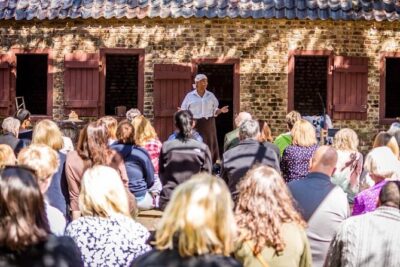
Boone Hall Plantation All-Access Admission Ticket
Read our review →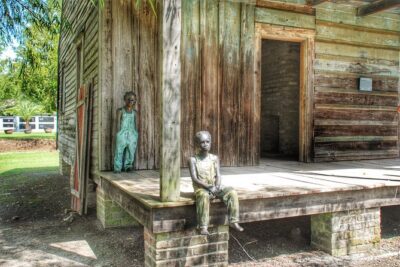
Whitney Plantation Tour with Transportation from New Orleans
Read our review →
Pearl Harbor, Dole Plantation, and Polynesian Center from Waikiki
Read our review →Browse the lists this tour appears in