
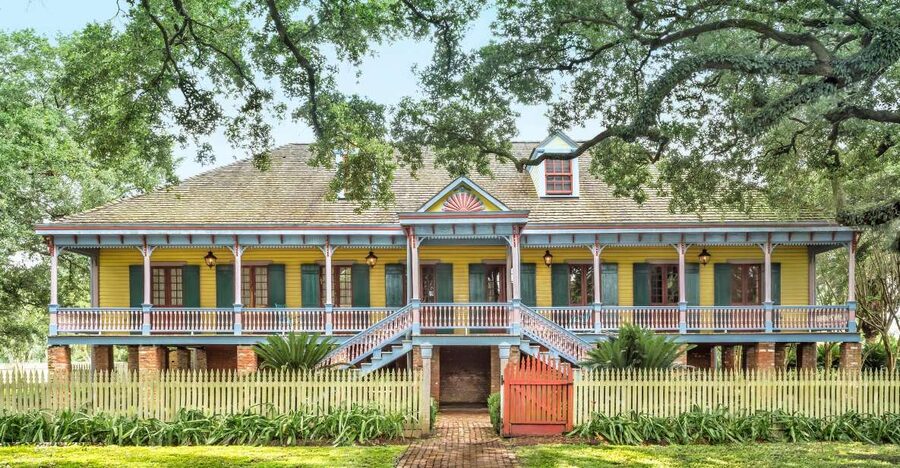
Reviewed · PLANTATION TOURS
New Orleans: Laura Creole Plantation Guided Tour
Laura Plantation is interesting because it tells the Creole story in place, not just in theory. You’ll move through the 1805 Maison Principale and the grounds where people lived and worked, with four generations of Louisiana Creole family accounts guiding what you see. It is direct, specific, and often emotional.
I like that the tour focuses on real personal stories, including free and enslaved people on the sugar plantation. And I really love the way the guide answers questions and keeps the group moving at a human pace, like Renee did when I watched her handle a slower group and lots of picture requests. You also get French and English storytelling, with some guides even slipping in French for a guest who needed it.
One drawback to consider: this is rain or shine, there’s no elevator, and you’ll climb about 15 steps to reach the Maison Principale. If your walking tolerance is limited, or if a long day on your feet is hard, plan carefully and bring that umbrella.
Key moments to look for
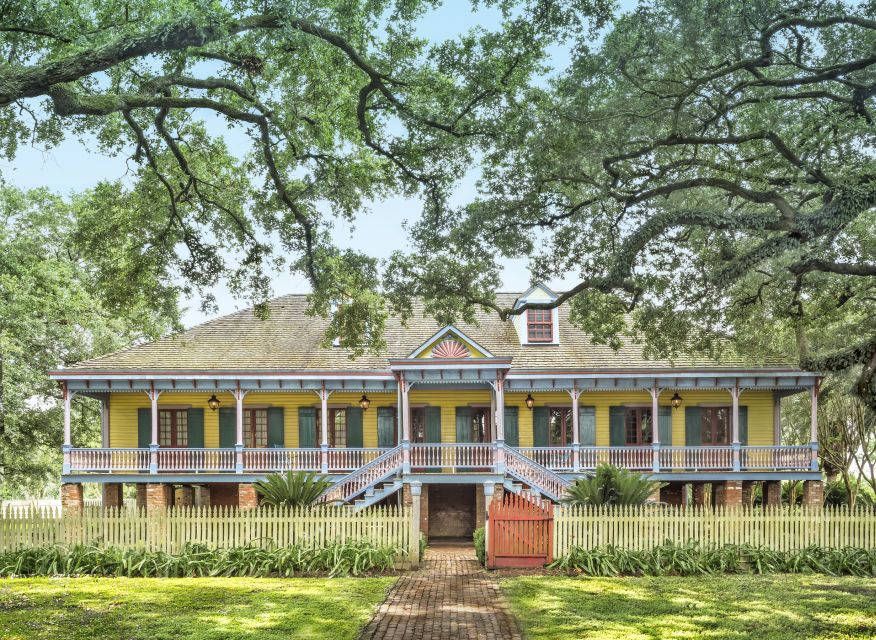
- Four generations of Louisiana Creole family stories, including both free and enslaved lives
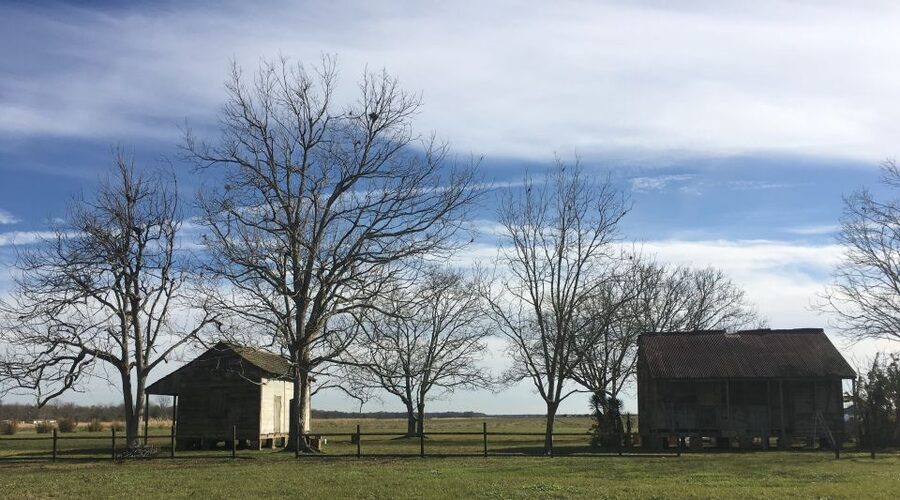
- 1840s slave cabins tied to Louisiana Compair Lapin stories
- The 1805 raised-house Maison Principale, with galleries and rooms that show how the home functioned
- Three gardens: Jardin Français, the kitchen potager, and the BananaLand grove
- 12 National Register buildings across the grounds, including overseers’ cottages and the 1829 Maison de Reprise
Laura Plantation near New Orleans: what the tour is really about
This tour is built around one idea: you can understand a plantation better when you stand where daily life happened. Laura Plantation sits on the West Bank of the Mississippi, in what locals call plantation country, and the experience is designed to move you through both the home and the enslaved quarters without skipping the hard parts.
What makes it more than a quick stop is the tone of the stories. You’ll hear intimate accounts of four generations of a Louisiana Creole family, drawn from handwritten memoirs and archival documents from the United States and France. That detail matters because it shapes the pacing. Instead of a generic overview, you get people, relationships, and choices, tied to rooms and buildings you can actually point at.
Other plantation-history visits:
- Swamp Boat Ride and Oak Alley Plantation Tour from New Orleans
★ 5.0 · 3,303 reviews - Oak Alley Plantation Tour with Transportation from New Orleans
★ 4.5 · 1,747 reviews - Whitney Plantation Tour with Transportation from New Orleans
★ 4.5 · 1,351 reviews
The guided rhythm at 2247 LA-18 and how to plan for travel time
You’ll meet at 2247 LA-18, and check in at the admissions window inside the Laura Plantation Gift Store. From New Orleans, that drive can take more time than your day plan expects, so I strongly suggest building in buffer time for traffic. This isn’t a “pop over for an hour and be back for lunch” kind of trip.
Also, it is rain or shine. You’ll do indoor and outdoor walking, so treat it like a real outing, not a quick museum circuit. Comfortable shoes are essential, and the tour guide team expects you to move between different areas of the property.
If you’re thinking about taxis, use care. The guidance is to avoid taxi service unless the driver will wait for you in the parking lot. Free parking is included, so if you’re driving yourself, that can simplify the day.
Entering the Maison Principale: an 1805 raised house you can actually read
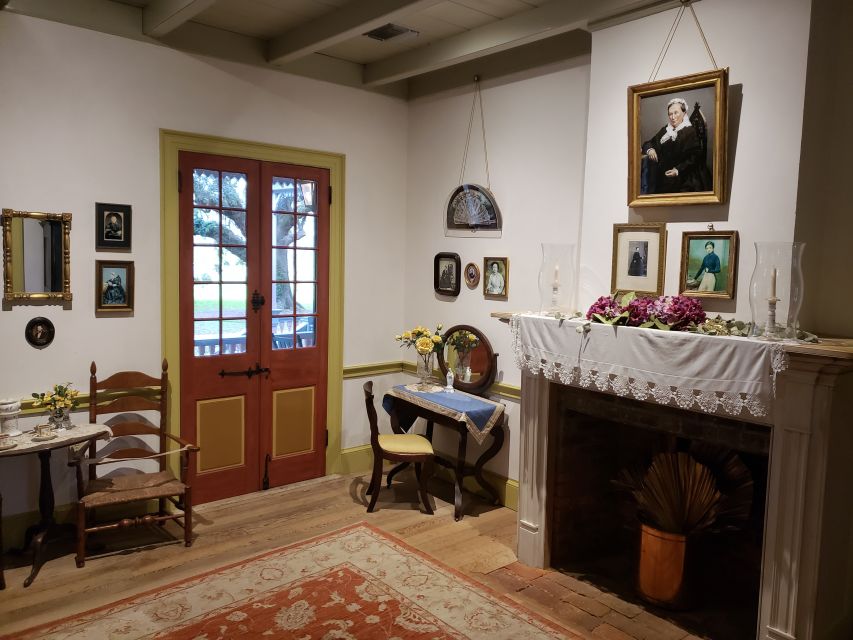
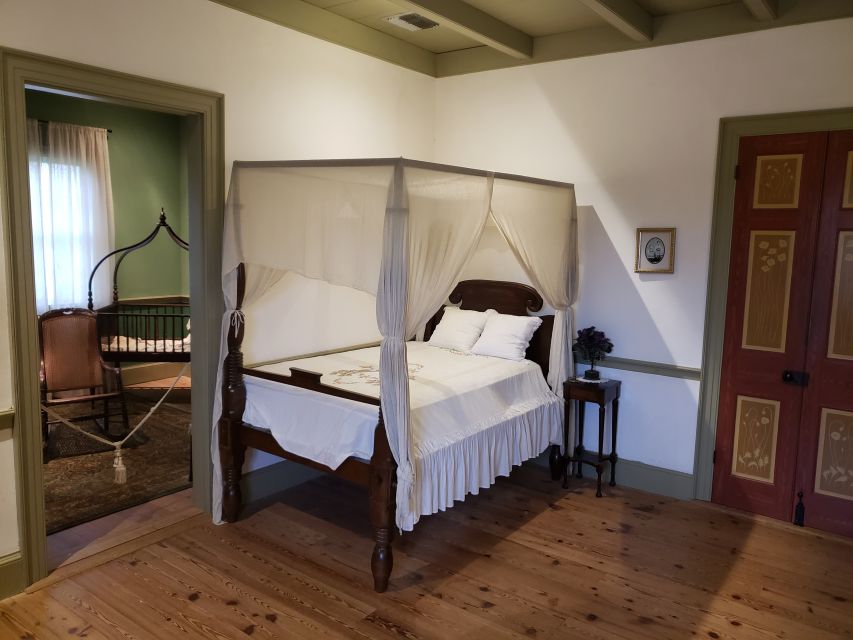
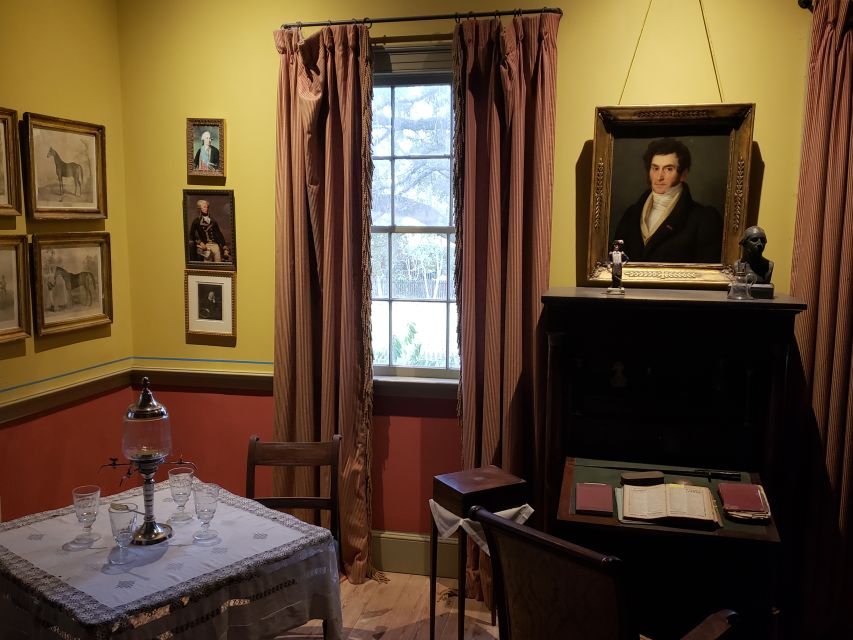
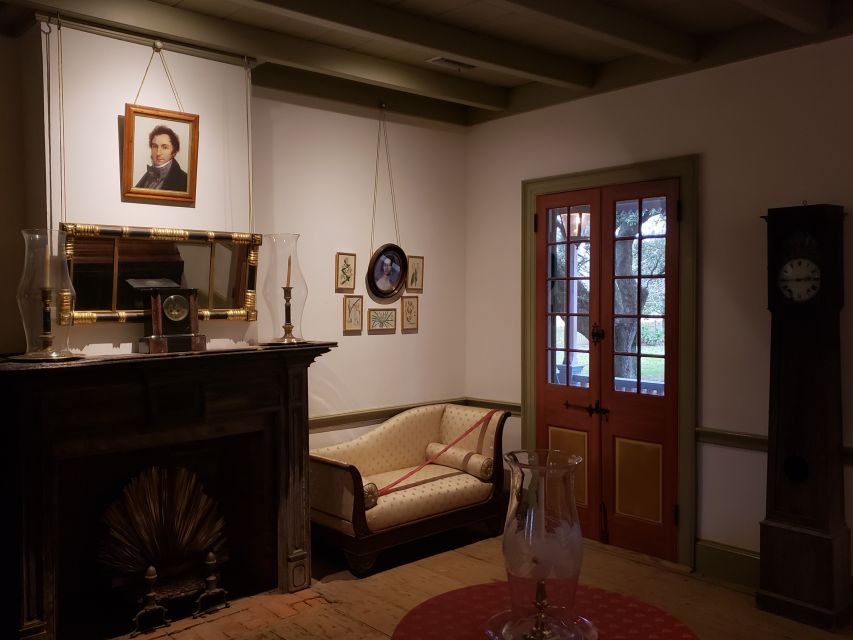
The centerpiece is the 1805 Maison Principale, a traditional Louisiana Creole raised house. You’ll go inside and also move through spaces like the raised basement and galleries, which helps you understand how the building worked as both a family home and the office for the sugar plantation.
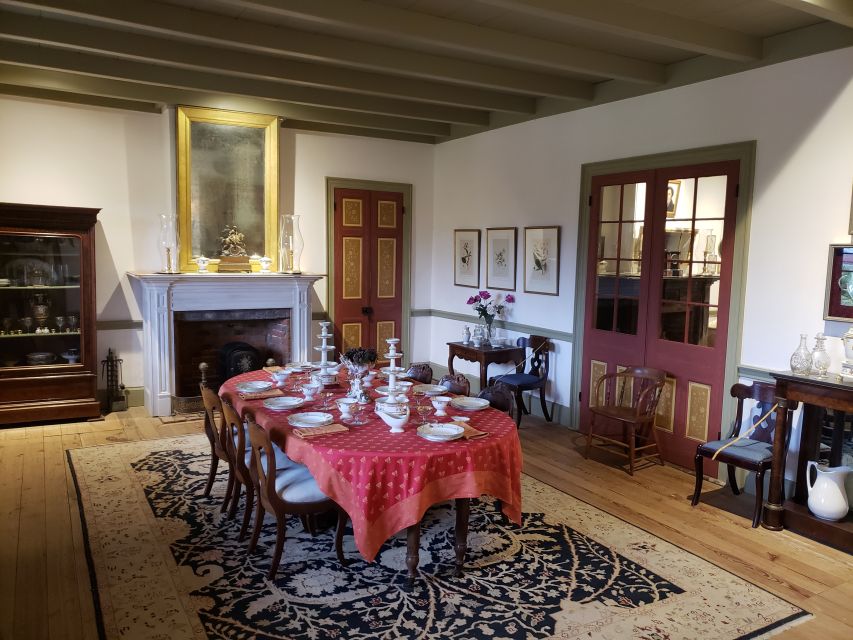
Expect a tour that slows down for room-by-room details: men’s and women’s parlors, service rooms, and common rooms. Even if you think you know what a plantation home looks like, the raised structure changes the story. It reminds you that this was built for function, climate, and plantation business, not just style.
One practical note you should not ignore: there’s no elevator, and you’ll climb and descend about 15 steps to access the Maison Principale. If stairs are a challenge, consider whether this experience matches your physical comfort level. The good news is the tour is short at 75 minutes, so it is not a multi-hour ordeal.
Gardens with a purpose: Jardin Français, potager, and BananaLand grove
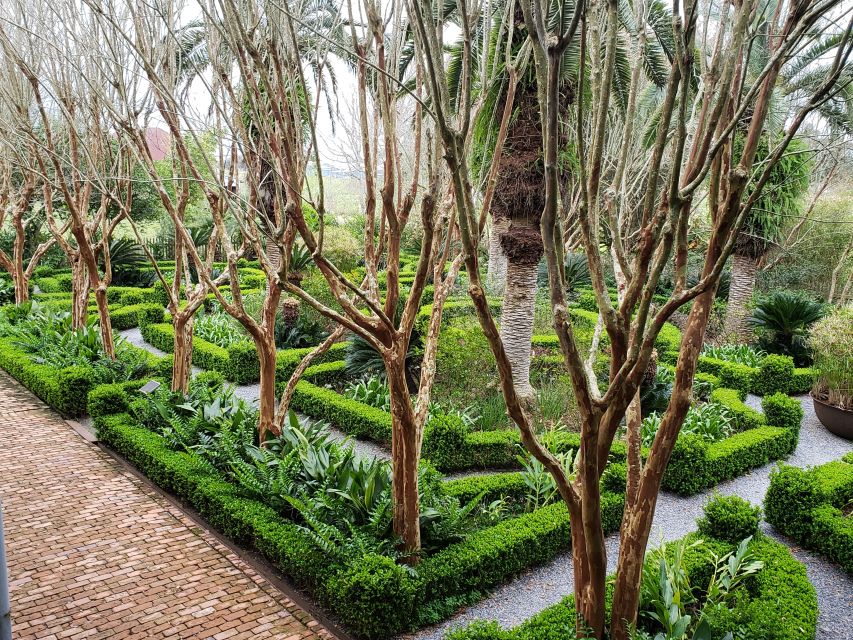
Between house interiors and the quarters, you walk through three gardens that were part of how the property supplied food and daily life. Jardin Français is one of the named gardens, and you’ll also see the kitchen potager and the BananaLand grove.
I like that the garden stops are not treated like postcard scenery. The guide uses them to connect the plantation’s household rhythm to plantings, labor, and seasonal needs. Even on a grey day, this part gives your eyes something to do and your brain something to organize. You’ll leave with a better sense of how the estate operated as a living system.
If you’re the kind of person who takes photos, this is where I’d focus. There’s enough variety here to get clear pictures without needing extra equipment, and you won’t be fighting crowds because the tour moves as a group.
Stack these New Orleans options against each other
- New Orleans Premier Ghost, Voodoo and Vampire Walking Tour
★ 4.5 · 12,856 reviews - New Orleans Steamboat Natchez Jazz Cruise with Dinner Option
★ 4.0 · 7,533 reviews - Adults-Only New Orleans Ghost, Crime, Voodoo, and Vampire Tour
★ 5.0 · 6,545 reviews - New Orleans Food Walking Tour of the French Quarter with Small-Group Option
★ 5.0 · 6,118 reviews
Enslaved quarters and the 1840s cabins: why the stories feel different
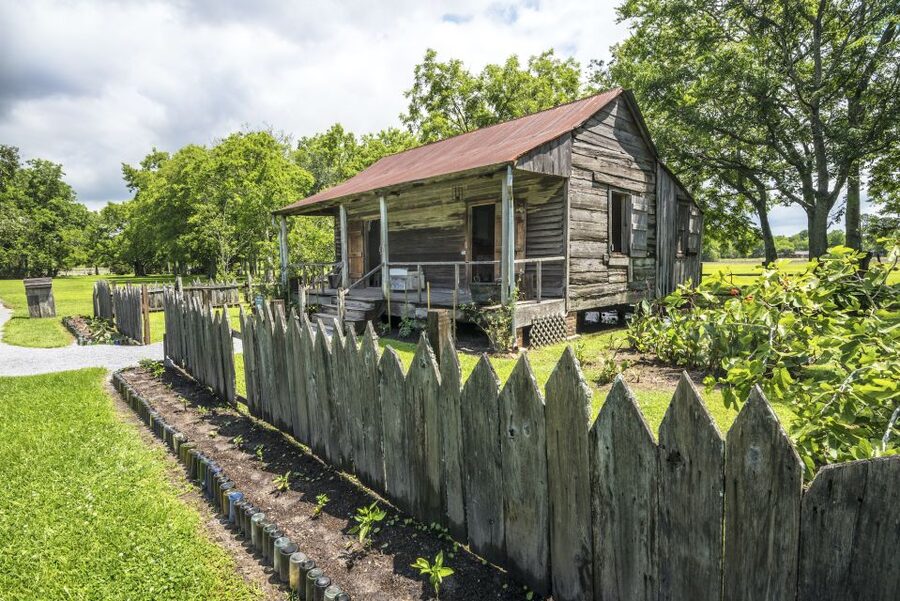
This is the most important part of the tour. The grounds include original 1840s slave cabins, and you’ll hear the enslaved community story as part of the overall narrative, not as a separate add-on.
You’ll also learn about Louisiana Compair Lapin stories recorded in those cabins. That detail is meaningful because it highlights how culture, humor, and resistance could survive inside captivity. The tour doesn’t treat those stories as folklore detached from real life. It connects them to the setting where they were shared.
You’ll hear accounts of women, children, and men who lived and labored on the sugar plantation. The tour framework includes both free and enslaved family members, which can be jarring at first, but it gives a more accurate picture. Plantation life was not a single uniform experience. It was a system with different roles, different constraints, and different forms of power.
One more real-world point: you need to be prepared for emotional content. If you’re sensitive to the subject of slavery, go in with a calm pace. This is not a light history tour, but it is an important one.
The wider grounds: 12 buildings on the National Register
After the core house and quarters focus, you continue around the property’s grounds. There are 12 buildings on the National Register, and the tour highlights spaces like animal barns, overseers’ cottages, and the 1829 Maison de Reprise.
This part helps the plantation stop feeling like a single “big house versus cabins” scene. You see the machinery of oversight and production. You also get a sense of the working layout, which makes the stories you heard inside the Maison Principale feel less abstract.
If you like structure, this section is for you. The guide ties what you see to how people used the grounds. If you prefer a looser style, you might want to lean into the guide’s pace rather than trying to race ahead for photos.
The onsite museum: your extra time after the 75-minute tour
Once the guided portion ends, you can tour the onsite museum exhibit on your own. The exhibit is titled From the Big House to the Quarters: Slavery on Laura Plantation.
I recommend using this time to slow down. A guided tour compresses a lot into a short window, and self-guided museum time is where you can linger on the details that grabbed you. If your brain needs time to absorb what you just learned, this stop gives you breathing room.
Even if you plan to only spend a few extra minutes, it’s worth it. This experience is strongest when you keep the story going after the last sentence from the guide.
Price and what makes it feel like a fair deal
At $32 per person for a 75-minute guided tour, the price is reasonable for what you get: access to the main house areas, gardens, original slave cabins, and a built-in museum follow-up time. You’re paying for interpretation in a very specific setting, not just for an attraction with a general brochure.
Also, free parking is included, which can matter when you’re coming from New Orleans. And the guides tell stories in English and French, so you can stay in your preferred language without relying on headphones or scanning your phone.
If you’re trying to decide between this and a more generic plantation visit, I’d pick this when your goal is to understand how the Creole plantation worked and how enslaved people are represented in that story. The personal accounts element makes it feel less like a lecture and more like a guided walking narrative.
Who this tour suits best
This is best for adults and older teens who can handle stairs and a serious subject. Children under 12 are not suitable, which tells you the pacing and content are meant for an audience ready for it.
You’ll also get the most value if you like guided Q and A and want the story tied to actual rooms and buildings. The guides often take time to answer questions and adjust to a slower group pace, and that’s a big quality marker for me.
Finally, if you care about Creole Louisiana culture, this tour gives you language, architecture, gardens, and community stories in one place. It’s not just “plantation trivia.” It’s a guided explanation of how the world looked and how people experienced it.
A few practical rules that affect your day
The experience has clear on-site rules. You can take personal photos, but selfie sticks, tripods, and video recording are not allowed. Food is also not allowed, and you cannot smoke.
You’ll want a simple day pack. Backpacks are not allowed, so plan for a phone, wallet, and maybe a light layer. And bring an umbrella, because the tour takes place rain or shine.
Should you book the Laura Creole Plantation guided tour?
Yes, if you want a focused 75-minute tour in a real plantation setting where the story includes enslaved people and is tied to specific buildings. The guide-led personal storytelling, the Maison Principale details, the original slave cabins, and the follow-up museum make it a good use of time in the New Orleans area.
Skip it or reconsider if stairs are difficult for you, if you need a fully stroller or elevator-friendly experience, or if you’re looking for a light, casual walk. Also, if you don’t want to deal with traffic from New Orleans and a rain-ready itinerary, plan your day like this is a real outing.
FAQ
How long is the Laura Plantation guided tour?
The guided tour runs about 75 minutes.
Where do I check in for the tour?
Check in at the admissions window inside the Laura Plantation Gift Store.
What languages is the guided tour offered in?
The guided tour is available in English and French. Written translations are also available in French, Spanish, Italian, and German.
Is the tour indoors or outdoors?
It’s a mix of indoor and outdoor walking, and it takes place rain or shine.
Are there steps to access the main house?
Yes. You’ll climb and descend about 15 steps to access the Maison Principale, and there is no elevator.
Is photography allowed?
Personal photography is allowed, but selfie sticks, tripods, and video recording are not allowed.
What should I bring?
Bring comfortable shoes and an umbrella.
Is the tour refundable if plans change?
You can cancel up to 24 hours in advance for a full refund.
Reviewed most recently around New Orleans
- New Orleans True Murder Tour: Sinister Criminal Intentions★ 5.0 · 729 reviews
- Honey Island Swamp Boat Tour★ 5.0 · 750 reviews
- Jean Lafitte 90-Minute Swamp and Bayou Boat Tour★ 4.5 · 762 reviews
- French Quarter Walking Tour With Comp 1850 House Museum Admission★ 5.0 · 781 reviews
- New Orleans Cocktail and Food History Tour★ 5.0 · 819 reviews
- New Orleans Lewd Spirits Haunted Tour with Bar Stops★ 5.0 · 823 reviews
- VIP Jazz Dinner Cruise with Private Tour and Open Bar Option★ 4.5 · 838 reviews
- Sunday Jazz Brunch Cruise in New Orleans★ 4.0 · 889 reviews
Plantation Tours, compared.
Swamp Boat Ride and Oak Alley Plantation Tour from New Orleans
Read our review →
Oak Alley Plantation Tour with Transportation from New Orleans
Read our review →
Boone Hall Plantation All-Access Admission Ticket
Read our review →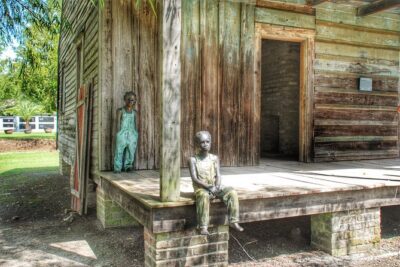
Whitney Plantation Tour with Transportation from New Orleans
Read our review →

Pearl Harbor, Dole Plantation, and Polynesian Center from Waikiki
Read our review →Browse the lists this tour appears in