
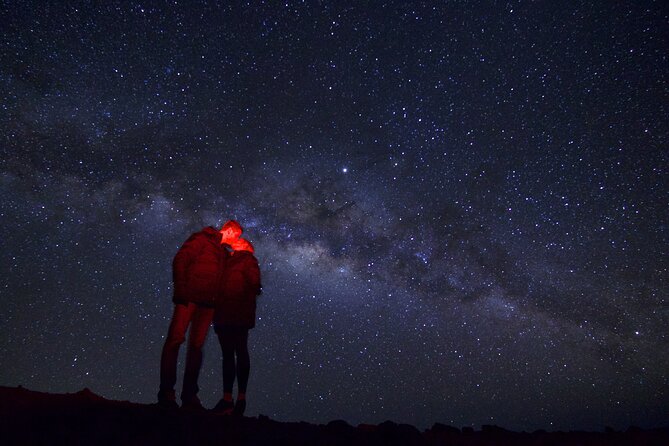
Reviewed · BIG ISLAND TOURS
Big Island GOAT Experience: Mauna Kea Summit, Sunset & Stars
Mauna Kea at night has a special kind of quiet, and this is one of the best ways to reach the summit area without stressing over the driving, altitude timing, or timing your stargazing. I love how the experience pairs a Mauna Kea summit sunset with real star viewing through a professional telescope, not just a quick look and a drive-by. Guides like John, Tay, Val, and Kella also add Hawaiian culture and sky explanations while you are up there.
The biggest drawback to plan around is cold. Even with provided coats and gloves, the summit gets seriously chilly, and clouds can limit the stars on some nights. If you want comfortable warm weather, this is not the tour for you.
Quick hit highlights
- Small-group 4×4 ride up to Mauna Kea, with pickup from Hilo, Waikoloa Village, or Kailua-Kona
- Provided warm gear (jacket and gloves) plus hot beverage and snacks to keep you steady in the cold
- Guided sky show with a laser pointer and a professional Celestron telescope (weather permitting)
- Cultural stop at Halepōhaku and Onizuka Center with astronomy context and Mauna Kea traditions
- One included night photo shot with a professional camera so you can actually keep a souvenir
Why Mauna Kea Sunset and Stars Feels Different Than Other Hawaii Nights
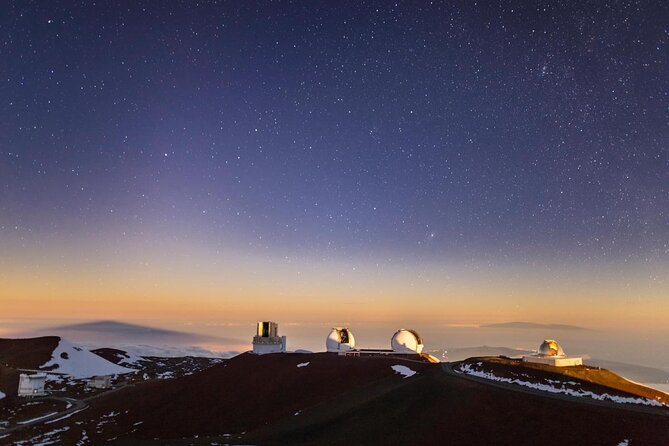
Most Hawaii night experiences are about views, vibes, and maybe a little stargazing. This one is different because you go high enough to make the sky feel close and crisp, with enough time for sunset to shift into full darkness. You start the evening with the mountaintop light show, then you move into the kind of star viewing that is hard to replicate on your own without the right planning.
I also like that the tour is built around explanation, not just equipment. Your guide uses a laser pointer to help you find what matters, and you get telescope time to look at celestial objects that most people cannot see clearly with the naked eye. That combination is why people keep calling it a top experience on the Big Island.
That said, this is still real mountain time. You are dealing with cold temperatures, wind, and altitude. You should treat it like a serious night hike, even though you are mostly seated, and you should dress like you expect below-freezing air.
Pickup, Small-Group 4×4 Transit, and How It Impacts Your Comfort
The tour starts with easy pickup from one of three areas: Hilo, Waikoloa Village, or Kailua-Kona. After pickup, you ride in a comfortable 4×4 van with a small group limited to 14 people. That small size matters because it keeps the group moving smoothly at stops and makes it easier for your guide to manage questions while you are on the move.
Once you reach the summit area, you change into provided warm gear. Coats and gloves are included, along with a hot drink and snacks. This sounds simple, but it matters at elevation. Your body cools fast at altitude, and you want to be warm before you spend time standing outside for sunset and stargazing.
Now the practical note. A few guests have described tight space for the back-seat positions during the van ride. So, if you are picky about comfort, I would try to secure a seat with more leg room when you can. Also plan to keep some layers ready so you are not rushing to put everything on while the van is parked and cold air is coming in.
Stack these Big Island of Hawaii options against each other
- Big Island in a Day: Volcanoes Waterfalls Sightseeing and History
★ 5.0 · 6,569 reviews - Big Island Manta Ray Night Snorkel
★ 5.0 · 5,656 reviews - Big Island: Kona Manta Ray Snorkel Tour in Keauhou Harbor
★ 4.5 · 2,465 reviews
The Summit Hour: Warm Gear, Pro Telescope Time, and a Laser-Guided Sky
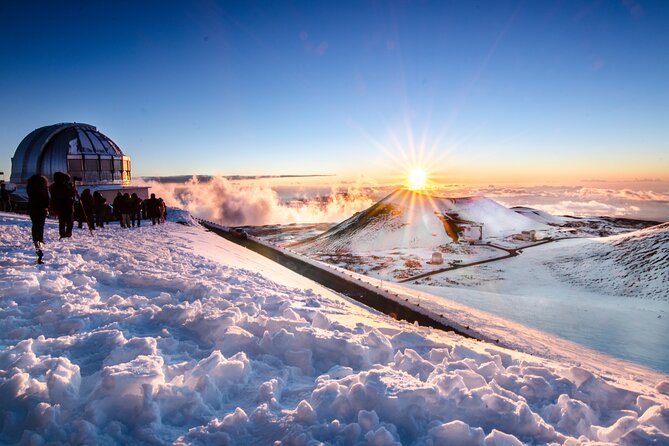
The heart of the night is the Mauna Kea summit area, reached by 4×4 passenger van. You get roughly four hours at the summit with the focus on sunset and then stars. Jackets and gloves are provided, and you also get a hot beverage and snacks to help you last through the wait for darkness.
Your guide handles the learning curve. They talk about Hawaii history tied to the mountain, then they help you track constellations and key sky features using a laser pointer. After that, you get telescope viewing with a professional Celestron telescope, weather permitting. The goal is not just to show you the sky, it is to show you what you are actually looking at.
You will probably also notice the effect of elevation immediately, especially the first time you stand outside. Air feels thin, and you may feel a little out of breath even if you are not walking much. I recommend going slow, breathing steadily, and drinking your hot drink rather than trying to stay busy in a way that makes you feel lightheaded.
What you might see
The tour does not promise specific objects every night, since conditions vary. But the included telescope viewing is designed for real observation, not a quick peek. On clear nights, you can expect the guide to point out a mix of constellations and notable celestial objects, and many guests are impressed by what can be seen when the sky is truly dark.
Halepōhaku and Onizuka Center: Culture Meets Astronomy at Mid-Level Altitude
Between the summit moments, you stop at Halepōhaku, at the Onizuka Center for International Astronomy, for about 30 minutes. This stop gives you a bridge between myth, place, and science. Mauna Kea is described as a sacred site in Hawaiian tradition, including connections to the goddess Poli’ahu and associations with other deities like Lilinoe and Waiau.
You will also hear how the mountain was historically kapu, forbidden to most people, with visits limited to high chiefs and priests. The story of Queen Emma leading a long journey to the summit in 1881 is part of what makes Mauna Kea feel more than just a scenic dot on a map.
Today, the summit region is home to international research observatories. This stop helps you understand why: the high altitude and stable conditions support astronomy. It is also a good time to reset after the colder summit hour, since you are at a mid-level location for the talk and center time.
If you like connecting the dots between culture and science, this 30 minutes can be the most meaningful part of the entire evening, even if you are a casual astronomy fan.
Another Big Island of Hawaii day, played differently:
- Hilo Shore Excursion: Volcanoes National Park & Black Sand Beach
★ 4.5 · 2,338 reviews - Big Island: Captain Cook Snorkel On A Power Catamaran With Lunch
★ 5.0 · 2,232 reviews - KONA Manta Ray Night Snorkel – FREE re-ride if no Sightings
★ 5.0 · 2,212 reviews - Manta Ray Night Snorkel at Kona, Big Island
★ 5.0 · 1,758 reviews
Photos, Snacks, and the Small Details That Make the Tour Worth It
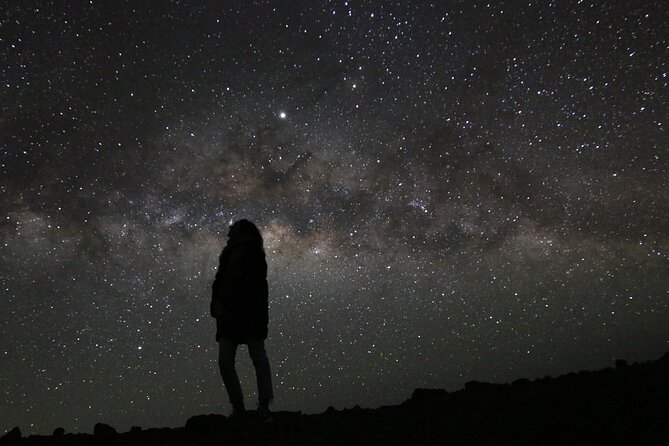
A big value point here is the included night photo. You get one photograph taken with a professional camera during the experience, which is useful because the conditions at night and at altitude often make self-taken shots tricky. You also get snacks and a hot beverage, plus the warm gear. Those things add up.
The practical win is that you do not have to guess what to pack. You still should bring your own layers, but the tour covers the hardest-to-improvise items: a proper warm jacket and gloves. Many guests emphasize that even with good packing, the summit can still be brutally cold. That tells me the tour gear is not a token add-on, it is there because the cold is part of the experience.
Altitude, Health Limits, and What You Should Do Before You Go
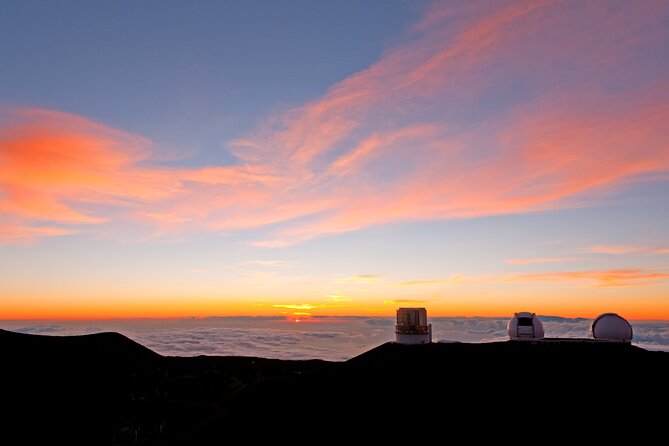
This is not just a scenic drive. You climb to a visitor station around 9,200 feet, and the summit sits around 13,796 feet. That is a significant altitude shift, and the tour notes a moderate physical fitness level is needed.
There are also clear limits. The experience is not allowed for travelers under 13 years old. It is also not recommended for pregnant travelers, and it is not allowed for travelers with heart problems or other serious medical conditions. If any of that applies to you, do not gamble with altitude. Choose a different Big Island plan that matches your health needs.
A few travelers have described minor trouble adjusting to altitude, especially on windier nights when they had to spend time outside. If you are prone to altitude sensitivity, plan to take it easy, keep warm, and communicate with your guide if you are not feeling right. It is also smart to bring whatever you personally rely on for cold weather, like an extra beanie or warm socks, since provided gloves may not work for everyone.
Restrooms are available at the Visitors Center and there are portable restrooms near the summit area. Still, plan for limited facilities and cold conditions, and do not assume you can pop outside for long breaks.
Weather Is the Real Master of the Evening
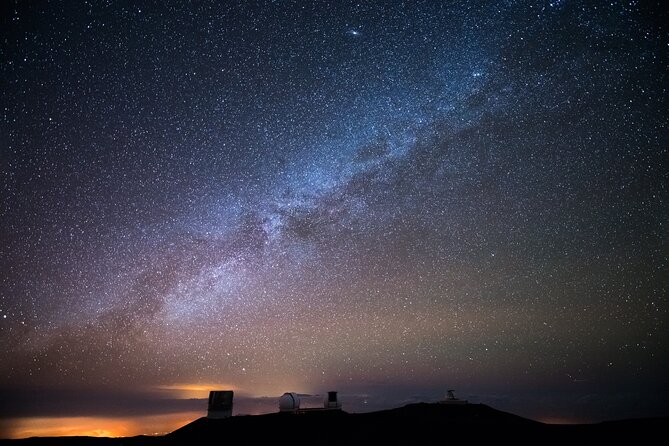
This tour requires good weather. When conditions are right, you get that classic Mauna Kea moment where stars appear fast, and the telescope views feel magical.
When conditions are not right, the experience can still be worthwhile, but the stargazing may be limited by clouds. That matters because the tour is dependent on the atmosphere being clear, and because the telescope viewing is explicitly weather permitting. You may end up with a stronger focus on the cultural talk and the sunset, with less time to see faint details in the sky.
So my advice is simple. Keep your expectations flexible. If you are traveling in a season when clouds are common on the mountain, consider booking early in your trip so you have buffer time to try again on another night.
Price and Value: Is $289 Worth It?
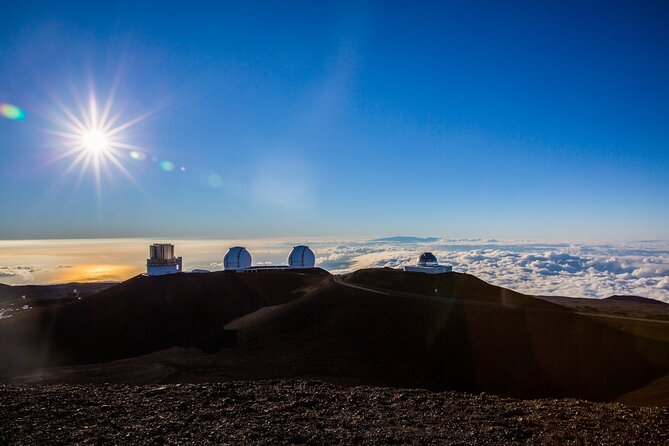
At $289 per person for about 7 to 8 hours, you are paying for three things that are expensive to replicate on your own: transportation to the summit area in a 4×4 vehicle, guided explanation with sky-pointing tools and a professional telescope, and the included warm gear plus a professionally shot night photo.
If you were to DIY this, you would still need a plan for cold weather gear, dark-sky timing, and a way to access summit-area experiences safely and legally. You would also struggle to get the telescope viewing element, since that kind of observation typically requires equipment and trained interpretation. This tour bundles all of that into a single, guided night.
In practical terms, the best buyers of this experience are people who want a serious night sky experience with less effort and more interpretation. If you only want a casual sunset photo and a quick glance at stars, you could find cheaper options. But if you care about what you are seeing and want guidance at high altitude, the price starts to make sense fast.
Who This Tour Suits Best, and Who Should Skip It
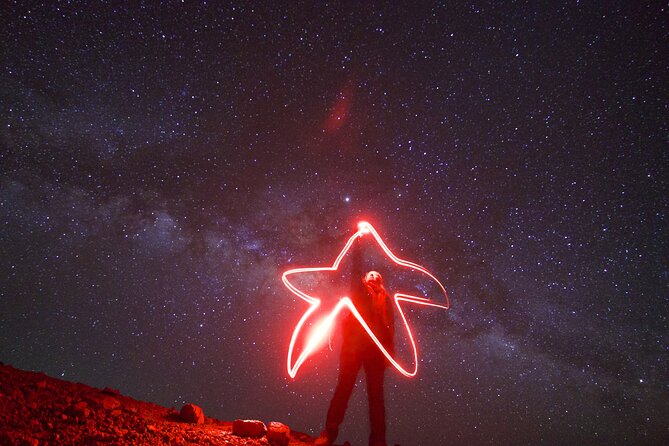
This tour is a great fit if you:
- love astronomy enough to enjoy explanations, not just pictures
- want someone else to handle the driving and timing
- can handle cold and wind, at least for a few hours
- appreciate the cultural context of Mauna Kea, not just the science
You should think twice if you:
- are very uncomfortable with cold temperatures
- have health concerns related to altitude
- are looking for a relaxed, warm evening with minimal standing outside
- need a fully private experience, since this is a small-group format
Should You Book Mauna Kea Summit Sunset and Stars?
I think you should book this tour if Mauna Kea is on your Big Island must-do list and you want more than a viewpoint. The best part is the combination of summit sunset, guided star finding with a laser pointer, and telescope time with a professional Celestron scope, plus the cultural stop at Halepōhaku and the included professional night photo.
I would not book it if cold weather is a dealbreaker for you or if you cannot handle altitude. Also, if you know you hate uncertainty, remember that clouds can limit stargazing on some nights.
If you can dress for winter conditions and you are okay with weather being the deciding factor, this is a solid value for a high-impact night that connects sky science and Hawaiian place in the same evening.
FAQ
Where is pickup available for this Mauna Kea summit sunset and stars experience?
Pickup is available from select locations in Hilo, Waikoloa Village, and Kailua-Kona. You choose the pickup option when you book.
How long is the tour?
The experience runs about 7 to 8 hours on average.
Is the tour a small group?
Yes. The maximum group size is 14 travelers.
What transportation is included?
You ride in a comfortable 4×4 van for round-trip transit.
What should I wear and what warm items are provided?
The summit can be very cold, and you will be provided with warm jackets and gloves. You should still dress in layers appropriate for cold conditions.
Do you get telescope viewing during the tour?
You can view the sky using a professional Celestron telescope, weather permitting.
Is food included?
Snacks and a hot beverage are included. Dinner is not included, and there is no food available for purchase upon arrival. You may bring a packed dinner.
Are restrooms available?
Yes. There are restrooms at the Mauna Kea Visitors Center and portable restrooms near the summit.
Who can participate based on age and health?
Travelers under 13 years old are not allowed. Pregnant travelers are not allowed, and travelers with heart problems or other serious medical conditions are not allowed.
What happens if weather is poor?
This experience requires good weather. If it is canceled due to poor weather, you will be offered a different date or a full refund.
What is the cancellation window for a full refund?
You can cancel up to 24 hours in advance for a full refund. If you cancel less than 24 hours before the start time, the amount paid will not be refunded.
Reviewed most recently around Big Island of Hawaii
- Big Island: Island Breeze Luau★ 4.0 · 733 reviews
- Snorkel with Manta Rays Guaranteed★ 5.0 · 738 reviews
- Night Manta Ray Experience★ 5.0 · 751 reviews
- Hawaiian Salt Farm Tour in Kona★ 5.0 · 767 reviews
- Manta Ray Night Snorkel in Kona★ 5.0 · 777 reviews
- Big Island, Hawaii: Admission to Voyagers of the Pacific Luau★ 4.0 · 790 reviews
- Sunset and Manta Ray Snorkel Adventure★ 5.0 · 843 reviews
- Big Island: 8-Zipline & Suspension Bridge Waterfall Adventure★ 5.0 · 914 reviews
Big Island Tours, compared.
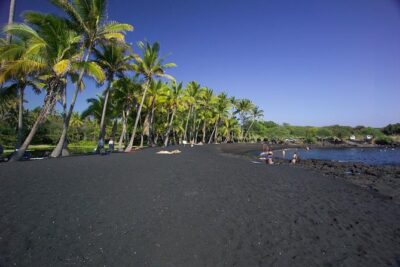
Big Island in a Day: Volcanoes Waterfalls Sightseeing and History
Read our review →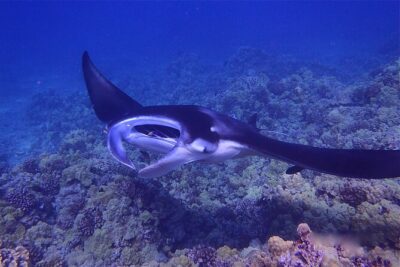
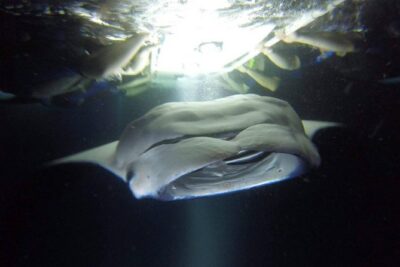
Big Island: Kona Manta Ray Snorkel Tour in Keauhou Harbor
Read our review →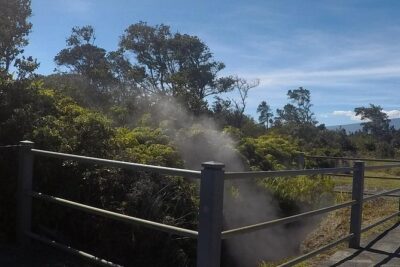
Hilo Shore Excursion: Volcanoes National Park & Black Sand Beach
Read our review →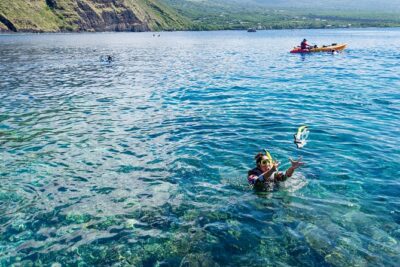
Big Island: Captain Cook Snorkel On A Power Catamaran With Lunch
Read our review →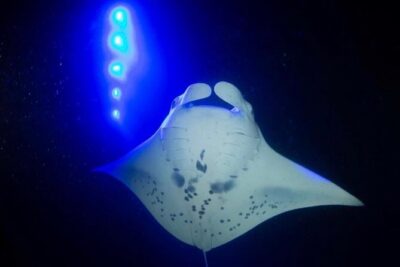
KONA Manta Ray Night Snorkel – FREE re-ride if no Sightings
Read our review →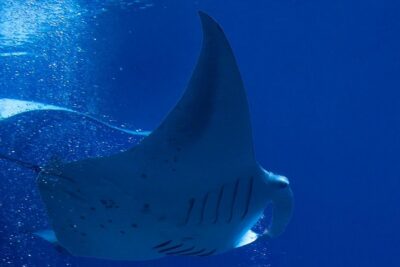
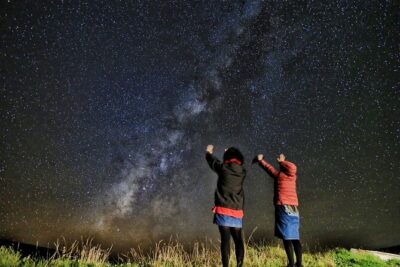
Small Group Big Island Twilight Volcano and Stargazing Tour
Read our review →Browse the lists this tour appears in