
Reviewed · WALKING TOURS
Seattle: Guided Underground Walking Tour
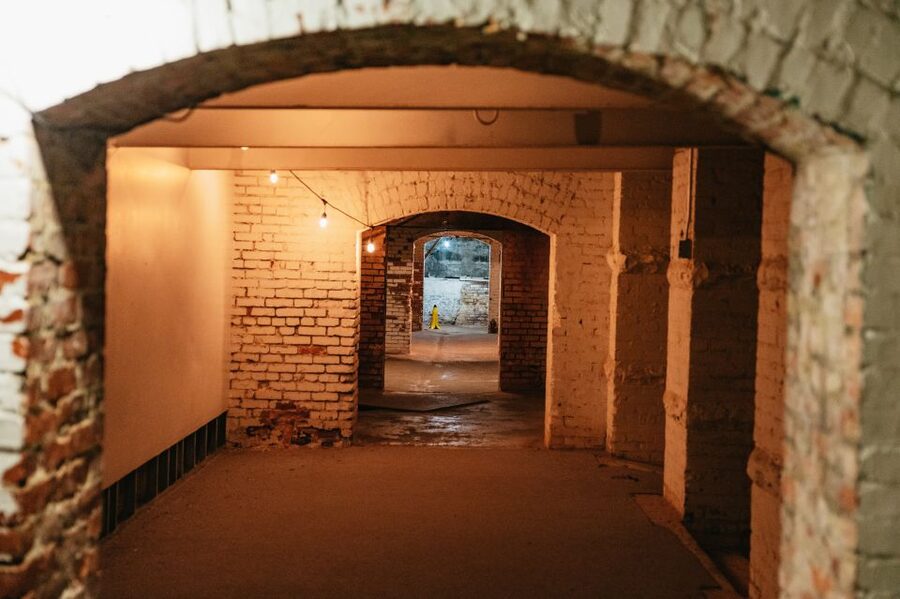
Seattle’s underground walking tour is interesting because it lets you walk on top of one city and through another that got buried on purpose. You’ll see three historic passageways built in the 1890s, and you’ll hear how the Seattle Fire changed everything and why the streets were later raised out of swampy ground. One drawback to plan for, right away, is that the route is stair-heavy with six flights and no elevator access.
I also like how the tour mixes real architecture with human stories. Guides such as David, Mark, Mike, and Eowyn are repeatedly praised for keeping the pacing tight and the facts clear. The main consideration is simple: it’s outside and underground, so wear comfortable shoes and expect a cool, damp-feeling space below street level.
Key Highlights You Should Know
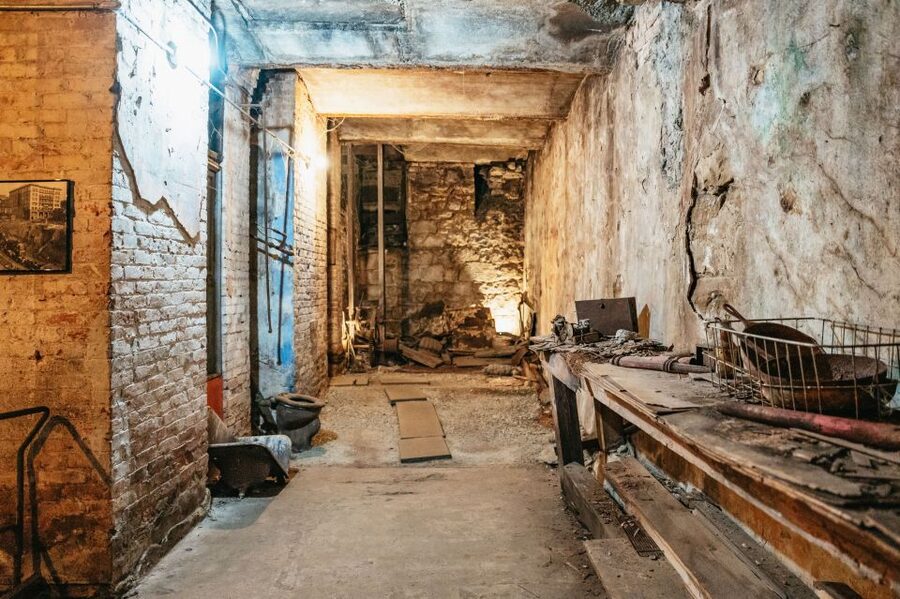
- Three underground passageways from the 1890s within about four city blocks of Pioneer Square
- Seattle Fire context and how rebuilding shaped daily life and city planning
- A raised-street Seattle story, built on retaining walls and layers of fill
- Stair-focused walking route with six flights and no elevator access
- Historic architecture view from below, where streets and storefronts don’t match what you see above
- Talk-first guide experience with lively, humorous storytelling that keeps attention
Entering Pioneer Square’s Buried Streets: What This Tour Actually Shows
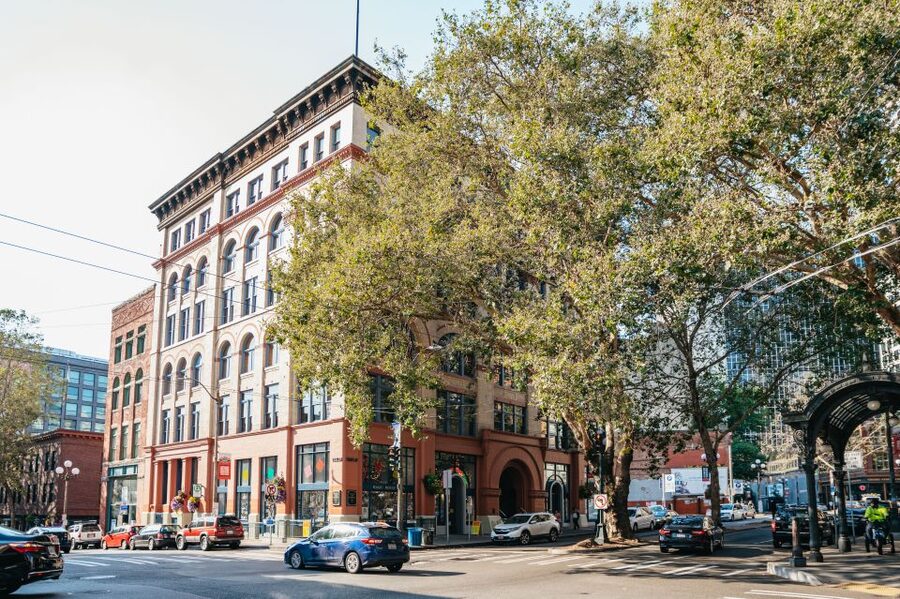
This tour takes you under Pioneer Square, Seattle’s historic core, where the ground level you see today is not the same ground level people once walked on. That difference is what makes it click fast. You start noticing how old Seattle was layered, not erased.
I love that the experience is hands-on history, meaning you’re moving through passageways and seeing infrastructure effects in real space. You also get a clear cause-and-effect story: the city burns, the city rebuilds, then the city literally changes its height by raising streets out of swampy ground.
Here’s what to consider if you hate stairs or confined spaces. This is an underground walking experience, and the tour route involves six flights of stairs, plus lots of descending and ascending. If you’re comfortable moving around uneven, indoor-like areas, you’ll likely enjoy it. If stairs are a problem, you should pass.
More Walking Tours in Seattle:
- Seattle: Guided Underground Walking Tour
★ 4.6 · 1,785 reviews - Taste Pike Place Walking Food Tour
★ 5.0 · 930 reviews - Seattle Delicious Donut Adventure & Walking Food Tour
★ 5.0 · 772 reviews
The 4-Block Route in 1 Hour, and How the Time Gets Used
The tour runs for about 1 hour. In that short window, you cover over four city blocks of the Pioneer Square area, while also spending time walking through three underground passageways. That might sound rushed on paper, but the guides are set up to keep things moving.
You’ll typically feel the structure as a rhythm:
- First, above-street context so you know what you’re about to see below.
- Then, repeated transitions down into underground spaces.
- Finally, wrap-up thoughts that connect the buried passages to the modern streets you just walked.
Because it’s only an hour, this is a strong first history stop. It gives you a base layer of understanding fast, so you can enjoy other Pioneer Square sights afterward without feeling lost.
Meeting Under Cherry Street Coffee: Where to Find the Stairs Down
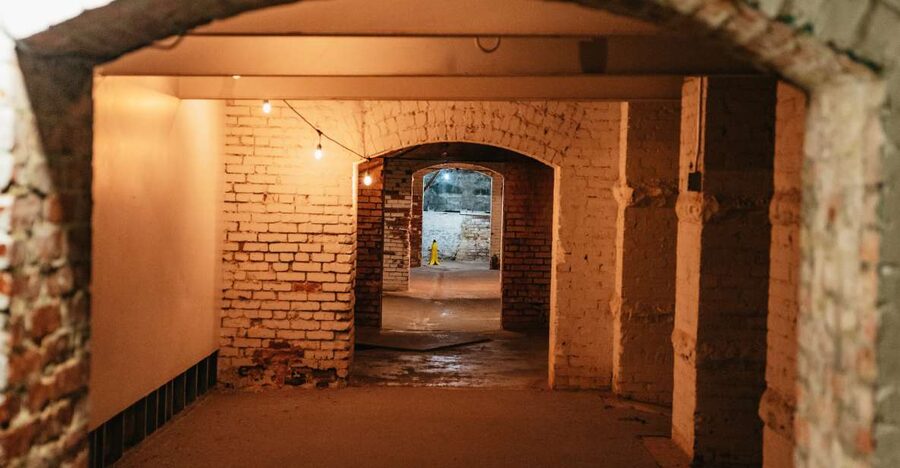
Your meeting point is underneath the Cherry Street Coffee shop. Look for the Beneath the Streets sign in black and purple. Then take the stairs down to the reception desk.
That detail matters because this tour is partly underground from the start. You do not want to be hunting around while the group is already moving.
Once you’re checked in, expect a quick start and then a series of stair sets. The tour is both outside and underground, so you’ll likely step from daylight to interior-like spaces and back again as the route continues.
Six Flights of Stairs and No Elevator: The Real-World Comfort Check
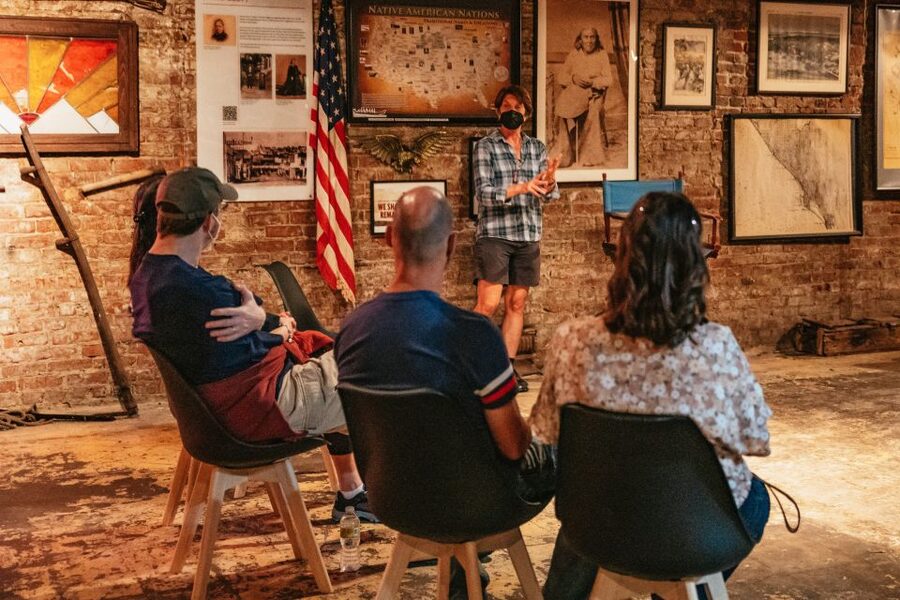
Let’s talk logistics in plain terms. The tour includes six flights of stairs along the route and has no elevator access. There are also notes that the route is not suitable for people with mobility impairments, which lines up with the stair count.
What you should do before you go:
- Wear comfortable shoes with solid grip.
- Plan for slower pace if you need breaks on stairs.
- Keep your phone, water, and small items secured, because you’ll be moving through indoor-like corridors and passageways.
Strollers are possible, but the tour requires handling stairs. Strollers may be carried up and down stairs or stored in the ticket office for the duration of the tour. If you’re traveling with a stroller, it’s smart to be ready for decisions on-site based on how the check-in area is managing strollers that day.
Stack these Seattle options against each other
- Beneath The Streets Underground History Tour
★ 4.5 · 8,006 reviews - Chef Guided Food Tour of Pike Place Market
★ 5.0 · 3,733 reviews - Mt. Rainier National Park Highlights Tour
★ 5.0 · 3,156 reviews - Seattle’s Original Guided Harbor Cruise
★ 4.5 · 2,077 reviews
1890s Passageways Under Pioneer Square: What You’ll See Down There
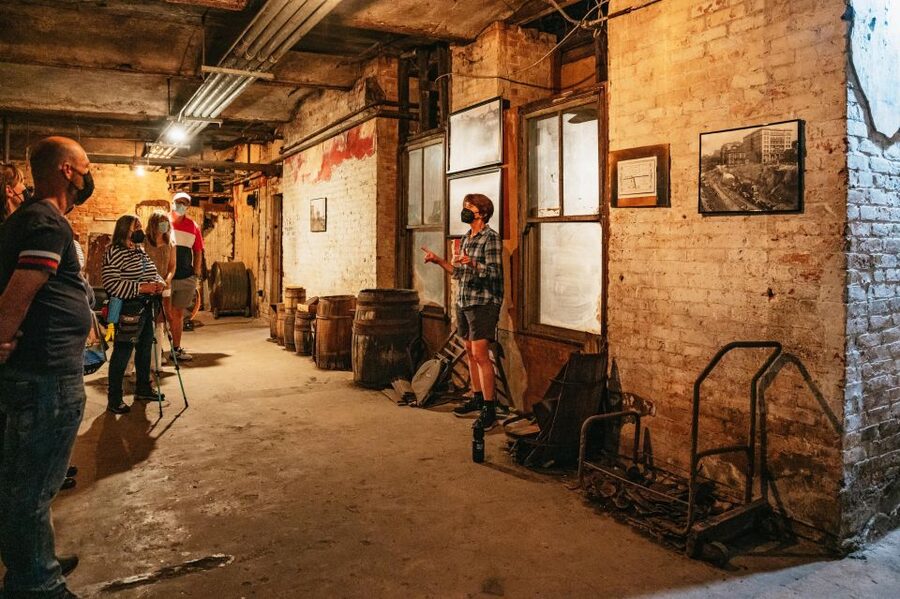
The core of the experience is walking through three underground passageways that date back to the 1890s. This is where you can really understand how the city kept living after the street level changed.
In these passageways, the details do the work. You’ll be looking at how built space survives when the world above shifts. It’s the contrast that hits you: you step into a corridor that feels like a street, but it’s clearly meant for another time and another height.
Expect to pay attention to:
- The way walls, openings, and edges reflect older construction.
- The “in-between” feeling of spaces that connect earlier street layouts to what’s around you now.
- The guide’s storytelling that turns static structures into lived experience.
One thing to keep expectations realistic: this is not a museum with staged rooms you can wander through slowly. It’s more like walking through an operational slice of older Seattle history, guided by someone who knows how to point out what matters as you pass it.
Seattle Fire and the Rebuild Story That Changes Everything
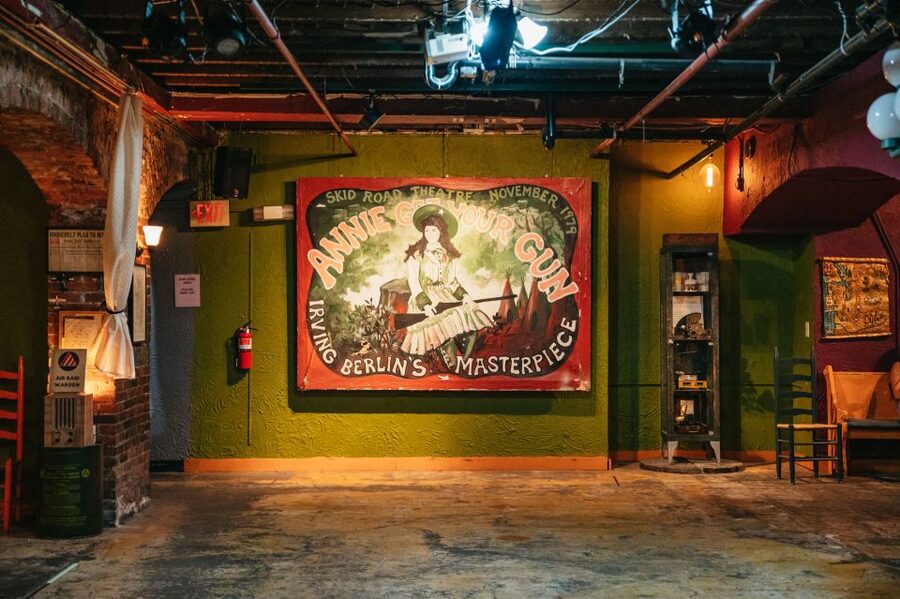
A big reason this tour gets such strong ratings is that it explains how Seattle was shaped by crisis. You’ll learn about the Seattle Fire, including how it destroyed large swathes of the city.
Then the tour moves from tragedy to planning choices. The guide talks about the rebirth of Seattle after the fire and the decision to raise the streets out of the swampy ground.
You’ll understand the fire not just as an event, but as the turning point that accelerated rebuilding decisions. Once you hear how the city rose, the underground spaces start making sense. You stop thinking of the underground as a random oddity and start seeing it as part of how Seattle repaired itself and reorganized its foundation.
Raising the Streets: Retaining Walls, Fill, and the Layers You Walk On
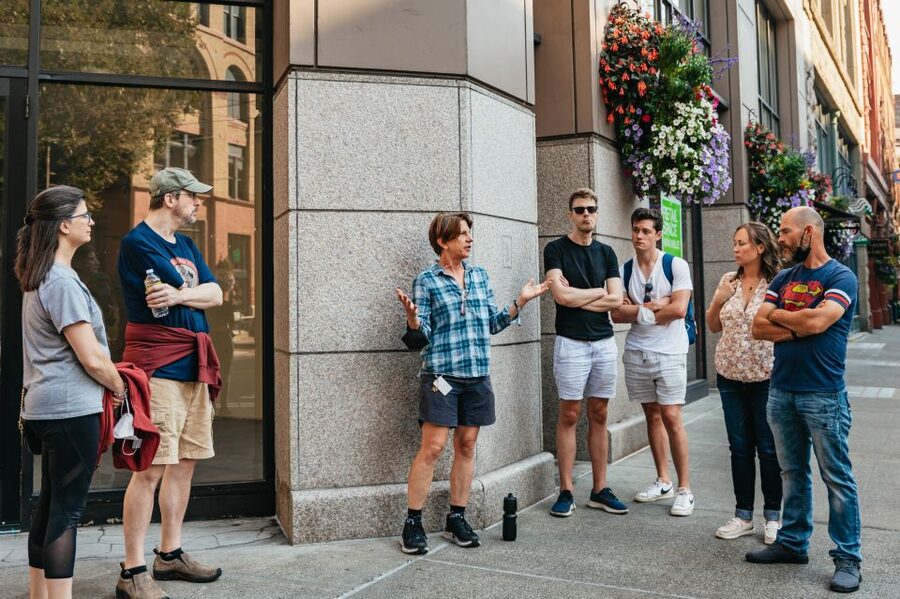
One of the most memorable parts is the explanation of what happened physically to the city. After the city was rebuilt, retaining walls were added alongside the streets. Then fill was brought in to create new roads several feet above where they originally stood.
That sounds technical, but your feet and eyes make it real. When you walk near these buried corridors, you can sense the “layer cake” effect of the city. The tour helps you picture the timeline:
1) Streets exist at one level.
2) The city undergoes major upheaval.
3) Streets and ground level are raised for practical reasons.
4) Older passage spaces become what you can still reach today.
If you like urban planning, architecture, and the logic behind city growth, this is a standout section. If you just want a fun story, it still works because the guide links it back to human needs: survival, rebuilding, and building something that could last.
Architecture Notes You Can Spot Above and Below Street Level
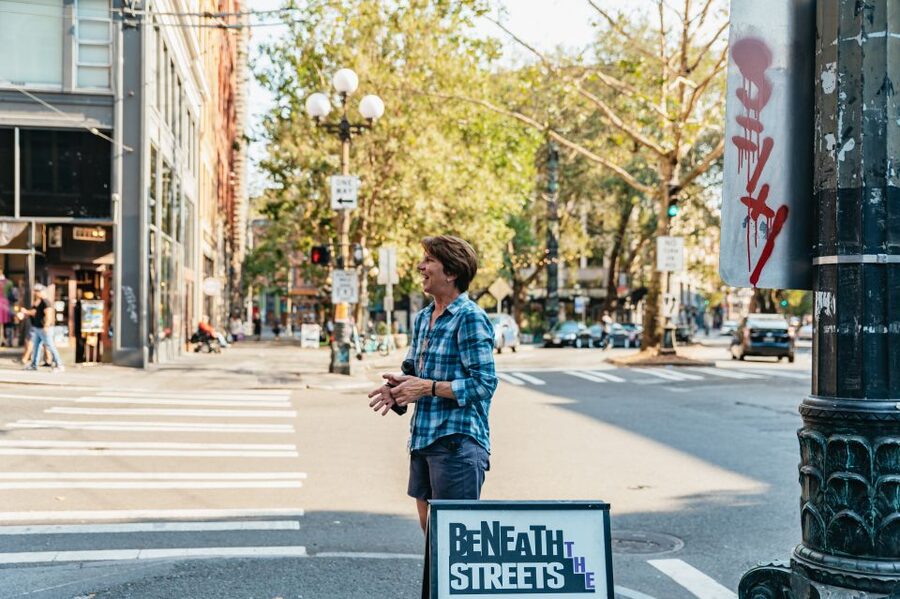
Even though much of the tour is underground, the value is not only what you see below. The guide’s approach helps you notice architecture cues above too.
As you move through the Pioneer Square area, you’ll get prompts that train your eye. You’ll start noticing how buildings relate to the street, how older construction lines connect to what you see now, and how the city’s height changes the way entrances, openings, and storefront edges make sense.
The architecture section also helps you avoid a common mistake. Many first-timers see the underground and think, wow, what a weird basement. This tour reframes it as street-level change made visible. You’re learning to read Seattle as layered infrastructure, not just buildings on a flat map.
Guides Who Tell It Like a Story, With Real Pace
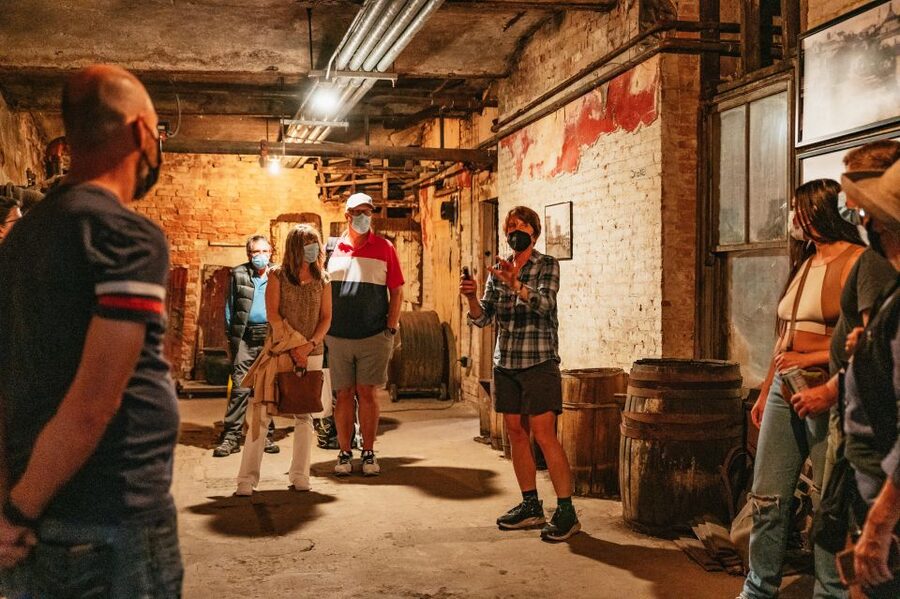
The guides are a major part of the success. People consistently praise how entertaining and organized the tour feels, with humor folded into the serious parts.
I’ve noticed patterns in the kind of guidance you get from the names you’ll hear, like David, Mark, Mike, Jim Gall, Patti, Eowyn, Sarah, Jennifer, and Terrilyn. The common thread is that they explain what you’re seeing, then connect it to why it happened.
What makes this tour work for most people is the balance:
- You get facts about the city’s origin and tragedies.
- You also get human energy, with jokes and story beats that keep the group from drifting.
Since the tour is only one hour, that pacing matters. A good guide helps you leave with understanding, not just photos of brick walls.
Price and Value at $31 for a Guided Underground Hour
At $31 per person for a 1-hour guided experience, the value comes from access plus context. You’re paying for a live guide and for walking through multiple underground passageways that you can’t really appreciate the same way alone.
This is also a relatively efficient way to learn. One hour can sound short, but the tour packs in city-building logic, the Seattle Fire narrative, and the physical reason streets were raised. If you want one solid history experience before moving on, this is the kind that gives you a mental framework for the rest of Pioneer Square.
Also, the booking approach is flexible. The tour offers reserve now, pay later, which helps if your schedule is still moving around.
Who Should Book This Tour, and Who Might Skip It
I’d point you toward this tour if you enjoy:
- Real city history tied to visible architecture.
- Urban planning stories about how streets and foundations change.
- A walking format where the guide explains as you go.
You’ll likely enjoy it even if you are new to Seattle. The tour builds understanding step by step, including how Pioneer Square developed and why the underground exists.
I’d suggest skipping if:
- You can’t handle multiple stair flights.
- You need elevator access (there isn’t one).
- You strongly dislike outdoor walking mixed with underground corridors.
If you’re traveling with a stroller, it can still work, but plan for stairs and confirm how stroller handling will be managed when you arrive.
Should You Book Beneath the Streets Under Pioneer Square?
If you want Seattle history that you can walk through, book it. This tour turns the underground into a clear story about disaster, rebuilding, and the physical reshaping of the city.
Choose it if you’re excited by the idea that modern Seattle is built on layers, sometimes literally. Choose a different type of activity if stairs and underground spaces are tough for you.
In most cases, this is one of those “do it early” experiences. It helps you see Pioneer Square with better eyes for the rest of your trip.
FAQ
Where is the meeting point for the Seattle Underground Walking Tour?
You meet underneath the Cherry Street Coffee shop. Look for the black and purple Beneath the Streets sign, then take the stairs down to the reception desk.
How long is the tour?
The tour lasts about 1 hour.
How much does the tour cost?
The price is $31 per person.
Is the tour guided, and what language is it in?
Yes, it is a guided walking tour with a live tour guide. The tour is offered in English.
How many underground passageways will I visit?
The tour includes three historic underground passageways, originally constructed in the 1890s.
How many stairs are there, and is there an elevator?
There are six flights of stairs along the route, and there is no elevator access.
What should I bring?
Wear comfortable shoes. The route involves walking on stair sets and uneven, underground spaces.
Are pets allowed?
No, pets are not allowed on the tour.
Can I bring a stroller?
Strollers may be carried up and down stairs or stored in the ticket office for the duration of the tour.
Is the tour suitable for people with mobility impairments?
No, the tour is not suitable for people with mobility impairments due to the stair-focused route and lack of elevator access.
Reviewed most recently around Seattle
- Seattle CityPASS®: Save up to 46% at 5 Top Attractions★ 4.6 · 742 reviews
- 3 Hour Show Me Seattle Best Of The City Tour★ 4.5 · 763 reviews
- Seattle Delicious Donut Adventure & Walking Food Tour★ 5.0 · 772 reviews
- Best of Mount Rainier National Park from Seattle: All-Inclusive Small-Group Tour★ 5.0 · 805 reviews
- Seattle: Pike Place Market Chef-Guided Food Tour★ 4.8 · 847 reviews
- Taste Pike Place Walking Food Tour★ 5.0 · 930 reviews
- Best of Olympic National Park from Seattle: All-Inclusive Small-Group Day Tour★ 5.0 · 1,006 reviews
- Early-Bird Tasting Tour of Pike Place Market★ 5.0 · 1,154 reviews
Walking Tours, compared.

History and Hauntings of Salem Guided Walking Tour
Read our review →
New Orleans Premier Ghost, Voodoo and Vampire Walking Tour
Read our review →
Freedom Trail History Small Group Walking Tour
Read our review →
Historic Charleston Guided Sightseeing Walking Tour
Read our review →
New Orleans Food Walking Tour of the French Quarter with Small-Group Option
Read our review →
St. Louis Cemetery No. 1 Official Walking Tour
Read our review →Browse the lists this tour appears in