
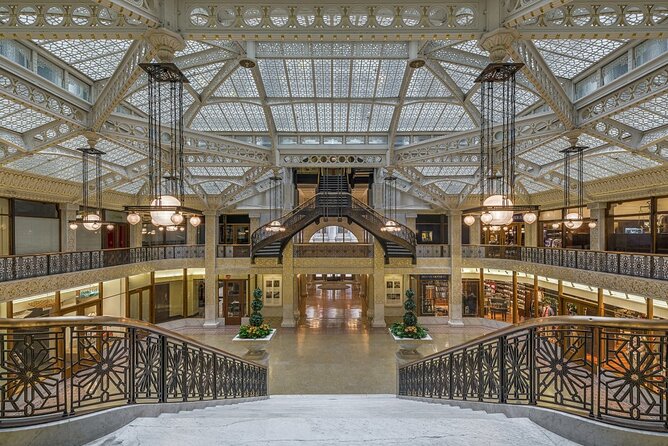
Reviewed · ARCHITECTURE TOURS
Chicago’s Secret Interiors Architectural Walking Tour
Chicago’s Secret Interiors walking tour is interesting because you stop guessing what you are seeing from the street, and you get inside places that most people walk past. I really like the way the tour connects big-name buildings to the money and engineering choices that shaped the Loop, and I also like the focus on interior details like domes, mosaics, and light courts that change how you look at the skyline.
One thing to plan around: The Rookery is closed on Sundays, so that signature interior stop won’t be on your route if you come that day.
Key highlights worth planning around
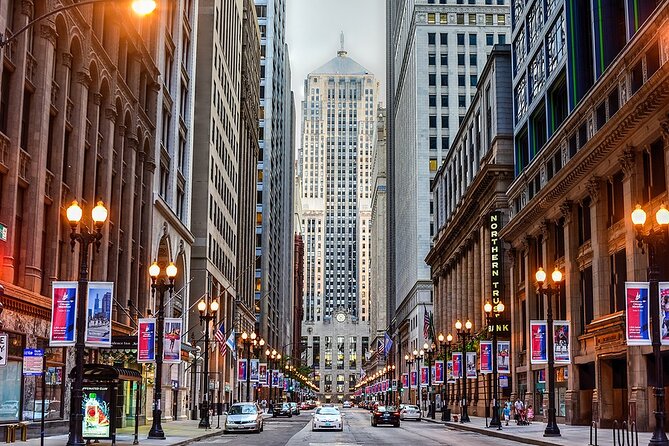
- Rare interior access to famous Chicago landmarks, not just outside photos
- A high-hit-it-and-you-miss-it route through the Loop with short, efficient stops
- Iconic design features you can actually see up close, like Tiffany glass and rooftop-style gardens
- Expert guidance in a small group of up to 15 travelers
- A flexible stop choice at the Chicago Cultural Center or the Monadnock Building (depending on the day)
Walking Into Chicago’s Best Interiors, From the Loop to the Tea Room
This is a smart pick if you like architecture, but you also want the story behind it. Chicago can feel like a blur of towers when you are moving fast. This tour slows you down and makes you look at buildings as engineering problems plus marketing plus art, all working at the same time.
The best part is how practical it feels. The route is compact, and each stop is short enough that you stay energized, but long enough to notice things you would otherwise miss. If you have ever stared at a facade and wondered what is inside, this is that answer.
Also, this is not a long sit-down lecture. You keep moving. Then, when you hit an interior, the guide points out the exact details that make the place special. In the past, guides like Grant and Ethan have been praised for keeping groups together and making sure everyone can hear them, even on colder or rainy days.
More Walking Tours in Chicago
- Chicago: Gangsters and Ghosts Walking Tour
★ 5.0 · 7,155 reviews - Chicago Favorites Ultimate Food and Walking Tour
★ 5.0 · 1,962 reviews - Chicago: Gangsters and Ghosts Guided Walking Tour
★ 4.7 · 1,697 reviews
The Route Starts at Union Station, Where Big City Ambition Shows Immediately
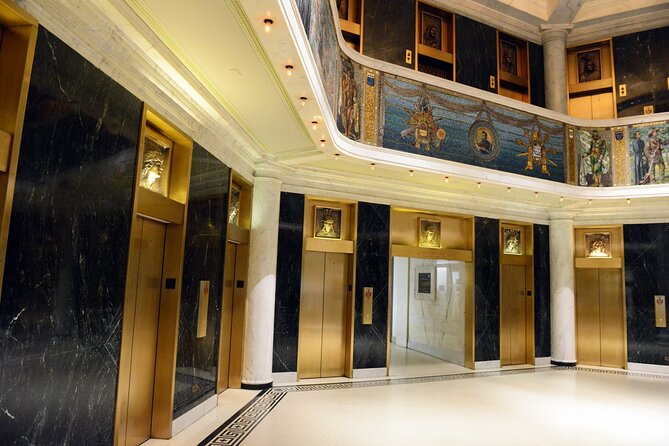
You begin at Chicago Union Station, 225 S Canal St. The location alone sets the tone: this tour starts where Chicago flexed its confidence in a very public, very grand way.
Union Station was designed by Daniel Burnham and completed in 1925. The stop is built around three things you can see quickly even if you only have a few minutes:
- The Beaux-Arts facade
- The Great Hall with its striking skylight
- The small-but-crucial decorative details that make the station feel like more than a place to catch a train
Why this works at the start: you are about to walk through business history and office-building design. Union Station is the bridge, showing you how Chicago wanted arrivals and departures to feel. If you are the type who likes to understand a city by its public buildings first, you will get it right away.
Tip for your first ten minutes: take 30 seconds just to look upward in the Great Hall area. It is an easy way to reset your eyes for the rest of the tour.
Loop Power at La Salle and the Financial Canyon Effect
After Union Station, you move into the Chicago Loop zone, where the tour frames the city as an economic powerhouse. The guide talks about the people, the timing, and the choices that produced landmark buildings in the Gilded Age and the Roaring Twenties.
You will get a focused look at the “financial canyon” feeling created by tall buildings close together. That is more than a view trick. It explains why Chicago architecture often feels engineered for density and visibility, not just style.
At this stage, the tour connects specific names with the broader picture. You hear how towers like Willis Tower and the Chicago Board of Trade fit into the story of commerce and innovation. Then you also get interior teases, lobbies and details that show how these buildings were meant to impress both clients and employees.
The practical takeaway: once you understand the canyon effect, you start seeing the Loop as a system. Light, height, materials, and street-level design all matter more than you might think.
The Rookery Building and the Problem of Light, Plus the Sunday Catch
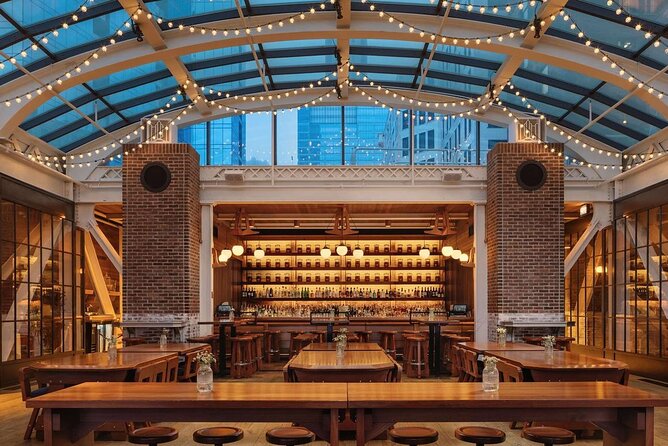
Next comes The Rookery Building, created by Burnham and Root in 1888. If you love classic Chicago School ideas, this stop is one of the reasons people sign up.
Here is what you should expect to notice:
- A blend of Romanesque and Moorish style choices
- The famous light court, one of those design moves that solves a real practical issue
- Intricate ironwork
- The oriel staircase, a dramatic internal feature that often surprises first-timers
Why the light court matters: in dense downtown buildings, you cannot rely on open space around the structure to make rooms feel bright. Architects had to pull daylight inward. Seeing the light court in person is like watching the solution to a design math problem.
One planning note, repeated because it matters: The Rookery is closed on Sundays, so you should not schedule this stop as a must if you are visiting on a Sunday. If your calendar is flexible, a weekday can keep your interior list intact.
More Architecture Tours in Chicago:
- Chicago Architecture River Cruise
★ 5.0 · 15,756 reviews - Chicago River 90-Minute Architecture Tour
★ 4.5 · 9,629 reviews - Chicago River: 1.5-Hour Guided Architecture Cruise
★ 4.8 · 8,046 reviews - Chicago Architecture Center River Cruise aboard First Lady
★ 5.0 · 5,536 reviews
The Field Building Brings Art Deco to the Walking Tour
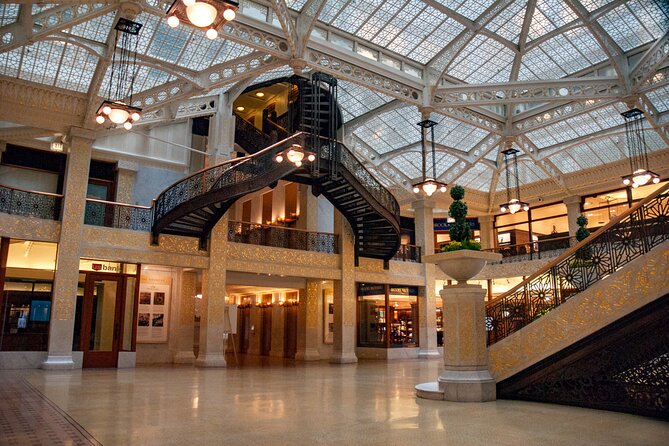
From there, you shift into a more modern-feeling chapter with the Field Building, known for its Art Deco character.
Even though the tour is short at each location, the goal stays the same: show you why these buildings look the way they do, and how their design communicates status and identity. The Field Building stop is built around the idea that Chicago’s skyline was not only about early skyscraper ambition. It also evolved into a style that used geometry, finish, and pattern to declare modernity.
If you have only seen Chicago in glossy postcards, this is where the tour helps you catch up to the timeline. The skyline is not one uniform look. It is a series of design eras stacked on top of each other.
Marquette Building, Terra Cotta and the Chicago Window Idea
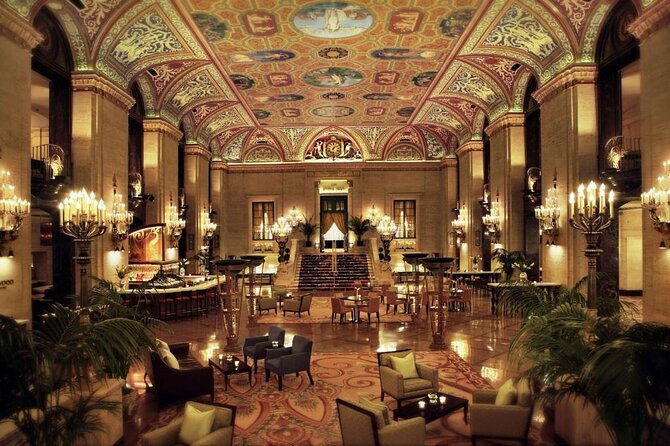
The Marquette Building stop is a favorite if you like architectural signature features. It is celebrated for its Chicago window concept and its terra cotta facade. That combination is important, because it explains the practical benefits of design while still looking decorative.
Inside, you get access to a lobby experience with mosaics that tell a story tied to Jacques Marquette and his exploration of Illinois. That matters for you if you want interior design to be more than decoration. In Chicago, symbols and details often connect back to city identity.
What I like about this stop, especially in a walking tour format: you are shown how a building can be visually recognizable from the street, then still reward you once you are standing inside.
Palmer House Hilton: Gilded Age Hotel Glam, Rebuilt After Fire
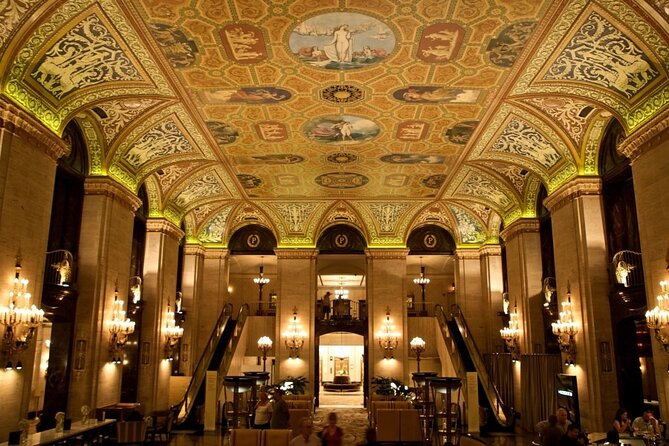
Next is Palmer House, a historic hotel stop that leans hard into Gilded Age luxury and Beaux-Arts architecture.
The key points you should keep in mind as you look around:
- It was rebuilt after the Great Chicago Fire in 1871
- The interior focus is on the grand lobby features: a frescoed ceiling, mosaic floors, and bronze peacock doors
- It has hosted celebrities and dignitaries over the years, which helps explain why the design feels ceremonial
Why this stop belongs on an architecture tour: hotels are where cities show off. They are customer-facing spaces built to impress quickly. That means design decisions are not only about structure, they are also about experience, movement, and mood.
If you like places that feel like they have a pulse, this is where the tour starts to feel less like office history and more like lived-in history.
Chicago Cultural Center (Or the Monadnock), Where You Compare Different Styles
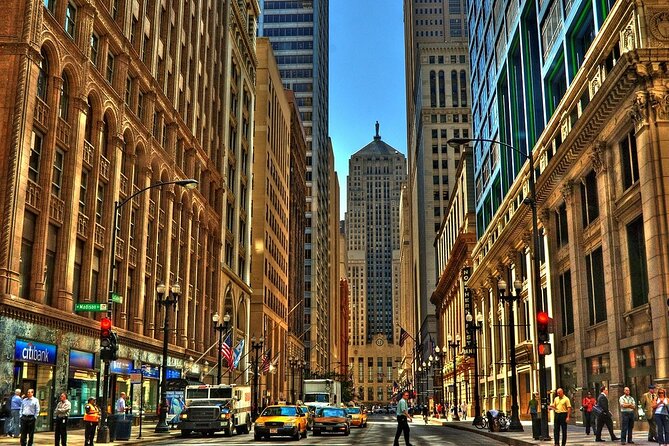
At this point in the route, you will visit either the Chicago Cultural Center or the Monadnock Building.
Chicago Cultural Center is presented as a must-see mix of architectural beauty and cultural heritage. The Monadnock Building is described as a late 19th-century commercial-style landmark.
Why this choice is smart for you: it gives the tour some flexibility while still keeping the theme on point. You are comparing Chicago’s design language across eras and functions. A cultural building and a commercial block can tell similar stories in different ways, and you learn to spot what changes when the building’s purpose changes.
Marshall Field and Company: Tiffany Glass and the Tea Room Feeling
The tour’s final interior stop is the Marshall Field and Company Building. You finish at 111 N State St, and you see why this place still matters even though department store shopping has evolved.
The standout feature you should expect to notice:
- The Tiffany glass mosaic dome
- The Tea Room, with walnut-paneled interiors
The guide frames this stop as a window into how early 20th-century retail was built to feel like luxury. Even today, the building houses Macy’s, so the energy of commerce is still part of the story.
If you are wondering what makes Chicago retail architecture more than a shopping box, this stop gives you the answer. It is about craftsmanship, materials, and details that turn browsing into an event.
What the $35 Price Really Buys You (And When It Feels Worth It)
At $35 for about 2 hours with a guide, this tour can feel like a deal because you are paying for access and interpretation, not just walking.
Here is how the value works for you:
- You get an expert tour guide included
- The group max is 15, which means you spend less time lost and more time actually seeing details
- The stops emphasize interior features that are hard to notice on your own
- The route is built around recognizable landmark names, which helps if you are new to Chicago
You will get the best value if your “Chicago goal” is seeing more than one famous building. This tour does not just tick boxes. It teaches you how to look at design decisions, from structural challenges to interior light and decorative craft.
Timing and Pace: Why It Feels Doable Even in Bad Weather
The tour is roughly 2 hours and keeps stops around ten minutes each, with an overall walking rhythm that stays manageable.
A few details from real-world experience that matter:
- Guides have handled cold and rainy conditions by keeping groups moving and getting everyone into interiors efficiently.
- You can expect more indoor time than you might guess, which helps if Chicago weather swings.
Still, there is a catch. The experience requires good weather. If weather is poor enough to cancel, you will be offered a different date or a full refund. In practice, that means you should bring a rain layer and shoes that can handle pavement, just in case.
Group Size, Your Hearing Comfort, and How to Prepare
With a maximum of 15 travelers, you generally should not feel swallowed by the crowd. You can also expect the guide to manage spacing so you are not stuck far behind.
For preparation, keep it simple:
- Wear comfortable walking shoes.
- Bring a layer. Even in mild months, Chicago interiors can feel cooler, especially lobbies with big stone and drafty doorways.
- If you get motion sick easily, note that this is walking heavy, but distances are still compact.
One more practical note: service animals are allowed, and the route is near public transportation.
The Most Praised Parts, Based on What Consistently Gets Mentioned
The tour’s strongest reputation comes from how it gets delivered. Across many guides, the praise clusters around:
- Guide energy and organization, so the group stays together and you do not feel rushed
- Clear explanations tied to what you can see in each stop, not vague history
- Interior-first value, so you leave with new respect for details you would have missed
- A friendly pace, including the way guides keep it accessible while still covering the key sights
And yes, one drawback does show up in the record: there has been at least one case where a guide did not show. That is rare, but it is worth knowing. If something feels off right before your start, contact the provider as soon as possible rather than waiting.
Should You Book This Chicago Secret Interiors Tour?
Book it if:
- You want inside access to landmark buildings in the Loop
- You care about design details like mosaics, domes, light courts, and decorative materials
- You like a short guided walk that turns a skyline into an architecture lesson
Skip or rethink it if:
- You are visiting specifically on a Sunday, because The Rookery is not included that day
- You are only interested in views from the sidewalk and you do not want interior stops
If you are looking for a high-value architecture tour that mixes big names with real craftsmanship, this one is an easy yes. Start at Union Station, end at Marshall Field, and use the guide to train your eye for what Chicago was trying to solve, sell, and celebrate with each building.
Reviewed most recently around Chicago
- Chicago Architecture Tour: Underground Pedway and the Loop★ 5.0 · 388 reviews
- Museum of Ice Cream Chicago Admission Ticket★ 3.5 · 396 reviews
- BYOB Spray Paint and Sip at Studio W.I.P.★ 5.0 · 401 reviews
- 2-Hour Guided Segway Tour of Chicago★ 5.0 · 442 reviews
- Chicago Pizza Tour★ 5.0 · 454 reviews
- Chicago Gangster and Food Walking Tour★ 5.0 · 471 reviews
- Chicago Night Crimes Tour by Bus★ 5.0 · 478 reviews
- Flyover in Chicago★ 5.0 · 486 reviews
Architecture Tours, compared.
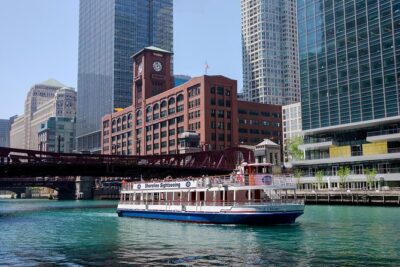
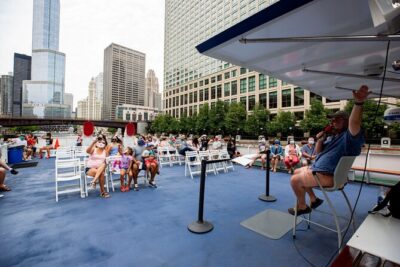

Chicago River: 1.5-Hour Guided Architecture Cruise
Read our review →
Chicago Architecture Center River Cruise aboard First Lady
Read our review →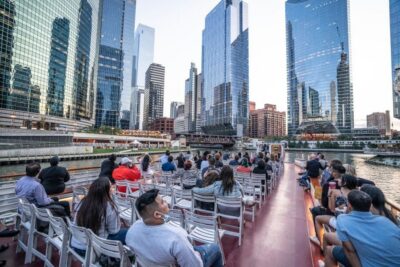
Architecture River Cruise Skip-the-Ticket Line
Read our review →
Chicago River 45-Minute Architecture Tour from Magnificent Mile
Read our review →

45-Minute Family-Friendly Architecture River Cruise
Read our review →Browse the lists this tour appears in