
Reviewed · WHALE WATCHING
Big Island: Pelagic Whale Watch Tour
This Kona boat trip gets interesting fast because you are not limited to just what swims close to shore. The operator can reach the pelagic zone, where the water gets very deep and the animal lineup changes.
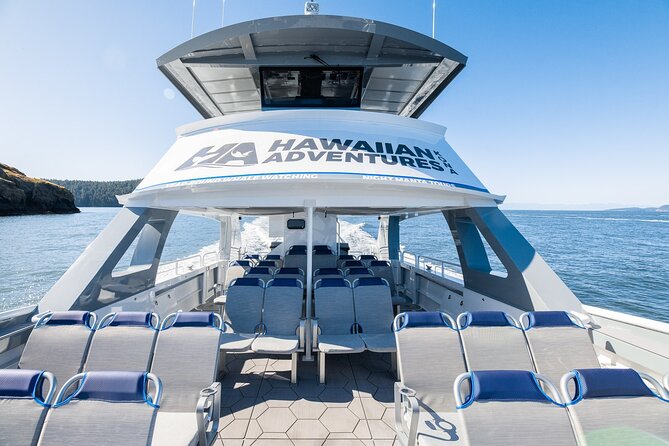
I like the two-part approach to wildlife: naturalist-guided spotting plus an onboard setup built for actually seeing the animals. I also really appreciate the fact that this is not a cramped cattle-pen experience, it is designed for wide, shared viewing from the seats.
One consideration, though: wildlife timing is not controllable. There is no species guarantee, and you should be ready for days when you get a lot of activity from one group (like dolphins) even if whales are quieter.
Key things to know before you go
- Honokohau Harbor access lets the crew search near-shore and offshore, including deep pelagic waters
- US Coast Guard offshore certification means they can go farther than many whale watches
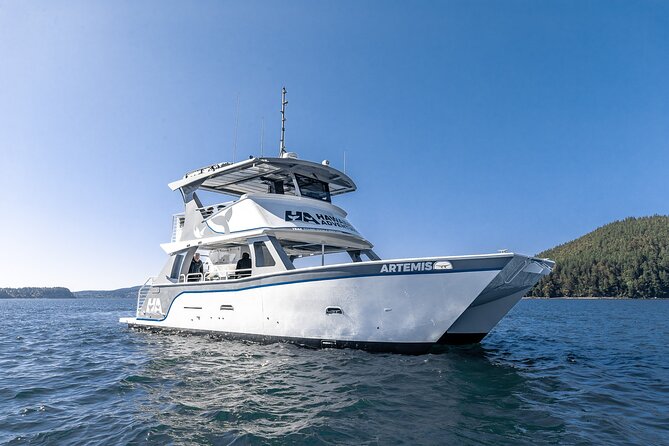
- 46-foot catamaran Artemis with an open, 360-degree-style viewing feel from padded seating
- Naturalists onboard who explain what you are seeing, including guide names like Dennis, Andrew, and Olivia
- Soft drinks and bottled water included so you can stay comfortable for the full cruise
Pelagic vs. near-shore in Kona, why it changes everything
Kona is famous for whales and dolphins, but the real game changer is where the boat is able to search. This tour runs out of Honokohau Harbor, and from there you can go from calmer near-shore waters to the pelagic zone.
Near-shore is where you tend to catch the more “classic” stuff. In the winter months, humpbacks are part of the mix, and you may also see spinner dolphins, bottlenose dolphins, manta rays, and flying fish. That near-shore variety is a big reason people fall in love with Kona whale watching.
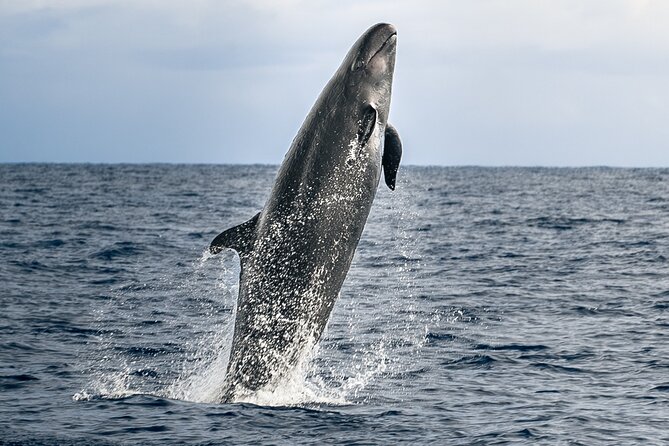
The pelagic zone is the bigger reason this tour gets strong marks. The search expands into waters thousands of feet deep, where you have a chance at pilot whales, beaked whales, sperm whales, spotted dolphins, whale sharks, and more. In plain terms, this is a route designed to widen your odds, not just cruise until someone spots something.
More Whale Watching in Big Island of Hawaii:
- Whale Watching On The Big Island
★ 5.0 · 573 reviews - Zodiac Raft Whale Watching Adventure
★ 5.0 · 456 reviews - Juneau Wildlife Whale Watching
★ 5.0 · 7,379 reviews
The 46-foot Artemis: comfort and viewing that actually helps
The boat matters on a whale watch. You might spend the whole morning scanning a horizon line, so “where you can see” is just as important as “how fast the boat goes.”
This trip runs on a 46-foot catamaran called Artemis. It uses an open-style layout, with seating that gives you a better shot at viewing from multiple angles. In feedback, people also mention smooth handling through swells, which is what you want on the way out and back.
Comfort shows up in the small details that you feel in your body. There are padded seats, soft foam flooring, and grab points around the vessel, plus both shaded and full-sun areas. If you are the type who gets grumpy after 20 minutes on hard plastic seating, this is the kind of boat plan that keeps you happy.
8:30 AM meeting point and the rhythm of a 3-4 hour cruise
You meet at 275 Kealakehe Pkwy, Kailua-Kona, HI 96740, and the tour starts at 8:30 am. The tour ends back at the meeting point, so you are not stuck figuring out a second pickup location.
The tour length is about 3 to 4 hours. That time window is important because it gives the crew room to search both near-shore and offshore areas, instead of rushing through one zone. If whales and dolphins pop up early, great. If they show later, you still have time to catch the action.
Hotel pickup is not included, so plan to get yourself to the harbor area. If you are traveling independently, this schedule is also a nice fit because it still leaves you with most of the day to explore the island.
What you will do on the water, from first scan to offshore search
The day typically starts with cruising out of Honokohau Harbor and settling in for wildlife spotting. From there, the crew follows the animals, moving between near-shore and offshore depending on where sightings and conditions line up.
In the near-shore zone, you might see whales during winter humpback season, plus dolphins and other surface life. People also describe big dolphin moments like spinner dolphins with fast, playful behavior and bow riding. If the dolphins are active, they can easily steal the show, which is not a complaint. It means the ocean is doing what it does best.
Then, if conditions allow, the boat can reach farther into the pelagic zone. That is where the tour’s deeper-water promise comes in. You are looking for species that tend to show up farther out, and that is also where occasional rarities can happen, like whale sharks and beaked whales.
One detail I think helps you set expectations: some sightings can be fairly close to the coast, even with deeper-water possibilities. You may hear depth talk in the range of roughly 50 to 200 feet from onboard commentary. So even if you feel like you are going “offshore,” you might still be watching wildlife with a visual connection to the coastline.
Stack these Big Island of Hawaii options against each other
- Big Island in a Day: Volcanoes Waterfalls Sightseeing and History
★ 5.0 · 6,569 reviews - Big Island Manta Ray Night Snorkel
★ 5.0 · 5,656 reviews - Big Island: Kona Manta Ray Snorkel Tour in Keauhou Harbor
★ 4.5 · 2,465 reviews - Hilo Shore Excursion: Volcanoes National Park & Black Sand Beach
★ 4.5 · 2,338 reviews
The naturalist onboard, spotting gets easier when you know what you’re seeing
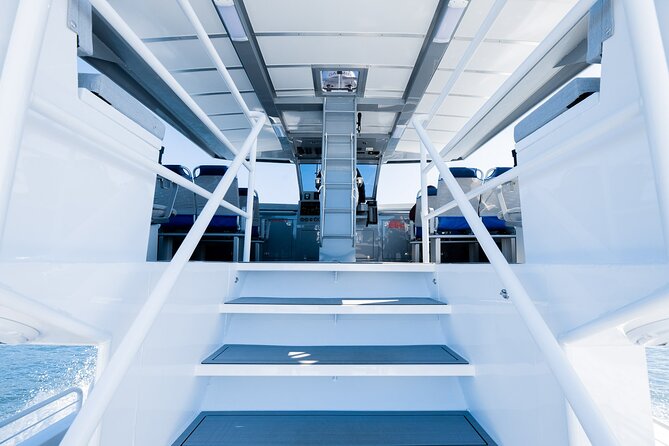
This is one of the best parts of the experience. The tour leans into education so you are not just looking, you are learning in real time.
Naturalist-guides help you identify what you are seeing and understand behavior patterns. That includes learning the right terms for the actions you witness. On one trip, guests specifically called out how guide Olivia and Andrew taught them whale behavior terms, which made the sightings easier to follow and more exciting to watch.
Names that show up in feedback include Dennis as well as Andrew and Olivia. That matters because it signals continuity and real effort from the crew, not a generic script read off a clipboard.
You also get the broader context around the animals and the Kona marine ecosystem. People describe commentary tied to how animals travel and what the sightings mean in the larger ocean picture. If you like nature facts but hate feeling like you are in a classroom, this tour is built to keep it practical: watch, listen, connect the dots.
Wildlife highlights you can plan around, and what to keep flexible
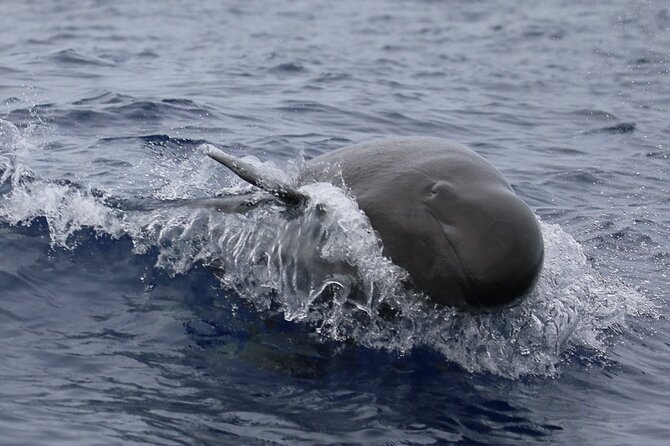
The tour is built around a wide range of potential species, with more than a dozen whales and dolphins possible year-round. That broad range is a plus, but it also means you should stay flexible.
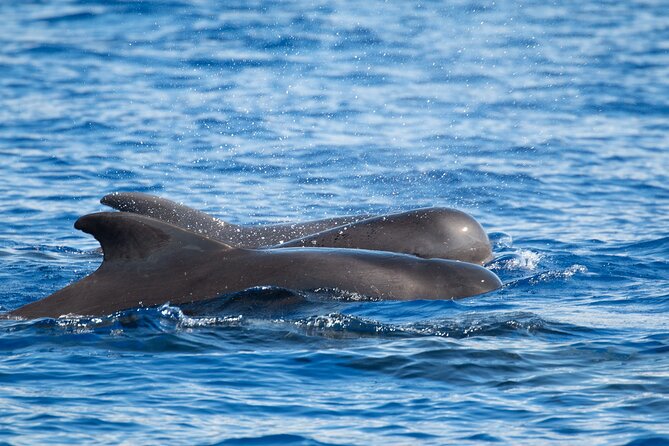
Year-round, Kona commonly turns up dolphin action. You could see spinner dolphins, bottlenose dolphins, and other species, depending on what pods are moving through that day. People also mention groups like pilot whales as a frequent target.
For whales, the winter season adds humpbacks, and feedback describes dramatic behavior like breaches, chin slaps, spyhopping, and whales swimming right beneath the boat. Even when sightings are not constant, the behavior moments tend to be memorable.
Then there are the “pelagic” chances that make this tour stand out. You might spot pilot whales, beaked whales, sperm whales, and spotted dolphins. Sometimes sharks enter the story too, including oceanic white tip sharks and other types depending on what the crew finds in that day’s search.
A tough but honest reality: some days you may get plenty of wildlife and other days the ocean gives you less. One important point from the tour’s own follow-up logic is that even when the crew does everything right, the animals still decide what shows up.
Boat manners, sea state reality, and seasickness prep
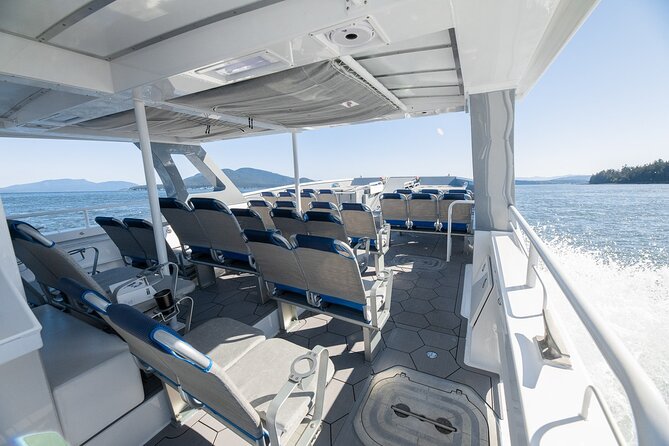
Even with a comfortable catamaran and a crew that looks after everyone, the ocean is still the ocean. You can have a smooth ride, or you can have swells that make your body feel it.
Feedback repeatedly praises the crew’s safety focus and their handling of conditions, including support for people prone to motion sickness. One guest recommendation was simple and specific: if you tend to get seasick, take something beforehand rather than waiting until you feel it.
That is also where boat comfort becomes practical. The Artemis design, with its stability and viewing rail/hand holds, helps you move around without feeling like you are wrestling the deck. You can still expect some motion, but you should feel in control.
One last real-world note: if you are sensitive about viewing spots, arrive with patience. When dolphins or whales surface, people tend to crowd toward the action. The open-style viewing helps, but it does not magically stop someone from getting excited in the wrong place.
How the $129 price stacks up for value in Kona
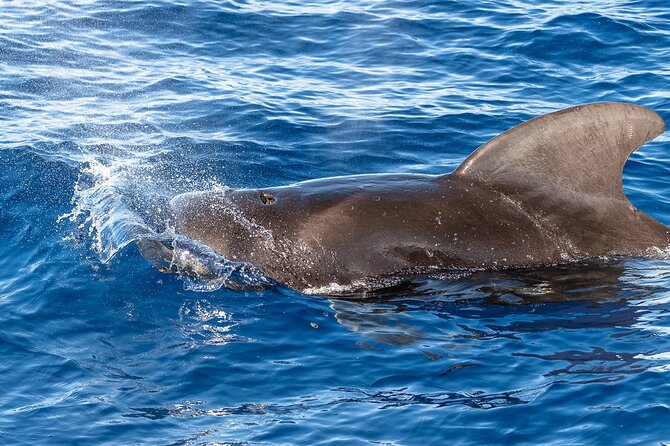
At $129 per person for a 3 to 4 hour outing, this is not a budget impulse buy. But I think it prices in a way that makes sense if you care about odds and experience quality.
Here is the value logic I see:
- You get onboard naturalist-led spotting instead of passive narration
- You get a vessel and route designed for both near-shore and offshore, not just one zone
- Soft drinks and bottled water are included, which helps you stay comfortable without extra stops
- The sighting success track record is strong, with a reported rating of 4.9 and 97% recommending the tour
The biggest value driver for me is the pelagic capability. Many whale watch options work only close to shore. Going deeper increases the chance of encountering the kinds of animals that are more likely farther out, including species that people dream about, like whale sharks.
And one more practical point: this tour gets booked about 37 days in advance on average. That tells you it is popular with people who plan ahead, and it also means you should not wait until the last few days if your dates are firm.
Who should book this pelagic whale watch
This tour fits best if you want a morning on the water that balances animals, education, and comfort. It is also a good choice if you like the idea of a broader search range, because the route can go from near-shore to pelagic zones.
It is not appropriate for children under age 10. For most other adults and teens, it is listed as most travelers can participate. The group size is capped at 42 travelers, which usually keeps the experience from turning into chaos.
If you have strong interest in whales and dolphins and you like learning how to spot behavior (breaches, blows, spyhops, and dolphin bow riding), you are going to get more out of the trip than someone who only cares about a single quick sighting.
Service animals are allowed, which is helpful to know up front.
Should you book it, or look elsewhere?
Book it if:
- You want a Kona whale watch that can reach the pelagic zone, not just near-shore
- You care about understanding what you are seeing, and you enjoy naturalist commentary
- You want a comfortable catamaran with open viewing and included drinks
- You like the idea of real chances at multiple species, not just a single target
Skip it or reconsider if:
- You need a guaranteed dolphin or whale sighting. The ocean does not operate on schedules, and even with a skilled crew, some trips can come up short.
- You are very sensitive to motion and you have not planned for it. Take that seriously and prepare ahead.
One more nudge for decision-making: the operator states a rebooking offer if you do not see whales or dolphins on your tour, inviting you to return with 50% off for another chance. That does not make it a guaranteed show, but it does mean they recognize the wild nature of wildlife watching.
If your dates are flexible, you will have an easier time matching good weather too. And with a strong overall rating and recommendation rate, this is one of those Big Island experiences that seems to earn its reputation for a reason.
FAQ
How long is the Big Island pelagic whale watch tour?
The tour runs about 3 to 4 hours.
Where is the meeting point for the tour?
The meeting point is 275 Kealakehe Pkwy, Kailua-Kona, HI 96740, USA.
What time does the tour start?
The tour starts at 8:30 am.
Is hotel pickup or drop-off included?
No. Hotel pickup and drop-off are not included.
What is included in the ticket price?
The tour includes the whale watching experience and a professional crew, plus cold drinks like soft drinks and bottled water.
Is it guaranteed that you will see whales and dolphins?
The tour is not described as a guaranteed sighting for whales and dolphins. If you do not see whales or dolphins on your trip, there is an offer to join again at 50% off, based on the tour company’s stated policy.
What should I do if I get seasick?
If you are prone to motion sickness, take something beforehand, as recommended by guests. The crew also takes safety seriously.
What happens if the weather is poor?
This experience requires good weather. If it is canceled due to poor weather, you are offered a different date or a full refund.
Are service animals allowed?
Yes, service animals are allowed.
How many people are on the tour?
The tour has a maximum of 42 travelers.
Reviewed most recently around Big Island of Hawaii
- Manta Ray Night Snorkel Kona – Coral Reef Snorkel Adventures★ 5.0 · 376 reviews
- Kealakekua Bay Captain Cook Snorkel Exclusive★ 5.0 · 380 reviews
- Manta Ray Night Snorkel Tour in Kailua-Kona, Big Island★ 5.0 · 382 reviews
- 3.5 Hour Kailua-Kona Ocean Kayak and Snorkel Tour★ 5.0 · 384 reviews
- Hawaii Volcanoes, Waterfalls, Beaches & Hilo Highlights Day Tour★ 5.0 · 391 reviews
- Small-Group Snorkel at Kealakekua Bay in Captain Cook, Big Island★ 5.0 · 396 reviews
- Waikoloa Signature Catamaran Sunset Sail★ 4.5 · 396 reviews
- Kona Walking Food Tour★ 5.0 · 402 reviews
Whale Watching, compared.
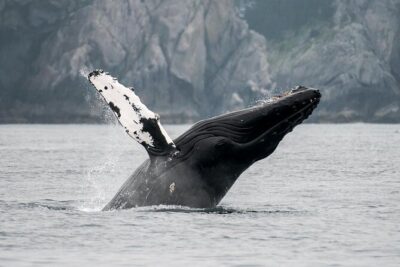
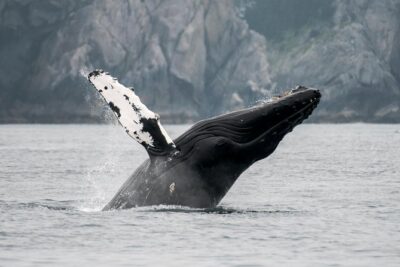
Juneau Wildlife Whale Watching & Mendenhall Glacier
Read our review →
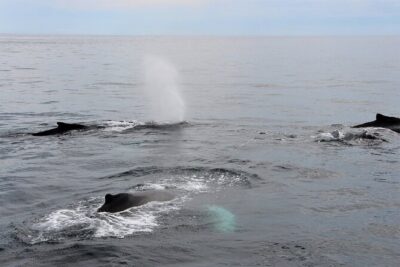
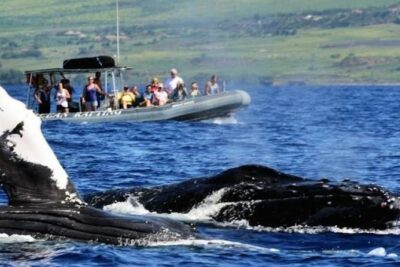
Maui Eco-Raft Tour: Eye-Level Whale or Dolphin Watching – Lahaina
Read our review →
Whale Watching Trips to Stellwagen Bank Marine Sanctuary. Guaranteed sightings!
Read our review →Browse the lists this tour appears in