
Reviewed · HISTORICAL TOURS
Atlanta’s Black History and Civil Rights Tour
Atlanta’s Black history and civil rights story is huge, but you do not have to spend days tracking it down. This half-day, small-group tour is built to help you get your bearings fast, using an air-conditioned vehicle to connect key neighborhoods, major landmarks, and behind-the-scenes film stops.
I especially like two things: the way the route layers civil rights landmarks with everyday places like businesses and churches, and how the guide storytelling turns quick stops into something you can actually remember. Another big plus is the frequent photo-friendly pacing, including quick culture and pop-culture hits like Tyler Perry Studios and Madea House.
One consideration: the schedule is tight, so you will be stepping out in bursts for photos and short walks. If you want lots of long museum-style time, plan to do extra time on your own afterward, especially at the Martin Luther King Jr. National Historic Site.
Key Points You Should Know Before You Go
- A $74 half-day built for focus, not slow sightseeing, with 3 to 5 exploration stops plus options to grab a bite.
- Air-conditioned touring in between stops, which is a real quality-of-life upgrade in Atlanta weather.
- Photo-friendly culture stops like Tyler Perry Studios and Madea House, with entry rules that can affect what you see.
- HBCU and film location context around Atlanta University Center, Morehouse, Spellman, and more.
- Civil rights stops that connect names to places, from church and headquarters sites to the King Center area.
- Municipal Market as the lunch pivot, where you can choose food from several independent spots if you want.
Entering Atlanta’s Black History Route Without Getting Lost
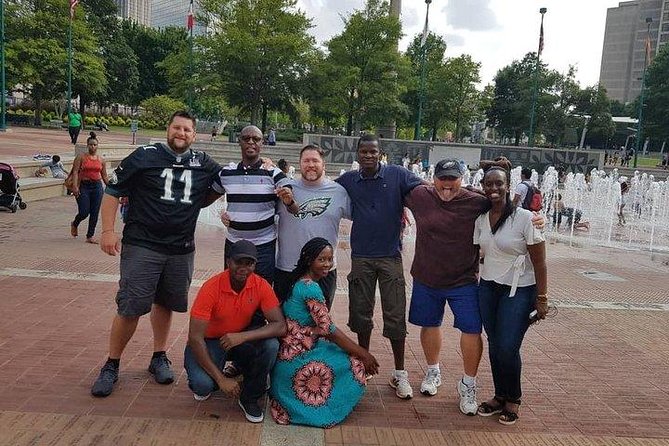
If Atlanta’s Black story feels like it has too many chapters, this tour helps you stitch the pieces together. You start with the city’s major “attention hubs,” then shift toward neighborhoods and institutions that shaped culture, politics, and community life.
You are not just riding past landmarks. You are also getting the why behind the route, with lots of quick facts that make the city feel smaller and more understandable.
More Historical Tours in Atlanta:
- New York City: American Museum of Natural History Ticket
★ 4.5 · 15,447 reviews - History and Hauntings of Salem Guided Walking Tour
★ 5.0 · 14,564 reviews - Charleston’s Old South Carriage Historic Horse & Carriage Tour
★ 5.0 · 10,023 reviews
Price and Time: Is $74 Worth It for a 4-Hour Tour?
At $74 per person for about 4 hours, this tour sits in the sweet spot for a practical introduction. You are paying for expert local guidance, transportation in an air-conditioned vehicle, and access to multiple stops in one morning or one afternoon.
It also helps that many of the listed stops are “free admission ticket” stops, so you are not stacking extra costs just to step out and look around. Your main extra cost is optional lunch, plus the usual spending you might do at shops and restaurants.
Meeting at Atlanta Marriott Marquis, Then Rolling With the Group
The meetup point is the Atlanta Marriott Marquis at 265 Peachtree Center Ave NE. It is easy for ride-hail drop-offs and convenient for MARTA riders, and the lobby area has comfortable seating and clean bathrooms.
Plan to arrive 25 to 30 minutes early. Parking is available but not free, and garages or lots are about a block away with rates that run roughly $10 to $30. When you arrive early, you reduce the chance of a late start that can compress your time later.
The tour is a maximum of 27 travelers, which is big enough to feel social and small enough for a guide to keep the story moving.
How the Morning and Afternoon Windows Shape Your Day
You can choose the morning slot (10:00am to 2:00pm) or the afternoon slot (1:30pm to 5:30pm). Either way, the time is designed around a half-day rhythm: ride, stop, quick photos, move on, and then end back at the meetup point.
If you want to do more independent exploring afterward, the morning tour often gives you more daylight. If you prefer a lighter day with less pressure, the afternoon tour can feel easier, especially if you have dinner plans or another activity.
Stack these Atlanta options against each other
- Atlanta: Georgia Aquarium Skip-the-Box-Office Entry Ticket
★ 4.6 · 3,080 reviews - 90-Minute Narrated Sightseeing Trolley Tour in Atlanta
★ 5.0 · 2,127 reviews - World of Coca-Cola General Admission Ticket
★ 4.0 · 1,070 reviews - 90-Minute Guided Sightseeing Tour
★ 5.0 · 1,004 reviews
The Olympic-Era Hub: World of Coke, Georgia Aquarium, CNN, and More
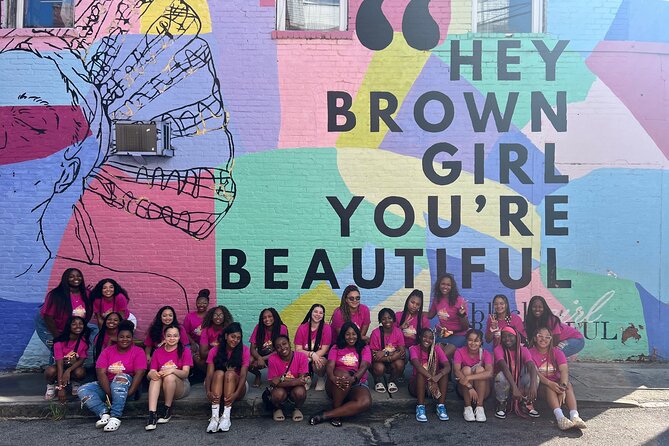
Your route begins around Atlanta’s 1996 Olympic attraction hub. This is the area tied to global visibility, and it gives you a helpful “baseline” before the tour shifts into neighborhoods and institutions with deeper, older roots.
You also pass by major names like World of Coke, Georgia Aquarium, and CNN. Even if these are places you are already aware of, the tour’s angle is what matters. You get quick context for how Atlanta branded itself, how the city reorganized attention around big events, and how that visibility intersected with Black community life.
Then you head toward the Heart of Atlanta side of the story, including the Five Points District and the Birthplace of Coca Cola.
Olympic Cauldron Tower and Summerhill: The 1996 Moments You Can Still Feel
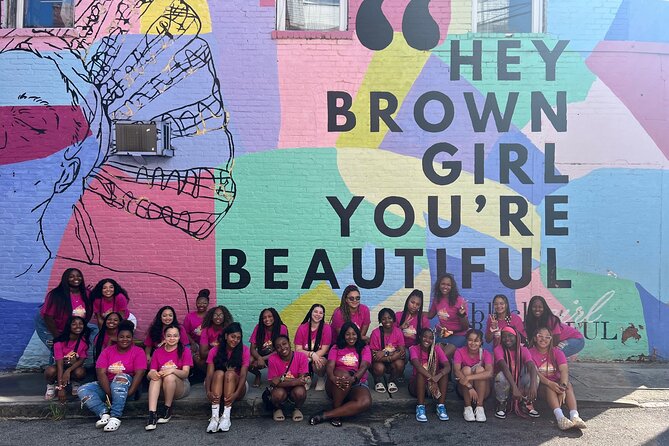
One of the most memorable stops is the Atlanta Olympic Cauldron Tower area. You get a close-up look at the Olympic Stadium and Torch, plus a chance to reconnect the 1996 story to specific names and places around the city.
A highlight here is the tie-in to historic Atlanta sports culture, including references like Hank Aaron. The tour also connects this to nearby areas, including Summerhill, so you do not just see stadium scenery, you see how the city’s everyday life surrounds it.
If you like photos, this is a strong moment. It is short, but it gives you landmark-level visuals that anchor the whole tour.
Tyler Perry Studios and Madea House: Quick Photo Stops With Real-World Limits
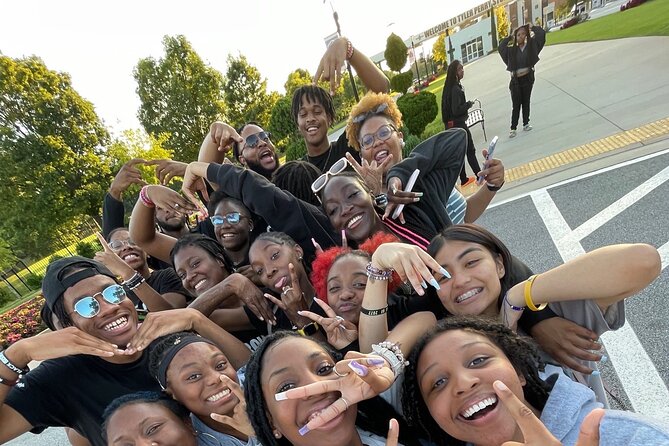
This tour includes a fun pop-culture slice: Tyler Perry Studios and Madea House. Both are described as quick stops, focused on selfies and group photos, which can make the tour feel lighter without losing the point.
One important consideration is access. The studio welcome entrance area is restricted at certain times, including after 5pm Friday, and it changes for all-day Saturday, Sunday, and holidays. That means you should treat this stop as photo-forward, not guaranteed “inside the building” time.
Still, even for short viewing windows, this is a recognizable Atlanta moment. It helps you understand how Black creativity and media production have become part of Atlanta’s public identity.
West End Historic District: Victorian Streets, Murals, and Local Businesses
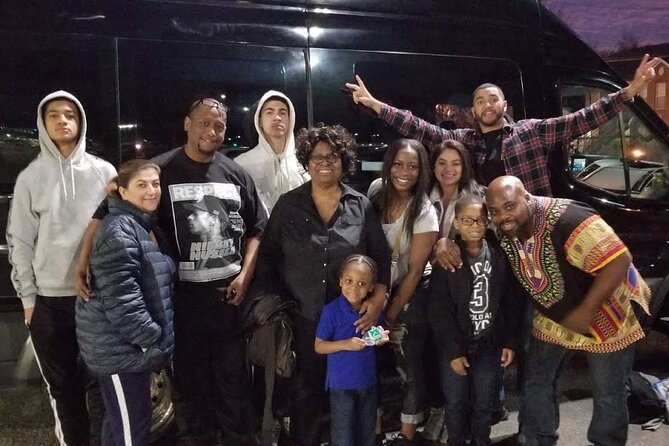
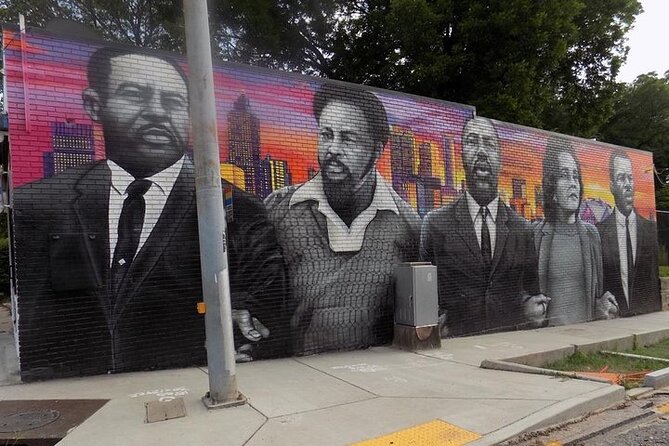
West End Historic District is where the tour leans into neighborhood texture. The focus here is on a spiritually rich, pro-Black community, with Victorian homes and street art murals that make the area feel lived-in, not staged.
You get a chance to slow down for photos and take in the street-level scene for longer than some other stops. You also pass by or reference local black-owned businesses, which is a smart way to keep the tour tied to present-day life rather than only the past.
If you enjoy street art and neighborhood architecture, this is a stop that can stand out because you are not just hearing about history, you are seeing it painted onto walls and reflected in buildings.
The Old Black Bookstore and Culture Center: A Stop for Real Local Pride
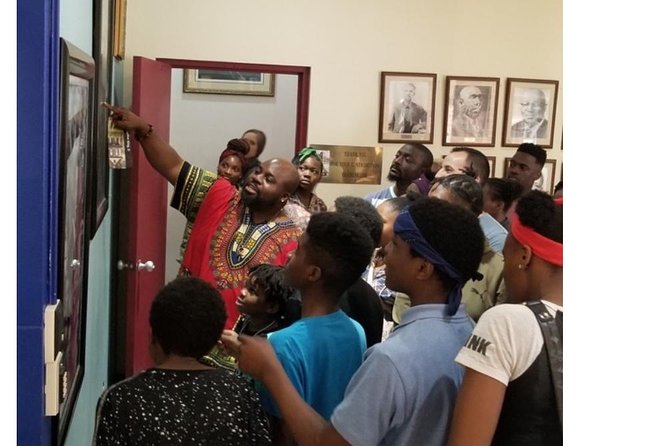
At one point, the tour includes Atlanta’s oldest Black-owned bookstore and culture center. You will get street art murals nearby and a sense of how books, community space, and culture reinforce each other.
This kind of stop is valuable because it is not only about civil rights lawsuits and speeches. It is also about the everyday work of building community identity through education, media, and gathering spaces.
If you like browsing, you might find you want to return later on your own for deeper time.
HBCU Stops at Atlanta University Center: More Than Names on a Map
Another strong part of the route is the Atlanta University Center area, often described as the largest consortium of Black colleges in the country. The tour connects this place to broader cultural and civil rights impact, not just campus sightseeing.
You may visit or reference major schools including Morehouse College, Spellman College, Clark Atlanta University, Morris Brown College, the Interdenominational Theological Center, and Morehouse School of Medicine. The route also includes film location context, which can help you spot why Atlanta campuses show up so often in storytelling.
If you are trying to understand why Atlanta mattered so much, this stop helps. It frames education, leadership, and civic influence as part of the city’s living engine.
Government Center: City Hall, Fulton County Courthouse, and Georgia Depot Views
The Government Center stop is a practical pivot. You see Atlanta City Hall, the Fulton County Courthouse, and Georgia Depot as part of the city’s civic and political geography.
This matters because so much civil rights progress required legal action, leadership, and institutional change. Seeing the seat of government in the same tour as churches and community landmarks helps the story feel connected instead of split into separate topics.
The photo moment here is usually quick, but it gives you a “place in space” reference for the rest of what you will learn.
Civil Rights Landmarks in Motion: Churches, Headquarters, and Memorials
The tour includes civil rights landmarks from schools and businesses to headquarters and soldiers residences. Even when you are only standing outside, the guide’s job is to connect the name to a specific kind of impact, like organizing, publishing, fundraising, or leadership.
You also get a segment that focuses on what’s often described as once Atlanta’s richest Negro street. The stops around Woodruff Park and sites connected to outlets and institutions like Atlanta Daily World and Atlanta Life help show how media and community leadership traveled through the city.
The route references places tied to civil rights organizing, including SCLC headquarters and historic Black churches. Art murals and film locations add extra layers, showing how memory is preserved in multiple forms.
Martin Luther King Jr. National Historic Site: The Most Important Half-Day Anchor
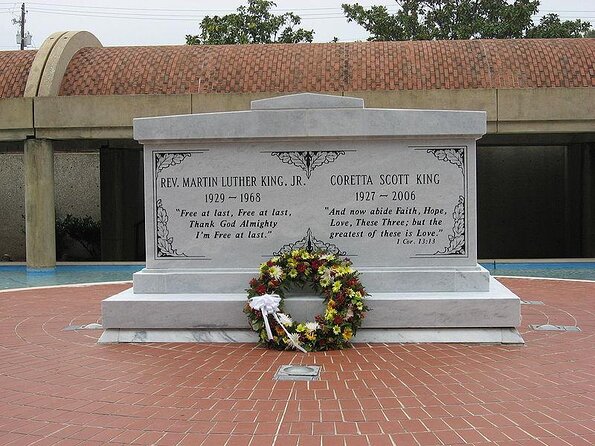
The Martin Luther King Jr. National Historic Site stop is one of the biggest parts of the afternoon or morning pacing. You see key elements including Ebenezer Baptist Church, MLK’s Birth Home, the King Center, and the Visitors Center area.
This stop is also where you can feel the difference between “sightseeing” and “meaning.” The time is limited, but the guide helps you know what to look for and how the pieces fit together.
If you want more time here, plan your own follow-up. The tour gives you a starting point and the context to return with clearer questions.
Municipal Market Lunch Stop: Independent Eateries and Easy Break Time
The Municipal Market area is a good mid-tour reset. The tour positions it as Atlanta’s historic gem and includes a lunch stop option, with plenty of nearby choices.
If you need a real meal, this is the moment to do it. The list includes options like soul food, BBQ, New Orleans-style flavors, seafood, West African and Asian cuisines, and plenty of herbs and spice choices.
It is optional, which is helpful if you already ate before starting. Just remember the tour runs fast, so hunger can sneak up on you.
What to Wear, What to Bring, and How Not to Waste Photo Moments
This tour operates in all weather, so bring what you need to stay comfortable. Light rain is a cue for an umbrella or rain poncho, and in extreme weather you will need to follow the reconfirmation instructions on your voucher.
Wear comfortable shoes because you will be getting out for short photo and walking segments. Also, bring a phone charger if you use it a lot, since you will likely take more photos than you planned.
If you care about photos, arrive early and keep your timing flexible. The best shots happen when you are ready the moment the group stops.
Should You Book This Atlanta Black History and Civil Rights Tour?
Book it if you want a high-value overview that connects neighborhoods, civil rights sites, and culture in one half-day. At $74 with air-conditioned transportation and multiple short exploration stops, it is a smart way to spend limited time in Atlanta without turning your day into a scavenger hunt.
Skip it or plan extra time if you prefer long, quiet museum-style stays. This route is built for momentum, and a few locations are quick photo stops by design. You will likely want follow-up time on your own at the MLK site or anywhere that grabs you most.
Finally, choose this tour if you want your guide to treat the story with care and energy, including humor and thoughtful context. Names that come up in guide assignments like Jeff, Ibrahim, Omar, and Ebby signal a consistent approach that mixes education with street-level local detail.
FAQ
How long is the Atlanta Black History and Civil Rights Tour?
It runs for approximately 4 hours.
How much does the tour cost?
The price is $74.00 per person.
What are the morning and afternoon tour times?
The morning tour runs 10:00am to 2:00pm, and the afternoon tour runs 1:30pm to 5:30pm.
Where do I meet the guide?
You meet at the Atlanta Marriott Marquis, 265 Peachtree Center Ave NE, Atlanta, GA 30303. The tour ends back at the meeting point.
Is food included in the price?
Food is not included. There is an optional lunch stop at the Municipal Market.
What is included with the tour?
Included items are an air-conditioned vehicle, 3 to 5 stops for exploring and selfies (with lunch-stop being optional), a driver/local tour guide, and bottled water.
Is there a limit on group size?
Yes. The maximum group size is 27 travelers.
Are there admission costs at the stops?
The itinerary lists stops with admission tickets as free, but the tour itself notes that food and other extras are not included.
Is the tour available in English and does it use mobile tickets?
Yes. It is offered in English and includes a mobile ticket.
Can I cancel for a full refund?
Yes, you can cancel up to 24 hours in advance for a full refund. If you cancel less than 24 hours before the experience starts, the amount paid will not be refunded.
Reviewed most recently around Atlanta
- Atlanta Sightseeing Bus Tour★ 4.5 · 837 reviews
- 90-Minute Guided Sightseeing Tour★ 5.0 · 1,004 reviews
- World of Coca-Cola General Admission Ticket★ 4.0 · 1,070 reviews
- 90-Minute Narrated Sightseeing Trolley Tour in Atlanta★ 5.0 · 2,127 reviews
- Atlanta: 1.5-Hour Highlight Trolley Tour★ 4.7 · 718 reviews
- Atlanta 5 Hour City Tour by Air-Conditioned Bus★ 4.6 · 445 reviews
- Atlanta: Georgia Aquarium Skip-the-Box-Office Entry Ticket★ 4.6 · 3,080 reviews
- Atlanta: SkyView Ferris Wheel Ticket★ 4.4 · 547 reviews
Historical Tours, compared.
History and Hauntings of Salem Guided Walking Tour
Read our review →
Charleston’s Old South Carriage Historic Horse & Carriage Tour
Read our review →

Big Island in a Day: Volcanoes Waterfalls Sightseeing and History
Read our review →
Freedom Trail History Small Group Walking Tour
Read our review →
Historic Charleston Guided Sightseeing Walking Tour
Read our review →
Starship Landmark 90 Minute Sightseeing Cruise
Read our review →Browse the lists this tour appears in