
Reviewed · WHALE WATCHING
Boston: City Cruises Whale Watching Cruise
Boston whale watching is interesting for one simple reason, you are watching giants that do not care about your itinerary. This cruise gets you out into the right stretch of water fast, with Naturalists from the New England Aquarium guiding what you should look for. I also like the mix of outside viewing decks and indoor space with large windows, so the experience works even if the weather turns.
The trade-off is real though. This is a speed boat on open water, so if you get sick easily, plan carefully, because the ride can get choppy and this trip is not designed for people with motion sickness.
Key points at a glance
- 1.5 hours at Stellwagen Bank: your main whale watching time where sightings are most likely
- Indoor viewing windows + outdoor decks: choose based on comfort and wind
- Naturalists from the New England Aquarium: clear talk about behavior, not just names
- High-speed boat comfort: cushioned seating, tables, and sound plus video systems
- What to bring matters: warm layers, sunglasses, and binoculars if you have them
First Look at Long Wharf: what gets you moving fast
Your day starts at Boston Harbor City Cruises at One Long Wharf, in the stretch between the Long Wharf Marriott Hotel and the New England Aquarium. Even if you arrive a few minutes early, the area is easy to navigate. You will scan your voucher, then walk to the boarding spot for your boat.
What makes this setup work is timing. Whale sightings depend on where the whales are that day, not on the clock. This cruise is built around getting you out of the harbor and into the whale zone quickly, then giving you a solid block of time to look. You can feel this focus in how the trip is paced.
Also, the “right place to be” part is practical. Starting right at the Long Wharf side of the harbor means you avoid extra transportation headaches, and you are already close to a bunch of Boston sights if you want to pair the cruise with a meal or walk before or after.
More Boat Trips in Boston
- Boston Duck Boat Sightseeing City Tour with Cruise Along Charles River
★ 4.5 · 9,378 reviews - Boston: City Cruises Historical Sightseeing Cruise
★ 4.6 · 1,771 reviews - Boston: Boston Harbor Sunset Cruise
★ 4.5 · 888 reviews
The route story: harbor passes before the whale zone
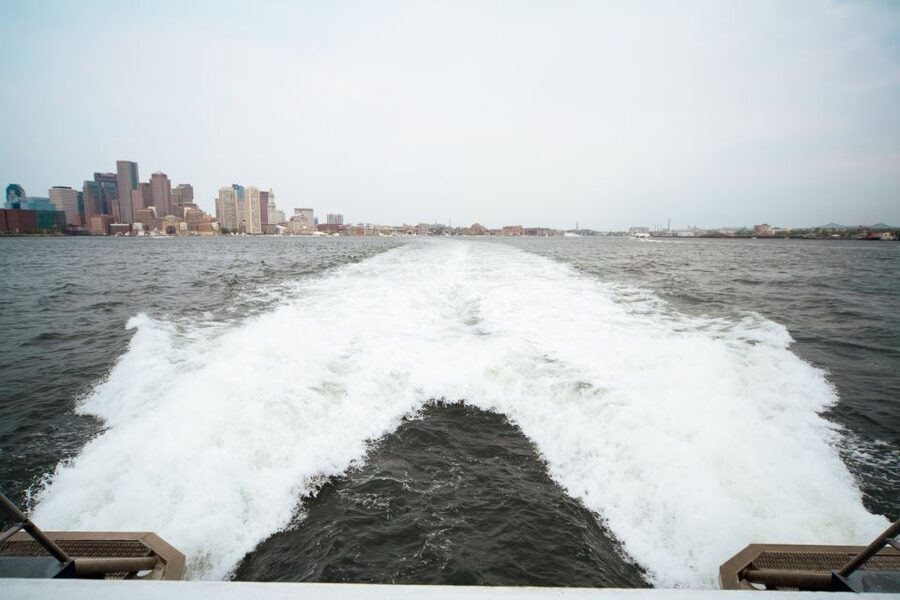
Once you are on board, you head out and make a few scenic passes that help you understand the geography before the real spotting begins.
First up is Castle Island, a quick pass-by that gives you a classic Boston Harbor moment without draining your time. It is the kind of sight that makes you go, yes, I am really here, before you hit open water.
Then comes the Boston Harbor Islands National and State Park pass. This is more than just scenery. The islands help show why the area matters to marine life, because you are transitioning from the harbor edge toward the broader coastal waters.
The key turning point is when you reach the Gerry E. Studds/Stellwagen Bank National Marine Sanctuary. This is where you stop for whale watching, and it is where the cruise stops feeling like a ride and starts feeling like a full-on wildlife viewing session.
Why these passes are worth it
You might be tempted to think only the whale time matters, but the passes serve a purpose. They give you time to get oriented, spot landmarks, and settle into where you will stand or sit when the naturalists call things out. If you are traveling with kids, this in-between stretch also helps keep energy from crashing right before the main action.
1.5 hours at Stellwagen Bank: how whale time is really used
Your best wildlife time happens at Stellwagen Bank, with about 1.5 hours devoted to whale watching. This is the heart of the cruise, and it is planned that way for a reason. In the open ocean, spotting is a mix of science and luck, so you need enough time in the right zone to make the searching worth it.
Here is what you can realistically expect to see, based on the species the naturalists focus on:
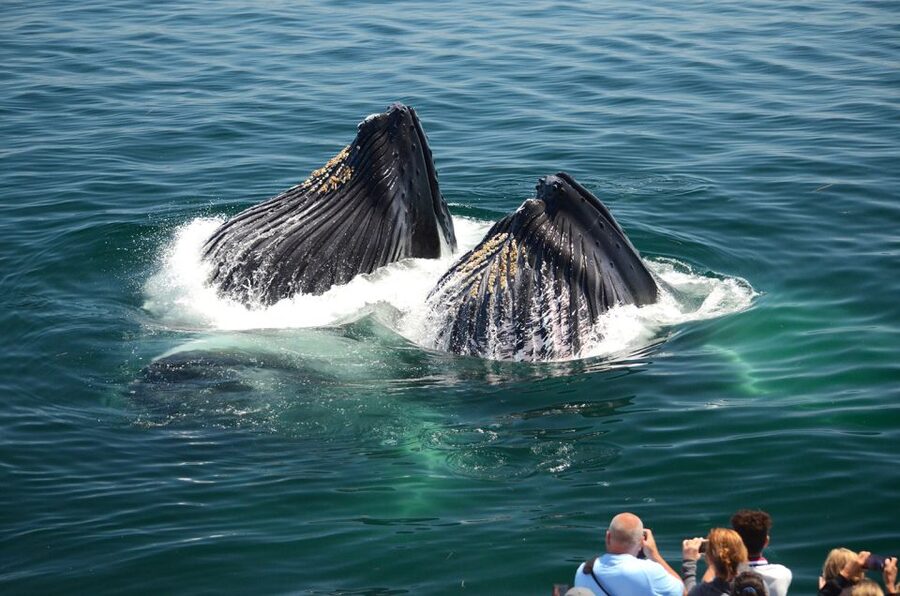
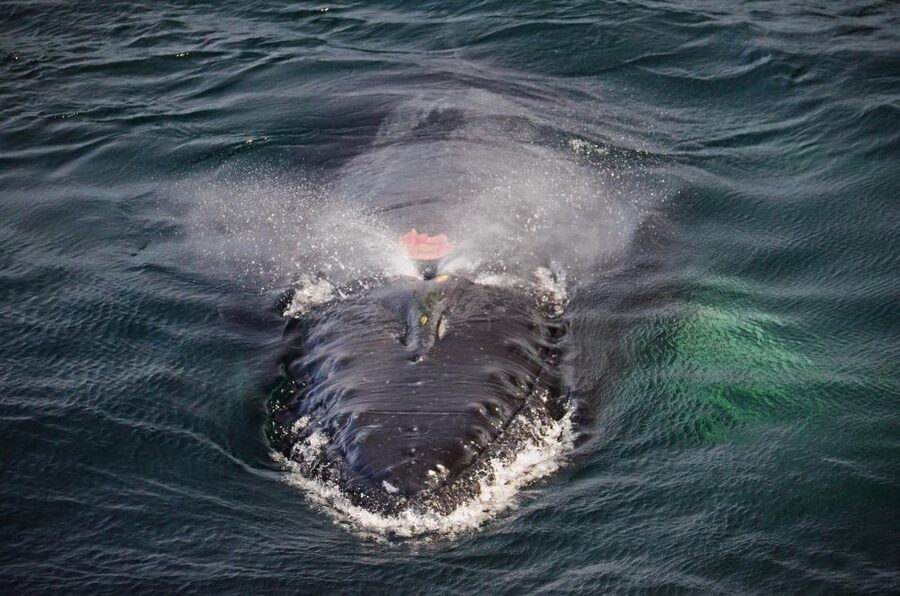
- Humpback whales
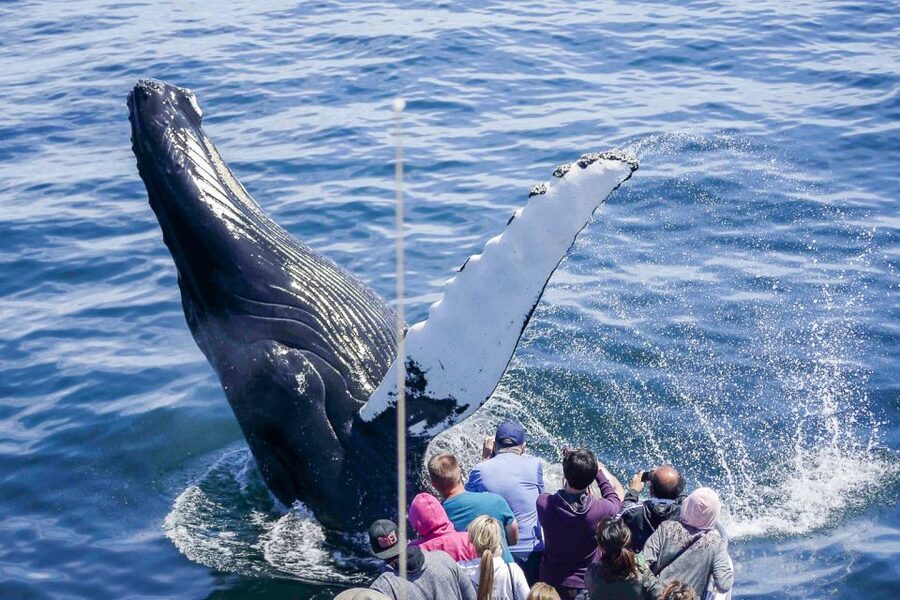
Look for the humpback’s signature body behavior, the way its back arches out of the water before a deeper dive. The naturalists explain the name too, including that big-winged New Englander idea tied to the scientific name.
- Fin whales
These are huge, and the tour frames their size in human terms, including length range and adult weight scale, so you can actually grasp what you are looking at.
- Minke whales
They are smaller and can be harder to spot, but they are also part of what makes this region exciting. The naturalists point out that minkes are among the most abundant whale species worldwide.
You can also see other wildlife, including white-sided dolphins. The cruise explains how they feed, including that these dolphins hunt individual prey like squid, unlike whales that filter lots of small fish. You may also get sightings beyond the main whale list, like seals or other marine life, depending on conditions.
More City Tours in Boston
- City Cruises Salem High Speed Ferry to/from Boston
★ 4.5 · 727 reviews - Boston: City Cruises Sunset Skyline Cruise with Commentary
★ 4.6 · 381 reviews
When whale time runs long
One important heads-up, the location of the whales can require additional travel time. In practice, that means your trip can stretch beyond 3 hours, even though the typical duration is about 3.5 to 4 hours. So if you have a tight dinner reservation, I would give yourself breathing room.
Where to stand and sit: decks, windows, and staying comfortable
This cruise does a smart thing with layout. You get both outdoor viewing decks and a climate-controlled cabin with large windows. That means you can chase the action outside, then retreat indoors without missing the announcements.
If you want the best chance at seeing something in motion, you will likely gravitate to the top deck area when the boat stops or slows for spotting. One useful tip from the experience notes is to go where your view is cleanest, especially when whales surface on different sides of the boat. Windows help a lot, but your sightline outside is usually clearer for tracking where spouts appear and disappear.
Inside, you have cushioned seating and tables, plus state-of-the-art sound and video systems. That matters because the naturalists are not just pointing, they are explaining what you are seeing. If you are inside, you still get the full guidance, and you can stay warm when wind cuts through the open water.
A cold-weather reality check
Many people arrive thinking it will be a gentle day on the water. Then the open ocean wind reminds them it is not a harbor breeze. Bring a jacket and weather-appropriate layers, and if you tend to get cold, bring a warm hat. Even when the day looks sunny, the boat can feel chilly on the way out.
The guides make it: Naturalists from the New England Aquarium
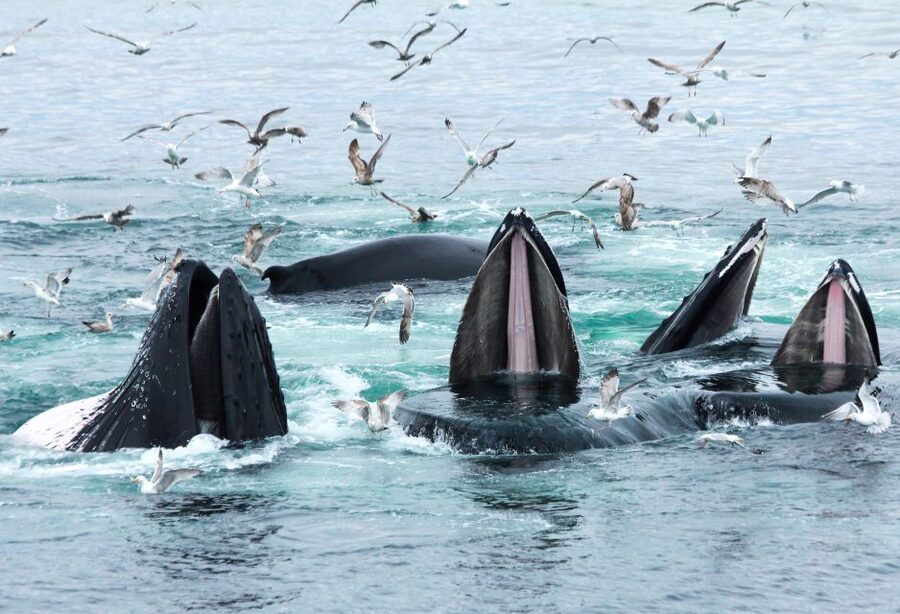
The big value here is the educational layer. You are not just watching. You are getting a guided explanation of whale behavior and what those behaviors mean.
The naturalists focus on interpretation in plain terms, and the tour experience highlights are built around that approach. You will get talk about:
- how and why humpbacks surface and dive
- how fin whales compare in size and presence
- why minkes are common and how to spot their activity
- how dolphins and whales differ in feeding style
Even the guide names show up in people’s praise, with Colin and Eman both called out for giving detailed information and keeping the narration sharp and engaging. I like this kind of guiding because it helps you look smarter, not just longer.
Listen for the cues
One of the easiest ways to get more from the cruise is to treat the naturalist call-outs like a game. When you hear a specific behavior mentioned, start scanning for that exact thing. If you are inside, angle yourself toward the window and keep an eye on the direction the guide is describing. It sounds basic, but it turns whale watching from random luck into a guided hunt.
What the boat experience feels like in motion
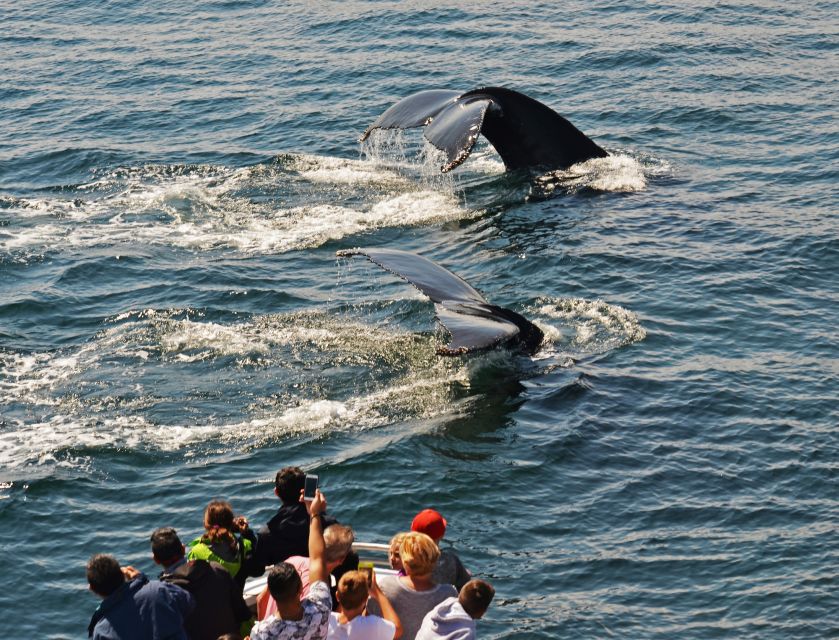
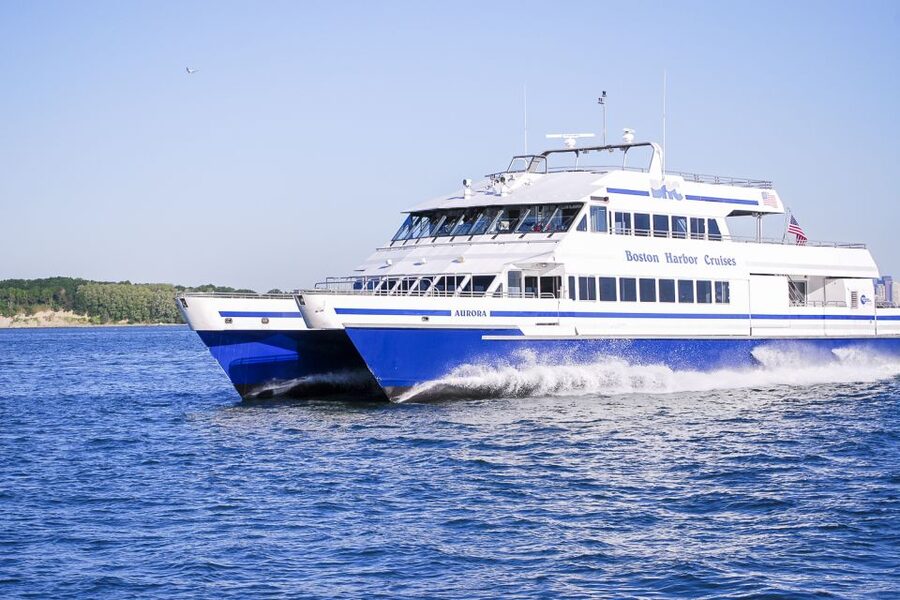
This cruise uses a comfortable, high-speed boat with a focus on maximizing viewing space. That speed is a double-edged sword. It gets you to the whale zone faster, but it can also mean a quicker ride over choppy water when conditions turn.
Here is what I think you should plan for:
- You will want to wear comfortable shoes that work in a moving environment.
- You should assume some chop is possible on an open-water day.
- If you have motion sensitivity, take it seriously. The trip is not marked as suitable for people with motion sickness.
One practical detail that comes up in the experience notes is that crews sometimes offer help for seasickness. People mention ginger sweets being available, and others recommend planning with anti-sickness measures beforehand. If you are prone to feeling ill, do not gamble. Bring what works for you, and consider choosing a calmer day if your schedule allows.
Snacks, drinks, and the comfort details you will notice
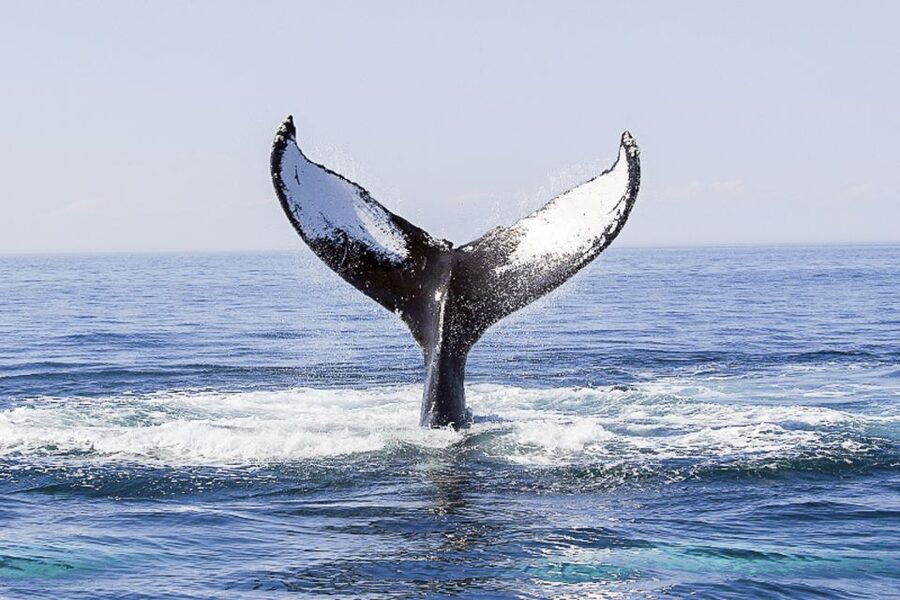
You do not get a full meal included, but you do have a galley where food and drinks are available for purchase. That is practical because it gives you flexibility, and you are not stuck paying for one specific menu option.
Also, the onboard setup is built for a viewing session. You have tables to set down binoculars or your phone, seating that makes it easier to stay put during a long scan, and sound plus video systems to keep the narration clear.
One small caution
Some reports mention areas like heating in the closed cabin not always feeling ideal, plus occasional service delays at the snack section. None of this is a deal-breaker, but it does explain why bringing your own warm layer matters. If you run cold, you will be happier.
Species you might see, and how to spot them
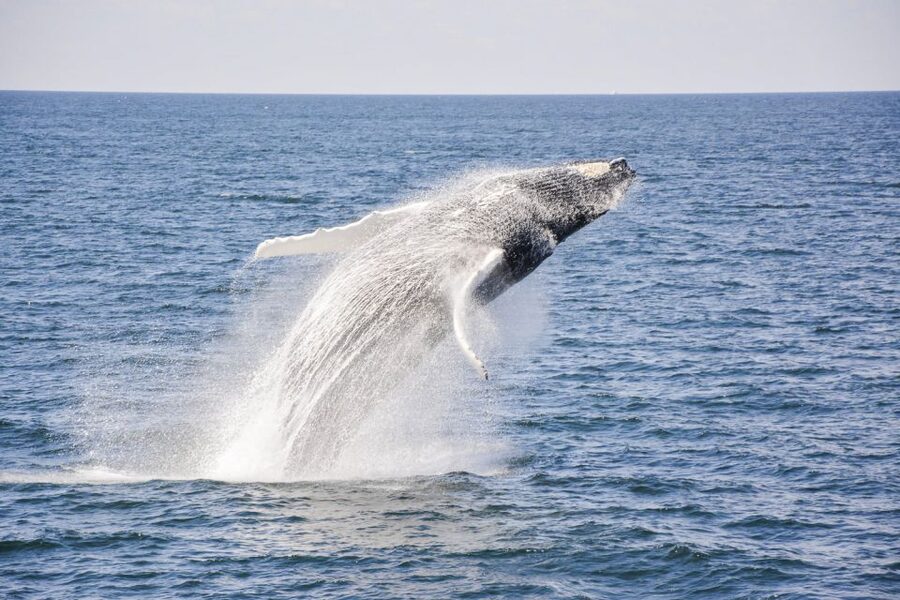
Whale watching is not only about seeing a whale. It is about catching the rhythm of whale behavior.
Here is a simple spotting framework the cruise education supports:
- Humpbacks: watch for the telltale arching before a dive and for surface activity patterns.
- Fin whales: look for a bigger, more imposing presence in the water, and try to track spouts as they appear and disappear.
- Minkes: keep your eyes scanning, because smaller whales can show less dramatic surfaces.
- White-sided dolphins: if they appear, you may see a more playful, active feeding behavior in a relatively small area.
The cruise often spends time at the most likely spot, but the open ocean still plays by its own rules. The more you pay attention to the naturalist cues, the more you get out of whatever shows up.
Who this cruise is best for, and who should skip it
This is a great fit if you want:
- a guided whale watch with explanations from New England Aquarium naturalists
- both indoor and outdoor viewing so weather does not ruin the day
- a half-day plan that still feels like an event, not a quick pass
You should be cautious if:
- you get motion sickness easily. The experience is not recommended for motion sickness.
- you cannot handle cold wind on deck, because layers are genuinely important on open water days.
- you need guaranteed sightings. Whale watching is inherently variable, so you should go with flexible expectations.
A bonus perk to keep in mind
One of the stronger practical bits in the experience notes is that people report a rain check approach if whales are not seen. It is not something I would bet your whole trip on, but it can reduce stress if you are worried about missing out.
Price and value: is $80 worth it?
At around $80 per person for a roughly 3.5-hour cruise, you are paying for several things at once:
- the boat time out in the ocean,
- the guided interpretation with naturalists,
- the viewing setup that works outside and indoors,
- onboard sound systems and a comfortable base while you wait.
For me, the value is strongest if you actually use the guidance. If you treat it like a free-for-all, you might feel like you paid mostly for transportation. If you listen and look with the naturalists’ cues, you get a guided learning experience plus real wildlife viewing, which is what makes the cost feel reasonable.
Where you might feel the pinch is if you expected a shorter trip, a guaranteed whale sighting, or something more all-inclusive than snacks and drinks available for purchase. If that is your mindset, you may want to compare options that match your expectations more closely.
Quick checklist before you go
Bring the basics that keep you comfortable while you scan the horizon:
- binoculars (optional but helpful)
- sunglasses and a sun hat
- sunscreen
- comfortable shoes
- a camera
- weather-appropriate clothing, including a warm jacket
And skip anything that is not allowed, like smoking.
If you are traveling with an infant, plan on buying a ticket so they can board.
Should you book Boston Harbor City Cruises whale watching?
Book it if you want a proper guided whale watch with naturalists explaining what you see, and you like the idea of moving between outdoor decks and indoor warmth as conditions change. The combination of speed to the whale zone, the Stellwagen Bank whale watching stop, and the indoor viewing setup makes it a strong half-day plan.
Do not book it if motion sickness is a big issue for you, or if you cannot handle cold, windy open water. In that case, you will likely spend too much energy on comfort instead of wildlife.
If you go with warm layers, pay attention to the naturalist call-outs, and give yourself a flexible schedule for variable whale locations, this is the kind of trip that leaves you talking about one surprising moment at sea, long after you are back on land.
FAQ
Where does the whale watching cruise depart from?
The cruise departs from Boston Harbor City Cruises at One Long Wharf, located between the Long Wharf Marriott Hotel and the New England Aquarium.
How long is the cruise?
The duration is listed as about 3.5 hours. The average trip is typically 3.5 to 4 hours, and travel time may extend depending on where the whales are located.
What kinds of whales and wildlife might you see?
The tour focuses on humpback, fin, and minke whales. Other wildlife you may see includes white-sided dolphins, and the experience also mentions other sea life depending on the conditions.
Can you view whales from inside the boat?
Yes. You can view from both outdoor decks and a climate-controlled cabin with large windows.
Is this activity wheelchair accessible?
Yes, it is wheelchair accessible.
Is the cruise suitable for motion sickness?
It is not suitable for people with motion sickness.
More Whale Watching in Boston
- Juneau Wildlife Whale Watching
★ 5.0 · 7,379 reviews - Juneau Wildlife Whale Watching & Mendenhall Glacier
★ 5.0 · 6,236 reviews - Whale Watching Tour in Gloucester
★ 5.0 · 4,460 reviews - Maui Eco-Raft Tour: Eye-Level Whale or Dolphin Watching – Lahaina
★ 5.0 · 2,482 reviews
Reviewed most recently around Boston
- City Cruises Salem High Speed Ferry to/from Boston★ 4.5 · 727 reviews
- Entire Freedom Trail Walking Tour: Includes Bunker Hill and USS Constitution★ 5.0 · 732 reviews
- Boston Freedom Trail History Pub Crawl Small-Group Tour★ 5.0 · 996 reviews
- Delicious Donuts of Boston: A Sweet History Walking Tour★ 5.0 · 1,038 reviews
- Boston Pizza Lovers Food and History Walking Food Tour★ 4.5 · 1,082 reviews
- Freedom Trail Walking Tour 250★ 4.5 · 1,118 reviews
- Boston’s North End Food Tour: Italian Flavors & Heritage Walk★ 5.0 · 1,322 reviews
- Boston’s Freedom Trail: A Revolutionary Walking Tour★ 5.0 · 1,343 reviews
Whale Watching, compared.
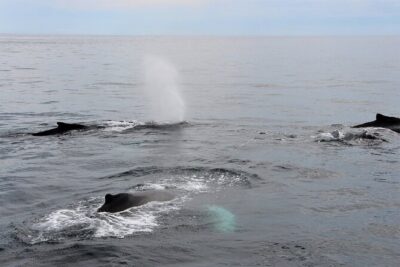
Juneau Wildlife Whale Watching & Mendenhall Glacier
Read our review →
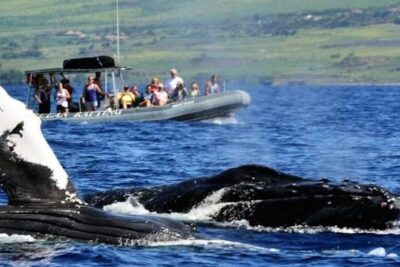
Maui Eco-Raft Tour: Eye-Level Whale or Dolphin Watching – Lahaina
Read our review →
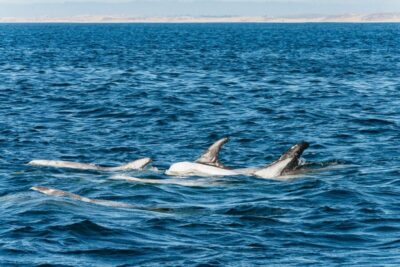
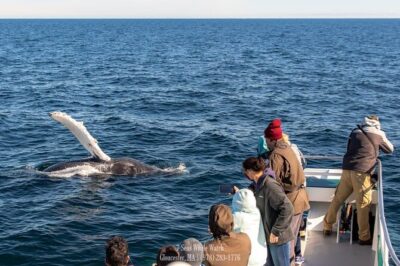
Whale Watching Trips to Stellwagen Bank Marine Sanctuary. Guaranteed sightings!
Read our review →Browse the lists this tour appears in