
Reviewed · MUSEUMS
Plimoth Patuxet Museums
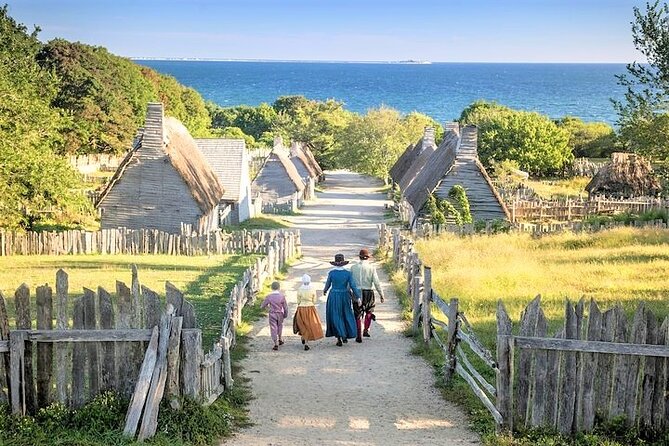
Plimoth Patuxet makes Plymouth, Massachusetts feel like a time machine, with costumed interpreters and modern educators side by side. I love the way you step into the Historic Patuxet Homesite and the 17th-century English Village, not just view them from behind glass. You come away with a fuller sense of what people tried to build, and what survival looked like before modern comforts.
My other favorite part is the smart combo options. You can pair Plimoth Patuxet with Mayflower II and the Plimoth Grist Mill for a day that mixes daily life, founding-era ideas, and hands-on food history. One thing to plan for though, the experience happens outdoors on older pathways, so uneven ground and peak school crowds can be a factor.
Key Highlights Worth Planning Around
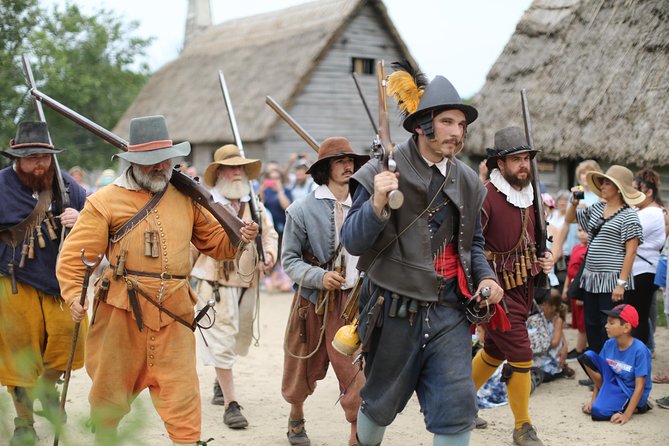
- Living-history village walk in a real outdoor setting, with interpreters in period-style clothing
- Historic Patuxet Homesite framing Indigenous life locally, with context extending far back in time
- Combo flexibility if you want to add Mayflower II and the Grist Mill, either same day or another visit
- Town Brook and water power at the Plimoth Grist Mill, plus a chance to try milling-related activities
- A practical cafe and gift shops in the visitor area, so you can keep your day moving
Plimoth Patuxet First Stop: The English Village and Historic Patuxet Homesite
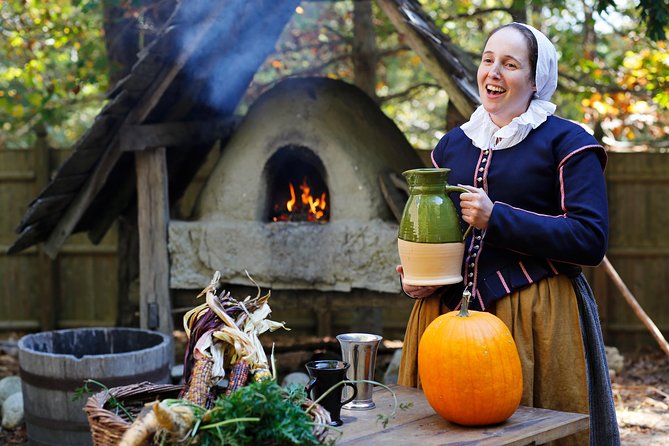
Start at Plimoth Patuxet, and set your expectations correctly. This is not a museum where everything is explained by labels. It is a walk through early settlement life, designed so you can see houses, daily routines, and landscapes as part of the experience.
What makes this stop so compelling is the mix of storytelling styles. You get costumed interpretation in the 17th-century English Village, plus contemporary interpretation connected to Indigenous heritage at the Historic Patuxet Homesite. The museum emphasizes that Indigenous people have lived in this region for over 12,000 years, which changes the usual Plymouth narrative from a single starting point to a much longer continuum.
I like that the visit also pushes you to think beyond the 1600s as a standalone chapter. There is programming tied to America’s 250th anniversary theme, with attention to the founding ideas that later became part of US political life. The Mayflower Compact is part of that framing, and it helps you connect why people in 1620 mattered to what came later.
More Museums in Boston:
- Boston Tea Party Ships and Museum Admission
★ 4.5 · 2,512 reviews - Boston: Boston Tea Party Ships and Museum Interactive Tour
★ 4.8 · 1,926 reviews - NYC: 9/11 Memorial & Museum Timed-Entry Ticket
★ 4.8 · 31,428 reviews
How the Wampanoag and English Stories Are Told Differently
A big part of the value here is the contrast in how information is delivered. In the English Village, the day-to-day feel is built from what you see and what interpreters answer when you ask. In the Indigenous homesite, you get a clearer sense of contemporary interpreters bringing modern context into an older place, rather than treating Indigenous life as only a backdrop to the Pilgrims.
This can be a win, but it also means your experience depends on your interaction style. If you are the type who likes to ask questions, you will likely get more out of the English Village, because some interpreters are more talkative than others. If you want lots of printed text and structured explanations at every stop, you might find the village side lighter on reading material than you hoped.
Also, the homesite and village are outdoors. When the weather turns, you will still be walking, so bring the same mindset you use for outdoor tours anywhere in New England. Comfortable shoes matter more than you think.
The Built-In Time Saver: Film, Layout, and Pace
Plimoth Patuxet is set up so you can manage your day without constantly guessing. There is a film at the start, and it is there for a reason. If you watch it closely, you get a mental map for what you are seeing and why it is arranged the way it is.
Then you move at your own pace through trails and homes. One practical point: the outdoor paths can be uneven, especially if you stick to the less formal areas around buildings and gardens. If you have mobility concerns, you can request a free golf cart service at Plimoth Patuxet. This is one of the best “small detail, big impact” perks in the whole plan.
Cafe and Shops: Feed Yourself Without Losing the Day
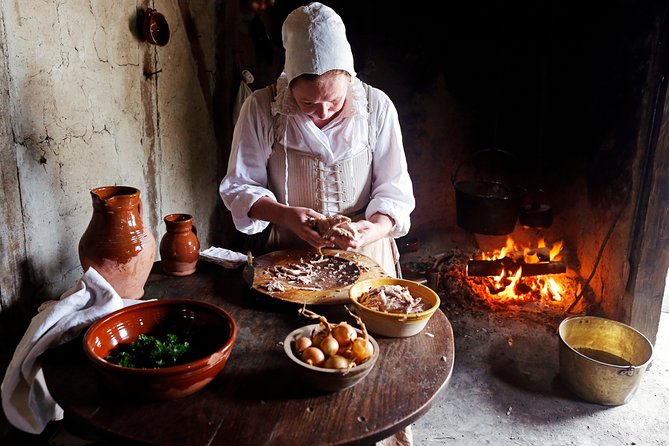
There is a cafe in the visitor center, and it gives you a straightforward option when you do not want to leave the museum grounds. The cafe offers both 17th-century favorites and modern choices, which helps if your group has different comfort levels with trying things that are more traditional.
You will also find multiple retail shops inside the museum area. That matters because you can spend time browsing without needing a separate trip into downtown Plymouth. People often leave with locally made New England items, plus Plimoth artisan products.
One reality check from the experience: the cafe menu may not feel huge if you are hunting for lots of healthy options. If that matters to you, plan to eat a full breakfast, then treat lunch as part of your overall energy strategy. And yes, you might want to try something like the succotash soup if it is available, because it is a crowd favorite.
Stack these Boston options against each other
- Boston Duck Boat Sightseeing City Tour with Cruise Along Charles River
★ 4.5 · 9,378 reviews - Boston: Freedom Trail History Small Group Walking Tour
★ 5.0 · 6,450 reviews - Boston Hop-On Hop-Off Trolley Tour with 13 Stops
★ 4.5 · 5,576 reviews - Boston Duck Tour: The Original and World-Famous
★ 4.6 · 3,935 reviews
Optional Add-On 1: Plimoth Grist Mill and the Water-Powered Story
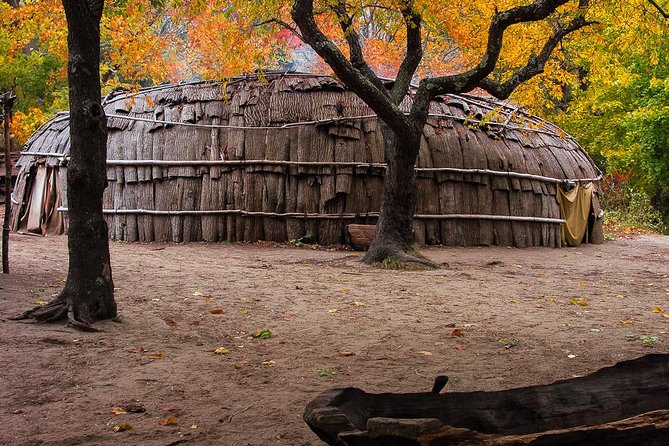
Next up is the Plimoth Grist Mill, located in historic downtown Plymouth near Brewster Gardens. This stop is short on paper, but it tends to pack in more “how things worked” feeling than you might expect.
The mill is a working reproduction built by Pilgrim John Jenney. You learn how a water-powered mill operates, plus how Town Brook supports the system around it. If you like the practical side of history, this is where you get it. You see the mechanics, the rhythm of preparation, and the idea that food systems depended on weather and waterways.
Timing can change what you see. On Saturday afternoons, the mill stones are operational. Other days, the staff is preparing by sifting and willowing and getting stones ready for the next run. You still get interactive exhibits in the lower part of the mill, including a chance to try milling-related activity.
There is also a baking angle. If you love to cook or bake, you can buy freshly stone-ground cornmeal and sample-style items like grits through the retail store.
A caution based on recent conditions: if you are planning to connect the mill to other nearby sites the same day, construction and temporary walkways can affect walking routes. Build in a little cushion time, especially if you are trying to see multiple locations in one go.
Optional Add-On 2: Mayflower II on Plymouth Harbor
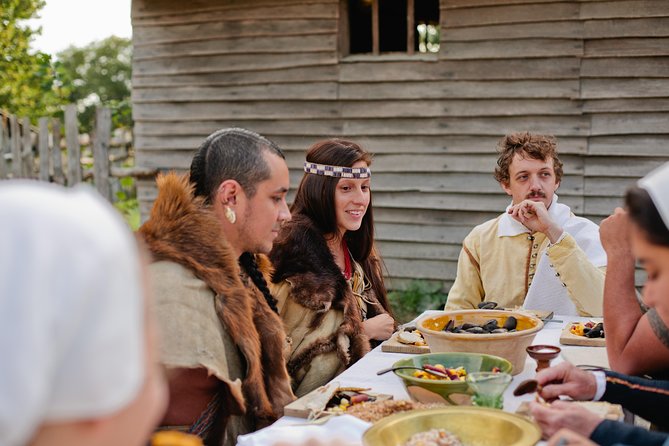
Mayflower II is different from the village in the best way. Instead of walking through a settlement life scene, you climb aboard a floating museum docked in Plymouth Harbor.
It is typically a shorter visit. You can expect a quick, focused look and then a chance to learn from guides. The ship experience is designed to make the 1620 crossing feel more real, even though it is still a replica. Modern guides share stories connected to Mayflower history and what life onboard likely meant.
Like the village, it ties into the same larger framing around America’s later political ideas, connecting the Mayflower Compact to self-government themes. It is a useful bridge if you are trying to understand why 1620 gets referenced in the history of the United States.
One thing to watch: the Mayflower II portion can feel brief compared with the village. If you are someone who likes long, slow visits, you may want to protect your energy for the ship by not overstuffing your schedule with too many other stops that day.
Also, note the location logistics. Mayflower II is about 3 miles north of Plimoth Patuxet. The information here is clear: you will need a car to get between them.
Price and Value: How Much You Get for $35

The listed price is $35.00 per person, with an average booking window of about 17 days in advance. The duration is roughly 4 to 5 hours for the experience plan.
Here is how to think about value. Plimoth Patuxet is the core ticket in the package concept, and it includes admission to the Historic Patuxet Homesite, the 17th-century English Village, and the craft center. It also includes a ticketed exhibit focused on Thanksgiving, the making of an American holiday.
When you add Mayflower II and the Grist Mill, you are effectively turning one museum ticket into a whole “Plymouth story day” with three different lenses: settlement life on land, water-powered food production, and the crossing by sea. Even with the extra travel between locations, the combined format often feels like more than the sum of its parts.
Because the add-ons can require separate site timing and, in Mayflower II’s case, a car, plan value based on your group. If you want all three, the combo plan is the best fit. If you are time-limited or want only the land-based story, you can keep it focused and still feel like you got something substantial.
Best Timing in Plymouth: Avoiding School Crowd Chaos
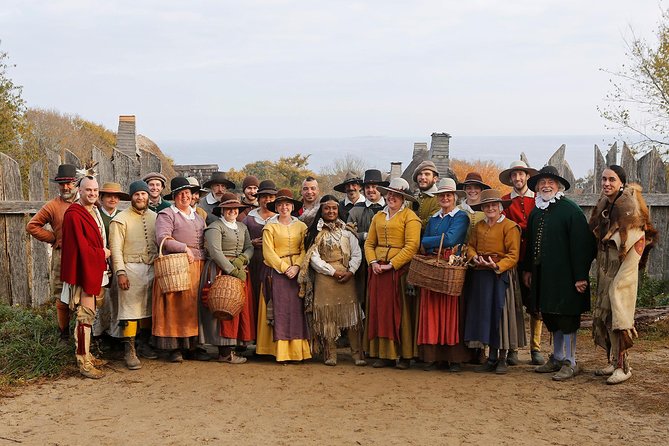
Plimoth Patuxet is popular with school field trips. That is not a bad thing. It is just reality. If you prefer quieter walking and more space to talk to interpreters, you should aim for later in the day rather than arriving during peak school times.
A practical pattern that shows up in the way the museum runs: school groups can be loud and fast-moving, and they can dominate trails. You cannot control that. But you can choose your arrival time to reduce the feeling of being swept into a big group moment.
Weather is another factor. The museum is open in all weather conditions, so dress appropriately and wear comfortable shoes. In coastal New England, that means you might want layers and something that handles wind and damp.
Getting There: Meeting Point and Simple Transit Options
Your ticket redemption point is at 137 Warren Ave, Plymouth, MA 02360. That makes it easy to plug into a Plymouth day.
If you are using public transportation, the closest rail option listed is Amtrak on the Kingston/Plymouth line from South Station. There is also a Plymouth & Brockton bus from South Station. The help offered here is to arrange livery service prior to arrival, or use the local ride service resources listed through seeplymouth and the Ridecircuit app to move between locations.
Once you are on site, Plimoth Patuxet is set up for walking. For mobility concerns, remember you can ask about the free golf cart service at guest services.
And yes, service animals are allowed.
Who This Works Best For
This experience works especially well if you like history that feels lived in. If you enjoy asking questions and watching daily tasks unfold, you will get a lot out of both the village and the homesite.
It is also a strong choice for families. Kids can handle the walking, and the outdoor setting tends to make history feel more concrete than a typical classroom-style museum visit. The Grist Mill adds a STEM and history angle that can connect well with different ages.
If you are traveling as a couple and want a day that mixes meaning with scenery, the combo plan is the right move. If your main goal is purely Pilgrim-only history, you might feel less satisfied than you expected, because the Indigenous story is a central part of the experience here.
If your group is sensitive to crowds or you dislike outdoor uneven surfaces, you can still go, but you should plan timing carefully and use the golf cart option if needed.
Should You Book Plimoth Patuxet, Mayflower II, and the Grist Mill?
Book Plimoth Patuxet if you want a memorable Plymouth stop that connects 17th-century life to later American founding ideas, without making you read a textbook all day. The $35 core experience gives you a lot of outdoor story, and the combo options let you round out the picture with maritime history and water-powered food production.
Add Mayflower II if you want the crossing story and the ship perspective, but plan for the fact that it is separate by car and the visit can be shorter than the village. Add the Grist Mill if you care about how everyday systems worked, and if you like hands-on history moments.
Skip the full combo or shorten the plan if your priorities are narrow or if you know you struggle with uneven outdoor ground and peak school crowds. With a little scheduling care and the right shoes, this can be a standout day in the Boston area.
FAQ
What is included with the Plimoth Patuxet ticket?
Your Plimoth Patuxet ticket includes admission to the Historic Patuxet Homesite, the 17th-century English Village, and the craft center. It also includes the exhibit We Gather Together, Thanksgiving, the Making of an American Holiday.
Are Mayflower II and the Grist Mill included, or are they add-ons?
Mayflower II and the Plimoth Grist Mill are add-ons. Mayflower II is about 3 miles north, and the information you have here says you will need a car. The Grist Mill is at 6 Spring Lane near Brewster Gardens, and you can choose to visit it on the same day as Plimoth Patuxet or on a different day during the 2025 season.
Where do I check in?
Your ticket redemption point is 137 Warren Ave, Plymouth, MA 02360, USA.
How long should I plan for the visit?
The overall experience duration is listed as about 4 to 5 hours. The Plimoth Patuxet stop is about 2 hours 30 minutes, and the add-on stops are shorter.
Is food included?
No. Food and drinks are not included. There is a cafe in the Plimoth Patuxet visitor center, and it serves both 17th-century and modern favorites.
Is the museum open in bad weather, and what should I wear?
The museum is open in all weather conditions. Dress appropriately for New England weather and wear comfortable shoes for outdoor walking.
Reviewed most recently around Boston
- Martha’s Vineyard Day Trip with Optional Island Tour from Boston★ 4.5 · 407 reviews
- Boston to Plymouth Day-Trip including Quincy, Plimoth Patuxet and Mayflower II★ 5.0 · 407 reviews
- City Cruises Boston 90-Minute Harbor Sunset Sightseeing Cruise★ 4.5 · 411 reviews
- Sunset Sailing Cruise on a Tall Ship in Boston Harbor★ 4.5 · 414 reviews
- City Cruises Boston Codzilla High-Speed Thrill Boat Ride★ 4.0 · 424 reviews
- New England Aquarium Admission Ticket in Boston★ 4.0 · 446 reviews
- Boston’s Politically Incorrect North End Food Tour★ 5.0 · 453 reviews
- Boston’s North End Food and History Walking Tour★ 5.0 · 459 reviews
Museums, compared.

Empire State Building Tickets – Observatory & Museum
Read our review →


9/11 Memorial, Ground Zero Tour with Optional 9/11 Museum Ticket
Read our review →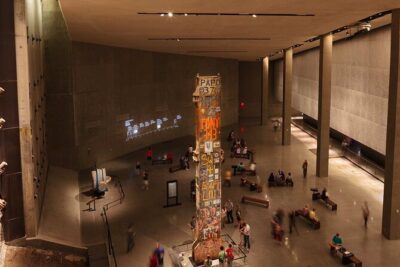

All-Access 9/11: Ground Zero Tour, Memorial and Museum, One World Observatory
Read our review →

Browse the lists this tour appears in