
Reviewed · WALKING TOURS
SoHo, Little Italy, and Chinatown 2-Hour Guided Walk
SoHo, Little Italy, and Chinatown in two hours is the kind of New York hit that feels like you turned a dial and changed eras. I love how this walk mixes SoHo’s cast-iron glamour with street-level stories about immigrants, crime, and survival. One drawback to plan for: it is a walking tour, and it is not suitable for people with mobility impairments.
What makes it especially useful is that the guide gives you context you would miss if you just wandered. You get pop-culture pointers too, including where famous actors were tied to specific addresses in the SoHo area. Guides like Arun, Angela, George, Felipe, and Steve have been highlighted for strong storytelling and a fun, question-friendly approach, which matters because these neighborhoods can feel like random street scenes unless someone gives them a spine.
If you are visiting New York for the first time, this is a smart way to get oriented without sacrificing the good stuff. You will see a stack of major landmarks in a compact radius, but you will also want a little patience when the sidewalks get busy, especially around Little Italy and Chinatown.
Key highlights to watch for
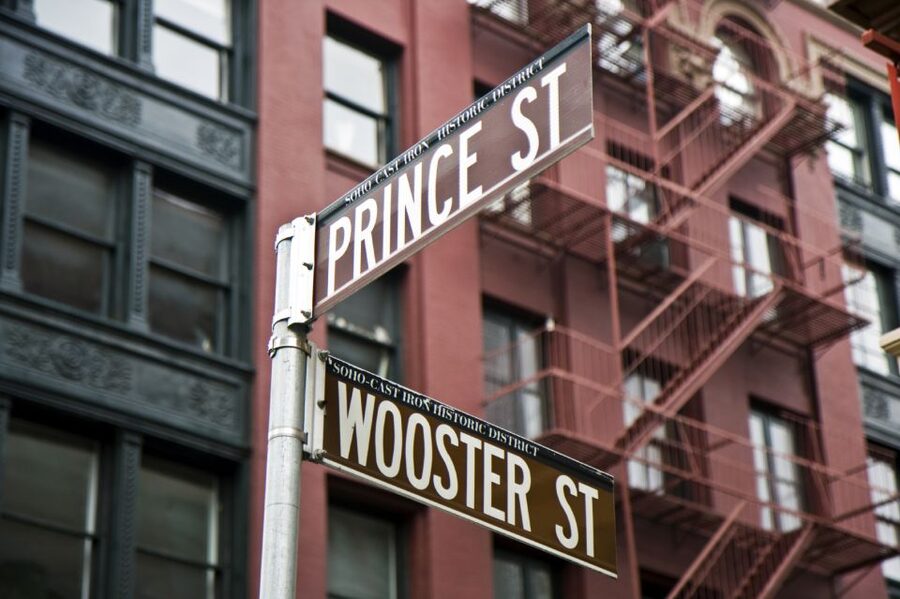
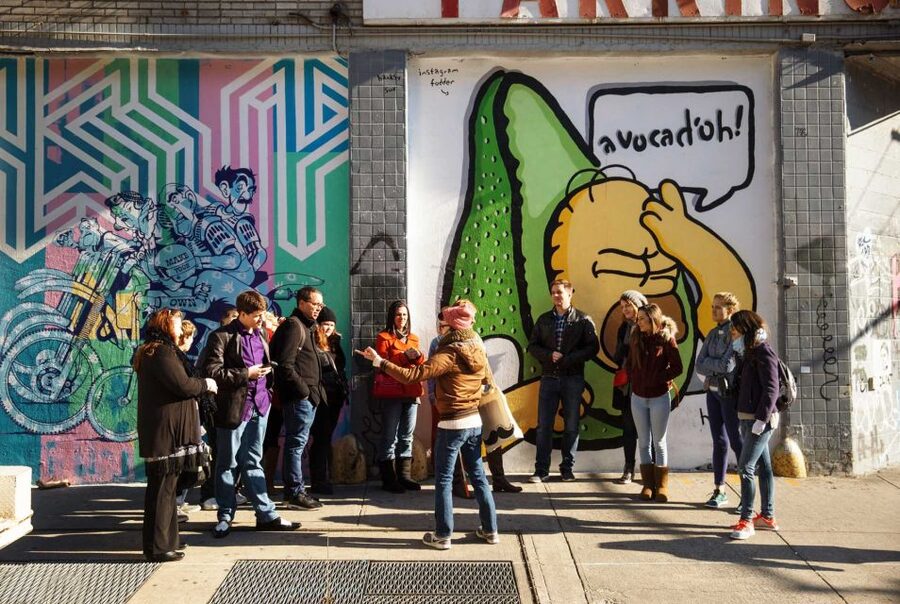
- SoHo cast-iron district spotting: Use the guide’s cues to spot the look that made the area famous.
- Spring Street’s Manhattan Well Murder site: A sharp piece of early NYC true-crime context.
- E.V. Haughwout Building and elevator history: One stop that connects design with everyday life.
- Ravenite Club and John Gotti’s story: Gang history tied to a specific address.
- Bloody Angle on Doyers Street: A name that earns its reputation as you pass the spot.
- Little Italy food classics and long-running shops: You will get practical ideas for what to try on your own.
Entering SoHo, Little Italy, and Chinatown in 2 Hours
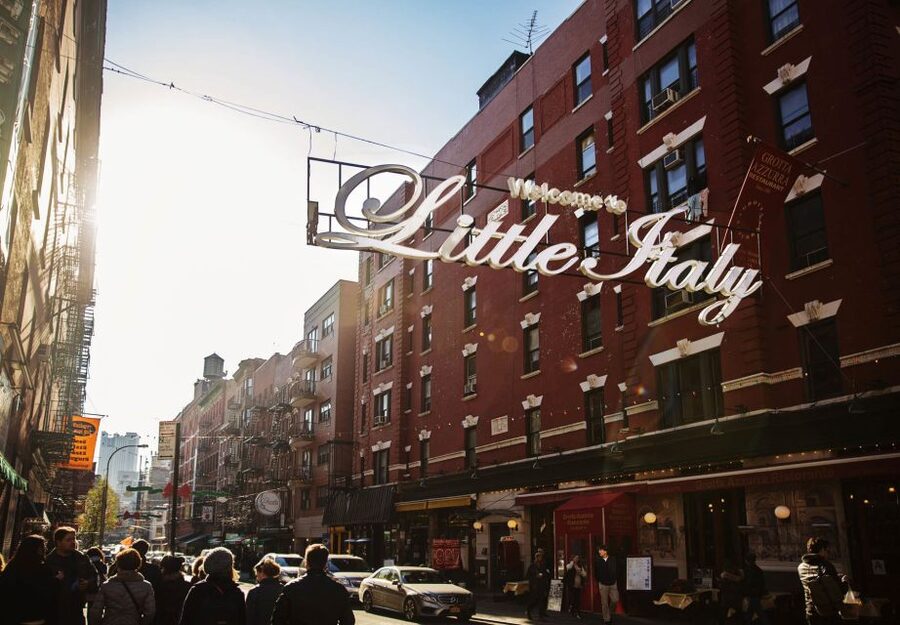
This tour works because it does not treat New York like a museum. It treats the streets like a timeline. In one afternoon, you will connect the clean lines of SoHo buildings, the tight block-by-block feel of Little Italy, and the dense street energy of Chinatown to the people who built these neighborhoods under pressure.
SoHo and Chinatown can look like they exist in separate worlds, but they share a common theme: people arrive, people adapt, and the city rewrites itself around them. The tour leans into that with stories that range from immigrant struggles to gang violence, plus a few pop-culture hooks that make the walk feel current instead of dusty.
The pacing matters. You are out for about two hours total, with about 40 minutes per neighborhood. That structure helps if you want coverage without turning the day into an endurance event. Still, bring comfortable shoes, because even a “manageable” walk adds up when you are stopping often to look and listen.
More Walking Tours in New York City
- SoHo, Little Italy, and Chinatown Walking Tour in New York
★ 5.0 · 3,153 reviews - Secrets of Grand Central Station Walking Tour New York City
★ 5.0 · 1,796 reviews - Greenwich Village Walking and Food Tasting Tour
★ 5.0 · 1,572 reviews
Price and logistics: is $39 fair for what you get?
At $39 per person for a two-hour guided walk, the value is in the number of meaningful stops you get, and in how the guide strings them together. You are not paying for someone to point at buildings. You are paying for the narrative, and the narrative is what turns streets like Spring Street, Mulberry Street, and Doyers Street into something you can actually remember.
Also, the tour is built for first-timers. It includes an English-speaking guide and covers major landmarks across three neighborhoods, then lets you drop at Columbus Park so you can keep going. Food costs are not included, so you control what you spend and where you eat, instead of being steered into one single option.
Two practical cautions. First, the meeting point can vary depending on the option booked, so confirm it right before you leave. Second, it is not suitable for mobility impairments, because you will be walking on city sidewalks for the full duration.
Starting on Spring Street Park, then walking into three different New Yorks
The walk typically begins at Spring Street Park (that is one of the listed starting options), and it ends at Columbus Park. Even if you have never been to this part of Manhattan, those two anchors help you picture where you are.
Spring Street sets the tone fast. It is close enough to everything that you get that classic “New York is everywhere at once” feeling, but it is also a calm enough starting point that the guide can set rules for the group and get you ready for the stories ahead.
Then comes the real shift. SoHo is about architecture and reinvention. Little Italy is about community blocks, work, and conflict. Chinatown is where the city feels layered, from faith to street legends to old trade routes. The walk makes those differences feel obvious without needing a map app every two minutes.
SoHo’s cast-iron district, the safety elevator, and why fashion and history share a street
SoHo is famous for a look, but the walk gives you the “why.” You start by taking in the historic cast-iron district, where you can play spotter for celebrities and fashionistas. That celebrity angle is fun, but the real payoff is seeing how the area got shaped by changing needs, not just by style.
One of the standout architectural connections is the E.V. Haughwout Building, noted here as the home of the first safety elevator. That stop is a reminder that big-city height and big-city life depend on inventions that sound boring until you realize they changed everything. When you see the buildings in SoHo after learning this, you start noticing how vertical living became normal.
You also have stops tied to famous NYC moments and addresses. The walk includes 421 Broome Street, tied to the story of Heath Ledger’s death (as noted for that address) in a place associated with Mary Kate Olsen. If you like pop-culture breadcrumbs, this part scratches that itch without losing the neighborhood context.
Finally, you will pass Spring Street itself and nearby intersections, including Greene and Spring streets, where the Manhattan Well Murder is referenced as the first recorded murder case in New York City. That is not just trivia. It is a way to understand that these streets have always carried risk, not only commerce.
Another New York City day, played differently:
- NYC: SUMMIT One Vanderbilt Experience Ticket
★ 4.7 · 37,985 reviews - NYC: 9/11 Memorial & Museum Timed-Entry Ticket
★ 4.8 · 31,428 reviews - NYC: Empire State Building Tickets – Observatory & Museum
★ 4.7 · 25,757 reviews - NYC: Empire State Building Observation Deck Tickets
★ 4.7 · 22,072 reviews
The Manhattan Well Murder to the old police station: crime, design, and control
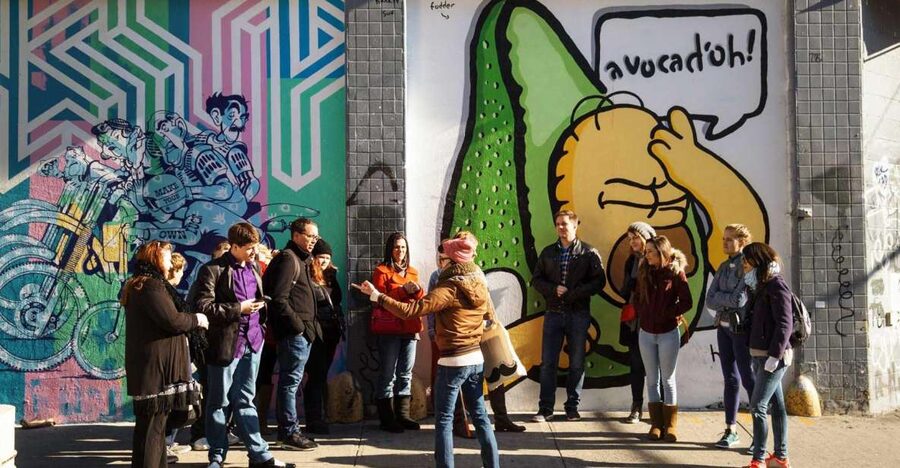
After the SoHo highlights, the walk pivots toward a darker thread: who controlled the city, how law and crime collided, and how spaces get repurposed as the decades change.
You will pass the Old Police Station, described as a 1909 Beaux-Arts building now used as a residence. That matters because it shows the city’s habit of recycling its own power structures. A building that once represented enforcement now represents home life, and that shift is part of the story.
Then there is the gang thread that continues into Little Italy and Chinatown. You are not just hearing that crime happened. You are being guided to specific points where crime stories become anchored in real street geography. That is what makes the walk feel “real” rather than like a history lecture.
Little Italy’s Mulberry Street and the Triangle Shirtwaist Factory connection
Little Italy is where the city’s immigrant story shows up in human scale: narrow blocks, familiar storefront energy, and the sense that community survival required constant rebuilding.
You will spend meaningful time around Mulberry Street, described here as the heart of Little Italy. Walking it with the guide’s context helps you see how the neighborhood’s identity is not only cultural, it is practical. People built institutions where they could, worked where they could, and supported each other where the city made that harder.
A major stop here is the Italian American Museum, tied to the Triangle Shirtwaist Factory fire. That connection matters because it takes you beyond the usual “food and vibe” version of Little Italy. You see how labor, safety, and community struggle were intertwined. If you ever wondered how immigrant communities built political and civic awareness, this is one of the stops that makes that clear.
You will also pass or be pointed toward sites tied to organized crime history. Umbertos is included as the site of a mob hit on Joe Gallo. Hearing it as you stand near the place makes the story feel less like a headline and more like a snapshot of power, fear, and retaliation.
Alleva Dairy and the Italian food stops you can actually plan
Food is part of the experience here, but you control it. Ethnic food sampling is part of the overall concept, and the tour encourages you to keep an eye out for where to eat, but food costs are not included.
One stop that signals how long-running certain traditions are is Alleva Dairy, described as a place where cheese has been made for a hundred years. Even if you do not buy anything right then, that kind of detail helps you choose wisely later. It tells you that the neighborhood’s food culture is not just new trends. It is continuity.
If you want to get the most value from the food component, use the guide’s timing. Take one planned bite during the tour and then use the rest of the day to compare what you like. That is the best way to learn your own taste in a neighborhood where there are plenty of options.
Chinatown’s Opium den, the Bloody Angle on Doyers Street, and the edge-of-the-city feeling
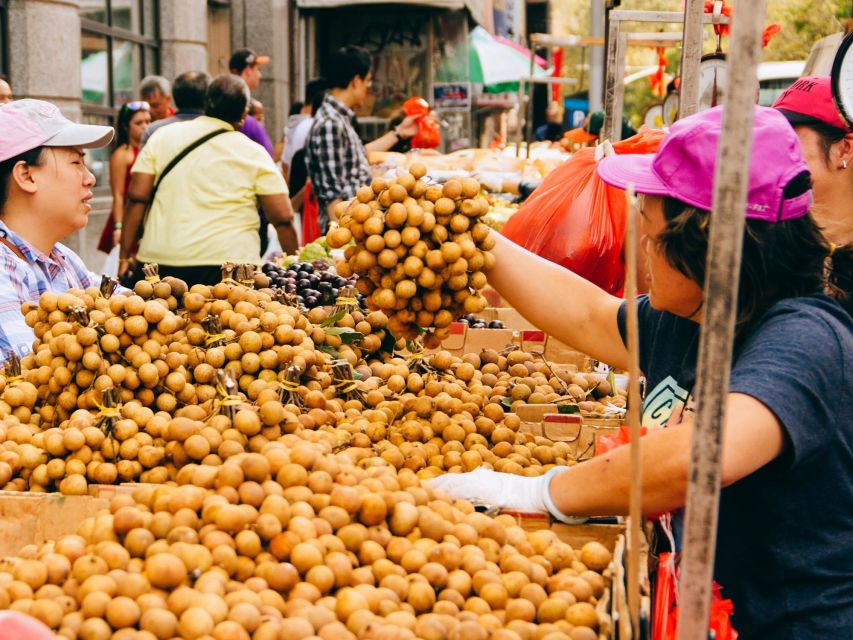
Chinatown is where the walk gets the most intense, and it also gets more layered. The stops you are given are not “generic Chinatown highlights.” They are places with specific legends and conflict baked into their reputations.
You will encounter the Opium den stop as part of the historical thread. The walk also includes Bloody Angle on Doyers Street, a site name you will hear associated with street violence. Standing where Doyers Street runs, the story makes the neighborhood feel sharper, like it has always been a crossroads where different worlds collided.
You are also given a religious and cultural stop: National Shrine Church of San Gennaro, with a story here tied to the liquefaction of the saint’s blood. That is a very different kind of Chinatown story than the gang and crime material. But that contrast is exactly why this neighborhood works on foot. You get faith, community identity, and survival narratives all within a few streets.
And yes, gang violence appears directly in the tour’s focus, including Chinatown as a place where Chinese gang violence occurred. The practical value of bringing this up on a guided walk is that the guide helps you understand how stories of conflict fit into neighborhood evolution, instead of leaving you with shock and nothing else.
Ravenite Club, John Gotti, and how the guide ties it all together
One of the most memorable stops is the Ravenite Club, included with a reference to the story of John Gotti. This is not just name-dropping. It is about showing how organized crime became part of the neighborhood conversation, and how specific buildings and institutions turned into symbols.
I like this kind of stop because it changes the way you look at the city. Instead of seeing a neighborhood as a set of sights, you start seeing it as a set of decisions made by real people in real moments. When you connect that to the immigrant struggles discussed elsewhere on the walk, the whole experience feels less like trivia and more like cause and effect.
Guides such as George and Filip have been singled out for making the history feel alive and for mixing pop culture references with real street context. That combination matters because the best way to remember stories is to link them to details you can visualize.
What happens after the last stop at Columbus Park
By the time you reach Columbus Park, you are done with the guided segment but not done exploring. This finish point is helpful because it gives you a natural “next move” in one of the busiest areas of the city.
Columbus Park is also included for its connection to Gangs of New York fame, which gives you an easy bridge if you like film and you want to keep that thread going. Even if you skip anything pop-culture related, the park finish helps you end without the awkward scramble that sometimes happens when a tour ends in the middle of nowhere.
It also gives you breathing room. Two hours in these neighborhoods is a full chunk, especially if you stop for photos. When you finish near a park, you can reset your legs, grab water, and decide what feels best for the rest of your day.
Who this walk is best for, and who should choose differently
This is ideal if you want a fast, focused introduction to three of Manhattan’s most identity-rich neighborhoods without spending the day commuting between far-flung sights.
You will probably love it if you:
- Like walking tours that explain what you are seeing, not just where to stand for a photo
- Want a mix of architecture, immigrant history, and specific crime stories
- Enjoy pop-culture tie-ins, including references connected to notable addresses and the cast-iron SoHo look
You should consider something else if:
- You have mobility limitations, since it is explicitly not suitable for people with mobility impairments
- You hate any true-crime material, because the walk includes stories of gang violence and murders tied to named places
If you are the type who likes to ask questions, this tour format is especially good. The guides highlighted in the experience have been described as friendly and open to questions, which turns the walk into a conversation, not a lecture.
Practical tips to get the most out of your 2-hour walk
Here are a few real-world moves that can make a noticeable difference.
First, wear shoes that handle uneven pavement and curb cuts. The tour is short by New York standards, but the stops involve looking up, stepping aside, and keeping pace with traffic.
Second, dress for the weather. You are outside the whole time, and it can get hot or cold fast depending on the season. One guide specifically handled a very hot day by finding spots with shade, which is exactly the kind of thing you should appreciate and plan for.
Third, bring a snack plan even though food costs are not included. You can use the guide’s food suggestions and then compare prices later. That approach keeps you from overpaying and helps you find the flavors you actually want.
Finally, if you care about celebrity spotting in SoHo, listen for the guide’s cues about where people tend to be associated with the cast-iron district. It is not guaranteed, but it makes you look in the right places.
Should you book this guided walk?
Yes, if you want an efficient way to understand why SoHo, Little Italy, and Chinatown feel different, and why they overlap in the city’s immigrant-and-survival story. The best part is the mix: you get iconic street visuals plus specific place-based stories, including early NYC true-crime on Spring Street and Chinatown conflict tied to locations like Doyers Street.
I would skip it only if walking is tough for you, or if the crime-and-gang elements will ruin your mood. If those themes sound fine, this is a strong value at $39 for two hours, especially because you leave with a mental map that makes later self-guided exploring much easier.
FAQ
How long is the SoHo, Little Italy, and Chinatown guided walk?
It lasts 2 hours.
What does the tour cost?
The price is $39 per person.
Where do I meet, and where does the tour end?
The meeting point may vary depending on the option booked. The tour starts from Spring Street Park (starting option listed) and ends with a drop-off at Columbus Park.
What is included in the price?
You get a walking tour with an English-speaking tour guide.
Is food included?
No. Food costs are not included, though you will have the chance to sample ethnic food.
What should I bring, and is it accessible?
Bring comfortable shoes and weather-appropriate clothing. It is not suitable for people with mobility impairments.
Can I cancel, and can I pay later?
Yes. You can cancel up to 24 hours in advance for a full refund. You can also reserve now and pay later.
Reviewed most recently around New York City
- New York City Dinner Cruise with Live Music★ 4.0 · 377 reviews
- Museum of Sex NYC Admission Ticket★ 4.5 · 380 reviews
- Central Park Private Pedicab Tour (60 mins)★ 5.0 · 382 reviews
- “The Met” Metropolitan Museum of Art Tour Semi-Private 8ppl Max★ 5.0 · 384 reviews
- Statue of Liberty, Ellis Island, and 9/11 Memorial Guided Tour★ 4.0 · 385 reviews
- 1-hour New York City Skyline Sightseeing Cruise★ 3.5 · 391 reviews
- Excursion to Washington from New York in 1 day★ 5.0 · 393 reviews
- NYC: Meet the Met – Extended 3hr Small-Group Tour★ 4.6 · 397 reviews
Walking Tours, compared.
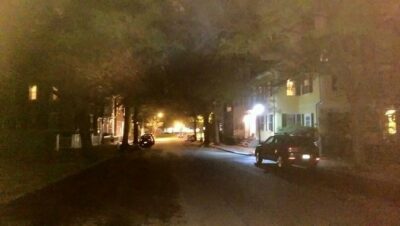
History and Hauntings of Salem Guided Walking Tour
Read our review →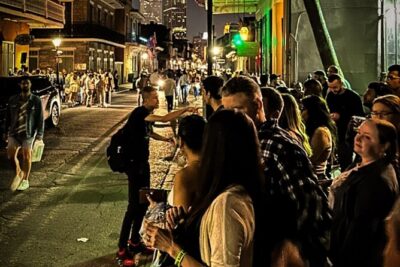
New Orleans Premier Ghost, Voodoo and Vampire Walking Tour
Read our review →
Freedom Trail History Small Group Walking Tour
Read our review →
Historic Charleston Guided Sightseeing Walking Tour
Read our review →
New Orleans Food Walking Tour of the French Quarter with Small-Group Option
Read our review →
St. Louis Cemetery No. 1 Official Walking Tour
Read our review →Browse the lists this tour appears in