
Reviewed · MUSEUMS
Whitney Museum of American Art Admission Ticket
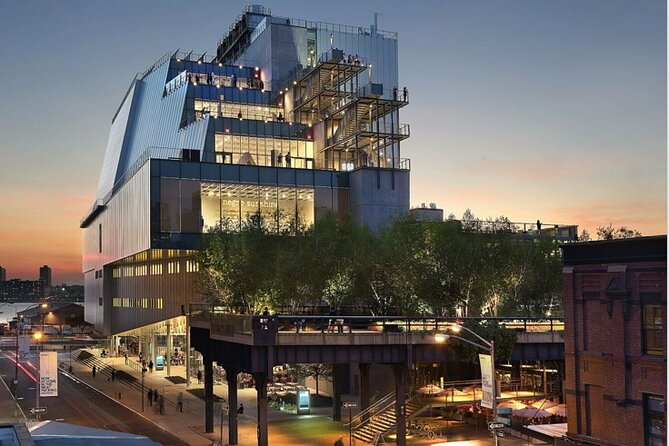
The Whitney Museum of American Art is interesting because it mixes major US names with serious contemporary work, all inside a building designed by Renzo Piano with city and river views. I like that this ticket gets you in with less waiting, and you exchange your voucher for entry at the admissions desk.
I also like the built-in choice: you can join a free daily tour at set times, or wander the galleries on your own. One drawback to plan for is that the museum can feel crowded, so timing and walking smart matter if you want to really look at the art.
Key Points at a Glance
- Guaranteed entry with a pre-booked ticket: Trade your voucher for a museum ticket at the admissions desk.
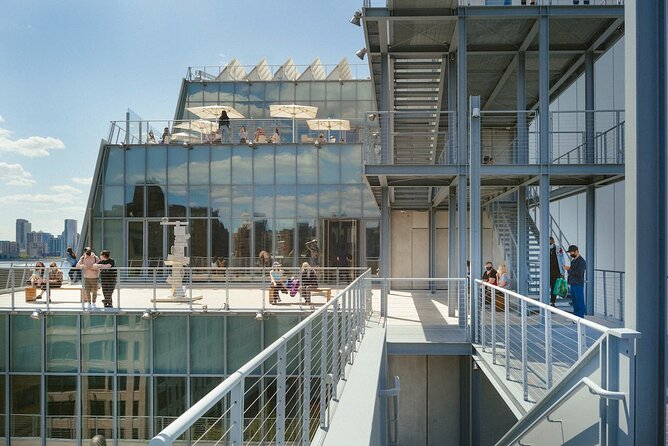
- Renzo Piano architecture plus terraces: Outdoor artworks on floors 5, 6, and 7, plus wide views from floor 8.
- 4-style flexibility: Do a free tour, focus on the Biennial, explore at your pace, or mix all three.
- 20th and 21st-century American art focus: A strong match for anyone who wants living artists alongside icons.
- Great location for a longer day: In Manhattan’s Meatpacking District, steps from the High Line and near Chelsea Market.
- Good value if you time it right: $30 for about 2 hours can be worth it, especially when you include the Biennial.
Whitney Admission Ticket: What the $30 Buys You
This is a straight-up admission ticket to the Whitney Museum of American Art in Manhattan, plus access to the museum’s programming tied to the 2024 Biennial. The headline promise is simple: you’re not just buying art access, you’re buying time. In a city where lines can eat half your day, pre-booking matters.
You’re looking at about 2 hours on site. That’s not enough to read everything and sit in every chair, but it is a practical window for seeing the Biennial highlights, key parts of the permanent collection, and the museum’s famous outdoor spaces.
Price is $30 per person, and it’s offered in English. The ticket is delivered as a mobile option, but you’ll still trade in the voucher for a paper ticket at the museum desk once you arrive. Food and drinks are not included, but you can purchase them inside if you need a break.
If you’re someone who likes your art day to feel organized, this ticket setup fits well. If you like museums at a slow, no-rush pace, you may want to plan a longer visit beyond the 2-hour target.
More Museums in New York City
- NYC: 9/11 Memorial & Museum Timed-Entry Ticket
★ 4.8 · 31,428 reviews - NYC: Empire State Building Tickets – Observatory & Museum
★ 4.7 · 25,757 reviews - New York City: American Museum of Natural History Ticket
★ 4.5 · 15,447 reviews
Getting In Near the High Line: From Voucher to Museum Ticket
Your first job is easy: make your way to the Whitney in the Meatpacking District, then go to the admissions desk. You’ll exchange your voucher for an actual museum ticket. That small step is where the “priority” feeling happens.
Here’s how I’d treat it in real life:
- Arrive with enough buffer time to handle security and the ticket desk without stressing.
- If you’re aiming to catch a free daily tour, check the tour time once you’re inside and shift your route accordingly.
- If you want to wander without rushing, pick a starting floor based on what you care about most, then circle back for the terraces.
The museum’s location helps. It’s near public transportation, and it sits between the High Line and the Hudson River. That means you can pair your visit with a walk outdoors before or after, instead of spending your whole day trapped indoors.
A 2-Hour Game Plan: Biennial First, Terraces Last
The Whitney is best when you don’t try to do everything. With a ticket like this, I recommend a simple strategy that matches the museum’s flow and the way it’s laid out.
Start with what’s changing
The Biennial is the Whitney’s signature survey of current developments in American art. If you’re only doing a couple hours, this is your best use of time because it’s the part most likely to feel fresh and specific to the moment.
Another New York City day, played differently:
- NYC: SUMMIT One Vanderbilt Experience Ticket
★ 4.7 · 37,985 reviews - NYC: Empire State Building Observation Deck Tickets
★ 4.7 · 22,072 reviews - NYC: Edge Observation Deck Admission Ticket
★ 4.6 · 20,918 reviews - New York City: Statue of Liberty & Ellis Island with Ferry
★ 4.6 · 18,683 reviews
Then connect it to the permanent collection
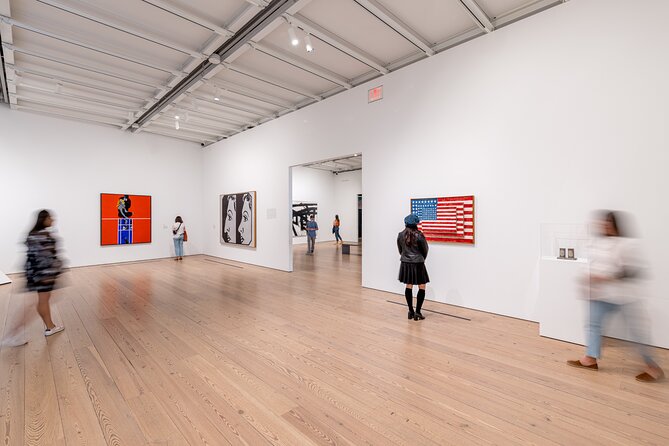
The Whitney’s collection is centered on 20th-century and contemporary American art, with a special focus on works by living artists. That mix helps you see how styles evolve over time. You’ll also encounter big names like Georgia O’Keeffe, Edward Hopper, and Alexander Calder, among others.
Save the terraces for the end
Don’t rush outdoors. The museum has a unique advantage: it has outdoor artworks on floors 5, 6, and 7, plus sweeping city and Hudson River views from the terrace on floor 8. If you hit the terraces too early, you might lose momentum for the galleries. If you end there, you finish with air, views, and a visual reset.
This sequencing is also practical for crowds. Outdoor terraces can still be busy, but they often feel easier than indoor rooms when the museum is at its peak.
Renzo Piano’s Building: Where the Views Change How You See Art

The Whitney’s building is by Renzo Piano, and that detail isn’t just trivia. It changes the whole visit. The interior is light-filled, and the architecture supports long sight lines and lots of natural brightness.
In plain terms, that means:
- You’ll spend less time squinting for details in dim lighting.
- You’re more likely to take breaks without feeling like you’re leaving the museum experience.
- The museum feels like part of the neighborhood, not a separate bubble.
From what you can plan for, the most memorable architectural “wow” moments are the outdoor terrace areas. The museum sits near water and skyline, so when you step onto floor 8, you’re not just seeing the city, you’re seeing the context of modern American art against real-world America.
If you like photography, windows and terrace angles can be a big part of the visit. One more practical tip: use those views to reset your eyes before returning to crowded rooms.
Free Daily Tours: Worth It, But Only If You Use Them Smart
This ticket includes free daily tours offered at different times. That’s a great benefit because Whitney tours are usually the fastest way to understand what you’re looking at without getting lost in your own guessing.
Still, a tour is not magic. Here’s how I’d decide on the day:
- Choose the free tour if you want structure, context, and a quick route to major works.
- Skip the tour if you already know what you want, and you prefer a quiet rhythm.
One practical reason the tours work well here: the Whitney shifts between themes and time periods. A docent can point out connections, like how living artists are treated alongside major 20th-century anchors. That helps you avoid the common problem of treating each room like random art storage.
In addition, staff experiences can be a big part of how smooth the day feels. One person specifically praised a gift shop staff member named Stanley for being especially knowledgeable and fun to talk to. That’s not the main reason to come, but it’s a nice reminder that the museum experience includes people, not just walls.
What Art to Expect: Living Artists, Classic Icons, and Modern Energy
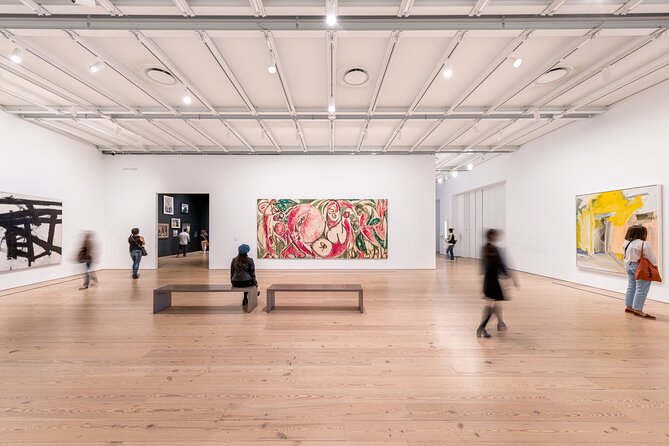
The Whitney’s focus is American art, especially living artists, plus big historical pillars of US modernism. If you like art that feels connected to daily life, politics, pop culture, and identity, you’ll probably find plenty that grabs you.
You should expect to see:
- Works by major 20th-century artists such as Georgia O’Keeffe and Edward Hopper
- Modern sculpture and design-minded work, including Alexander Calder
- A strong amount of 20th and 21st-century pieces that go beyond painting into installations and themed presentation
Some visitors also highlighted specific subjects and exhibits they ran into, including work connected to Michelle Obama and programming that made them feel educated in a deeper, human way, such as an exhibition tied to Hurricane Maria in Puerto Rico. You should treat those as examples of the kind of emotional and historical range the museum can present, not as a guarantee for your specific day.
The takeaway for you: don’t force a narrow checklist. Use the Biennial to guide your curiosity, then let the permanent collection add contrast.
Neighborhood Plus Museum: Meatpacking District, High Line, and Easy Pairings
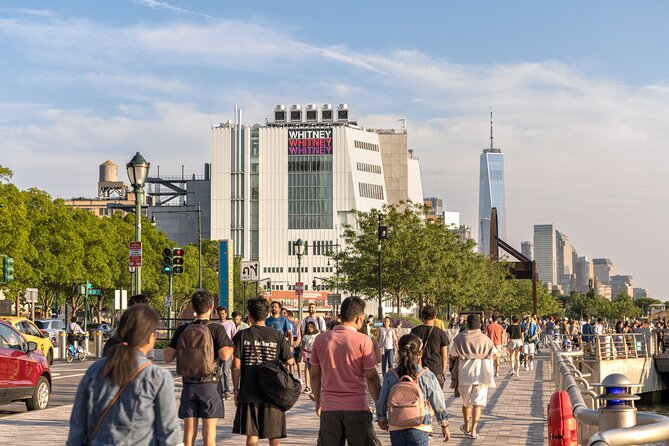
The Whitney sits in Manhattan’s Meatpacking District, a neighborhood that’s easy to turn into a full day. It’s also steps from the High Line and near Chelsea Market, with a walkable connection toward Greenwich Village, where the museum was founded back in 1930 by Gertrude Vanderbilt Whitney.
You don’t need a complicated plan. Here are simple pairings that work well:
- High Line walk before the museum if you want to warm up outdoors.
- Chelsea Market stop after if you want a food and people-watching break.
- Greenwich Village stroll if you want a calmer wind-down after the art.
This ticket lasts about 2 hours, so you’ll likely want something else on your schedule. The good news is you won’t feel stuck once you leave. The area around the Whitney makes it easy to keep moving.
Price and Value: When $30 Feels Worth It
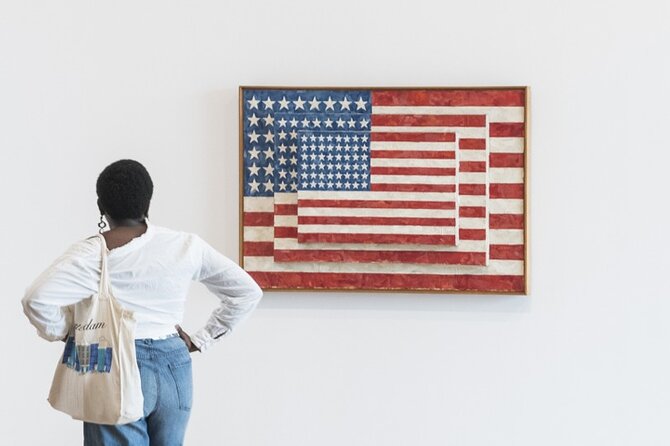
Let’s talk value honestly. $30 is not “cheap,” but it can be a good deal in New York if you use the benefits fully.
I’d say it’s worth it if:
- You care about the Biennial and want to see the Whitney’s most current major presentation.
- You want the time-saving benefit of pre-booked entry.
- You’ll actually use the included free daily tour or you’re confident building your own route.
It’s less worth it if:
- You’re hoping for a short, low-effort visit where everything feels on your personal style wavelength.
- Your goal is only one artist and you’re worried the show won’t match that.
- You’re planning to go during peak crowd hours and hate feeling squeezed.
Also, keep expectations aligned with what a 2-hour visit can do. If you treat the Whitney like a “look at a few rooms, take pictures, done” stop, it might feel expensive. If you treat it like a focused art day with the Biennial plus terrace views, it often feels fair.
What Can Go Wrong: Crowds, Closed Floors, and Signage
No art plan survives contact with real crowds. The Whitney can be busy, and that can make it harder to really stand in front of works, especially in the areas people flock to.
Here are issues to keep in mind:
- Crowds can stack up in popular rooms, making it harder to see details.
- Signage and direction can feel insufficient when the museum is packed, so it helps to have a simple route in your head.
- Some people have run into situations where parts of the museum were closed, which can cut a visit short.
Then there’s the practical reality of time slots. If you buy a time-based ticket, you still need to give yourself enough space to move. A time slot does not eliminate the human traffic.
If you want to reduce stress, keep your priorities tight:
1) Biennial highlights
2) A few anchor works in the permanent collection
3) Terraces at the end
That’s how you avoid the “I paid, so I must see everything” trap.
Should You Book This Whitney Museum Ticket?
If you want a structured art visit with pre-booked entry, and you’re excited about the Whitney’s 20th-century to contemporary American focus, then yes, I’d book it. The included access to the 2024 Biennial plus the option for free daily tours makes this feel more than just a doorway ticket.
Book especially if you like:
- American modern and contemporary art
- A museum that mixes indoor galleries with outdoor viewing
- A visit you can pair with the High Line or Chelsea Market
Skip or think twice if you:
- Only want one specific artist and worry the schedule won’t match your tastes
- Hate crowded indoor rooms and plan to go at peak times
- Expect a long, slow visit in only 2 hours
My practical advice: treat this as a smart entry pass for a focused Whitney day. Then build the rest of your afternoon around the neighborhood, so you leave feeling like you got both the art and the setting.
FAQ
How much does the Whitney Museum of American Art admission ticket cost?
The price is $30.00 per person.
How long should I plan for the visit?
Plan for about 2 hours.
Is the ticket timed, and how far in advance should I book?
On average, this is booked 7 days in advance.
Does this include the 2024 Biennial?
Yes. The ticket includes access to the 2024 Biennial.
Will I be able to join a tour?
Yes. Free daily tours are included, offered at different times daily.
What should I do when I arrive at the museum?
Make your way to the Whitney in the Meatpacking District and exchange your voucher for a ticket at the admissions desk.
Is food included with the ticket?
No. Food and drinks are not included, though they are available for purchase.
What language are the tours offered in?
The experience is offered in English.
Is the museum close to public transportation?
Yes, it is near public transportation.
Can I cancel for a full refund?
Yes, there is free cancellation. You can cancel up to 24 hours in advance for a full refund.
Reviewed most recently around New York City
- The Museum of Modern Art Admission Ticket★ 4.5 · 735 reviews
- Philadelphia and Amish Country, 1-Day Tour from NYC★ 4.0 · 734 reviews
- Top Rated Brooklyn Half-Day Food, History & Culture Tour via bus★ 5.0 · 758 reviews
- NYC: Woodbury Common Premium Outlets Shopping Trip★ 4.2 · 761 reviews
- Madame Tussauds New York City Admission Ticket★ 4.5 · 766 reviews
- New York City: Private Walking Tour with a Local★ 4.6 · 771 reviews
- Central Park Guided Walking Tour★ 5.0 · 774 reviews
- NYC: Woodbury Common Premium Outlets Shopping Round Trip Service★ 4.0 · 784 reviews
Museums, compared.

Empire State Building Tickets – Observatory & Museum
Read our review →


9/11 Memorial, Ground Zero Tour with Optional 9/11 Museum Ticket
Read our review →
All-Access 9/11: Ground Zero Tour, Memorial and Museum, One World Observatory
Read our review →

Browse the lists this tour appears in