
Reviewed · WHALE WATCHING
Orcas Island Whale Watching
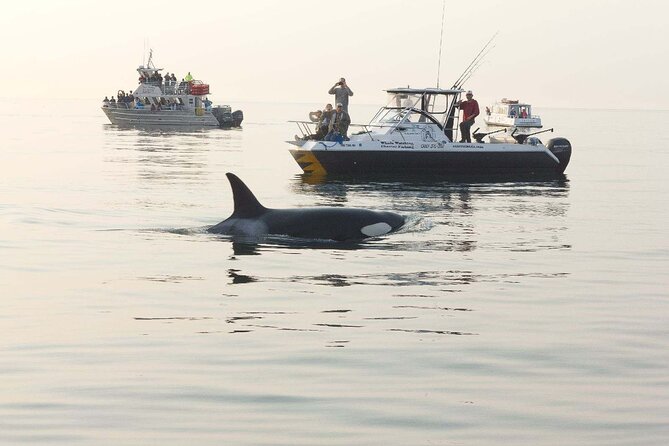
Orcas Island whale watching is interesting because you are leaving from the San Juan Islands and going where the whales actually hang out, not a distant viewing spot. The goal is simple, find whales in the wild, then linger just long enough to learn what you are seeing. This is also a small-boat style trip, so you feel like you are working with the crew, not waiting in a crowd.
What I like most is the high-speed search. When a pod is spotted, the captain and crew can adjust quickly, and that matters when wildlife is on the move. I also like how often this tour is getting results, with whales reported on 98% of tours, plus plenty of other animals along the way.
The main drawback to plan for is that whale time is weather and location dependent. Some trips go farther than expected, and on a less cooperative day you may spend longer looking before the big moment happens. If you are bringing young kids, build in extra patience for the ride and the scanning.
Key things to know before you go
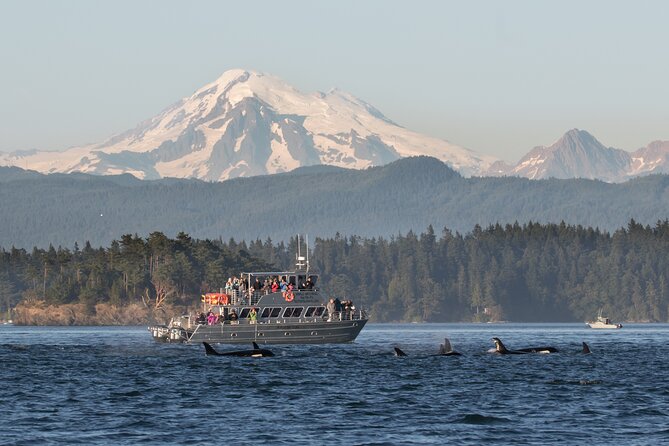
- Small group size (max 30) makes it easier to see and follow the guide’s spotting tips.
- High-speed vessels help you cover ground during the search for Orca, Humpbacks, Grays, and Minkes.
- Whales on about 98% of tours plus frequent sightings of seals, sea lions, sea birds, and otters.
- Check in starts 30 minutes before departure, so arrive early and keep an eye on the ferry timing.
- Orcas Island departure means you need to be on the island already, with the Washington State ferry as your usual route.
- Bring layers. The boat can feel cold even on a warm day.
Why Orcas Island works so well for killer whales and more
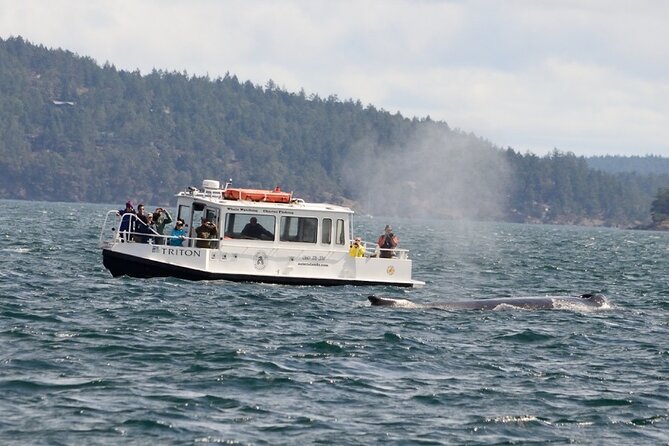
Orcas Island sits in the middle of the San Juan Islands, right where the water turns into a busy feeding zone. That matters, because whale watching is not just about being in the right place once, it is about being there while animals are moving through. On this cruise you head into the San Juan Islands and the Canadian Gulf islands, which increases your odds of matching what’s active that day.
One big point for me is that this tour is not positioned as a generic wildlife cruise. It is built around the resident killer whale pattern, and then it treats other whales as a bonus you could catch while you are already out there. That approach helps you understand why the crew keeps scanning and why the captain can make changes quickly.
You can also expect variety. Along with Orca and other whales, you might spot porpoises, seals, sea lions, sea birds, and otters, with occasional sightings like bald eagles mentioned in the experience feedback. The overall vibe is closer to a live nature documentary than a checklist bus tour.
More Whale Watching in San Juan Islands:
- Whale Watching from Friday Harbor
★ 5.0 · 780 reviews - Whale Watching Tour from Anacortes
★ 5.0 · 681 reviews
The real game plan: 3 to 3.5 hours on the water with a fast search
You are looking at a 3 to 4 hour outing, depending on how the day unfolds. The tour uses smaller, faster vessels, which is a practical choice for whale watching because it buys you time to chase good reports without turning the day into a long slog.
Check in starts 30 minutes prior to departure, at the meeting point in Eastsound: 1608 Rosario Rd, Eastsound, WA 98245. Once you are aboard, the crew’s focus stays on scanning, matching sightings, and keeping you positioned for the best viewing. With a maximum of 30 travelers, you do not feel swallowed by a huge group.
Here is what the flow usually feels like. You start from Orcas Island, then head out into the islands and nearby waters to search for Orca, humpbacks, grays, and minke whales. You may see other wildlife along the way, so you are not staring at empty water the whole time. If the whales are farther off than expected, the captain can run the route fast enough to make up for it, and the crew often pushes to keep the outing worth your time.
What you should actually expect to see out on the cruise
The tour description targets a few specific whale types: resident killer whales (Orca) plus the possibility of humpbacks, grays, and minkes. In practice, the most consistent win is Orca sightings, with whales reported on 98% of tours.
Orca watching is its own style. The key is that resident killer whales often move with purpose, and the crew tends to position the boat so you get repeated views as the pod travels. That is why you will hear facts and context from the guide, because spotting Orca is also about learning how the group behaves in the wild.
You may also see humpbacks. One factor to understand is that humpbacks can mean a longer run. A trip can head farther into open water in search of them, which is good when it pays off, but it is a tougher ask with very young kids. If humpbacks are your main target, plan for the idea that the ride might feel long.
Then there are the supporting cast sightings that make the cruise feel full even when your whale moment is delayed. Expect chances for seals and sea lions floating and lounging near the waterline. Sea birds often react when there is food activity, and otters can pop up in ways that surprise you. Even when Orca is the headline, these extras are what keep the scenery lively.
The guides and captains: why the info changes the whole trip
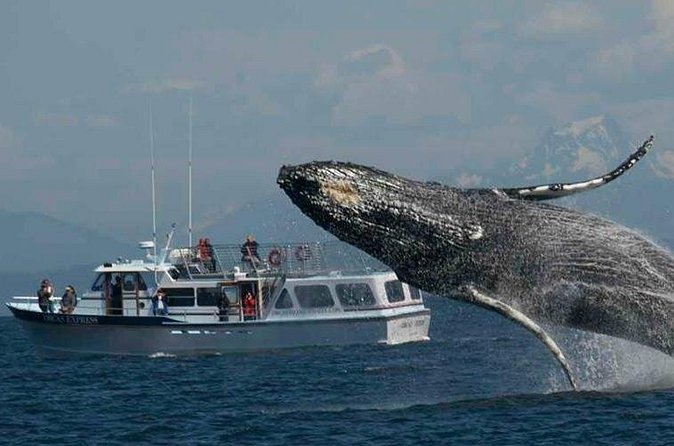
This kind of tour lives or dies on the pairing of captain and naturalist. You get a professional guide, and the guide’s job is to turn what you see into something you understand. That is what makes the difference between spotting a fin and actually recognizing behavior.
Names like Captain Phil and naturalist Ginny show up repeatedly in the experience feedback, along with other captain-guide combinations such as Elliot and Gabe, Captain Chaz and Corrina, Drew and crew members Sean, Sophia, and Katie, and guides like Liberty and Beau. I am not saying you will get those exact people, but it does point to the most praised element of the operation, the team brings real enthusiasm and practical field knowledge.
Another detail I like is how the best crews handle the slow start. There is at least one report where whales were not found for the first hour and a half, then the captain used new information from farther north and sped to make it happen. That is a good sign. It means the crew is actively listening and adjusting rather than calling it a day early.
You also get help beyond facts. Several comments mention photo help from the crew, and there is at least one story about accommodating someone with walking difficulty by keeping them able to see from inside. That tells you the staff is paying attention to how people experience the boat and the viewing, not only the wildlife.
Boat comfort and what to bring so the ride feels easy
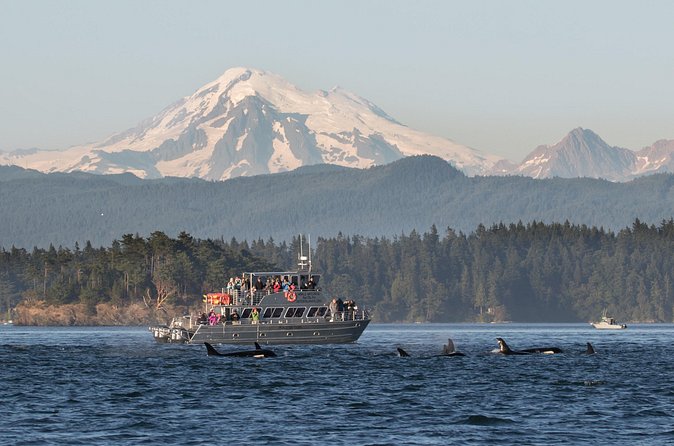
This tour runs on smaller, faster vessels, which typically means more motion than a big ferry but often a steadier ride once underway. The experience feedback emphasizes comfort, with people calling the boat stable and enjoyable, even for families.
Still, you should treat this as an outdoor outing on cold water. Bring layers, and pack a jacket. Multiple reports specifically warn that it gets cold on the boat, even when it looks sunny from shore. Wind is the usual culprit, and the faster the boat goes, the more you feel that wind.
If you get motion sensitive, you might plan for that too, since you are on open water for a few hours. The data does not list motion tips, so I will keep it general, but the practical move is to bring what helps you stay comfortable.
Orcas Island logistics: the ferry reality you must plan around
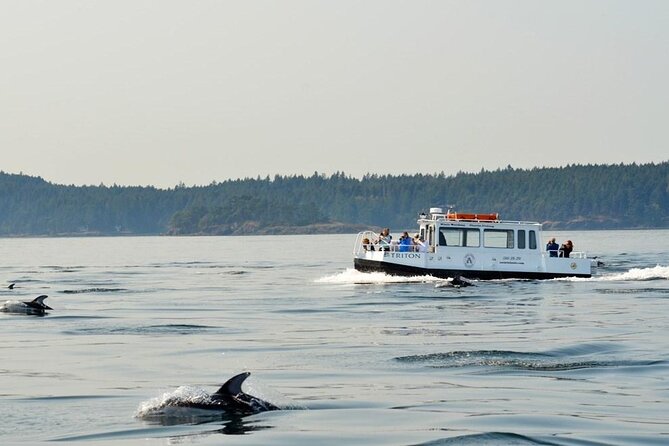
The biggest practical note is this: the cruise departs from Orcas Island, and the island is reachable only via the Washington State Ferry System. That means you cannot casually schedule this as a random Seattle day trip unless you have already mapped your ferry times.
If your party is not already on the island, you are smart to set up a departure plan from Anacortes rather than improvising. The reason is simple. You want buffer for check-in and for anything that delays ferry schedules. This is one of those tours where being late can ruin the day, because the cruise ends back where it starts.
Also, check in opens 30 minutes before departure. I recommend you treat that like a hard deadline. If you are still stuck in parking or walking from a ferry, you will spend your energy worrying instead of watching.
Finally, this trip is capped at 30 travelers, so it is not a huge operation. That is good for viewing, but it also means the crew cannot wait around like a sightseeing shuttle.
Price and value: is $119 worth it for a 3 to 4 hour whale chase
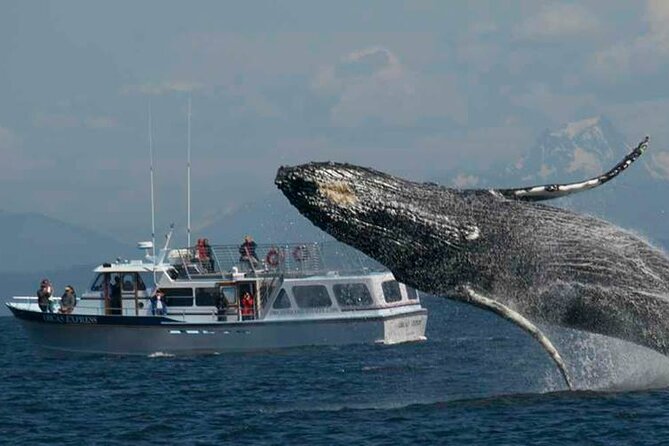
The listed price is $119 per person, and then you will add 8.1% Washington State sales tax plus applicable fees. The exact fees can vary, but the big picture is that you are paying for a high-speed, guide-led wildlife search in a premium location.
Here is how I think about value with whale watching: you are buying access to expertise, speed, and time on the water with a crew that can respond when whales are reported. If whales are found quickly, you still get the guiding and the wildlife context. If whales are farther away, the high-speed vessel and the captain’s willingness to adjust routes are what keeps the outing from turning into a long disappointment.
The most compelling value signal here is the combination of high whale sighting rate (98% of tours) and the extra wildlife sightings. In other words, even if Orca is the dream, the trip often delivers a lot of additional life in the water around them. Couple that with the small group and the professional guide, and the price starts to make sense as an all-in experience, not just a boat ride.
If you compare this against drive-to-a-viewpoint options, you are also paying for something more reliable. You are going to where sightings happen, and you are doing it with a crew that knows how to read the day.
Who should book this Orcas whale watching cruise
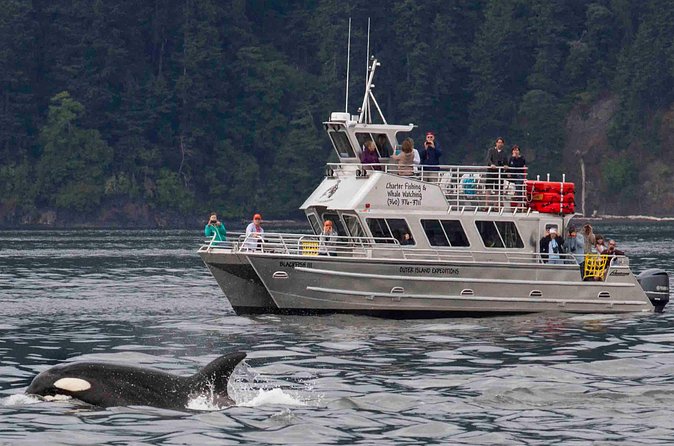
This tour is a strong fit for people who want a real wildlife outing, not a casual sightseeing spin. If you care about seeing Orca in their natural environment, and you like learning what you are looking at while you are looking at it, you will probably enjoy the structure.
It is also family-friendly in many cases. The experience feedback includes several family trips where kids had a memorable time and the crew kept things positive and informative. Just remember the practical reality that you are out for a few hours and the search can take time.
If you have mobility needs, the data says most travelers can participate, and service animals are allowed. There is also an example of crew helping someone who had difficulty walking by keeping them able to see from inside. That is a good sign, but I still suggest you let the operator know about your needs early, so the crew can plan where you sit.
Couples and solo travelers also do well here. The small group size helps you feel like you can focus on the water, and the guide information makes it more than a silent staring contest.
Should you book Orcas Island Whale Watching with Outer Island Excursions?
If Orca is on your must-see list, I think this is a book-worthy option. The biggest reason is not hype, it is the practical combination of fast boats, a small group cap, and a track record of finding whales on most tours. You are also likely to see other wildlife, which helps the experience feel complete even on a day when the whales are not right at the start.
Book it if you:
- Plan around ferry timing and can arrive at check-in early
- Bring layers and accept that the day is outdoors and on wind
- Want a guide-led experience where you learn while you watch
Consider another plan if:
- You are trying to squeeze the trip in without solid ferry buffer
- You are very sensitive to uncertainty, because whale watching has a search component
- Your group has little patience for open water time, even with a high-speed vessel
Overall, this is the kind of outing that turns a trip to the San Juan Islands into a story you will remember, not just a photo you took from shore.
FAQ
Where is the meeting point for the Orcas Island whale watching tour?
The tour meets at 1608 Rosario Rd, Eastsound, WA 98245, USA. The activity ends back at the meeting point.
How long is the cruise?
It runs about 3 hours 30 minutes, typically in the 3 to 4 hour range.
Do I need to already be on Orcas Island?
Yes. The tour departs from Orcas Island, and the island can only be reached by the Washington State Ferry System. If you are not already on the island, it is recommended to plan an Anacortes departure location.
What animals can you see on this tour?
The hunt is for Orca, Humpbacks, Grays, and Minkes. You may also see porpoises, seals, sea lions, sea birds, and otters.
Is this tour limited in group size?
Yes. The maximum group size is 30 travelers.
What happens if weather is poor or the minimum number of travelers is not met?
The experience requires good weather. If it is canceled due to poor weather, you will be offered a different date or a full refund. If it is canceled because the minimum number of travelers is not met, you will be offered a different date or a full refund.
Reviewed most recently around San Juan Islands
- Whale Watching Tour from Anacortes★ 5.0 · 681 reviews
- Whale Watching from Friday Harbor★ 5.0 · 780 reviews
Whale Watching, compared.
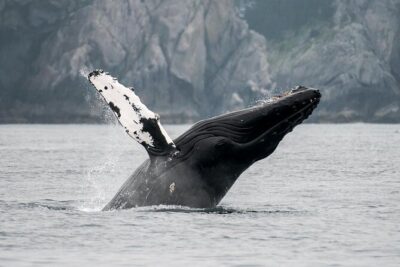
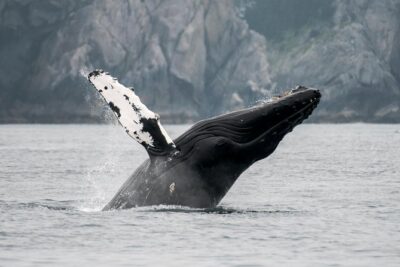
Juneau Wildlife Whale Watching & Mendenhall Glacier
Read our review →
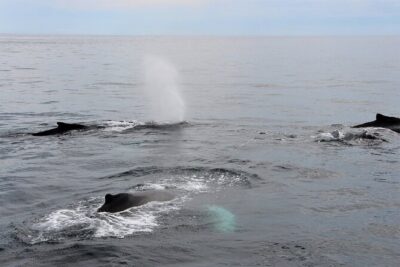
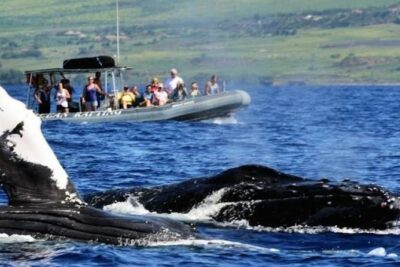
Maui Eco-Raft Tour: Eye-Level Whale or Dolphin Watching – Lahaina
Read our review →
Whale Watching Trips to Stellwagen Bank Marine Sanctuary. Guaranteed sightings!
Read our review →Browse the lists this tour appears in