
Reviewed · TICKETS
NYC: The Frick Collection Entry Ticket
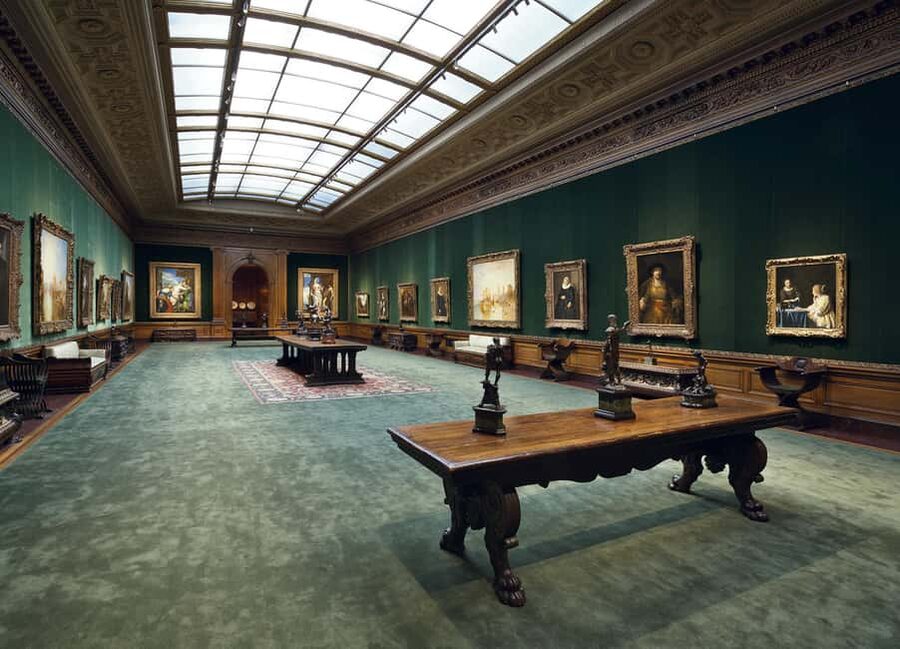
The Frick is interesting because you get top-tier European art in a setting that still feels like a private Fifth Avenue home, not a giant warehouse. I love the intimate scale of the galleries, where you can actually stand close to paintings and let details sink in. I also like how the 2025 reopening has the collection laid out with restored rooms on the first floor and smaller works on a newly opened second floor. One possible drawback: it can be crowded at popular times, and the house rules (no water bottles in galleries, no photos) may feel strict if you are used to more relaxed museums.
If you like art from the Renaissance through the late nineteenth century, this is a focused visit with big payoff. The collection has famous names like Bellini, Rembrandt, Vermeer, and others, all housed in the historic Fifth Avenue building Henry Clay Frick created as his collection’s home. Just know that children 10 and under are not permitted, so it is more of an adult-friendly art outing.
Key things to know before you go
- Two-floor layout after the reopening (first floor masterworks, second floor smaller works) so you can pace what you care about most
- World-class paintings plus decorative arts in a compact museum, which makes the visit feel efficient
- Skip-the-line entry with a mobile ticket, helpful when Fifth Avenue is busy
- Photography is only allowed in the Frick lobby, not in the galleries
- Strict gallery rules like no liquids or bottles, and coat check for oversized items
- Staff in the rooms and audio can help you get more from the art without turning your visit into phone time
Why the Frick feels different from the big art museums on Fifth Avenue
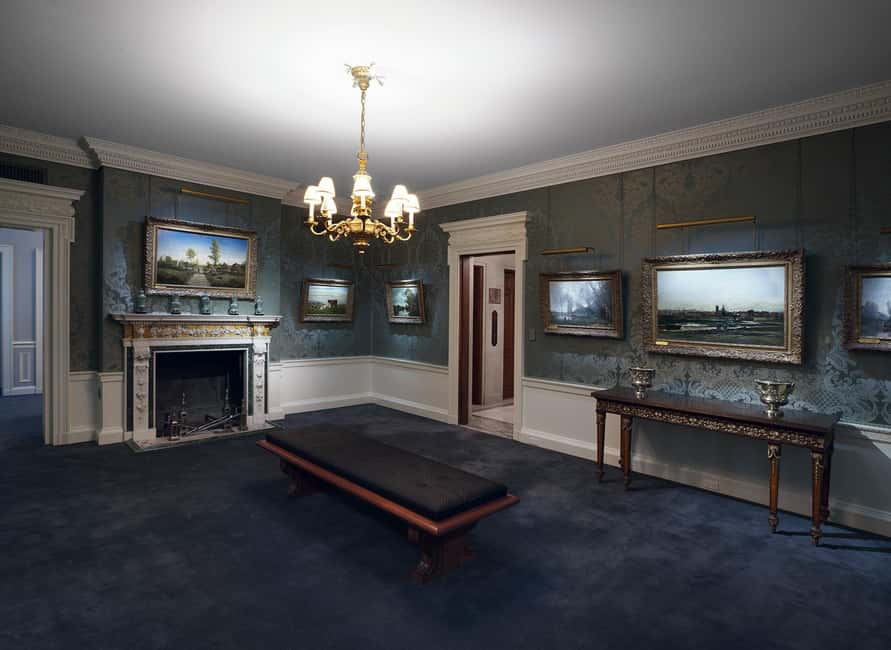
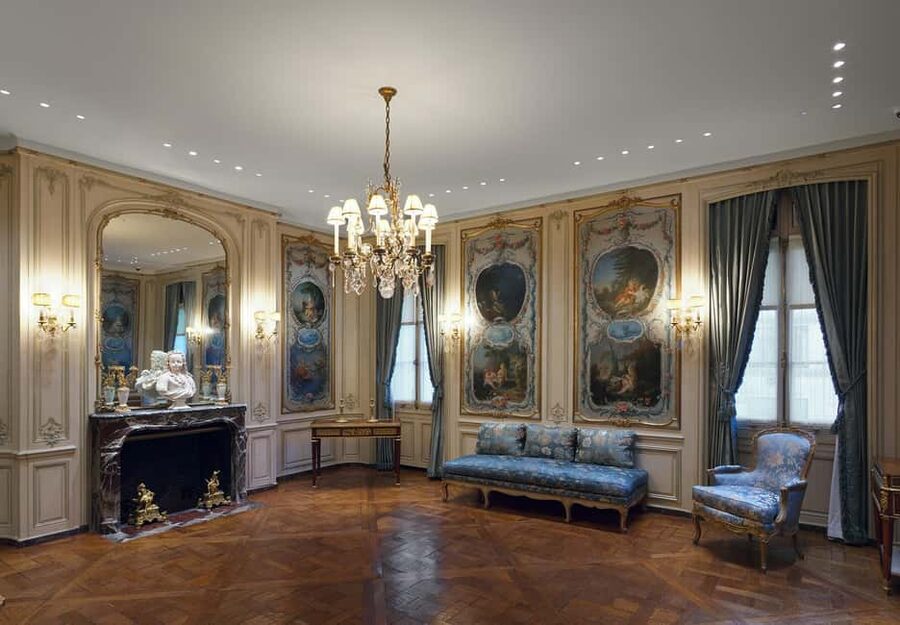
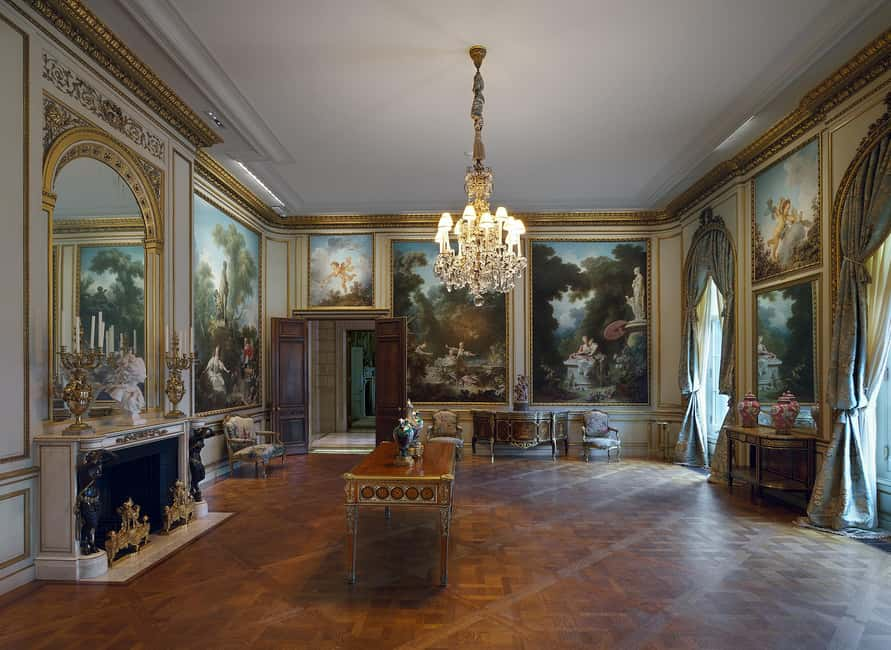
The Frick’s magic is its scale. You are not wandering through a building the size of a football field. Instead, you are moving room to room in a historic home, which changes how you look. Even when the art is famous, it feels personal, like you are being shown it rather than marched through it.
I also like that the Frick is built around European art from the Renaissance to the late 1800s. That focus matters. When a museum’s identity is clear, your time stays meaningful. The Frick’s collection is known for works by Rembrandt, Vermeer, and Bellini, and you also get other major names tied to that same long arc of European painting and objects.
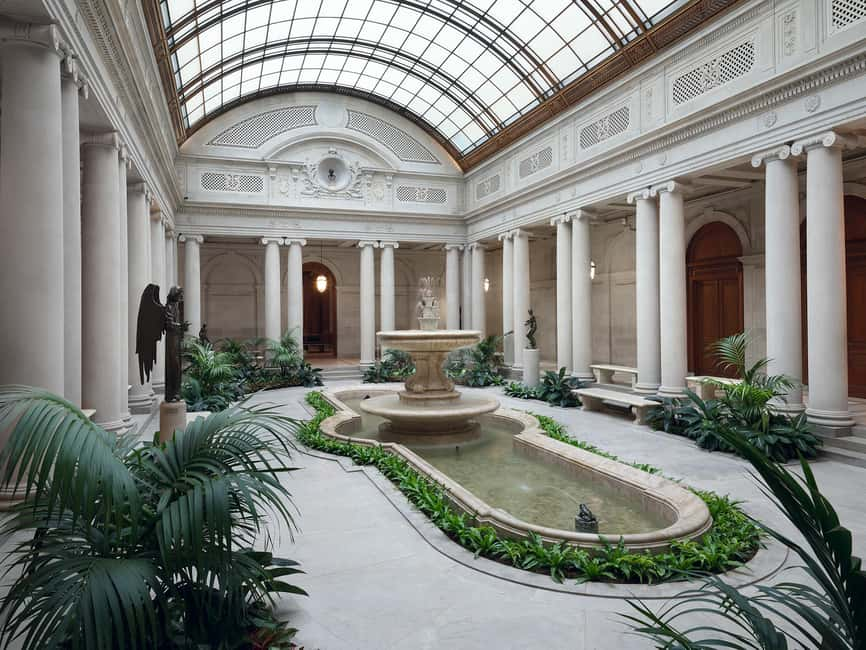
The house itself is part of the experience. The museum reopens after a multi-year renovation, and the results are meant to let you see the rooms with fresh clarity, including restored masterworks galleries on the first floor and additional space on the new second floor. It is still a compact visit, but the building feels refreshed rather than tired.
The main reason some people leave a little annoyed is crowding. Timed tickets help, but if you go mid-day on a busy day, you will feel the squeeze in narrow transition areas and in popular rooms. If you hate waiting, adjust your timing.
Stack these New York City options against each other
- NYC: SUMMIT One Vanderbilt Experience Ticket
★ 4.7 · 37,985 reviews - NYC: 9/11 Memorial & Museum Timed-Entry Ticket
★ 4.8 · 31,428 reviews - NYC: Empire State Building Tickets – Observatory & Museum
★ 4.7 · 25,757 reviews
A practical plan for the first floor and second floor after the 2025 reopening
After the 2025 reopening, the museum’s layout is designed so you can follow the story in a simple physical order.
On the first floor, you will find the “anchor” rooms, with the collection’s iconic masterworks reinstalled in restored galleries. This is where you start if you want the biggest hits early, when your energy is high and the day’s crowds are still manageable. If you are the type who likes to do your priorities first, this is your move.
On the second floor, you will see smaller-scale paintings, sculptures, and decorative objects. This floor is a great match for slower looking. You can linger more, compare details, and keep an eye out for how artists and workshops treated materials and surfaces. If you care about decorative arts as much as paintings, the second floor can feel especially satisfying.
My advice is not complicated: pick one floor as your main goal based on your interests, then use the other floor as a supporting act. You will have more fun doing it that way than trying to “see everything” because the Frick is small enough that people do feel tempted to rush.
Tickets, timed entry, and getting in smoothly when New York is New York
This ticket is priced at $30 per person and your visit is valid for 1 day. You also get a real benefit that is easy to miss until you need it: entry is timed, and you can use a mobile ticket for entry. The experience is also set up to help you skip the ticket line, which is crucial on Fifth Avenue days when everything around you is moving at different speeds.
Still, here is the honest bit: a timed system does not magically eliminate lines. The building has a controlled entry process, and that process can vary depending on the time slot and the day. If you show up exactly at your start time, you reduce the chance of standing around.
What to do once you arrive: think of the first few minutes as a reset. Go through security rules early in your head, because the museum does not want you carrying a lot into the galleries. After that, you are free to enjoy the rooms at your own pace.
If you can choose your time, pick an off-peak slot. People tend to feel the crowds most on busy Saturdays, especially mid-day, when movement can slow in connecting areas. If you want a calmer visit, start earlier in the day.
What you’ll see: Renaissance to late-1800s masterpieces in a compact route
The Frick’s focus is clear, and that is part of why it is such good value. Your ticket does not scatter you across unrelated time periods. Instead, you get one continuous sweep that runs from Renaissance work into the late nineteenth century.
You will see major artists including Bellini, Rembrandt, Vermeer, and others. The art is installed so you can compare styles and subjects without constantly reorienting to a whole new theme every ten minutes. In a big museum, that constant mental reboot kills momentum. Here, the pacing stays steady.
A useful tip for your looking: do not try to read everything at once. Some people want more wall text, and some rely on mobile information. Either way, decide before you go how you want to handle interpretation. If you hate phone-based info, plan on doing shorter stops and spending more time just watching the painting itself.
One more thing to set expectations: the museum includes paintings and decorative objects, so your experience may feel broader than a pure painting museum. If you love architecture of collections and how objects sit alongside paintings, you will enjoy the mix. If you only want impressionists and post-impressionists, you might find the selection more limited than you expect because the Frick is centered on Renaissance through the nineteenth century.
Another New York City day, played differently:
- NYC: Empire State Building Observation Deck Tickets
★ 4.7 · 22,072 reviews - NYC: Edge Observation Deck Admission Ticket
★ 4.6 · 20,918 reviews - New York City: Statue of Liberty & Ellis Island with Ferry
★ 4.6 · 18,683 reviews - New York City: American Museum of Natural History Ticket
★ 4.5 · 15,447 reviews
The restored rooms, gardens, and the Russell Page garden moment
The Frick is not only inside. A special small garden is part of the overall experience, and it can be a relief when the house feels busy. People often call this out because it gives you a physical pause and a mental break.
The reopening adds another reason to pay attention to outdoor time: the Russell Page garden was restored. Even when weather is not ideal, the restoration changes the way the property feels, and it gives you a chance to slow down before you return to the galleries.
Garden time is also practical. When you step outside, you can reset your eyes after long painting viewing. If you are sensitive to crowding, that pause matters.
Museum rules that affect your day: no photos, no bottles, and coat check for big items
The Frick has rules, and they matter because they directly impact what you can bring into the galleries.
Here are the ones most likely to affect your comfort:
- No photography inside the galleries. Photos are permitted only in the Frick lobby.
- No liquids or bottles in the galleries, unless medically necessary.
- No luggage or large bags. Oversized items must go to the coat check. Oversized includes things like garment bags, and even camera extension poles.
- Photography is limited, so if you want visual reference later, plan to take notes instead.
If you travel with a water bottle, do the simple thing: drink it before you enter or keep liquids out of the galleries. If you carry a jacket, keep it small and easy to manage, because you do not want to be stuck figuring out bag rules in the entry rush.
Also pay attention to the children policy. Children 10 and under are not permitted. This is a museum designed for a certain kind of quiet and attention span.
Audio, staff, and how to get more from the collection without turning it into homework
The museum offers audio, and some visitors have found it genuinely helpful. Audio is a good option when you want context but do not want to read every placard. It can guide your attention to what matters in a painting or a room.
Staff can also play a big role. People describe helpful security and room staff who can point out what to look for. If you get stuck, asking a staff member where to focus next can save time and improve your experience.
One specific note from within guided options: there is mention of a Bloomberg-guided tour that some people found cumbersome to use. If you choose to use that kind of feature, do not wait until you are tired to figure it out. Try to understand it before you hit the busiest rooms.
If you are a person who loves learning beyond the basics, you might look out for guides like Kevin, who was praised for depth of knowledge and friendly answers. Even if you do not follow a guided program, seeing how the rooms are set up for learning makes the Frick feel less like a checklist.
Cafe break and gift shop time when you want to slow down
Plan on a mid-visit break because the Frick is compact but not rushed. The cafe is there for you, with food that people have described as good and service as excellent. The pricing is what you would expect in New York, so I treat it as a convenience, not a deal.
Two practical ideas:
- If you arrive hungry, eat before you hit your peak rooms.
- Put your cafe time at the point where you feel you are losing focus, not after you already regret it.
Bathrooms are available, and that helps you stay out longer without constantly timing yourself.
The gift shop is also worth a quick look if you want a takeaway that is more than a generic souvenir. People describe nice items, and in a museum like this, the right book or print can help you remember a painting you loved.
Crowding reality and the best way to avoid frustration
The Frick is often described as not too crowded in a good way, mainly because it is smaller than many museum giants. But it can still get crowded, especially around the busiest times and popular rooms.
What causes the feeling of crowding:
- transition areas can slow movement
- popular rooms draw everyone at once
- Saturdays mid-day can be tight
Your best defense is timing plus pacing. Arrive early in your time window if you can. Then do the top-priority rooms first and use the slower-looking second floor as your buffer.
Also, keep your expectations realistic about the “need” to cover everything. It is possible to see a lot in a short visit, but the Frick rewards attention. If you rush, you lose the whole point of the intimate setting.
Who should book this Frick Collection entry ticket
You should book if:
- You want European art from the Renaissance through the late 1800s in an intimate setting
- You like a museum in a historic home, not a big institutional block
- You appreciate paintings plus sculptures and decorative arts
- You want a ticket that lets you choose your pace, with helpful staff on hand
You might skip or reconsider if:
- You strongly prefer impressionists and post-impressionists, since the Frick’s focus is different
- You need lots of family-friendly programming, because children 10 and under are not permitted
- You rely on taking photos inside galleries, since photography is restricted
Should you book the Frick ticket?
Yes, I think this is a smart booking if your goal is high-quality art in a manageable time window. At $30, you are paying for the combination of a world-class collection, a restored Fifth Avenue setting, and a layout that does not waste your hours. The timed entry helps you avoid the most painful lines, and the mobile ticket system keeps things smooth.
Book it especially if you are the type who likes to slow down and really look. The Frick is at its best when you let the rooms shape your pace.
If you are coming during peak hours, go in with a strategy: priority rooms first, garden or cafe as your reset, and accept that the house rules mean less convenience than some museums. If that works for you, you will have a very satisfying afternoon.
FAQ
How much does the Frick Collection entry ticket cost?
It costs $30 per person.
How long is the ticket valid for?
The ticket is valid for 1 day.
What do I need to present at the meeting point?
Present your mobile ticket for entry.
Does this ticket let me skip the ticket line?
Yes, it is set up to skip the ticket line.
Can I take photos inside the museum?
Photography is not allowed inside the galleries. Photography is permitted only in the Frick lobby.
Are drinks or water bottles allowed in the galleries?
No. Liquids or bottles are not allowed in the galleries unless medically necessary.
Can I bring luggage or large bags into the museum?
No. Luggage or large bags are not allowed. Oversized items must be left in the coat check.
Are children allowed?
Children 10 and under are not permitted in the museum.
Is the museum wheelchair accessible?
Yes, the experience is wheelchair accessible.
Is there free cancellation?
Yes, you can cancel up to 24 hours in advance for a full refund.
Reviewed most recently around New York City
- New York City Dinner Cruise with Live Music★ 4.0 · 377 reviews
- Museum of Sex NYC Admission Ticket★ 4.5 · 380 reviews
- Central Park Private Pedicab Tour (60 mins)★ 5.0 · 382 reviews
- “The Met” Metropolitan Museum of Art Tour Semi-Private 8ppl Max★ 5.0 · 384 reviews
- Statue of Liberty, Ellis Island, and 9/11 Memorial Guided Tour★ 4.0 · 385 reviews
- 1-hour New York City Skyline Sightseeing Cruise★ 3.5 · 391 reviews
- Excursion to Washington from New York in 1 day★ 5.0 · 393 reviews
- NYC: Meet the Met – Extended 3hr Small-Group Tour★ 4.6 · 397 reviews
Tickets, compared.



Empire State Building Tickets – Observatory & Museum
Read our review →
Empire State Building Observation Deck Tickets
Read our review →


Browse the lists this tour appears in