
Reviewed · THE USA
Half Day Snorkel Trip on Reefs in the Florida Keys
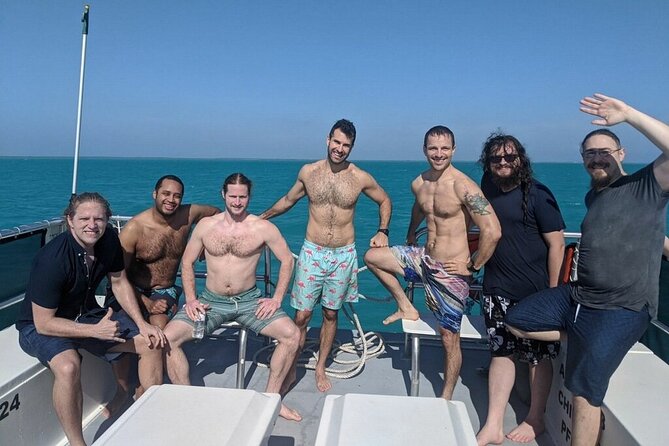
What makes this Key Largo trip especially interesting is the mix of big-reef scenery and easy, guided snorkeling. You head out on a comfortable catamaran to the area’s most famous reef habitats, with plenty of time in the water.
I love that you get snorkeling gear plus a snorkel vest, so first-timers can feel set up fast. I also like the way the crew builds in real instruction while you’re aboard, which helps you spot fish and understand what you are seeing. In reviews, guides like Captain Brad and Captain Katie come up again and again for keeping things fun and safety-minded.
One possible drawback to plan around is that this is a weather-dependent ocean outing. If conditions turn rough, schedules can change, and you may need flexibility, especially with only half-day slots available.
Key Points to Know Before You Go
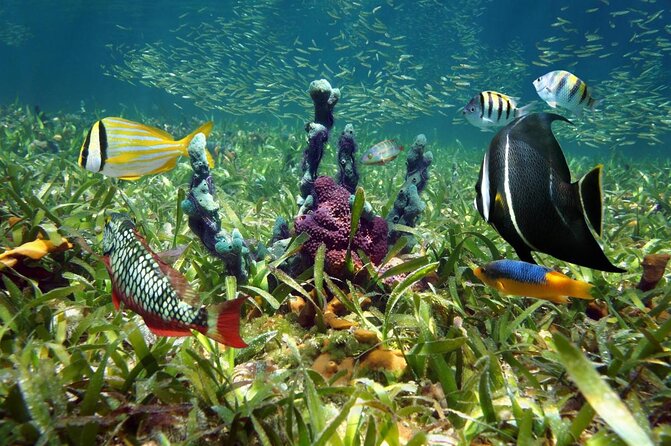
- US only living coral reef focus at John Pennekamp Coral Reef State Park
- Catamaran comfort for the ride out to the reef stops
- Beginner-friendly snorkeling if you can swim (no experience required)
- Equipment is included: snorkel gear, snorkel vest, and reef-safe sunscreen
- Typical snorkel time adds up to about 1 to 1.25 hours in the water per stop
- Two reef stops are the goal unless conditions make a specific site unsafe
Why Key Largo Reef Snorkeling Feels More Special Than a Random Trip
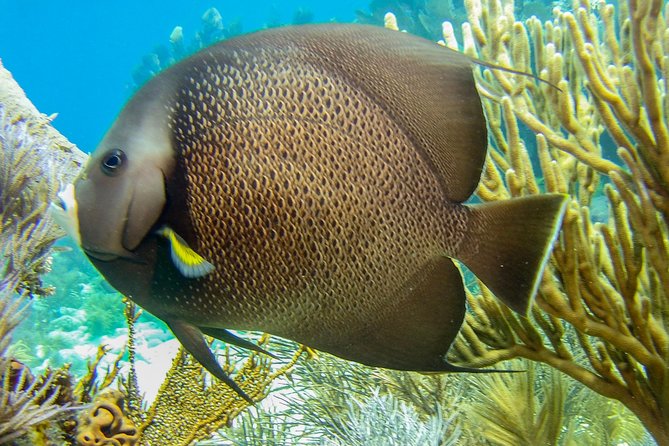
Key Largo is one of the easiest places in the Florida Keys to do reef snorkeling without turning it into a whole day project. This tour is built for people who want the magic, not the logistics headache. You get a set route, a guided experience on established reef areas, and a pace that gives you real time to look around.
The big selling point is that you are snorkeling in waters connected to the Florida Keys National Marine Sanctuary and John Pennekamp Coral Reef State Park, which is known for being the only living coral reef in the United States. That means you are not just seeing tropical fish. You are seeing a living coral ecosystem, right here in the US.
One more plus is the crew tone. In multiple accounts, captains and mates like Captain John, Captain Brad, Captain Katie, Nate, and Murphy come across as both entertaining and attentive. You get the vibe of a relaxed day on the water, with safety rules clearly stated so nobody feels lost.
More for the Key Largo shortlist:
- Key Largo Two Reef Snorkel Tour – All Snorkel Equipment Included!
★ 5.0 · 1,520 reviews - Mangroves and Manatees – Guided Kayak Eco Tour
★ 5.0 · 1,222 reviews - Key Largo Coral Reef Glass Bottom Boat Adventure
★ 4.0 · 1,048 reviews
The Catamaran Ride: Comfortable, With a Purpose
You do not just hop in a small boat and hope for the best. You board a large, comfortable catamaran for the ride out. The ride itself is part of the experience because you can scan the water while the crew talks you through what to expect.
Expect to spend roughly a half hour heading out before you’re snorkeling, based on how guests describe the flow. That is long enough to settle in, hear the briefing, and get your gear sorted, but not so long that you feel stuck waiting.
The crew also tends to keep things moving in a smart way. People mention adjustments for swells so less confident swimmers can still have fun while staying safe. That kind of practical call matters more than you might think, especially if you’re traveling with kids or mixed skill levels.
Gearing Up Fast: What’s Included and What You Should Bring
This trip makes it easy to show up and get in the water. Snorkeling equipment is provided, and you also get a snorkel vest, which helps beginners feel more comfortable right away. You’ll also get reef-safe sunscreen and bottled water.
There are a few small items to consider so you are not stuck mid-trip:
- Bring a towel, since it is not included.
- Pack your own snacks if you want them. You can bring food and drinks, and the boat provides a cooler with refillable paper cups.
- If you burn easily, consider a rash guard or T-shirt. Several people recommend adding sun protection beyond the provided sunscreen, especially if you’re out in strong Florida sun.
A bonus detail that shows up in reviews is that goggles may be treated with anti-fogging spray, which makes a big difference once you drop below the surface. There are also mentions of noodles being available, which can be helpful if you want a little extra float while you look around.
If you need prescription lenses, you should know that prescription masks are offered for rent, but they are not described as free. Plan to ask ahead if that matters for you.
Florida Keys National Marine Sanctuary: Your First Look at the Reef Life
The tour’s first reef-area stop is tied to the Florida Keys National Marine Sanctuary. This is where you start spotting why people talk about the Keys like they’re underwater theme parks.
What makes this stop valuable is the combination of guidance and time. While you’re still aboard, the guide explains the marine wildlife you’re likely to see. Then once you’re in the water, you get to use that info immediately.
In real-world sightings, guests describe seeing plenty of colorful fish, plus larger visitors like barracuda. A few reports also mention rays, sharks, and sea turtles. You should treat these as possibilities, not guarantees, but the takeaway is clear: this area has enough life that even casual snorkeling turns into active wildlife watching.
A practical point: reef visibility can vary by day. If it’s clear, you can enjoy long, calm looks at fish working their way through coral. If it’s choppier, the crew’s job is to help you stay comfortable and safe while you look.
John Pennekamp Coral Reef State Park: The US Only Living Coral Reef
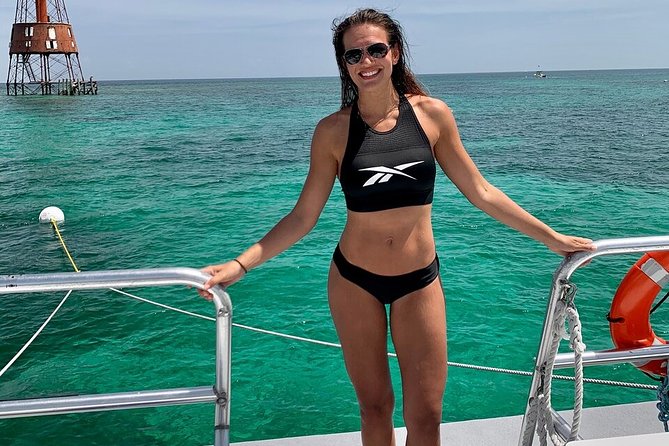
This is the stop many people are really here for. John Pennekamp Coral Reef State Park is known for being the only living coral reef in the United States, so the snorkeling feels grounded and meaningful. You are seeing an actual reef habitat, not just water with a few fish drifting through.
You’ll likely notice the difference quickly: coral structure changes the whole “look” underwater. Fish use the coral for cover and feeding, so you tend to see more wildlife than you would on a flat, open-water swim. Guests often mention coral features like elk horn coral and also the chance to see a famous underwater statue.
One review calls out seeing Christ of the Deep, and others refer to the sunken statue experience. That’s the kind of landmark your brain remembers because you can always point back to a specific spot.
There is also an emotional side to this stop. If you’ve never seen a living reef, it can feel like you’re watching an active neighborhood. You see fish moving in and out, you watch how they react when you hover, and you start understanding why people come back to the same reefs again and again.
Molasses Reef: Where the Color and Fish Density Can Surprise You
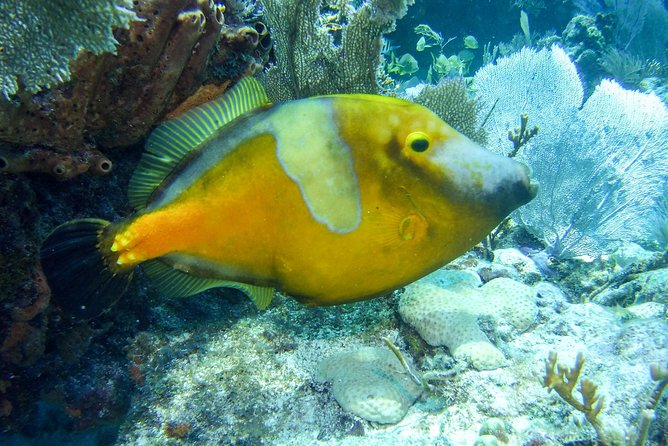
Molasses Reef is the third reef-area stop on the route. This is where many snorkelers find the most rewarding mix of coral contact and fish sightings.
If you like watching fish behavior, this is often the portion that feels most immersive. People describe seeing schools of fish and a lot of reef life, with some reports also mentioning a shark and eels. Again, that varies day to day, but the overall pattern from accounts is that Molasses Reef tends to deliver strong fish watching.
This stop also matters for beginners because the tour structure gives you a chance to settle into snorkeling rhythm. You’re not dropped in for five minutes and sent back. You get time in the water to slow down, breathe, and actually look.
One practical drawback to know: you are at sea, and sea conditions can affect comfort. If it’s windy or swells are up, you may spend more effort staying steady while looking around. The crew typically tries to account for that, based on how guests describe safety adjustments.
Timing and Snorkel Rhythm: How Much Time You Really Get
The tour is about 3 hours 30 minutes total. The snorkeling schedule follows a simple rhythm: you ride out, you snorkel, you regroup, and you go again.
From guest accounts, plan for roughly:
- Around a 30-minute ride out to the reef area
- About 1 hour to 1 hour and 15 minutes in the water at each stop
- Two reef stops as the usual plan, if conditions allow
That adds up to enough time that your first few minutes in the water are not the whole experience. You can adjust to breathing, find coral or fish pockets, and then settle into a slower, more enjoyable pace.
If you’re new to snorkeling, the first thing you should do is relax your body. The vest helps, but your comfort still comes from calm movements. Once you stop fighting the water with frantic kicks, you tend to see more, because you’re not scaring fish off just by moving too much.
Crew Safety and Vibe: Fun, Not Careless
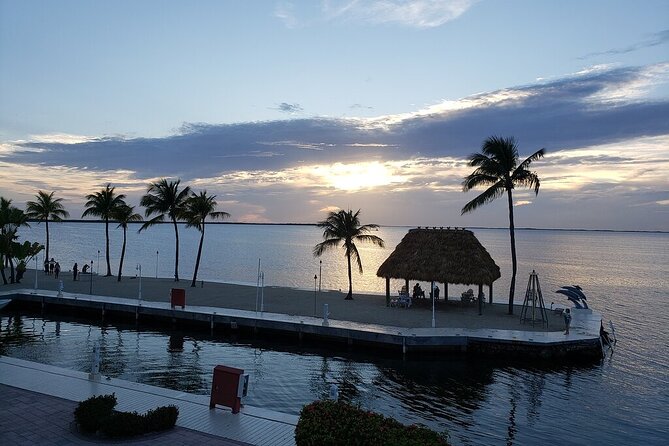
This is where the reviews are loud. The most consistent praise is about friendly, safety-minded crews who explain gear and keep the atmosphere relaxed.
You’ll see names like Captain Brad, Captain John, and Captain Katie in feedback, along with mates such as Nate, Murphy, and Liber. The repeated theme is that they make people feel confident. That shows up in how they check in with snorkelers, how they give clear instructions, and how they keep an eye on conditions.
Some groups mention being entertained during the trip, with music and jokes, while still getting solid safety guidance. That matters, because a good snorkeling day is part instruction and part attitude. You want to laugh, but you also want to know what to do if something feels off.
There’s also a practical comfort note: several people mention a shower availability after the trip. After saltwater and sunscreen, that kind of small convenience can turn the day from good to better.
Price and Value: Is $75 a Good Deal for a Half Day?
At $75 per person, this tour sits in the “serious value” category for Key Largo snorkeling, mainly because it bundles the stuff that usually adds up.
Here’s what you get that reduces your costs:
- Snorkeling equipment
- A snorkel vest
- Reef-safe sunscreen
- Bottled water with a cooler and refillable cups
Then there’s the time value. A half-day on reefs usually means you’re paying for the boat ride, guide expertise, and access to specific reef areas. With this setup, you’re getting multiple snorkel opportunities in a short window, rather than spending half your day traveling and waiting.
One more value point that people bring up: it can be a great first step toward wanting more underwater experiences, like scuba certification. You are not pressured to do anything beyond snorkeling, but the coral reef context can spark that next-level curiosity.
If you’re a family, the value math improves because gear and sunscreen are handled. Your main add-ons are things like snacks, a towel, and possibly a wetsuit if you get cold easily.
What to Expect Underwater: Fish Watching, Coral, and the Big-Moment Surprises
If you want the realistic version of this tour, it’s simple. You go out to snorkel reefs, you look for wildlife, and you spend enough time in the water to notice patterns, not just pass by coral.
Most common underwater highlights in accounts include:
- Lots of colorful reef fish
- Barracuda sightings
- Occasional rays, turtles, and sharks
- A special chance to see the Christ of the Deep statue
You can treat this as a buffet of possibilities. Your specific sightings depend on water conditions and the reef section the guide works at that day. But the overall picture from the trip format is encouraging: you are not just looking at coral like it’s decoration. You’re watching living habitat in action.
For beginners, the snorkel vest plus guided orientation tends to remove the biggest early stress. Then it’s about enjoying the float and letting your eyes do the work. If your mask fogs, the anti-fog treatment mentioned in reviews can help keep your view clear.
Who This Trip Suits Best, and Who Might Want Another Option
This is a strong pick if:
- You can swim and want a beginner-friendly snorkeling experience
- You want a guided outing rather than renting gear and figuring out reef access on your own
- You’re traveling with family, including kids old enough to follow instructions and use the gear properly
- You want a half-day format that fits into a Key Largo schedule
It may be less ideal if:
- You hate boat rides or are very prone to seasickness
- You need guaranteed afternoon time windows, because the ocean can force changes
- You want a super minimalist trip with no instruction, just free floating
One seasickness note that comes up in feedback is that some guests were uncomfortable even when the crew was supportive. If you’re sensitive, consider planning ahead with your own motion-sickness strategy.
Should You Book This Key Largo Reef Snorkel?
I think you should book if your goal is a half-day snorkeling trip on US coral reef habitat with gear handled and real guidance once you hit the water. The value is solid for what you get, and the repeated praise for safety and fun suggests the crew knows how to keep the day comfortable.
I would hesitate only if you cannot handle weather variability, because the trip depends on good conditions. If you can be flexible and you’re ready to focus on fish, coral, and guided underwater watching, this is one of the easier ways to experience the Florida Keys National Marine Sanctuary and John Pennekamp in a short time.
If you’re aiming for the statue moment, plan to bring extra patience for underwater viewing time. That kind of landmark tends to be a highlight when the water cooperates and you are able to slow down and look.
FAQ
Do I need to be an experienced snorkeler?
You only need to know how to swim. The tour is designed to be beginner-friendly, and snorkeling gear plus a snorkel vest are provided.
How long will I be in the water?
Expect about 1 hour to 1 hour and 15 minutes of snorkeling time at each stop, with the overall experience lasting about 3 hours 30 minutes.
What snorkeling gear is included?
The tour includes snorkeling equipment and a snorkel vest. Reef-safe sunscreen is also provided.
Do I need to bring a towel or snacks?
A towel is not included. Snacks are not included, though you are welcome to bring your own food and drinks, and a cooler is provided.
Where do the snorkeling stops happen?
The route includes stops associated with the Florida Keys National Marine Sanctuary and John Pennekamp Coral Reef State Park, plus a reef stop at Molasses Reef.
What happens if the weather is bad?
This experience requires good weather. If it is canceled due to poor weather, you’ll be offered a different date or a full refund.
Can I get a full refund if plans change?
Yes, you can cancel up to 24 hours in advance for a full refund. If you cancel less than 24 hours before the start time, the amount paid will not be refunded.
Reviewed most recently around Key Largo
- Key Largo Coral Reef Glass Bottom Boat Adventure★ 4.0 · 1,048 reviews
- Mangroves and Manatees – Guided Kayak Eco Tour★ 5.0 · 1,222 reviews
- Key Largo Two Reef Snorkel Tour – All Snorkel Equipment Included!★ 5.0 · 1,520 reviews