
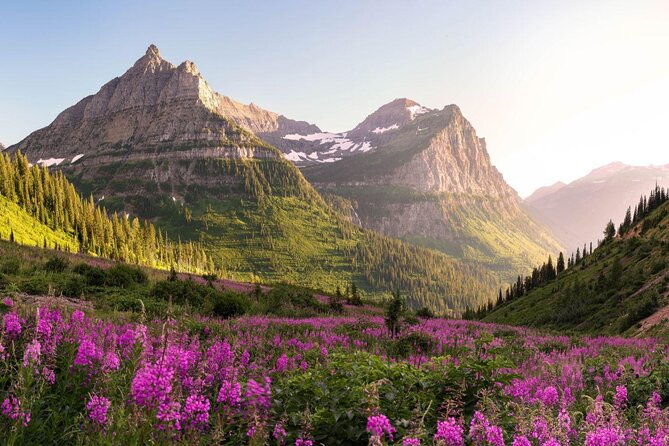
Reviewed · THE USA
Half Day Scenic Float on the Middle Fork of the Flathead River
The Middle Fork of the Flathead River is interesting because it gives you a slow view of Glacier Country from the water, with the river acting as a boundary to Glacier National Park. I like the way this tour turns a busy trip into a real break, with a relaxing float instead of more hiking. You also get guided context as you drift, so the scenery feels connected to the place you’re standing on.
What I also like is the human scale: the group stays limited (up to 45 people), and the tour is set up for low effort. In the guide-led experience, names like Caleb, Wiley, Maddy, Wes, Paige, and Alison come up in a way that signals how much fun and explanation you can get while staying calm. One possible drawback: some people find the pace too leisurely or feel the guide did not share enough Glacier Park specifics, so if you crave nonstop history, this might not be your favorite fit.
Key highlights worth knowing before you go
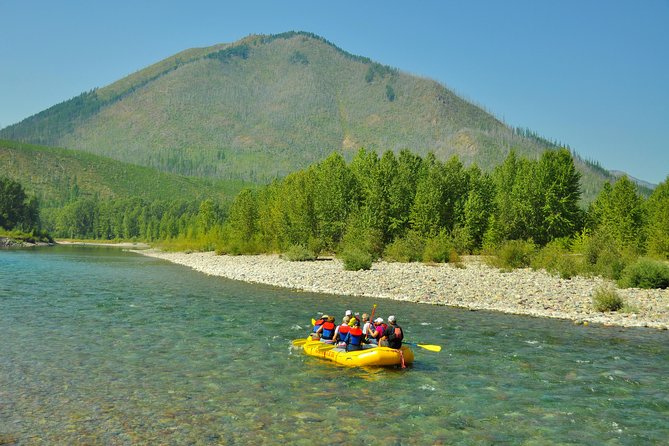
- Border-to-Glacier setting: The Middle Fork forms the boundary to Glacier National Park.
- Low-effort time on the water: A leisurely float that works well for families with small children.
- Wildlife viewing chances: You might spot deer, eagles, fish, and ducks when conditions line up.
- Short and sweet: About 2 hours 30 minutes total, great for an afternoon reset.
- Real-world footwear rules: Shoes must have backs, and you should plan for wet gear and changes.
A calm break on the Middle Fork, right by Glacier National Park
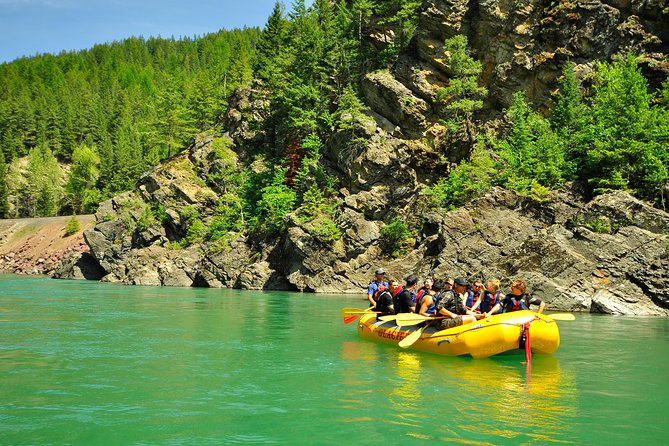
If your Glacier trip has a lot of driving and a lot of hiking, this kind of outing does something important: it changes your tempo. Instead of watching the valley from a trailhead or pullout, you float through it. That makes details easier to notice, like how the river bends, how the shoreline looks from a different angle, and how quickly the mood shifts from bustle to quiet.
The Middle Fork of the Flathead is also special because it sits right on the Glacier National Park boundary. Even when you are not “inside” the park on foot, the setting still feels like Glacier. You’re in the same region people come for, just moving differently. And because the float is designed to be leisurely, you can spend more time looking up at cliffs and tree lines, and less time managing energy.
This is also a good “between days” activity. I like that it can break up a tight itinerary. You can pair it with scenic drives and short walks, then let your body recover for the next big thing.
More for the West Glacier shortlist:
- Half Day Whitewater Rafting Trip
★ 5.0 · 1,840 reviews
Getting ready: 30-minute arrival, life jacket, and footwear rules
This tour asks that you arrive 30 minutes before launch time. That early arrival matters more than it sounds. It’s when you get checked in, sized up for the gear, and briefed so you’re not scrambling at the dock.
You’ll get a life jacket included, which is one of the biggest comfort wins. The tour is built around being safe and easy, not around technical rafting skills.
Bring footwear that follows the rules: shoes must have backs. No flip flops or crocs. That single detail can save you from a stressful moment. If you show up underprepared, the cost of doing it later can add up, and you lose time you could spend relaxing.
Shoe rentals can be an option, but the tour notes them specifically as $7 once wetsuits are no longer required. Translation: the gear plan can vary by season. If you’re going in shoulder season, double-check what you’ll be using when you arrive, then plan on getting wet anyway.
What happens on the river: your 2.5 hours on the water
The itinerary is simple, which is part of the appeal. You launch on the Middle Fork of the Flathead and enjoy a leisurely float while the guide explains what you’re seeing. The stop is essentially “the river,” so the tour succeeds or fails on how well you can slow down and watch.
Expect a relaxed flow. Reviews often point to a calm rhythm, with only light effort at times as your guide gives cues. That makes it a great option when you want nature time without the full physical commitment of a hike.
The guide factor is worth paying attention to. People consistently mention guides like Caleb, Wiley, Maddy, Wes, Paige, and Alison for mixing safety setup with real on-the-water storytelling. One guide style you’ll likely notice is small, practical bits of interpretation: plant and wildlife context, local details, and what to look for while you drift past.
The one thing you should be ready for
A possible complication for sightseeing is how your raft is positioned. One person reported floating backwards for about a third of the time, which made it harder to take in the scenery. If you’re someone who needs forward-facing views for photos the whole time, this is the main “consideration” to keep in mind.
Even with that, many people still call the trip memorable because of the pace, the quiet, and the sense of being in the valley without traffic noise.
Wildlife spotting: when it happens, and how to maximize it
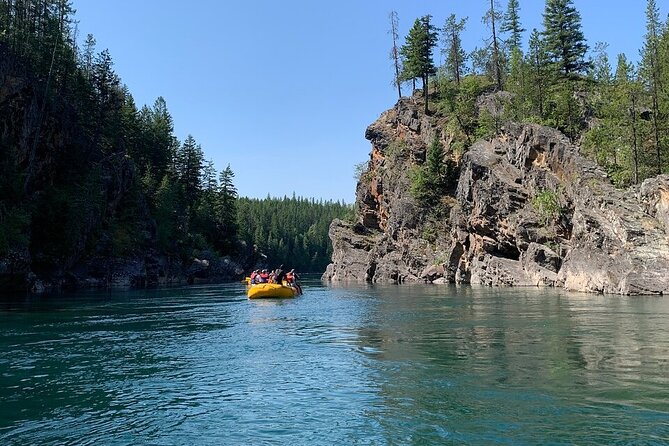
This tour is built around opportunities to spot wildlife in native habitat. That’s a big promise, but it’s also honest. Wildlife depends on timing, weather, and where the raft drifts. Still, you’re not going out to look at empty water. The Middle Fork can deliver real sightings when conditions are right.
From guide-led moments people shared, wildlife sightings you might hope for include deer, eagles, fish, and ducks. That mix is useful because it shows the sightings are not only “bird in the distance.” You might see birds overhead, animals near the banks, and signs of aquatic life depending on the water and time of day.
How to maximize your odds without getting stressed:
- Keep your eyes moving between the banks and the waterline.
- Listen when your guide pauses the raft or gives a heads-up, because wildlife often appears right after a cue.
- Don’t expect constant action. Wildlife spotting on a float is often a few quick moments, not a nonstop show.
If you go in with the right mindset, wildlife becomes an added bonus, not the whole point.
Guide personalities and the value of a good onboard story
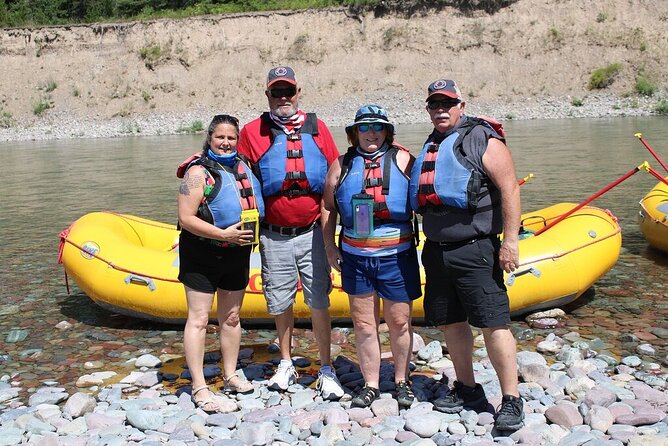
A scenic float is more than “just sit there.” It’s the interpretation that helps it become part of your Glacier story, not a random activity day.
The strong theme here is guide energy plus know-how. Names like Caleb, Wiley, Maddy, Wes, Paige, and Alison show up as people who combined safety and humor with real details about the river area. One key example: Caleb got specific about local plants and wildlife, which is exactly the kind of detail that makes you look longer.
At the same time, one review-style mismatch is important: if your expectation is a deep, Glacier National Park focused lecture, a float guide might not go that direction. One person felt the storytelling did not connect enough to Glacier Park history and facts. That doesn’t mean the tour is bad, just that the balance can tilt toward river life and general local context instead of a formal park talk.
So here’s the practical takeaway for you: if you want an easy afternoon with friendly, lively interpretation, you’re in the right place. If you want a classroom version of Glacier, you may prefer a longer guided hike or a different kind of tour.
Pace and effort: family-friendly without feeling like a kids’ event
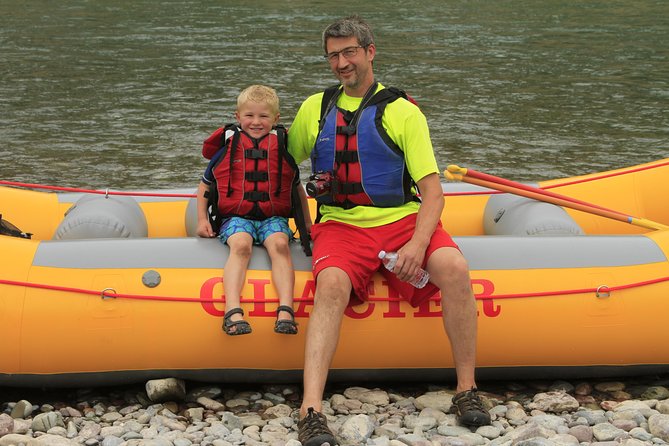
The tour is described as requiring little effort, and it’s consistently framed as a good family option for small children. I like that because it keeps your vacation from becoming an endurance test.
In a typical scenic float, the hard parts are often the gear and the getting in and out. Here, the structure keeps it simple. You get the life jacket, you follow the guide instructions, and you float.
People also mention a “slow and steady” feeling, which matters if you’re traveling with kids who get cranky after long drives or big climbs. One family story even highlights how the guide made space for kids to participate more actively, like taking turns guiding the raft. If you’re the parent type who wants your kids to feel involved, look for that kind of moment when your guide hands out small roles.
Comfort tips that can make or break the experience
Bring sunscreen. Plan for getting wet. And wear footwear that you don’t mind leaving a little worse for wear. A lot of the comfort comes down to what you’re prepared to deal with, not what the tour provides.
Group size, the vibe, and why limited numbers help
This activity caps at 45 travelers, and that’s a surprisingly meaningful detail on the water. Smaller groups tend to mean calmer check-ins, smoother instructions, and less time waiting around for your raft turn.
You’ll also have a mobile ticket, which tends to cut down friction at the start of the trip. Less time checking papers, more time listening for wildlife cues.
The vibe is usually more “quiet nature time” than “event energy.” Some people will love that instantly, especially if they’re tired from hiking days. Others might want more storytelling intensity, which again can vary by guide and by what you expect from the experience.
Price and value: is $90.64 a fair trade for 2.5 hours?
At $90.64 per person for about 2 hours 30 minutes, the value question comes down to two things: what you want your afternoon to feel like, and how you handle wet-gear reality.
On the plus side, you’re getting:
- A guided float on a notable river stretch tied to the Glacier National Park boundary
- A life jacket included
- A low-effort nature experience that can reset your body
- Wildlife spotting opportunities, which can turn “pretty scenery” into a real memory
On the cost side, you should account for what might add on depending on timing and gear needs, like shoe rentals when wetsuits are no longer required. Also remember that the “extra photo” idea is separate. One person was disappointed that professional photos were not included in the trip price, even though the scenic float itself they rated highly. If photos matter to you, plan to decide about purchasing ahead of time so you do not leave the launch feeling like something is missing.
My honest take: $90.64 feels fair if you want a calm break and you’re excited about wildlife and river scenery. If you want an all-day immersion hike with big stops and constant interpretation, this will feel short and might feel pricey.
Where you’ll start, and how to plan your day in West Glacier
The meeting point is 106 Going-to-the-Sun Rd, West Glacier, MT 59936, and the tour ends back at the same location.
That matters because it makes scheduling easier. You can usually fit this into an afternoon after scenic driving and before dinner. It also reduces the stress of trying to coordinate transportation across multiple locations.
Because the tour requires you to arrive 30 minutes early, build in that buffer. If you’re coming from Glacier National Park areas like the Going-to-the-Sun Road corridor, give yourself extra time for real-world delays. People have had to reschedule last minute when road access shifted, which is a normal part of this region’s driving realities.
If you’re planning around the float, aim for a day where you’re not already racing a clock.
Should you book this Middle Fork scenic float from West Glacier?
Book it if you want:
- A low-effort way to see Glacier Country without more hiking
- A calm reset day after driving or trail time
- Wildlife chances and a guide who can point out what you’re likely to miss from shore
- A family-friendly activity that still feels genuinely outdoorsy
Consider skipping or choosing a different style of tour if:
- You want non-stop Glacier National Park history and deep formal interpretation
- You’re photo obsessed and need consistently forward-facing views the whole time
- You dislike the idea of wet gear, shoe requirements, and following onboard rules
If you’re on the fence, here’s my simplest decision rule: pick this when your body needs a break and your mind wants quiet nature. You’ll likely leave feeling refreshed rather than “checked off another activity.”
FAQ
How long is the half day scenic float?
The tour lasts about 2 hours 30 minutes.
Where does the tour start in West Glacier?
The meeting point is 106 Going-to-the-Sun Rd, West Glacier, MT 59936, USA.
Do I have to arrive early?
Yes. You’re required to arrive 30 minutes before your trip launches.
What is included in the price?
Life jackets are included.
Are shoes or wetsuits required?
Shoes are required to have backs. The tour notes shoe rentals are $7 once wetsuits are no longer required, which indicates wetsuits can be part of the experience depending on conditions.
Is shoe rental available?
Yes. Shoe rentals are $7 once wetsuits are no longer required.
What should I bring for footwear?
Wear shoes with backs. Flip flops and crocs are not allowed.
What’s the group size limit?
The tour has a maximum of 45 travelers.
Is wildlife viewing part of the experience?
Yes. You’ll have opportunities to spot wildlife in its native habitat.
What if the weather is bad?
The experience requires good weather. If it’s canceled due to poor weather, you’ll be offered a different date or a full refund.
Reviewed most recently around West Glacier
- Half Day Whitewater Rafting Trip★ 5.0 · 1,840 reviews