
Reviewed · SAFARI
Grand Teton Wildlife Safari in a Enclosed or Open-Air Vehicle (season dependent)
Grand Teton at dawn or dusk is a special kind of drama, and this small-group safari is built around catching animals when they’re most on the move. You ride over dirt roads and paved stretches inside Grand Teton National Park, often with wind in your hair in the open-air vehicle season.
What I like most is the hands-on wildlife viewing kit and the way the guide turns sightings into real understanding. Binoculars and a spotting scope help you see what’s far away, and your guide also pauses often for wildlife, photo, and education stops. The one thing to keep in mind, wildlife sightings are never guaranteed, and some animals may be a good distance off even with the best spotting setup.
Key things to know before you go
- Dawn and dusk timing targets wolves, moose, elk, and active birds
- Max 12 people keeps attention high and makes it easier to all see what the guide spots
- Open-air in summer, enclosed in colder months gives you weather control
- Binoculars plus a scope help when animals are just too far for the naked eye
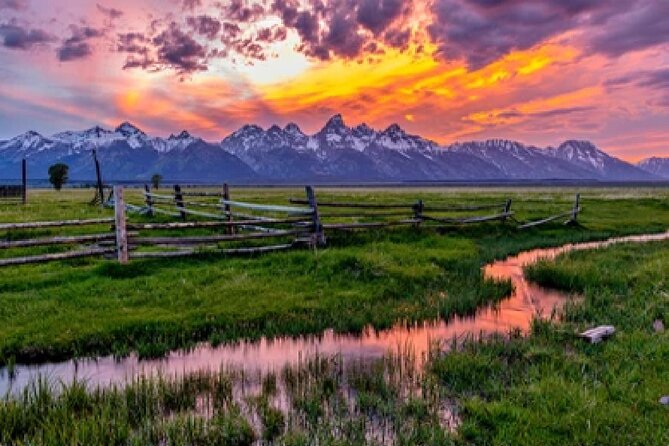
- Mormon Row barns show up in snow-free months for iconic photos
- Naturalist-style stops connect animals to ecology, geology, and park history
Entering Grand Teton for wolves, moose, and real bird action
This safari is interesting because it treats wildlife viewing like a skill, not a hope-and-pray activity. You’re scanning a big piece of Grand Teton National Park, a place where the scenery is dramatic and the animal life is consistent, if you’re there at the right time.
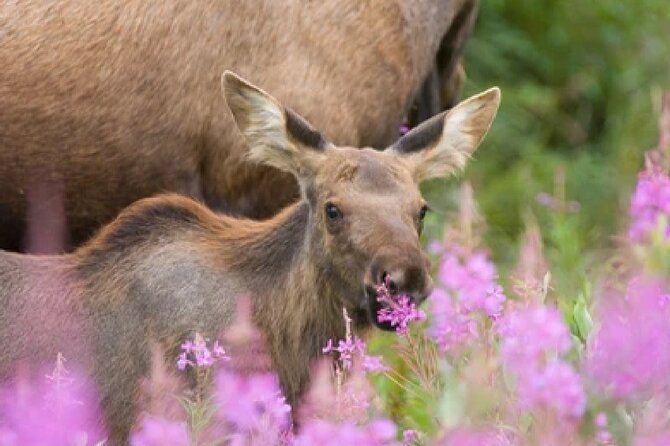
In about four hours, you’re looking for mammals such as elk, moose, mule deer, pronghorn, bison, and wolves, plus birds overhead like bald eagles and other raptors. You might also see bears near the road, depending on what the animals are doing that morning or evening.
The guide work matters here. You’re not just riding past pull-offs. The pauses and the talk help you understand what you’re seeing, whether it’s why a certain area holds birds, how the Tetons shaped the land, or how seasonal changes move wildlife around.
Stack these Jackson Hole options against each other
- From Jackson Hole: Yellowstone Old Faithful, Waterfalls and Wildlife Day Tour
★ 5.0 · 1,557 reviews - Sunset 4-Hour Grand Teton Wildlife Adventure
★ 5.0 · 1,020 reviews - Sunrise 4-Hour Grand Teton Wildlife Adventure
★ 5.0 · 899 reviews
Price and value for a 4-hour park safari at $159
At about $159 per person for roughly four hours, you’re paying for four things that add up fast: a small group, a specialist guide, a safari-style vehicle, and viewing gear.
First, small-group travel is a real value in wildlife time. With a max of 12 travelers, the guide can shift positioning, manage who is looking where, and keep the group from getting separated while they spot an animal.
Second, the included binoculars and spotting scope are a cost saver if you don’t already own them. More important than cost, they change your experience. When animals are across a field or moving into trees, being able to actually see details turns a distant silhouette into a real sighting.
Third, you’re getting snacks, bottled water, and soda, which sounds small until you realize how long you can sit and wait while the guide tracks movement. Finally, the guide’s photo stops are part of the value. You aren’t stuck doing everything yourself while your eyes are searching.
One practical note: national park entrance fees are not included, so plan for that extra cost if you’re driving your own car to a different spot. If your pickup is included, it still may not cover park fees.
Open-air vs enclosed: how the vehicle affects comfort and wildlife viewing
This tour adapts to the season with two different vehicle setups.
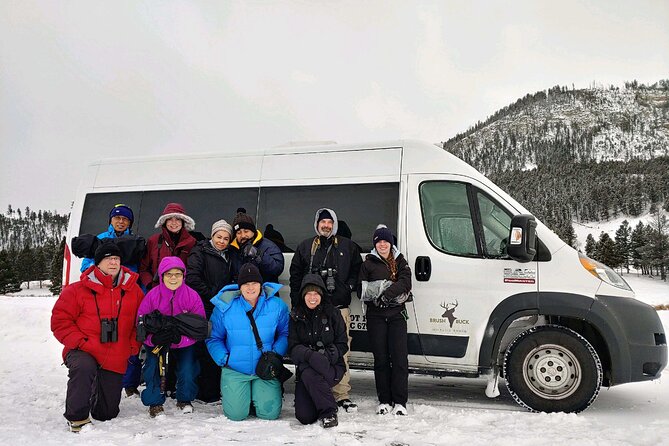
In summer, from June 15 to August 31, you ride in an open-air safari vehicle that’s weather dependent. In winter and shoulder months, September 1 to June 14, you’ll be in an enclosed, heated, and air-conditioned vehicle for comfort.
That difference is not just about cozy seats. Open-air is about feeling the Tetons close to you, hearing the wind, and getting unobstructed sightlines. Enclosed comfort is about staying functional when temperatures drop or weather turns. If you’ve ever tried to spot wildlife while shivering, you know why this matters.
Also pay attention to the season-specific reality: even in summer, it can get cold early or near dusk. Bring layers. Even if the afternoon feels warm, dawn and evening in the Tetons can change quickly.
If you have back problems, summer open-air tours are not recommended. That’s worth taking seriously, because you may be sitting on rugged paths for a good chunk of the ride.
What you’ll do for 4 hours: scanning Grand Teton with a naturalist guide
The core of the safari is a drive and scan session over dirt roads and paved highways inside the park. You’ll start near Teton Village (Jackson Hole area) and ride outward toward woods and viewpoints where wildlife tends to show up.
You’re looking at a park with huge variety, covering about 310,000 acres. Your guide will point out wildlife opportunities and birding zones, since the park is home to around 60 mammal species and over 300 bird species.
Another Jackson Hole day, played differently:
- Grand Teton Half Day Tour
★ 5.0 · 1,067 reviews - Tetons and Snake River Scenic Float Trip In Jackson Hole
★ 5.0 · 1,000 reviews - Whitewater Rafting in Jackson Hole : Family Standard Raft
★ 5.0 · 965 reviews - Snake River Scenic Float Trip with Teton Views in Jackson Hole
★ 5.0 · 864 reviews
Stop 1: Grand Teton and your real wildlife focus
This is the main wildlife leg. You’ll be searching for species that can appear within park boundaries, including elk, moose, mule deer, pronghorn, bison, bighorn sheep, black and grizzly bear, and wolves.
What I like about this setup is the way your guide turns random sightings into patterns you can read. The guide also discusses ecology, history, geology, and culture, so when you see something like a bird of prey overhead, you understand the habitat logic rather than just ticking a species list.
Frequent stops also matter. You can take photos when the guide spots something worth documenting, not just when you ask. And because the group is small, the guide can pull in a way that keeps everyone in a position to see.
Birds: what to watch for during the drive
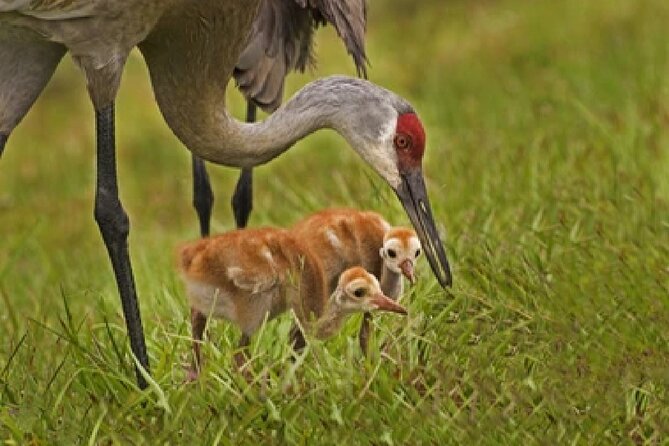
Grand Teton is also a birding paradise, and the tour is built to reflect that. You may spot bald eagles, golden eagles, sandhill cranes, osprey, owls, and hawks.
Bird sightings often come from timing and attention. You might be scanning for wildlife on the ground and then get a sudden eagle reveal above. This is exactly why having binoculars and staying alert through the ride makes a difference.
Mormon Row barns for iconic photos, with season rules you should know
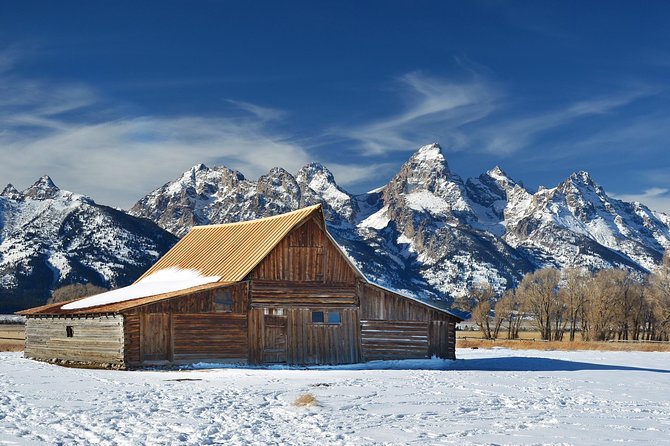
This part of the experience is a nice break from wildlife scanning, and it’s also a reason to go in the right months.
Depending on the date, your safari includes photo stops at historic Mormon homesteader sites.
Stop 2: Mormon Row Historic District (March to November)
If you’re traveling March through November, you’ll stop at the Mormon Row Historic District. This is a classic photo area, tied to Jackson Hole’s early Mormon homesteaders.
You’ll have about 20 minutes here, which is usually enough time to get your main barn shot and a second angle with the Tetons in the background. Since the stop is tied to snow-free months, the tour skips it during December to February due to snow coverage.
Stop 3: T.A. Moulton Barn or John Moulton Barn (March to November)
For the barn photo round two, the guide will stop at either the T.A. Moulton Barn or the John Moulton Barn. Your stop time is again about 20 minutes, and admission is free.
If you’re the type who wants more than one iconic frame, this pair of stops is a big win. Just remember, this is still a wildlife safari at heart. The barns are for photos and history, not for a long wandering break.
If you’re going in winter, plan on losing these barn stops and spending more time on the main wildlife routes instead.
Snacks, binoculars, and photo stops: the “small details” that change your day
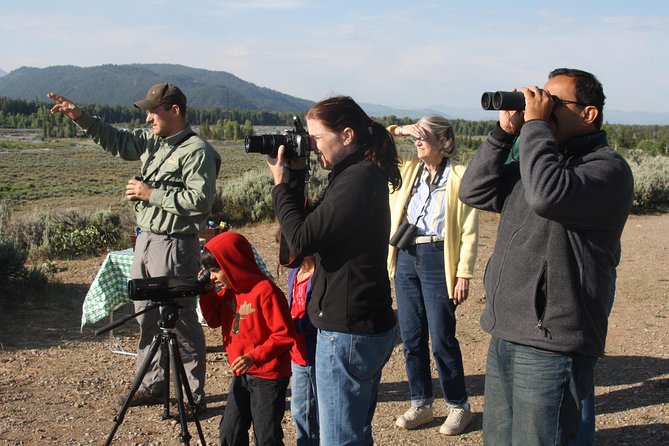
This tour includes more than a ride. You get practical support for a real wildlife hunt.
Included viewing gear
Binoculars and a scope are provided. That matters because wildlife in Grand Teton can be visible but far off. One common frustration in national parks is spotting motion but not being able to confirm what it is. With binoculars, you can tell moose from elk and see what’s happening instead of guessing.
Snacks and drinks
You also get snacks, bottled water, and soda. For a four-hour experience that often starts at dawn or runs into evening, this helps you stay patient without spending time buying food.
Photo help
You’ll have photo stops for wildlife, the terrain, and the scenery. Some guides also help you get better photos by moving the group to viewpoints where animals are most visible.
A smart move before you go: bring your phone charger and make sure your camera settings are ready. When a guide finds something, you want to capture it fast.
Animals are there, but so is the reality check
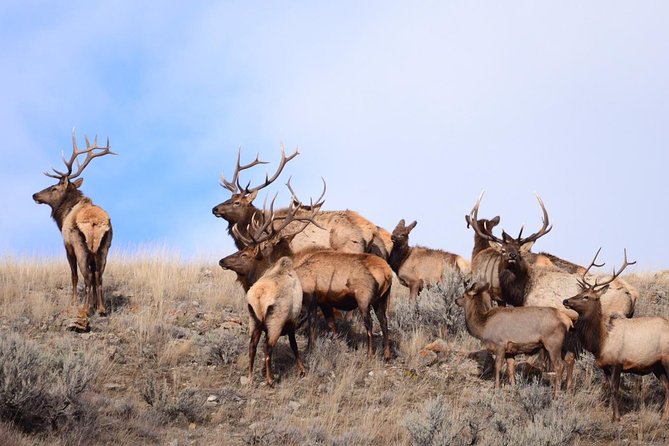
This tour is designed for spotting, but your expectations need to be realistic.
You’re searching for wildlife such as wolves and bears, and you might get lucky. But sometimes you get more of a mix, like elk and moose sightings paired with birds overhead. Sometimes animals are moving and you see them in brief windows.
That’s why the guide’s skill matters. The better guides spot patterns and position the vehicle so everyone can see, instead of just driving until something appears. It’s also why the small group size matters again. With 12 or fewer people, the guide can keep sightlines clean and manage the viewing moments.
One more consideration: early morning and sunset are cold in many months. One reason people love sunrise safaris is also the reason you should dress for discomfort, not comfort. Bring a warm layer, and if you tend to get cold, pack extra.
Guides who make it fun: what their style tends to be like
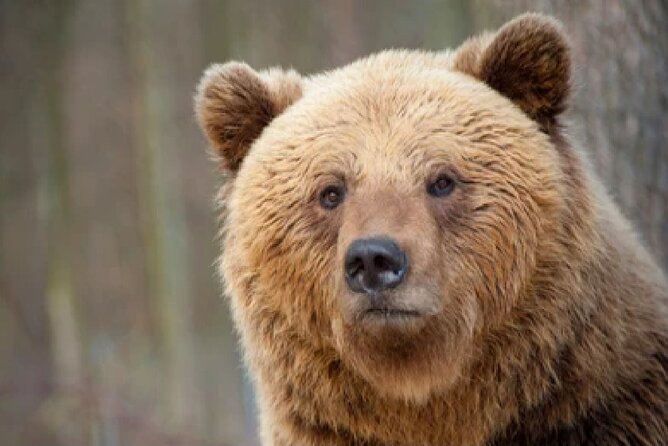
The experience is led by local naturalists and guides, and the best ones do two things well.
They keep the group engaged while you wait. They also explain what you’re seeing in a way that helps your eyes work better the next time you scan.
In past experiences with guides like Kyle, Kelsey, Phil, Anthony, Diego, Ellie, Allie, Cameron, and others, the common thread was energy plus organization. Guides take the time to find animals, keep the group safe, and make sure people can view through binoculars and at scenic stops.
Some guides also share extra viewing tools like a spotting scope. Others are willing to help with photos. If you care about wildlife photography, it’s worth arriving ready to ask the guide what to look for next.
Who should book this safari in Grand Teton
This tour is a great fit if you want:
- a structured wildlife hunt at dawn or dusk
- included binoculars and easy access to animal viewing
- small-group time with a naturalist style guide
- a mix of wildlife and iconic photo stops at Mormon Row during snow-free months
It may not be the best fit if:
- you need a guaranteed checklist of specific animals (no tour can promise wolves or bear)
- you have mobility limits that make long sitting periods hard
- you have back problems and plan to travel in the summer open-air window
Families often enjoy it because the guide can adjust how the group views and often makes sure kids can see the action too.
FAQ
FAQ
How long is the Grand Teton wildlife safari?
It runs about 4 hours (approximately), including time for wildlife scanning and scheduled photo stops.
Do I ride in an open-air vehicle or a covered vehicle?
That depends on the season. Summer tours use an open-air safari vehicle (June 15 to August 31) and fall/winter tours use an enclosed, heated or air-conditioned vehicle (September 1 to June 14).
What wildlife might I see in Grand Teton on this tour?
The tour focuses on spotting mammals like wolves, moose, and elk, plus other possible animals within park boundaries like bear, bison, and deer. Overhead birds like bald eagles and raptors are also part of the hunt.
Are the Mormon Row and barn photo stops included year-round?
No. The Mormon Row Historic District stop is made from March to November, and the same seasonal rule applies to the T.A. Moulton Barn or John Moulton Barn stop. December to February tours do not make those stops.
What’s included in the price?
Transport by the safari vehicle, binoculars and scope use, snacks, bottled water, and soda are included. Hotel pickup is available from November-mid May, and pickup is available in the Jackson Hole area upon request outside those months.
Are national park entrance fees included?
No. National park entrance fees are not included.
Are there age limits for the tour?
Yes. Children 5 years and younger are not allowed.
Can I get a refund if I cancel?
This experience is non-refundable and cannot be changed for any reason. If it is canceled due to poor weather, you will be offered a different date or a full refund.
Should you book this Grand Teton wildlife safari?
I think this is worth booking if you want a guided, structured wildlife hunt in Grand Teton without having to plan every pull-off yourself. The small group size, the included binoculars and scope, and the dawn or dusk timing are the big reasons this feels like more than just a scenic drive.
If you’re going specifically for a bucket list animal, keep your expectations flexible. Even the best guides cannot control where wildlife will be. But if you show up dressed for the conditions, ready to scan, and happy with wildlife and birds plus great photo moments, you’ll get real value from this $159 half-day style safari.
Reviewed most recently around Jackson Hole
- Snake River Scenic Float Trip with Teton Views in Jackson Hole★ 5.0 · 864 reviews
- Sunrise 4-Hour Grand Teton Wildlife Adventure★ 5.0 · 899 reviews
- Whitewater Rafting in Jackson Hole : Family Standard Raft★ 5.0 · 965 reviews
- Tetons and Snake River Scenic Float Trip In Jackson Hole★ 5.0 · 1,000 reviews
- Sunset 4-Hour Grand Teton Wildlife Adventure★ 5.0 · 1,020 reviews
- Grand Teton Half Day Tour★ 5.0 · 1,067 reviews
- From Jackson Hole: Yellowstone Old Faithful, Waterfalls and Wildlife Day Tour★ 5.0 · 1,557 reviews
- Jackson: Grand Teton National Park Guided Wildlife Tour★ 4.8 · 676 reviews
Safari, compared.
Everglades Airboat Safari Adventure with Transportation
Read our review →
3 Hour Off-Road Sunset Safari to Grand Canyon with Entrance Gate Detour
Read our review →
Off the Beaten Path Ketchikan Photo Safari – 3 hr.
Read our review →
Kauai Deluxe Waterfall Safari: Helicopter Tour
Read our review →
Wild Florida Drive-Thru Safari and Gator Park Admission
Read our review →
Wild Dolphin Watching and Snorkel Safari Off West Coast of Oahu
Read our review →Browse the lists this tour appears in