
Reviewed · OAHU TOURS
First-Time Scuba Diving in Honolulu + Free Videos
First-timers get a real chance to learn scuba in Honolulu without the stress. What makes this experience interesting is the friendly, step-by-step setup, starting in calm water and building your confidence fast. I especially like the small-group lesson format and the GoPro video you get at the end, so you leave with both skills and memories. One consideration, though, is that this is usually done in a protected lagoon area, so some days you may see less wildlife than you’d picture for open-ocean reefs.
If you’re the type who wants clear instruction and a guide hovering close by, this fits. You’ll also get a taste of Oahu’s marine life, with a real focus on safety and control rather than showing off. In the feedback I read, instructors like Danny, Alex, Nick, Rida, and Dan come up a lot for being patient, calm, and thorough.
Key things to know before you book
- Small group, up to 16 people, which keeps the class from turning into a crowded cattle-call
- Beginner-focused, no certification needed, so you can go even if scuba is brand new
- A max depth around 15 feet, with a confidence-building start in waist-deep water
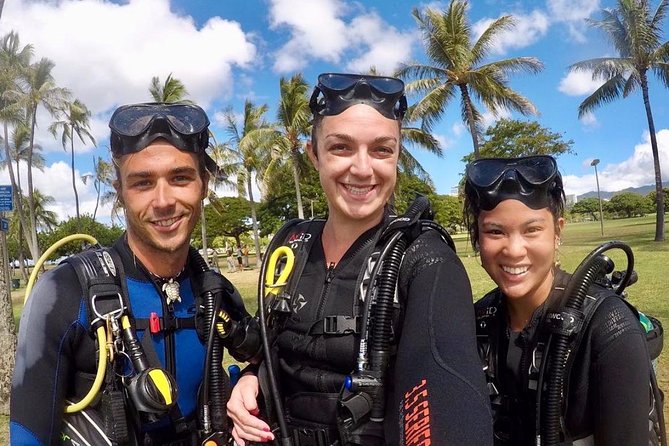
- All gear included, plus a safety seminar and in-water guidance
- GoPro video take-home, and you’ll also get photos and clips shared after the session
- Protected-water expectations, meaning calm conditions but sometimes fewer animals than open water
Honolulu’s try-scuba lesson: why this works for first-timers
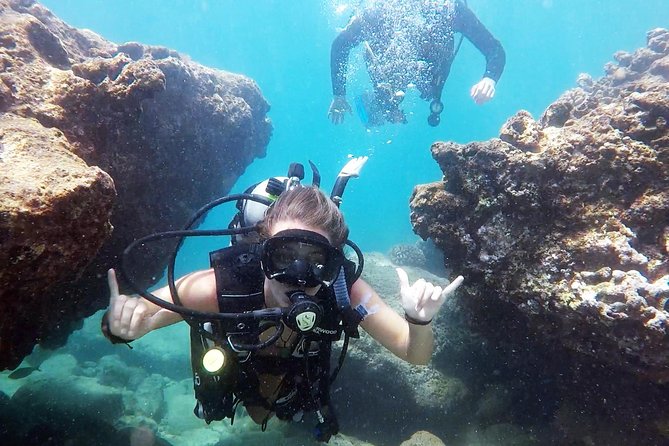
Honolulu is a great place to learn scuba because the water conditions near shore are often friendly for beginners. This session is designed as a low-key skills lesson, not a long, exhausting adventure. You start with instruction on land, get fitted with professional gear, and then work your way underwater in controlled steps.
The heart of the experience is that the guide runs the show. You are not left to figure things out while you’re wearing a heavy mask and fins. You build comfort first, then you go a bit deeper, and you gradually see more sea life as your confidence grows.
Two things make this especially practical for you if it’s your first time. First, you aren’t pushed toward certification. Second, the whole setup is built around a shallow max depth of around 15 feet. That means you can focus on breathing, buoyancy, and staying calm, instead of worrying about what’s happening “out there.”
And yes, you’ll still feel that thrill when you get used to the gear and realize you’re truly underwater. Oahu’s ocean has a way of doing that, even when you’re only going shallow.
Stack these Honolulu options against each other
- Oahu Grand Circle Island and Haleiwa Tour: 9-Hr Deluxe Experience
★ 5.0 · 17,387 reviews - Oahu: Grand Tour Around Island 16 Locations plus Snorkeling
★ 5.0 · 8,669 reviews - Salute to Pearl Harbor Including USS Arizona
★ 4.5 · 7,433 reviews
Price and value: what $89 buys you in real life
At $89 per person for about 1.5 hours, this is priced like a real activity, not a “brief demo.” You get more than just a quick swim. You get a guided scuba experience, all scuba gear included, and a safety seminar before you ever enter the water.
The big value piece is the recorded memory. The tour includes a GoPro video of your session. In addition, many people mention getting photos and clips shared after the lesson, with some receiving files right away by AirDrop. That matters, because underwater photos are the kind of souvenir you can’t easily replicate yourself unless you already own serious gear.
There’s also a “hidden” value in the small-group format. With fewer people in the class, your guide can spend time adjusting your fit, checking your comfort, and giving clear cues. That turns the lesson from a standard activity into an actual learning moment.
One practical note from the tour details: if the camera malfunctions, you don’t get a refund. So if video is your top priority, it helps to go in with realistic expectations that tech sometimes fails.
Where you start: Magic Island Lagoon and the Ala Moana area
You meet at Magic Island Lagoon in Honolulu, then the experience ends back at the meeting point. The itinerary also references the Ala Moana Beach Park area, and in practice you’re really working within that shoreline pocket.
Why this matters: you’ll save energy and stress. You’re not trekking across the island or climbing into a complicated boat process. It also usually means quicker transitions, which is good on a day when you want to keep other plans alive.
Magic Island and the Ala Moana vicinity are known for being beginner-friendly. That sheltered feel is a plus when you’re learning how to manage a mask, fins, and breathing. But here’s the balanced part: sheltered water can also mean there are times when wildlife visibility is less than you imagined. If conditions are a bit murky or the water has barriers nearby, you may see fewer animals than you hoped.
So think of this as an entry-level “get your feet wet, then float around and learn” situation. It’s not marketed as a long open-ocean expedition.
Gear fitting and the safety talk: how they set your comfort level
Before you get into the water, you’ll be fitted with scuba gear and receive an instruction-focused safety briefing. This is where first-timers often feel the biggest difference between a smooth lesson and a chaotic one.
You’ll learn how to wear the equipment properly and how to handle your breathing. You also get the rules for moving safely underwater, and you’re shown what to do if anything feels off. The guide stays with you and provides instructions throughout, which is huge if you tend to get anxious once you’re wearing a mask and feeling the unfamiliar gear weight.
In the feedback I read, a recurring theme is patience. Instructors like Danny, Alex, Nick, Rida, and Dan are repeatedly praised for staying calm and checking in. That tells me the operator understands a key reality: your body does weird things the first time it breathes underwater.
Practical gear notes you should plan for:
- You’ll start in waist-deep water to build confidence, then go deeper once you’re comfortable.
- Glasses cannot be worn under the mask, if prescription glasses are an issue for you.
- Contact lenses are allowed, or you can skip them, since objects appear about 25% closer and larger underwater.
- You’ll need to be able to walk with equipment, so plan for some walking in fins and gear.
Another Honolulu day, played differently:
- Majestic Circle Island Tour with Lunch
★ 5.0 · 7,014 reviews - Oahu’s Ultimate Tour: Dole, Turtle Snorkel, Pali Lookout & More
★ 4.5 · 5,461 reviews - Oahu Circle Island Tour with Turtle Snorkeling – Small-Groups
★ 5.0 · 5,214 reviews - Oahu: Pearl Harbor USS Arizona Memorial
★ 4.5 · 5,209 reviews
Your training time: from waist-deep practice to about 15 feet
The lesson is structured around a confidence ladder. You’ll begin in waist-deep water while you get used to how scuba feels. This is the point where you learn how to breathe steadily and how to avoid panicking when you realize, yes, you are actually underwater.
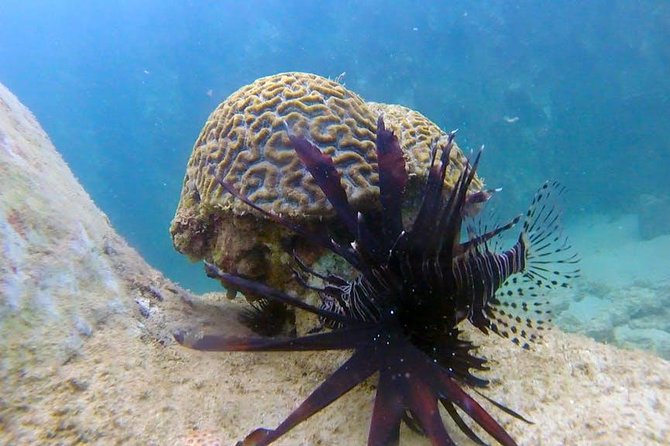
Once you’re comfortable, you’ll move deeper and explore more of the ocean life nearby. The tour data says the max depth is around 15 feet, which keeps the focus on skill-building and viewing wildlife, not on long duration or technical training.
Expect the guide to control the pace. That means you should not be “racing” your own comfort. If you need slower help, that’s exactly why the class is small and why the guide stays close.
A detail I find reassuring is that you do not need a swimming background. You do need to be comfortable in the water, but you are not being graded on freestyle skills. If you can stand, breathe calmly, and listen, you’re already ahead.
One more realistic consideration: conditions matter. The tour requires good weather, and water clarity can vary. So even with the same plan, your exact view of marine life can change day to day.
Marine life you can hope to see in Honolulu waters
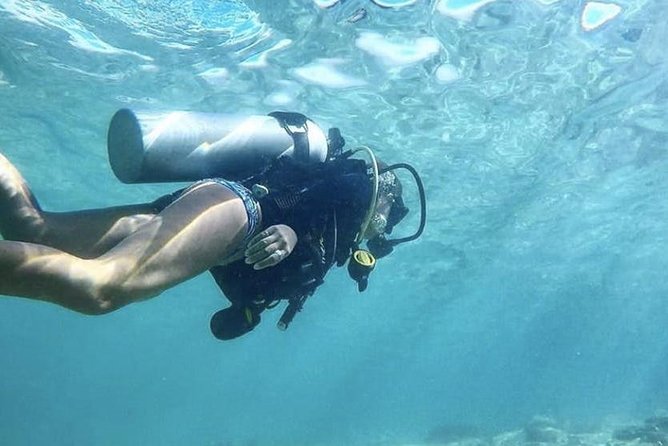
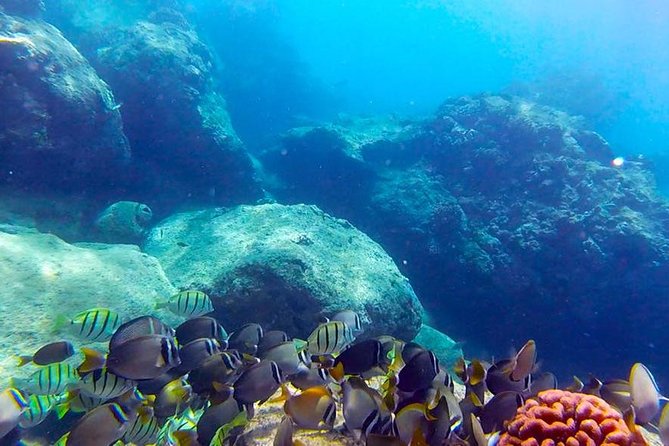
The experience is built around the chance to see Oahu’s tropical ocean life. You’ll be accompanied into the water by your instructor while you look for:
- Green sea turtles
- Octopuses
- Sea stars
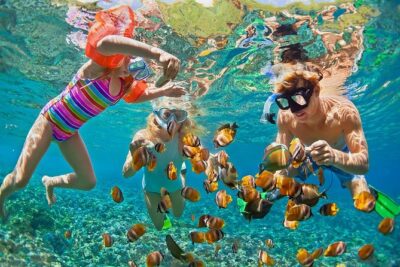
- Colorful tropical fish
- Plus coral and other small underwater life forms you might spot at shallow depths
Does that mean you’ll see all of them every time? Not promised in the tour details. But the whole lesson is designed so you’re not just sinking and hoping. You’ll be guided through where to look and how to move slowly, which is what improves your odds.
One negative note included in the information is that sometimes the protected setup and barriers can limit what’s visible. So keep your expectations flexible. If you see fish and a few animals, that can still be a win for a first-time scuba session, especially at shallow depth.
A helpful mindset: try to focus on what you do see, not on what you don’t. Scuba for beginners is as much about comfort and control as it is about wildlife spotting.
The GoPro video and photos: your take-home proof
One of the biggest reasons people feel good about this kind of first-time lesson is the souvenir. You’ll get a GoPro video of your underwater adventure, and the guide takes videos and pictures throughout.
This matters for you because you’ll likely be too busy learning to fully track what you looked at underwater. A recorded clip gives you something real to review later, and it’s a fun way to share the experience without trying to operate a phone underwater.
Also, many people mention receiving the content quickly after the session, with photos and videos sent via AirDrop. That can make the whole experience feel more polished and memorable.
Just remember the small technical catch: the tour says you receive complimentary videos, and if the camera malfunctions, there is no refund for the tour. So yes, you’re getting the “memories included,” but nothing is 100% guaranteed.
Timing, group size, and why starting earlier can feel better
The tour runs about 1 hour 30 minutes. It’s also commonly booked around 18 days in advance on average, which tells you this isn’t a last-minute throwaway. If you want a particular time slot, you’ll do better booking earlier.
Group size matters here. The tour caps at 16 travelers per booking. That cap is what makes it realistic for the guide to stay with you, adjust your gear, and keep you feeling safe.
Short schedule plus small groups usually means fewer long waits on the beach and more time actually underwater doing the practice you came for.
One last timing note from the provided info: flying within 12 hours after scuba is not recommended. Plan your trip so you’re not immediately hopping on a plane right after the session. Your body needs a little time to settle.
Who this is best for, and who should choose a different option
This is a strong fit if:
- You’re doing your first scuba experience and want instruction that doesn’t assume knowledge
- You want a calmer, low-key water session in Honolulu rather than an all-day plan
- You care about safety, gear support, and staying close to an instructor
- You want a recorded GoPro souvenir at the end
It’s also a great option if you’re traveling with someone who is nervous about getting underwater. The repeated emphasis on patience from instructors like Alex, Nick, Danny, Rida, and Dan suggests the guide style is built for first-timers.
You might want to choose a different activity if:
- You specifically want a long, open-ocean style reef experience with maximum biodiversity
- You’re hoping for a guaranteed turtle or octopus sighting (wildlife is always variable)
- Your schedule includes flying soon after the session
And for the practical side of it: you should have moderate physical fitness, and you need to be able to walk with equipment. You don’t need swimming skill, but you do need comfort being in the water and following cues.
A few smart planning tips so you enjoy it more
Here’s how to set yourself up for a smooth first session.
1) Go in calm. Your biggest skill is staying relaxed while wearing unfamiliar gear. If you feel anxious, that’s normal. The guide is there for exactly that moment.
2) Plan for vision needs. If you rely on prescription glasses, know that glasses cannot be worn under the mask, but contact lenses are allowed.
3) Keep your expectations on the right track. This is shallow by design, around 15 feet max. That’s a feature, not a limitation.
4) Protect the rest of your day. Since the session is about 1.5 hours and you start and end at the same point, you can combine it with other Ala Moana or Waikiki-area activities. Just avoid booking a flight within the next 12 hours.
Should you book this Honolulu try-scuba session?
I think this is a smart booking if you want your first scuba experience to feel safe, guided, and fun, without a lot of complexity. The gear included, small-group size, shallow max depth around 15 feet, and the take-home GoPro video make it strong value for $89.
I’d especially recommend it if you like the idea of learning in calm, controlled water and you’re excited about seeing sea life like fish, sea stars, octopus, and maybe even green sea turtles. If your dream is “maximum reef wildlife all the time,” you may be happier with a different kind of scuba outing.
If you’re on the fence, your best move is to book it with the mindset of learning and enjoying the moment underwater, not chasing a perfect checklist. For first-timers, that’s usually the difference between a good memory and a great one.
FAQ
Do I need scuba certification to do this?
No. The experience is designed for beginners and does not require prior scuba certification.
How deep will I go?
The tour info says the max depth is around 15 feet.
What should I do if I wear glasses or contacts?
Prescription glasses cannot be worn under the scuba masks. Contact lenses are allowed, or you can go without them since underwater magnification makes objects appear about 25% closer and larger.
Do I need swimming experience?
No swimming experience is necessary. You do need to be comfortable in the water.
Where does the experience start and end?
The meeting point is Magic Island Lagoon, Honolulu, HI 96815, and the activity ends back at the meeting point.
Is hotel pickup included?
No. Hotel pickup and drop-off are not included.
What marine life might I see?
The tour mentions possible sightings of green sea turtles, octopuses, sea stars, and colorful tropical fish.
What happens if weather is bad or I cancel?
The experience requires good weather. If it’s canceled due to poor weather, you’ll be offered a different date or a full refund. You can cancel up to 24 hours in advance for a full refund.
Reviewed most recently around Honolulu
- Tribute to Pearl Harbor Arizona Memorial and Honolulu City Tour★ 4.5 · 733 reviews
- Royal Crown of Oahu – 60 Min Helicopter Tour – Doors Off or On★ 5.0 · 755 reviews
- Pearl Harbor Arizona Memorial – Honolulu Tour – Submarine Access★ 3.5 · 767 reviews
- Pearl Harbor, Dole Plantation, and Polynesian Center from Waikiki★ 5.0 · 787 reviews
- Diamond Head Crater★ 5.0 · 943 reviews
- Honolulu: Ka Moana Lūʻau at Aloha Tower – Oceanfront Luau Show★ 4.0 · 1,216 reviews
- Arrival Transfer: Airport Shuttle Honolulu and Waikiki or Cruise Terminal★ 4.0 · 1,242 reviews
- Pearl Harbor: USS Arizona Memorial & USS Missouri Battleship Tour from Waikiki★ 4.5 · 1,445 reviews
Oahu Tours, compared.
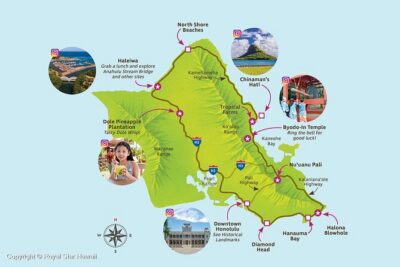
Oahu Grand Circle Island and Haleiwa Tour: 9-Hr Deluxe Experience
Read our review →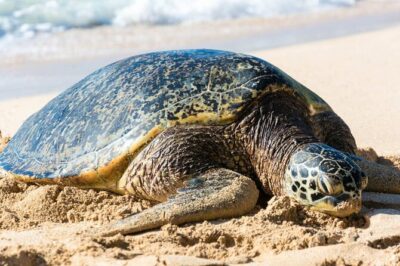
Grand Tour Around Island 16 Locations plus Snorkeling
Read our review →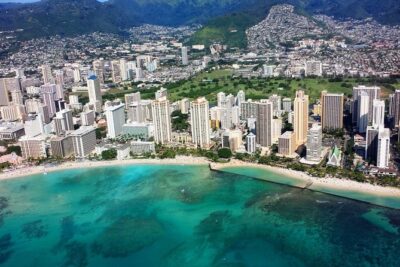
Oahu’s Ultimate Tour: Dole, Turtle Snorkel, Pali Lookout & More
Read our review →
Oahu Circle Island Tour with Turtle Snorkeling – Small-Groups
Read our review →
Browse the lists this tour appears in