Reviewed · FRENCH QUARTER TOURS
New Orleans: French Quarter Food History Walking Tour
New Orleans turns food into a map, and this French Quarter walking tour helps you read it fast. You start on Chartres, cross into the Vieux Carré area, and follow the scent of Cajun and Creole classics from stop to stop.
I really like two things here. First, the food choices cover the big hitters, from gumbo and boudin to pralines and both New Orleans sandwiches, the muffuletta and the po-boy. Second, the guides bring the context, with people like Beth and Mike getting praised for tying what you taste to where it came from and how the city shaped it.
The main drawback to plan for is the set menu. There are no gluten-free, dairy-free, vegetarian, or pork-free options, so if your needs are strict, this may not be the right fit.
Key Things That Make This Tour Worth Your Time
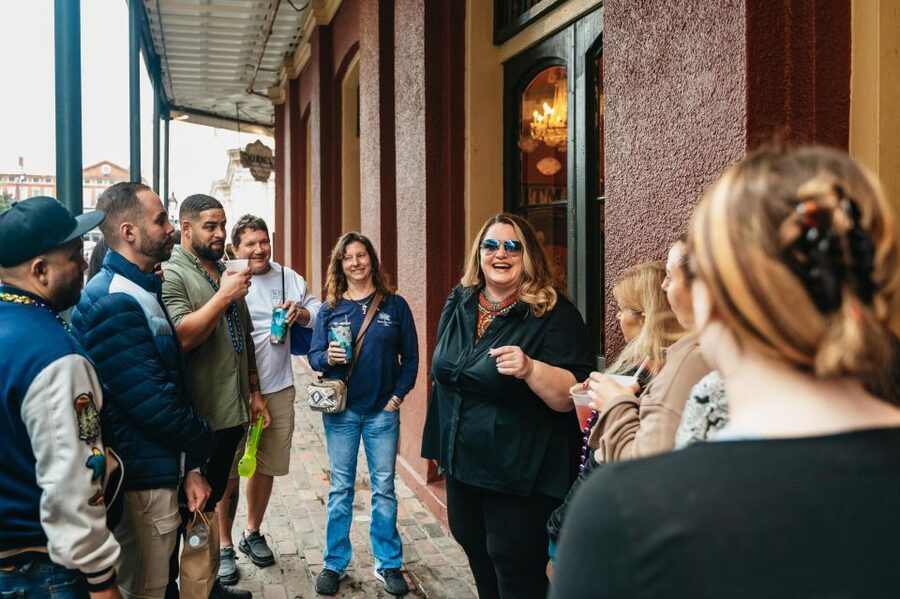
- 9 food samples in about 3 hours keeps your appetite busy without dragging.
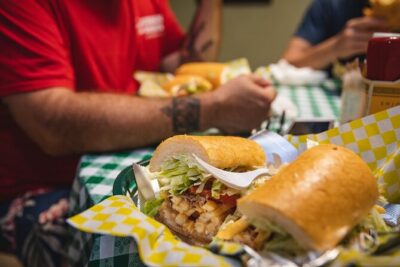
- You get both sandwich styles, muffuletta and po-boy, plus boudin in ball form.
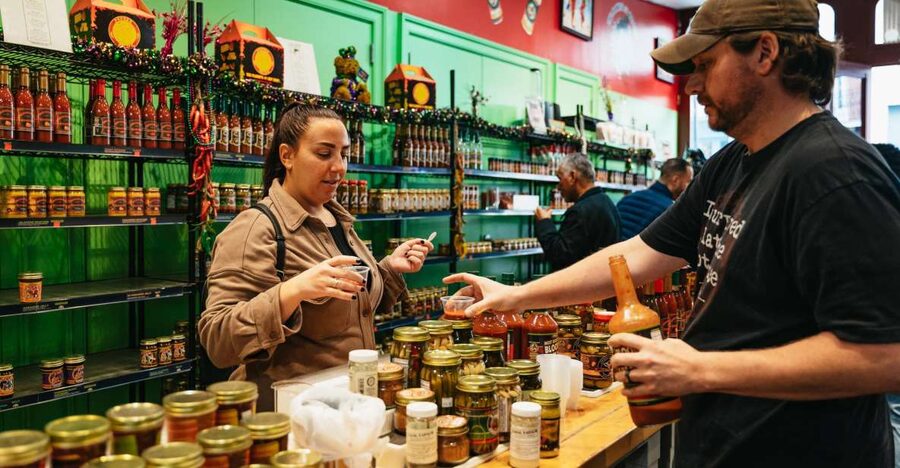
- Expect spice, including a hot sauce bar where fiery options are part of the fun.
- Stops are built around Creole and Cajun roots, not just random restaurant hopping.
- The tour runs rain or shine, so you will still get your walk.
French Quarter Food You Can Actually Taste, Not Just Look At
This is one of those New Orleans experiences where the city’s reputation makes sense only after you eat. The French Quarter is packed with storefronts and chatter, but the food story is what connects the dots.
The best part for me is how the tastings feel intentionally chosen. You start with something savory and soul-warming, move through spice and sweets, and then end on a dessert that lands like a finish line.
You should also know the pace is steady. You do short walks between tastings, plus a couple of longer stroll stretches, so wear shoes that can handle uneven sidewalk stone.
More Food Tours in New Orleans
- New Orleans Food Walking Tour of the French Quarter with Small-Group Option
★ 5.0 · 6,118 reviews - New Orleans Food and History Walking Tour
★ 5.0 · 1,544 reviews - New Orleans French Quarter Food Tour: Cajun, Creole and Culture
★ 5.0 · 1,246 reviews
What You Get for $85, and Why It Can Be Good Value
At $85 per person for a 3-hour walking tour, you are paying for three things: a guide, organized access to multiple eateries, and a set list of tasting portions.
For this price, you should expect:
- A guided route through the French Quarter
- Up to 9 food samples
- Water included
- Tips to servers or waitstaff included
You are also not paying for extras like alcohol or soft drinks, so budget for that if you want a drink. Still, if you compare what it would cost to buy several dishes and desserts on your own, this can feel like a shortcut to a full meal’s worth of variety.
One more value note: you do not just get food. You get the explanation of why it matters. That is the part that turns a sampling night into something you can talk about later.
The Route: From Chartres to the Vieux Carré, Then Back Close to Home Base
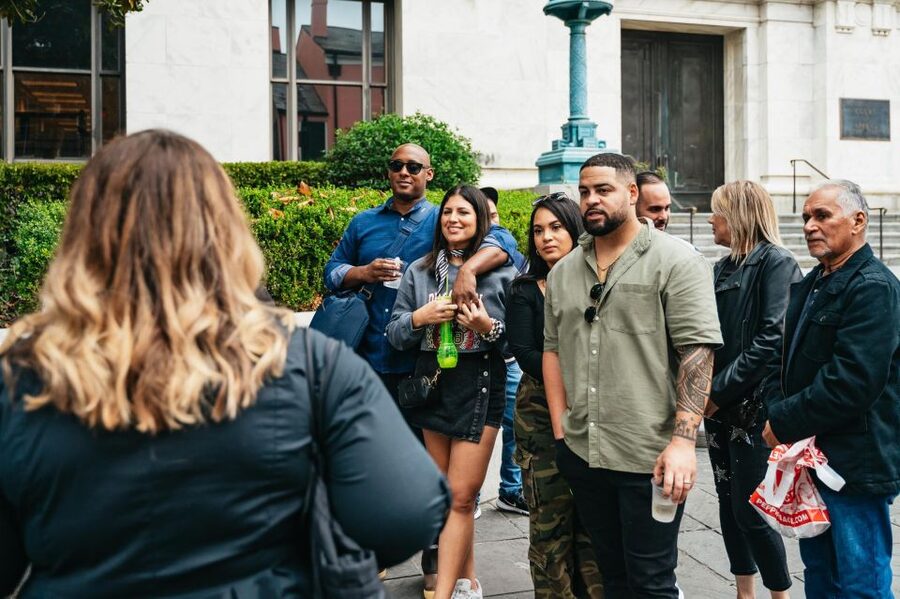
Your tour begins at 316 Chartres St, inside the 3rd Block Depot restaurant area. From there, you cross Vieux Carré (Old Square) to reach the first food stop.
The walking is broken up with quick transfers on foot. Expect a few short stretches, including around 5 to 10 minutes between some stops, plus at least one longer walking leg. Nothing here is designed to be a hike, but you do want comfortable footwear for the full three hours.
You finish on Toulouse St. The operator also states the activity ends back at the meeting point, so you should plan on returning to the same general Chartres area rather than ending somewhere far across town.
Stop 1 at SoBou: Gumbo With Warm Potato Salad as the Opening Act
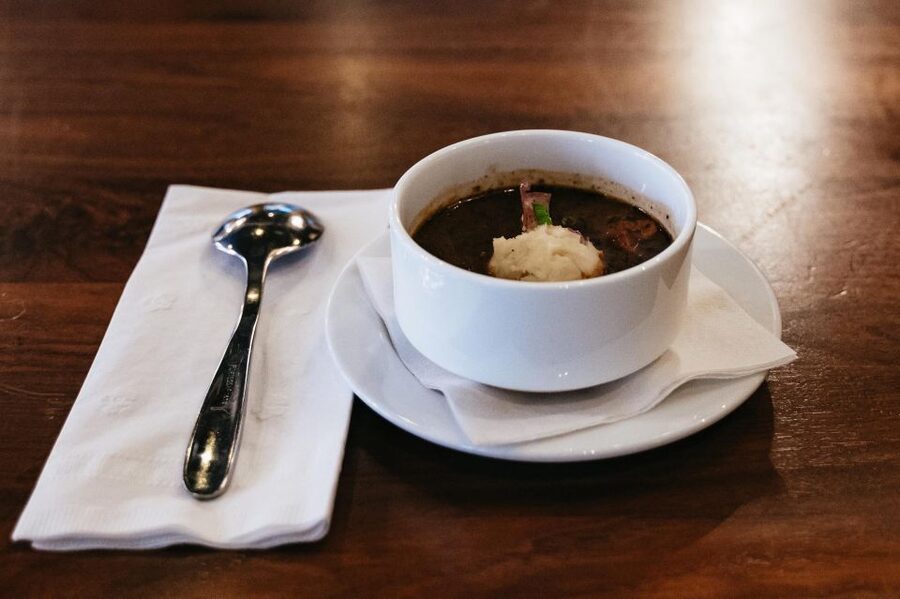
The first bite sets the tone. You head to SoBou, part of the Commander’s Palace enterprise, and start with a rustic Cajun-style gumbo served with warm potato salad.
Why this works as a start:
- Gumbo is a Louisiana anchor dish, so you taste something you will hear about everywhere.
- The warm potato salad adds a comforting contrast and helps the spice land better.
- It gives you a savory baseline before you start trying sweetness, sauce, and sandwiches later.
The only downside is straightforward. If you do not enjoy thick, hearty stews, this opening stop might feel heavy. But for most people, it is the kind of first dish that makes the rest of the tour feel even tastier.
More Historical Tours in New Orleans
- New Orleans Garden District History Walking Tour
★ 5.0 · 2,879 reviews - French Quarter Historical Sights and Stories Walking Tour
★ 5.0 · 2,724 reviews - New Orleans Small-Group Haunted History Carriage Tour
★ 4.5 · 2,289 reviews - New Orleans Haunted History Ghost Tour
★ 4.5 · 2,084 reviews
The Hot Sauce Bar and Leah’s Pralines: Heat, Then Sweet
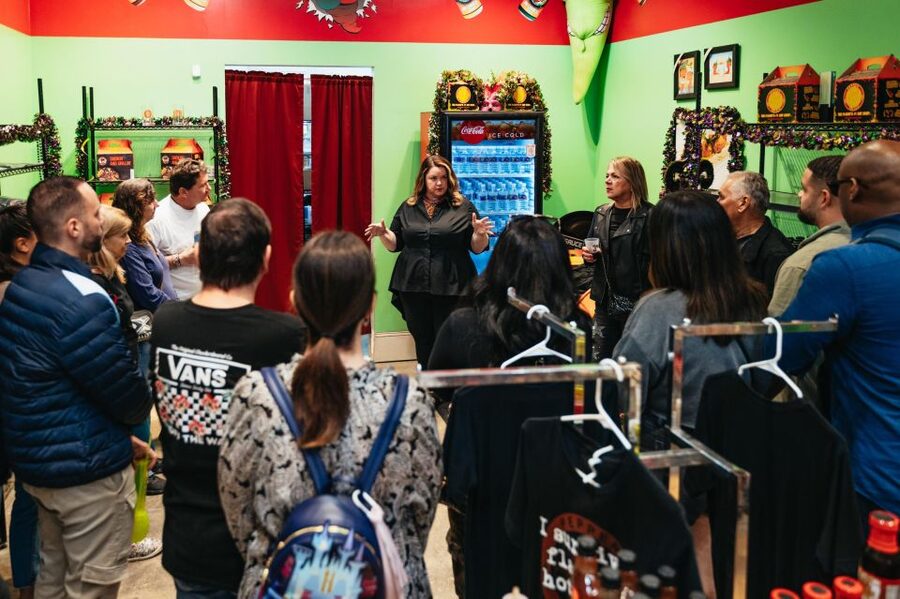
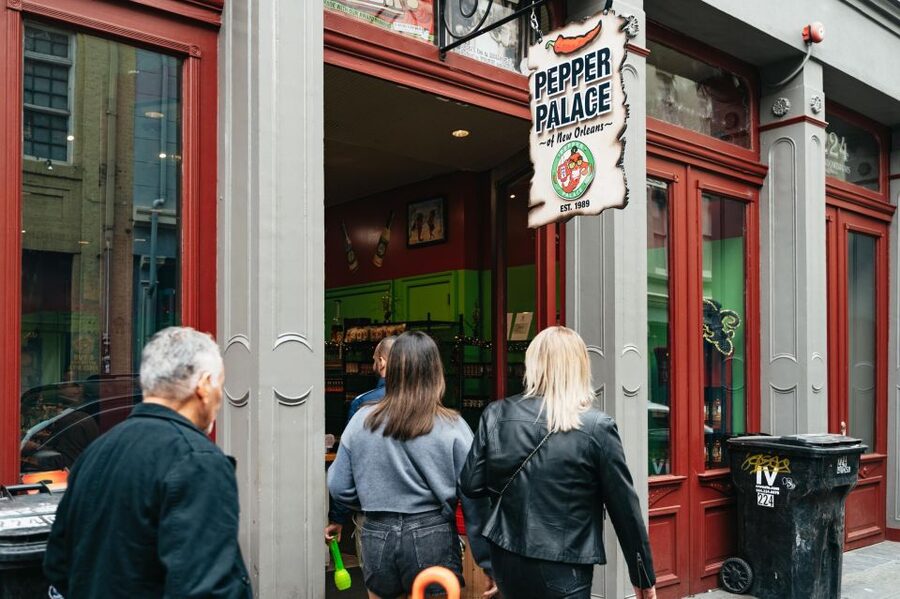
After gumbo, you move into the kind of stop New Orleans does best: a hot sauce bar where you can sample dozens of fiery varieties.
This is where you should lean into curiosity, but also use caution. If you know you are sensitive to spicy flavors, start with small tastes. One of the practical tips you will hear from people is that the salsa and hot sauce options can be intense, and you may want a strategy for how much to try at once.
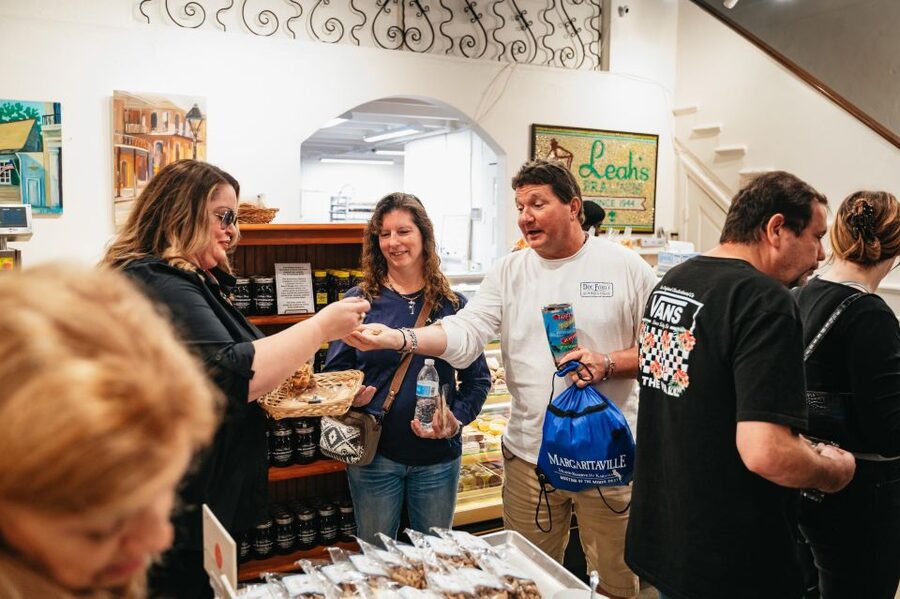
Next comes Leah’s Pralines. You can sample a classic Creole praline or go for something like bacon pecan brittle.
This stop is more than dessert snacks. It is a look at how New Orleans blends sweet and savory into something that feels local, not gimmicky. If you like candy shops that offer more than one personality, this is the right place to spend your tasting attention.
NOLA Poboys: Catfish Po-Boy and the Seafood Tradition
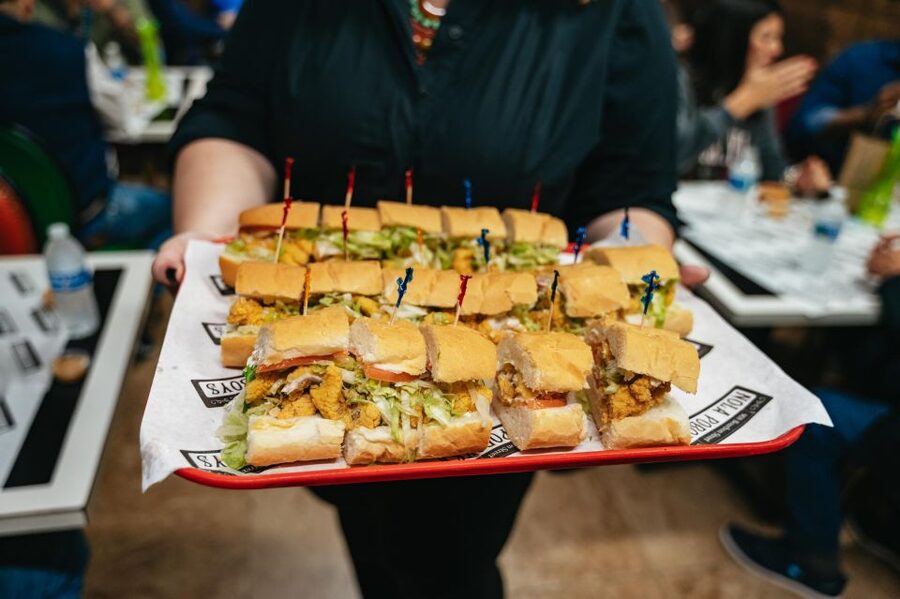
Then you hit NOLA Poboys and learn more about Louisiana’s seafood tradition before biting into a freshly fried catfish po-boy.
The po-boy matters because it is not just a sandwich. It is a New Orleans institution, the kind of food that shows up when locals want something satisfying and familiar.
Why the catfish choice stands out:
- It leans into the Louisiana seafood identity.
- The sandwich format keeps it easy to eat while you stay on the move.
- Fried catfish pairs naturally with the heat you tasted earlier, so the flavor arc makes sense.
If you are not a seafood person, this may still be worth trying in a small tasting portion, because the experience is as much about the local style as it is about the ingredient.
Muffuletta and Boudin Balls: Two More Originals in One Stretch
Next you get another New Orleans original: the muffuletta sandwich, plus boudin balls.
This is a good combo because it contrasts two different types of comfort food:
- The muffuletta is all about the hearty sandwich build.
- Boudin balls bring the sausage-style flavor profile in bite-sized form.
One practical point: by this stage, you are stacking up savory tastes. Pace yourself, and save your focus for the bite that you want to savor most. The tour is designed so you do not leave hungry, but the best approach is still to slow down and enjoy each tasting.
Creole Cookery: Red Beans and Rice That Feels Like a Whole Meal
At Creole Cookery, you tuck into red beans and rice.
This stop is a reset after the sandwich and finger-food flavors. Red beans and rice is filling, familiar, and a dish that helps you understand Creole cooking as everyday comfort, not just restaurant spectacle.
It also pairs well with what comes next. By the time you reach dessert, you will appreciate the contrast between savory and sweet instead of feeling like you ate only sugar for the last leg.
Bananas Foster Bread Pudding: Ending Sweet Without Overdoing It
To close, you finish with bananas foster bread pudding.
It is the kind of dessert that feels New Orleans in spirit: warm, syrupy, and meant to be shared or slowly eaten. This last stop is where the tour’s pacing pays off, because you end on something indulgent instead of finishing with another savory item that could make the final stretch feel too heavy.
Pace, Group Vibe, and How to Enjoy the Walk
This is a walking tour through the French Quarter, which means you get two experiences at once: the food and the neighborhood feel.
From the feedback style around this tour, the guide quality is a huge part of the outcome. People talk about guides like Beth, John, and Gary for being engaging and for keeping the flow moving. The strongest guides also take questions as you go and offer extra suggestions for what to do after the tour, which is useful when you still have half your trip left.
As for your own comfort:
- Wear shoes you trust for uneven sidewalks.
- Bring patience if it’s crowded around the Quarter, because the city does not slow down for your schedule.
- Use the water included to space out your bites, especially after tasting hot sauce.
Who This Tour Suits Best, and Who Should Think Twice
This tour fits well if you want a guided way to sample major New Orleans foods without planning each stop yourself.
It is a strong match for:
- First-timers who want a clear introduction to Creole and Cajun staples
- Food lovers who want both sandwiches and a mix of savory and sweet
- People who like history explanations tied to what they eat
It is less suitable if you:
- Need gluten-free, dairy-free, vegetarian, or pork-free options, because the tour uses a set menu with no specified alternatives
- Want a vegan-only route, because it is not set up for that either
- Have mobility impairments that make walking hard, even though the tour lists wheelchair accessibility in the description, the operator also notes it may not be suitable for people with mobility impairments
Practical Tips Before You Book
A few things will help you enjoy this tour more once you are on the street.
1) Expect spice, even if you think you are fine with it
The hot sauce bar is a key stop. Start small, taste slowly, and decide your comfort level fast.
2) Come hungry, then plan no heavy dinner
The tour is designed with enough tastings that many people treat it as a meal. If you try to stack a full dinner right afterward, you will likely regret it.
3) Ask about allergies before you go
The tour asks you to notify the provider of food allergies when booking. If your issue is an allergy rather than an aversion, make sure the provider gets the details early.
4) Know that you might want a drink during the tour
Some stops have fully stocked bars if you want to buy a beverage. Alcohol and soft drinks are not included, so plan your spending if you want that option.
Should You Book This French Quarter Food History Tour?
I think you should book if you want an efficient, guided way to eat your way through major New Orleans favorites in about three hours, with a good mix of savory and sweet and enough tastings to count as a full food experience.
Skip it, or at least think hard, if you need dietary flexibility. With a set menu and no gluten-free, dairy-free, vegetarian, or pork-free option, your choices may be limited.
If you are open to tasting a lot, including hot sauce and classic sweets, this tour is one of the more practical ways to get the French Quarter’s food identity without spending your day researching where to go.
More of the French Quarter
- Ghost and Vampire Walking Tour Of The French Quarter
★ 4.5 · 2,406 reviews - New Orleans City Tour: French Quarter, Garden District & Cemetery
★ 4.5 · 2,209 reviews - French Quarter Walking and Storytelling Tour
★ 4.7 · 1,251 reviews - New Orleans French Quarter and More Carriage Ride
★ 5.0 · 1,141 reviews
More Walking Tours in New Orleans
- New Orleans Premier Ghost, Voodoo and Vampire Walking Tour
★ 4.5 · 12,856 reviews - St. Louis Cemetery No. 1 Official Walking Tour
★ 4.5 · 3,941 reviews - New Orleans French Quarter, Voodoo and Culture Walking Tour
★ 4.5 · 2,961 reviews - New Orleans Haunted Ghost, Voodoo & Vampire Walking Tour
★ 4.5 · 2,731 reviews
Reviewed most recently around New Orleans
- New Orleans True Murder Tour: Sinister Criminal Intentions★ 5.0 · 729 reviews
- Honey Island Swamp Boat Tour★ 5.0 · 750 reviews
- Jean Lafitte 90-Minute Swamp and Bayou Boat Tour★ 4.5 · 762 reviews
- French Quarter Walking Tour With Comp 1850 House Museum Admission★ 5.0 · 781 reviews
- New Orleans Cocktail and Food History Tour★ 5.0 · 819 reviews
- New Orleans Lewd Spirits Haunted Tour with Bar Stops★ 5.0 · 823 reviews
- VIP Jazz Dinner Cruise with Private Tour and Open Bar Option★ 4.5 · 838 reviews
- Sunday Jazz Brunch Cruise in New Orleans★ 4.0 · 889 reviews
French Quarter Tours, compared.
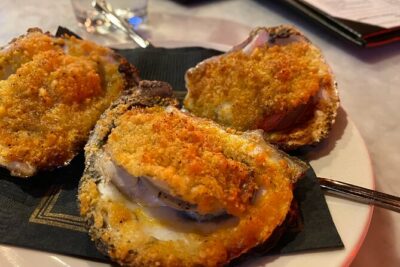
New Orleans Food Walking Tour of the French Quarter with Small-Group Option
Read our review →
New Orleans French Quarter, Voodoo and Culture Walking Tour
Read our review →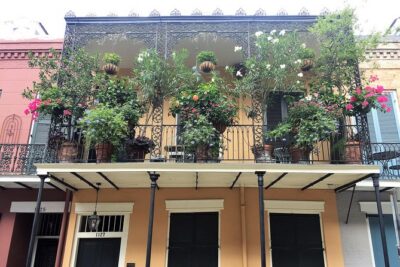
French Quarter Historical Sights and Stories Walking Tour
Read our review →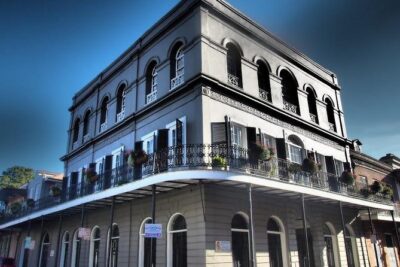
Ghost and Vampire Walking Tour Of The French Quarter
Read our review →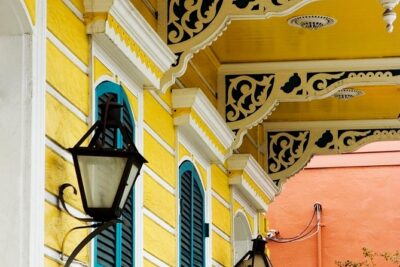
New Orleans City Tour: French Quarter, Garden District & Cemetery
Read our review →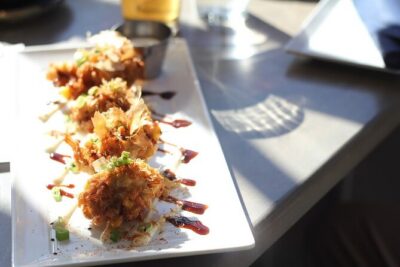
Charleston French Quarter or Brunch Food Tour with 7+ Tastings
Read our review →