
Reviewed · MUSEUMS
Nashville: Country Music Hall of Fame and Museum
Country music isn’t just songs, it is voices, fashions, instruments, and the culture around the stage. The Country Music Hall of Fame and Museum turns all of that into a self-guided walk through history, so you control what you slow down for.
I especially love two things. First, the museum layout makes it easy to bounce between listening stations and hands-on-ish storytelling like photo archives, instruments, fashion, and films. Second, the walk ends at the Hall of Fame Rotunda, where the plaques feel like the point of the whole museum.
One drawback to plan for: the place can feel crowded at certain times, so if you hate shoulder-to-shoulder viewing, aim for an earlier arrival or expect a little squeezing.
Key things I’d prioritize
- Self-guided pace: You can move at your speed instead of herding you through stops.
- Audio and visuals together: Listening stations, photo archives, and films connect the sounds to the stories.
- Taylor Swift Education Center access: Included entry to the major education-focused part of the museum.
- Hall of Fame Rotunda payoff: Finish with the plaques and take in the scale of the honor.
- Interactive programming shows up too: You get access to special programming, like instrument and songwriting activities when offered.
Why This Nashville Museum Feels More Like a Story Walk Than a Typical Exhibit

If you picture a history museum as rows of glass cases, this one will surprise you. The Country Music Hall of Fame and Museum is built so the story of country music unfolds through multiple formats: text panels, artifacts, recordings, and archival footage. That means you are not just reading about famous names, you are also hearing how styles changed and why certain artists mattered.
What I like about that approach is that it helps you understand the “why.” Country music did not pop out of nowhere. It grew through traditions, regional scenes, evolving instruments, and the people who dressed for the stage. Here you can trace those changes in a walk that feels logical, even when the details get big.
This is also a good value play for Nashville. For one ticket, you get access to the Hall of Fame Rotunda and several major parts of the museum, including the Taylor Swift Education Center and other named exhibits. If you are short on time and want one place that covers old-school roots and more modern influence, this is a strong choice.
More Museums in Nashville:
- Country Music Hall of Fame and Museum Admission
★ 4.5 · 1,918 reviews - NYC: 9/11 Memorial & Museum Timed-Entry Ticket
★ 4.8 · 31,428 reviews - NYC: Empire State Building Tickets – Observatory & Museum
★ 4.7 · 25,757 reviews
Self-Guided Tour Timing, What to Expect, and How Long to Block

This visit is self-guided. That is great if you do not want to match your pace to a group. You also do not need to “perform” a tour, you can linger at the parts that grab you.
How long should you plan? Reviews and common sense point to a wide range. Some people finish in around two hours, but others recommend at least three hours because the museum is large and there is a lot to see and listen to. My advice: plan half a day if you want a relaxed route, and plan 2 to 3 hours if you are more focused on the big highlights and photos.
A useful way to think about it:
- Start fast enough to get your bearings, then
- Pick a few theme areas to go deeper, then
- Save energy for the Rotunda at the end.
Also note that the experience includes audio support through handheld speakers, so you can hear recordings and move at your own tempo without missing the context.
A practical start point
Begin inside the museum at the information desk at 222 Rep John Lewis Way S, Nashville, TN 37203. If you are arriving without a lot of planning, starting there helps you find the major galleries quickly.
The Museum Stops That Do the Most Work for Country Music Fans
The museum’s highlights are basically your itinerary, even though it is self-guided. You will move between photo archives, listening stations, and films, and you will see how lyrics, instruments, and fashion shaped country music over time.
Here are the parts that tend to matter most, and what you should look for at each.
Stack these Nashville options against each other
- Nashville Hop On Hop Off Trolley Tour
★ 4.5 · 5,643 reviews - Nashville: Food Tour with 5+ Tastings of Local Delicacies
★ 5.0 · 2,704 reviews - Best of Nashville City Sightseeing Tour on Double Decker Bus
★ 4.5 · 2,601 reviews - Explore the City of Nashville Sightseeing Tour by Golf Cart
★ 5.0 · 2,544 reviews
1) Lyrics, instruments, and fashion as your map
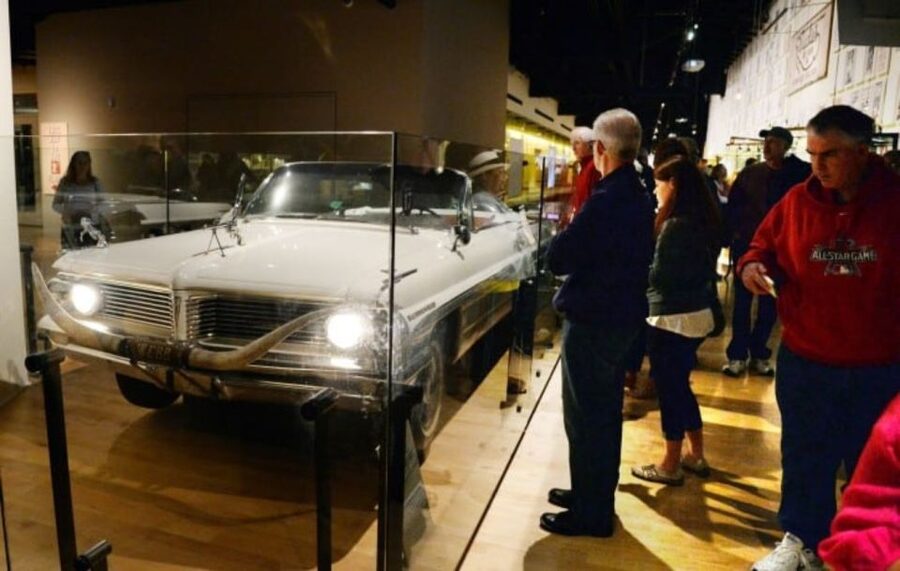
One of the most effective ways to learn country music history is through the “stuff” people used to make the music. The museum highlights lyrics, instruments, and fashion because these are visible clues to eras, audiences, and performance styles.
When you see costume items and fashion choices in display cases, do not treat them like trivia. They are part of how an artist built an identity. In country music, image and stage presence are not separate from the song, they are part of the package.
If you have ever wondered why certain looks and sounds became associated with particular types of country music, this section helps you connect the dots.
2) Photo archives and the behind-the-scenes vibe
Photo archives can be a hit-or-miss experience in museums, but here they work because they support the audio and the film segments. When you see images from specific eras, the recordings you hear right next to them make more sense.
You can use photos like a timeline. If you find an era that grabs you, follow it forward and back a bit, instead of trying to read every panel equally. That strategy keeps you from getting overwhelmed.
3) Listening stations that let you hear the change
Listening stations are one of the big reasons people walk through this museum longer than they expected. The stations help you notice differences in vocal style, instrumentation, and production choices without needing to be a music expert.
When you encounter a station, do not just sample. Listen for a full minute, then read the context panel. It is that combo that turns sound into story.
4) Engaging films to connect the timeline
The museum also uses films as transitions. Even if you do not watch every second, the films help you understand how the “history of country music” ties together across decades.
If you catch a film and it is showing an overview topic, I suggest watching most of it. The film usually explains what you are about to see next in the galleries.
Taylor Swift Education Center: Included Entry and What It Means for Your Visit
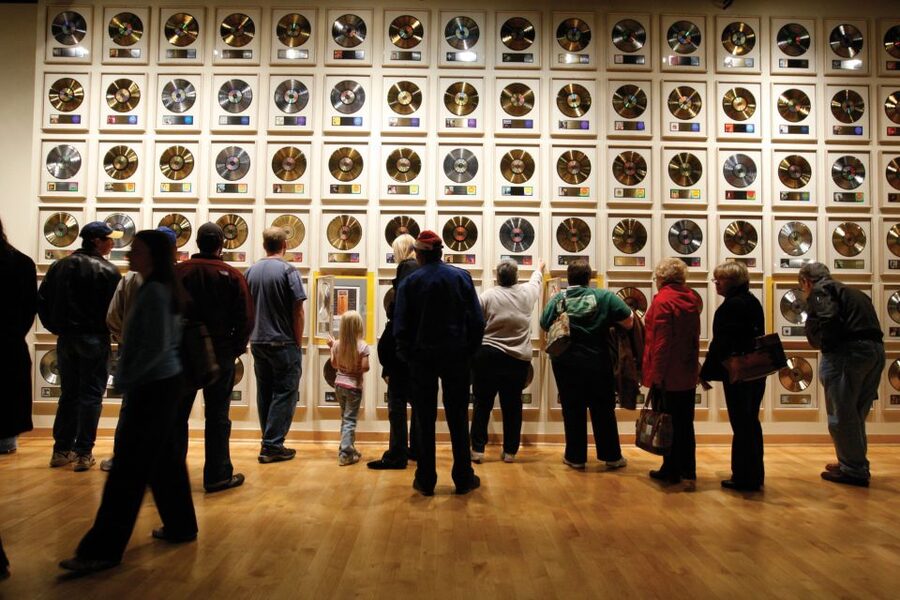
The Taylor Swift Education Center is included with your admission, which is a big deal because it is not an optional add-on. You should expect this area to focus on learning and participation rather than just observation.
The museum notes that you can stop by for instrument and songwriting programs on weekends, and there can also be panel discussions. That is how the museum brings modern country storytelling into the building in a hands-on way.
Even if you are not a Taylor Swift superfan, this section can still be worth your time because the activities are designed to teach you how songs are made and how musicians build their sound.
How to use this if you are planning
Because your visit is self-guided but programming may have schedules, try to build in time for the Education Center early enough that you are not rushing at the end. If the museum is busy, you may have to wait a few minutes for an activity or for viewing space.
Also, because the ticket includes access to this major part of the museum, you can treat it like a guaranteed “anchor stop” in your itinerary.
American Currents and Hatch Show Print Haley Gallery: Fit Them to Your Interests

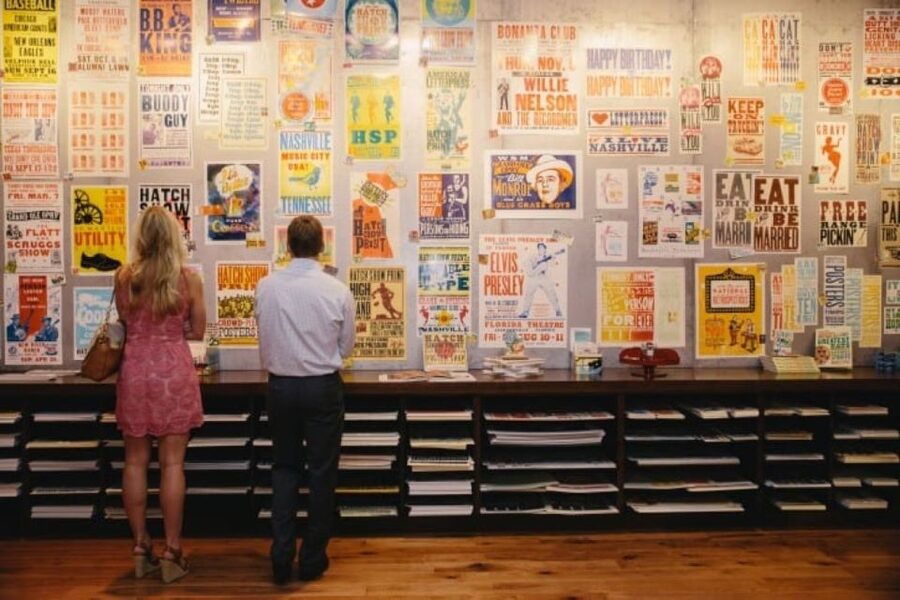
Your admission includes entry to the American Currents exhibit and the Hatch Show Print Haley Gallery.
The key practical point here is simple: since those areas are included, you do not need to decide in advance whether they are your favorite topics. You can walk through based on what you find most interesting in the moment.
If you are a design and memorabilia person, galleries like these often reward slow looking. If you are more into music sound and artist stories, use them as palate cleansers between heavier history sections.
I treat these included exhibits like flexible blocks. If you have time, they are part of the value. If you are running short, the museum still has a lot of core content that makes the ticket worthwhile.
The Hall of Fame Rotunda: The Moment the Museum Builds Toward
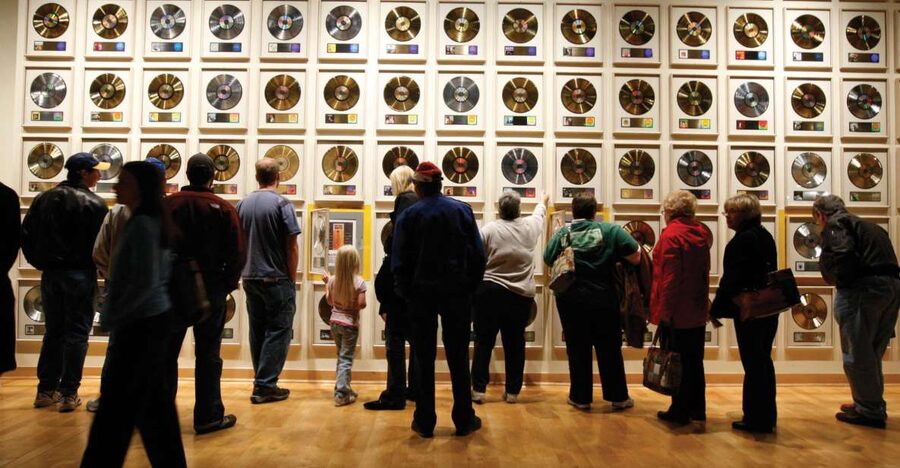
Many music museums end without a clear emotional finish. This one does not. The walkthrough concludes in the Hall of Fame Rotunda, which is designed for the big payoff: you view the artists’ plaques who have earned Country Music’s highest honor.
That Rotunda moment matters because it changes your mindset. Up to this point, you are learning names, eras, styles, and stories. Then you get a visual list of recognition, like a final exam answered with real artifacts and real acknowledgment.
If you care about the “who mattered” question in country music, this is the area where it clicks.
Want the best Rotunda experience?
Plan to arrive there with some energy left. Do not spend all your time at the first exciting stations and then rush the Rotunda at the end. The Rotunda is the place you will likely want to pause, read plaques, and take it in without feeling behind.
Price and Value: Is $31 Worth It?
At $31 per person for a 1-day admission, the value depends on two things: whether you will actually spend time inside, and whether you like museums that connect sound, image, and history.
The reason I think it is solid value is that your ticket does more than get you into “one room.” It includes:
- A self-guided tour through the museum galleries
- Access to special museum programming (with chances to play an instrument, watch artist interviews, and songwriting programs depending on what is scheduled)
- Entry to the Taylor Swift Education Center
- Entry to the American Currents exhibit
- Entry to the Hatch Show Print Haley Gallery
- Entry to the Hall of Fame Rotunda
So even if you end up spending only two hours, you are still getting multiple major sections. And if you stay longer, the ticket stays worth it because the museum has enough depth to keep you engaged.
Practical Tips That Make the Difference
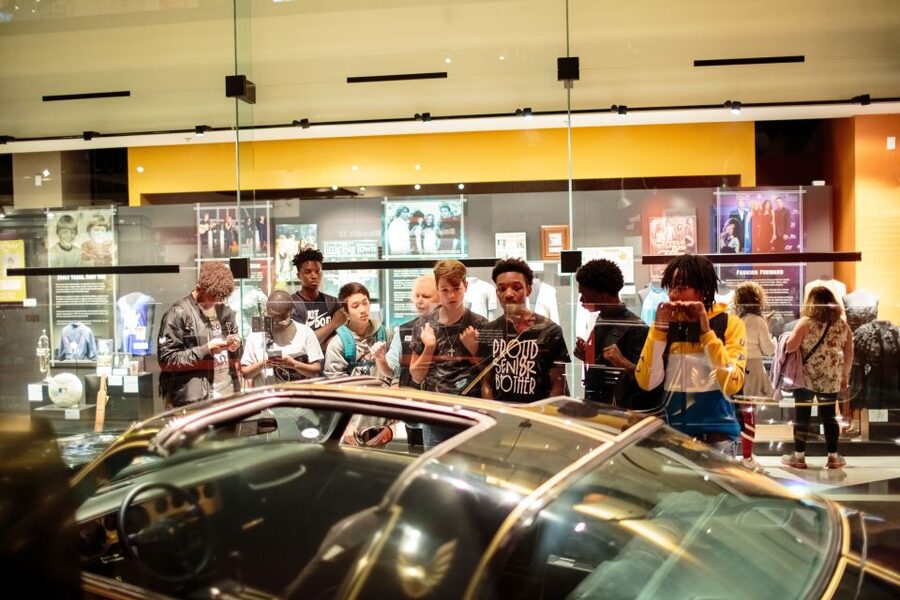
Here are a few things I’d do to make your visit easier and more enjoyable, based on what can trip people up.
Go ready for rules around bags and food
Food and drinks are not allowed. Also, luggage or large bags are not allowed. That means you should travel light and plan to eat outside the museum.
If you are used to museum visits where you snack mid-walk, adjust your plan. Treat the museum like a focused stop, then eat once you leave.
Dress for the museum’s real-world comfort
One review note mentioned the museum can feel very hot. I cannot promise your personal experience will match that, but I recommend wearing layers that you can adjust, and keep water plans for outside the building.
Time your arrival to manage crowds
The museum can get busy, especially in the afternoon. If you prefer breathing room, plan an earlier start. If you do not mind crowds, later in the day can still work, just expect more noise and movement around popular exhibits.
Let the museum lead your route
Because it is self-guided, you can pick your flow. I like this strategy:
1) Get your bearings quickly.
2) Spend real time at listening and film segments.
3) Take a break if the room is packed.
4) Finish in the Rotunda.
That structure helps you avoid the common mistake of burning out before the best part.
Who Should Book This Nashville Hall of Fame Visit?
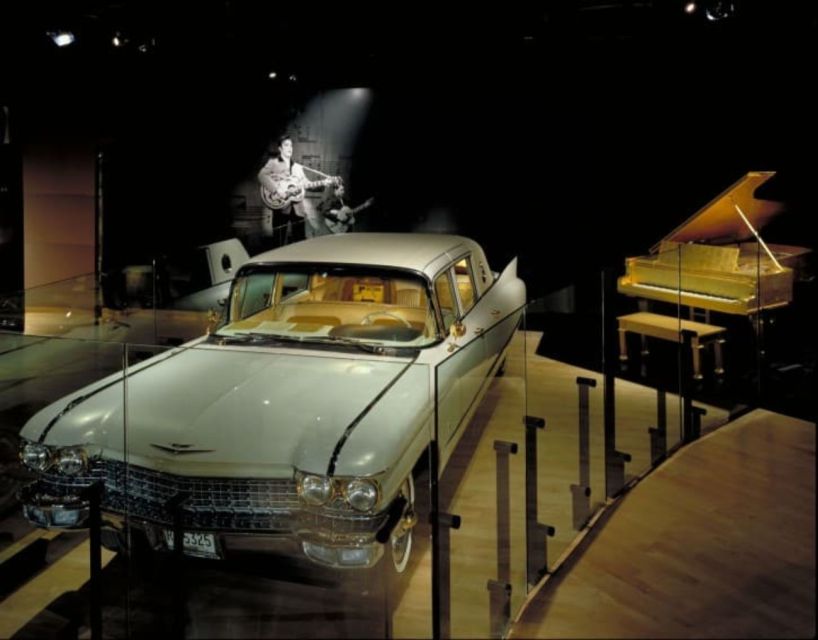
This is an easy match if you:
- Love country music across eras, including classic styles and modern artists
- Want a museum that uses audio and visuals, not just reading
- Like memorabilia, instruments, and performance fashion as part of the story
- Prefer self-guided flexibility
It is also a solid pick if you are not country music-only. The museum’s format gives you multiple ways to connect, even if you only know a handful of names. You can focus on the sounds, the photos, and the “how it all evolved” angle.
If you strongly dislike museums that require walking and reading, you might find it a bit intense. But if you are open to a music-history day, it is one of the most straightforward ways to understand Nashville beyond the nightlife.
Should You Book This Hall of Fame Experience?

Book it if you want one high-impact Nashville stop that covers country music history, includes a modern education-focused area, and ends with a big Hall of Fame payoff. At $31, it is a fair price when you actually plan to spend enough time to hear and read your way through the exhibits.
Skip it or at least rethink your timing if you are short on time and only want a quick photo stop, or if you hate crowds and shoulder-to-shoulder spaces. In that case, an early arrival and a lighter route will matter.
If you tell me your travel dates and what artists you like, I can suggest a simple “hit list” route so you spend your time in the right rooms.
FAQ
How long is the Country Music Hall of Fame and Museum visit?
The experience is valid for 1 day from first activation. Many visitors plan a multi-hour self-guided visit because the museum is large and includes listening stations, films, and multiple galleries.
Is the tour guided or self-guided?
It is self-guided. You explore the museum galleries on your own while taking in exhibits like photo archives, listening stations, and films.
What is included with the ticket?
Your admission includes the self-guided tour through museum galleries, access to special museum programming (when available), entrance to the Taylor Swift Education Center, the American Currents exhibit, the Hatch Show Print Haley Gallery, and the Hall of Fame Rotunda.
What happens at the end of the museum walkthrough?
The walkthrough concludes in the Hall of Fame Rotunda, where you can view the artists’ plaques that have earned Country Music’s highest honor.
Is the Taylor Swift Education Center part of the admission?
Yes. Entrance into the major exhibition, the Taylor Swift Education Center, is included with your ticket.
Are food and drinks allowed inside?
No. Food and drinks are not allowed.
Are large bags or luggage allowed?
No. Luggage or large bags are not allowed.
Is it wheelchair accessible?
Yes. The experience is wheelchair accessible.
Where should I meet for entry?
Meet inside the Country Music Hall of Fame at the information desk at 222 Rep John Lewis Way S, Nashville, TN 37203, USA.
Reviewed most recently around Nashville
- “Murder in Music City” Night-Time Ghost Walking Tour of Nashville★ 4.5 · 742 reviews
- The Ghosts of Nashville Night-Time Walking Tour★ 4.5 · 799 reviews
- Helicopter Tour of Downtown Nashville★ 5.0 · 868 reviews
- Ryman Auditorium Self-Guided Tour with Souvenir Photo Onstage★ 4.5 · 903 reviews
- Murals of Nashville Instagram Tour by Golf Cart★ 5.0 · 950 reviews
- Nashville Rollin Jamboree Comedy & Country Music Sing-Along Tour★ 5.0 · 965 reviews
- All-Inclusive Pub Crawl with Moonshine, Cocktails, and Craft Beer★ 4.5 · 975 reviews
- Delicious Donuts of Nashville: A Sweet City Walking Adventure★ 5.0 · 979 reviews
Museums, compared.

Empire State Building Tickets – Observatory & Museum
Read our review →


9/11 Memorial, Ground Zero Tour with Optional 9/11 Museum Ticket
Read our review →

All-Access 9/11: Ground Zero Tour, Memorial and Museum, One World Observatory
Read our review →

Browse the lists this tour appears in