
Reviewed · WHALE WATCHING
Monterey Bay: Whale Watching Tour
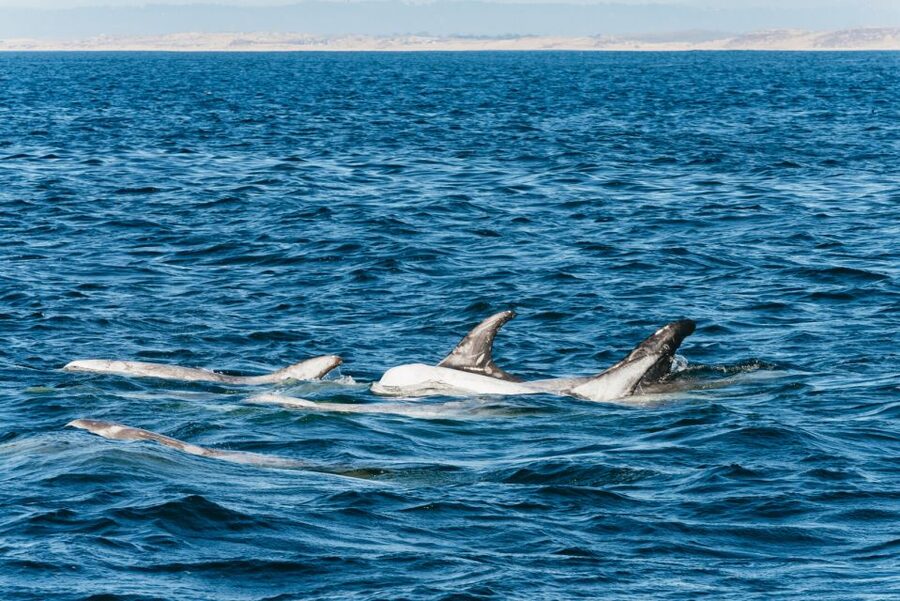
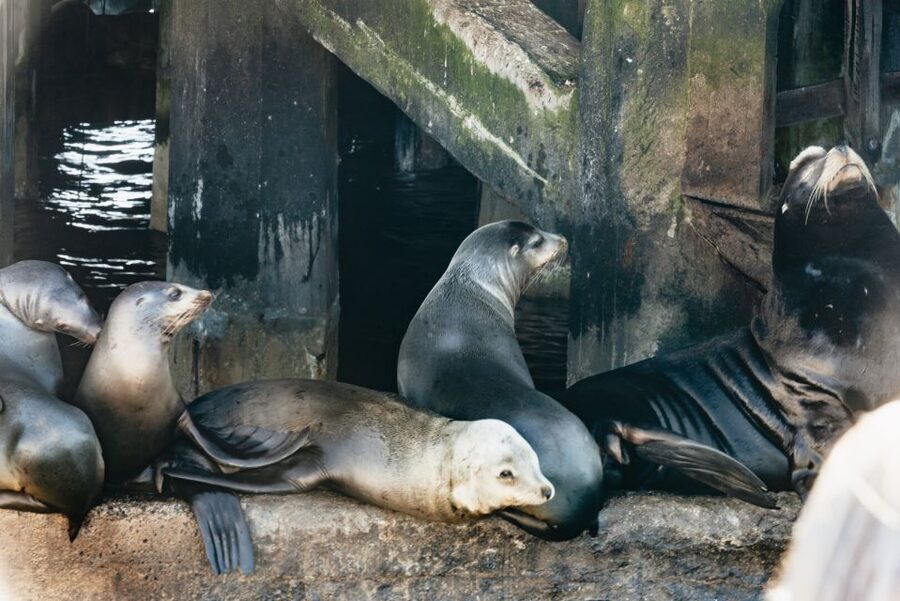
Monterey Bay is one of those places where big animals can show up surprisingly close to shore, thanks to the submarine canyon right off the coast. I love that this trip is led by a biologist guide, so you are not just scanning the water, you are learning what each sighting means. Old Fisherman’s Wharf is also a fun warm-up as you leave, with sea lions often visible right in the harbor.
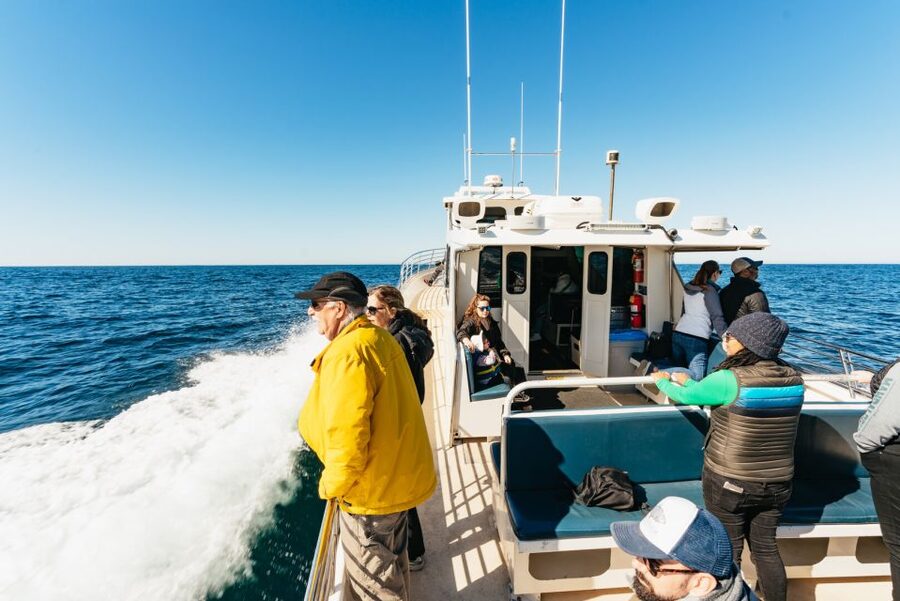
I also like the small-boat feel, with around 25 people, which makes it easier to move for the best views. On real trips, guides like Isiah and Maddy often bring the route to life, from calling out whale behavior to keeping everyone engaged while you wait for the next spout.
One drawback to plan for is that wildlife is wildlife. Even when whales are spotted almost daily, weather and whale timing can change which species you see and how close they come, so bring layers and expect some waiting.
Key things that make this whale watching cruise work
- Monterey Bay’s submarine canyon can pull whales closer to shore than you might expect
- Sea lions at the harbor often kick off the trip before you even reach open water
- Cannery Row views add a classic Monterey backdrop while you head out into the sanctuary
- Seasonal route shifts can matter, like winter trips aimed at migrating gray whales
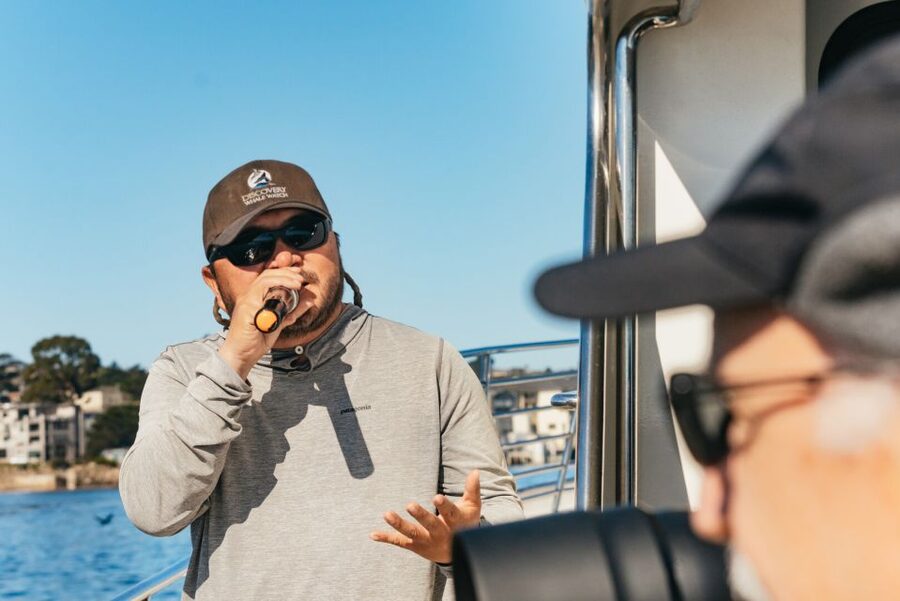
- Biologist commentary turns sightings into something you can actually explain after the cruise
- Hot drinks included and the boat setup is designed so you can see, not just sit
Why Monterey Bay whales feel so close to the action
What makes Monterey Bay special is not just that whales live here, it is how they use the habitat. The bay sits beside underwater features that support lots of small fish and krill, which then draws larger predators. That is why whales show up often, and why a cruise from shore can still feel like you are right in the middle of things.
I like that this tour is built around that advantage. You are heading into Monterey Bay National Marine Sanctuary, where protected waters help keep the food web strong. When the boat finds a feeding area, you can go from a few distant blows to full-on wildlife activity.
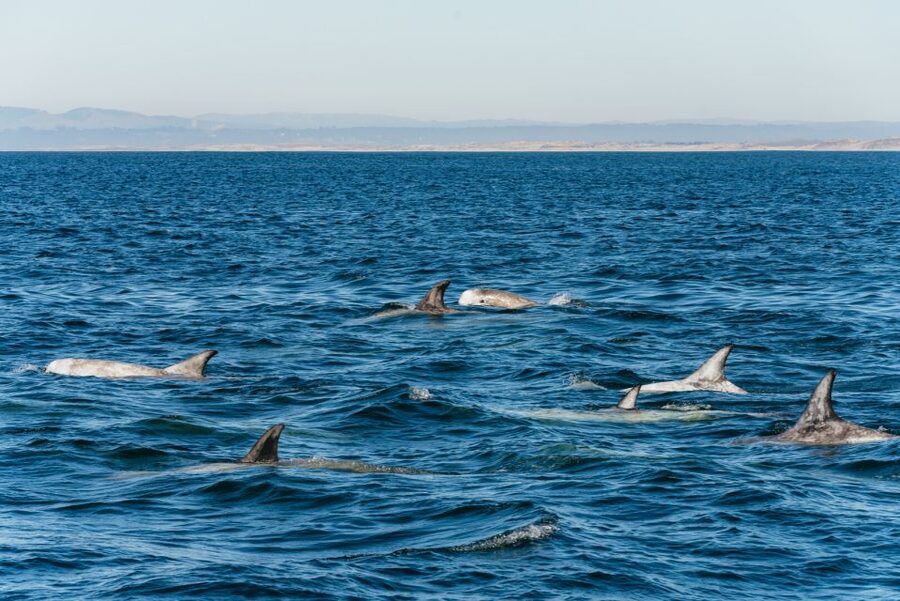
This is also a place where you can get more than just whales. Based on what people report on these cruises, you may see dolphins, porpoises, seals, sea lions, and even sea otters when luck and conditions line up. That variety keeps the trip fun even on days when the whales are slower to surface.
More Whale Watching in Monterey & Carmel:
- 4 Hour Whale Watching Tour From Monterey
★ 5.0 · 1,045 reviews - Monterey Whale Watching Tour
★ 4.5 · 732 reviews - Juneau Wildlife Whale Watching
★ 5.0 · 7,379 reviews
Getting to Discovery Whale Watch: parking, waivers, and check-in
Start with logistics, because they directly affect how relaxed your morning or afternoon feels. You meet at Discovery Whale Watch, 66 Fisherman’s Wharf, Monterey. Plan to check in at their office at least 45 minutes before departure, and you will need to complete coastguard waivers electronically for each person in your party.
If you are driving, the closest parking option listed is Monterey Harbor Waterfront at 245 Washington St. You should pay in advance using the ParkMobile App or pay stations, because skipping payment can lead to a $49 ticket. After parking, you walk toward Wharf 1, look for the pink Harbor House, then pass it until you see the yellow Crab House, then turn right. Discovery Whale Watch is the blue building on your right.
A small but helpful tip: set aside time for the waiver step. Everyone in your group needs the electronic waiver done, so finishing it ahead of time means you spend your pre-boarding minutes looking at the water instead of stressing out.
Harbor to sanctuary: the part of the trip that sets the mood
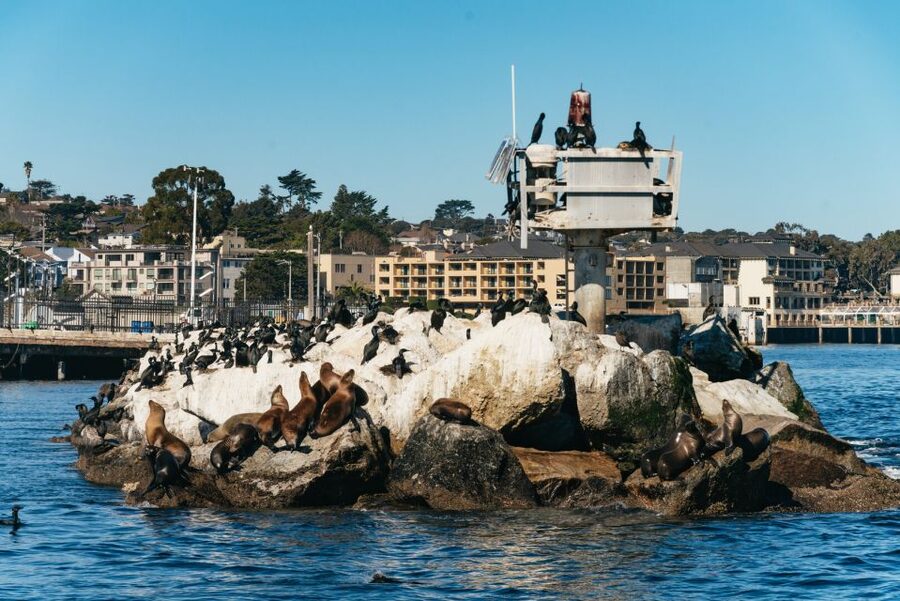
Before you ever reach the whales, you get a classic Monterey “this is real” start. When the boat leaves Old Fisherman’s Wharf, you can often see hundreds of California sea lions inside the harbor. It is one of those sights that makes you realize the ocean here is not empty, even on a day when you are focused on whales.
Then you head past Cannery Row, another landmark that adds context. As you glide by, you are still in sightseeing mode, with an easy place to point your camera and talk about what this coast is known for. It is also a good moment to get your bearings, because once you enter the sanctuary area, you will want to be quick about where you stand.
The route structure is basically:
1) Start at Discovery Whale Watch
2) Pass Old Fisherman’s Wharf and Cannery Row
3) Move into Monterey Bay National Marine Sanctuary
4) Spend your time out on Monterey Bay waters
5) Return back to Discovery Whale Watch
You are not just “transported” to the destination. The early part helps you warm up your eyes for the real game: spotting animals at the surface.
Inside Monterey Bay National Marine Sanctuary: how the sightings happen
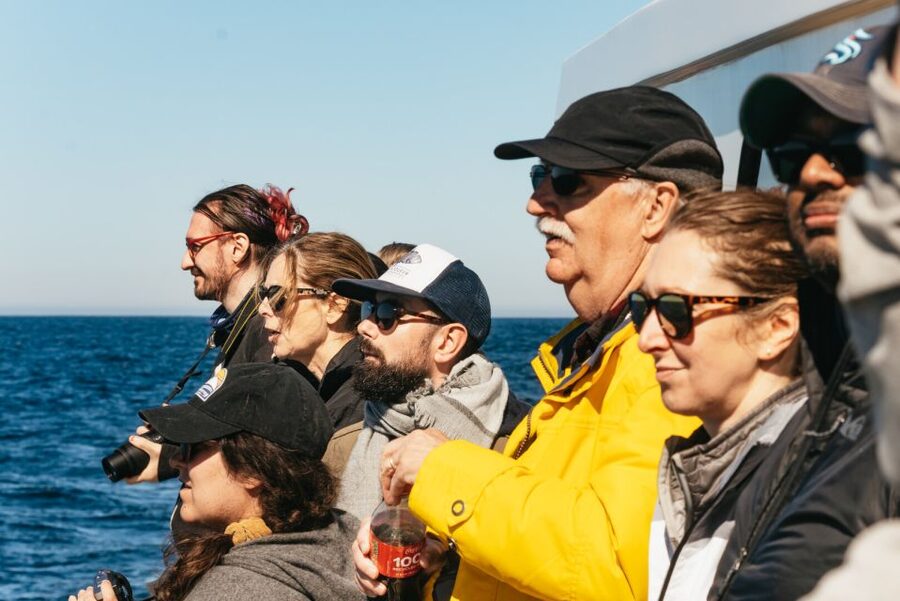
Once you are in the sanctuary area, the spotting logic becomes clear. Monterey Bay has a deep submarine canyon close to shore, and that geography supports food concentrations. When whales feed, their presence is often noticeable, and the boat can spend time in the right water to maximize your chances.
This is where the biologist guide earns their seat. You get more than background facts. You get practical interpretation, like why certain whales move the way they do, and what kind of feeding behavior to watch for. Even if you have never done whale watching, the commentary helps you connect the dots instead of just staring.
Depending on conditions and the season, you might see:
- Humpback whales, often the most frequent sightings
- Blue whales and fin whales, when conditions line up
- Gray whales in the winter migration window
- Orcas and multiple dolphin species
- Porpoises and other marine life
People also report extra wildlife like albatross, tufted puffins, and even sharks or seals on some trips. You should treat those as bonus possibilities, not guarantees. The consistent draw is that the sanctuary supports enough life that the boat is not just hunting in empty water.
Stack these Monterey & Carmel options against each other
- Monterey’s 17 Mile Drive Guided Electric Bike Tour, 3 hr
★ 5.0 · 870 reviews
Seasonal game plan: winter gray whales versus summer humpback feeding
Timing matters here, and the tour’s season shift is not just a scheduling trick. In summer and fall, the focus is typically on feeding whales that come for small fish and krill. That is the period where you are most likely to experience active surface behavior, including breaching and dramatic feeding moments when the boat finds the right area.
In winter, the approach shifts to the south end of Monterey Bay to follow migrating whales, including gray whales. Migration changes the “feel” of the cruise. Instead of being tuned for feeding frenzies, you are tuned for movement patterns and repeated sightings as animals travel through the region.
On some departures, the experience sounds almost like a checklist of species: people describe everything from humpbacks and dolphins to orcas and sea lions. But again, it is wildlife. The most realistic mindset is: the tour maximizes your odds by going where whales are likely to be, then lets nature decide how spectacular the day turns out.
If you want the best shot at the classic feeding-show vibe, lean toward summer or fall morning tours. If you are traveling in winter and can handle colder conditions, the gray whale migration focus is a smart match.
Onboard experience: biologist talk, hot drinks, and real spotting tips
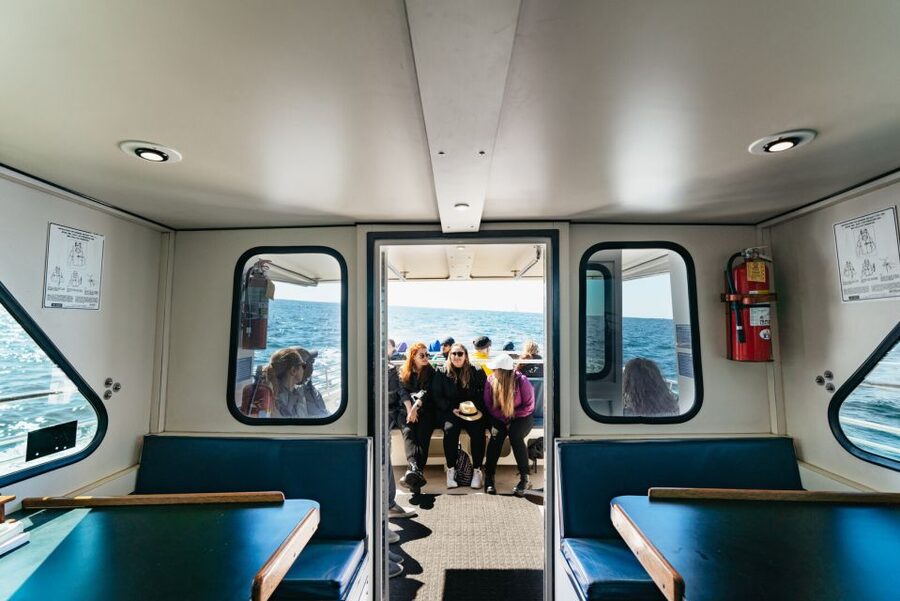
A big reason these cruises score high is the way the information is delivered. The biologist guide gives insights into conservation and the bay’s marine life, but it is also about helping you see better in the moment.
From reported experiences, guides like Isiah and Maddy often add humor and energy, like sea shanty-style fun from Isiah during one trip. That matters more than it sounds. When people are engaged, they watch longer and spot earlier.
You will also get hot beverages during the cruise. That may sound small until you are standing on a windy deck with cold hands. People mention enjoying hot chocolate, and at minimum, warm drinks help make the waiting feel shorter.
Practical advice I’d follow:
- Dress in layers.
- Bring sunglasses, even if it looks gray, because glare on water can be sharp.
- Stand where you can scan far, then rotate when you get a clear sighting.
Some groups also report that guides took photos during the trip that they could access afterward. That is not something I would count on as your main plan, but it is a nice extra if it happens.
Comfort checklist for 3 to 4 hours on the water
This part is not glamorous, but it affects whether you remember the cruise fondly or just remember the cold. The tour runs 3 to 4 hours, though the exact time depends on the option you book. In summer and fall morning, it is about 3.5 to 4 hours. In winter morning and afternoon tours year-round, the cruise is about 2.5 to 3 hours.
You should also plan around motion and weather. The ocean can be choppy even when the forecast looks fine. Motion sickness remedies are sold at the office before the tour, but you are welcome to bring your own.
What I recommend packing, based on what the operator asks you to bring and what people advise:
- Passport or ID card
- Comfortable shoes with decent grip
- Sunglasses
- Sun hat
- Sunscreen
- Layers, because the bay air can cut through fast
Good news: there are restroom facilities on the vessel. Another good perk: friendly dogs are permitted on board, so long as they are comfortable with the setting.
Also note what you cannot bring: smoking is not allowed, and alcohol and drugs are not allowed. Food is not included, but you may bring a small packed lunch and non-alcoholic beverages.
If you are traveling with kids, this kind of tour often lands well, because you can make it a spotting game. Even when you do not see the most dramatic whale behavior, you are still watching real animals use real habitat.
Price and value at $75 per person, and who this suits best
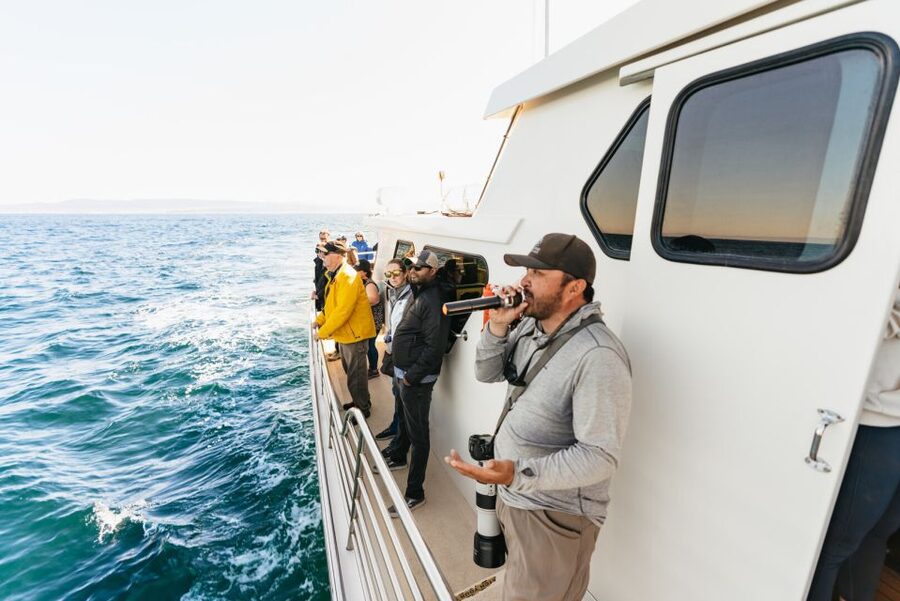
At $75 per person, this is not a cheap activity. The value comes from three areas that add up: time on the water, expertise, and inclusion. You get a 3 or 4 hour cruise (depending on option), a biologist guide, and hot beverages included.
The boat size also matters. People mention an experience with about 25 people, which typically means less crowding and better chances to find a view you like. That is a real comfort and photography advantage over larger cattle-boat setups.
What you should weigh against the cost is the nature of whale watching. You are paying for the odds and the expert-led search, not a guaranteed whale every minute. That is why your timing matters and why going with a tour that regularly spots whales helps.
Who this tour fits best:
- First-timers who want structure and explanations, not just a ride
- People who want a classic Monterey outing paired with real marine wildlife
- Travelers who can handle cool deck weather and possible motion
Who should reconsider:
- Pregnant travelers, since it is listed as not suitable
- People with mobility impairments, since it is listed as not suitable
If you are the type who likes learning what you are seeing while you see it, this is a strong match.
Should you book this Monterey Bay whale watching cruise?
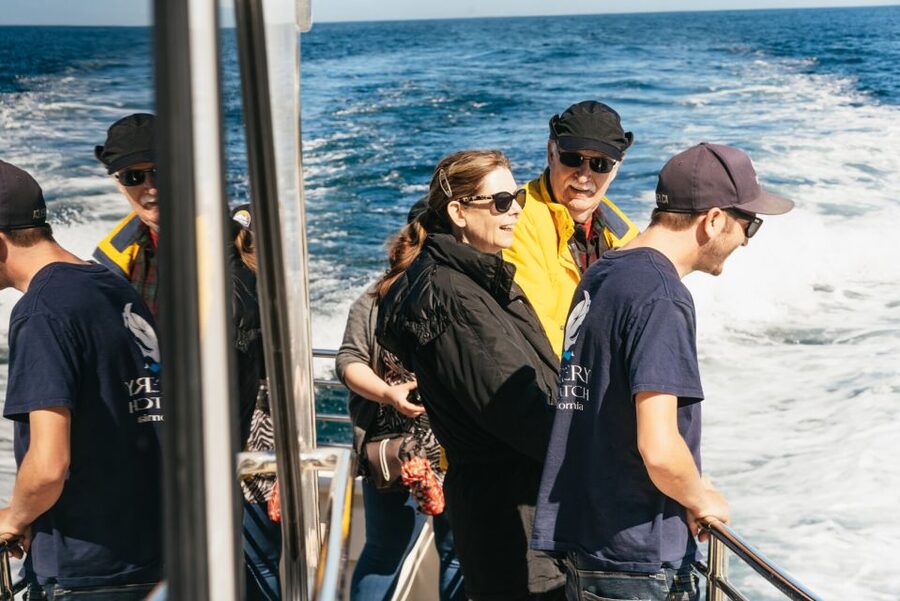
I’d book it if your main goal is to see Monterey Bay’s whales and you want the best chance at understanding what you are looking at while you are doing it. The sanctuary setting, the biologist guide, the harbor-to-canyon route, and the hot drinks together make this feel like more than a generic sightseeing boat.
I would not book it if you are hoping for a guaranteed species list or you get frustrated waiting for wildlife to surface. Even on successful trips, the ocean decides the timing. If you go in with the right mindset and pack for the real conditions, this cruise can be one of the highlights of a Monterey visit.
FAQ
Where is the meeting point for the whale watching tour?
You check in at the Discovery Whale Watch office at 66 Fisherman’s Wharf, Monterey, CA 93940.
How early do I need to arrive before departure?
You should check in at least 45 minutes before departure with coastguard waivers completed.
Do I need to complete a waiver in advance?
Yes. You will receive a separate email with an electronic coastguard waiver link, and each person in your party must complete it.
How long is the whale watching cruise?
The cruise lasts 3 to 4 hours, depending on the option booked. Summer and fall morning tours run about 3.5 to 4 hours, while winter morning and afternoon tours year-round run about 2.5 to 3 hours.
What is included in the ticket price?
Your ticket includes the 3 or 4-hour whale-watching cruise (based on the option), a biologist guide, and hot beverages.
Is food included?
No. Food is not included, but you can bring a small packed lunch and non-alcoholic beverages.
Are alcohol, smoking, or drugs allowed on board?
No. Smoking, alcohol, and drugs are not allowed.
What should I bring to be comfortable on the boat?
Bring your passport or ID, comfortable shoes, sunglasses, a sun hat, and sunscreen.
Are dogs allowed on the vessel?
Yes. Friendly dogs are permitted on board.
Is the tour suitable for everyone?
No. It is listed as not suitable for pregnant women and people with mobility impairments.
Reviewed most recently around Monterey & Carmel
- Monterey Whale Watching Tour★ 4.5 · 732 reviews
- 4 Hour Whale Watching Tour From Monterey★ 5.0 · 1,045 reviews
- Monterey’s 17 Mile Drive Guided Electric Bike Tour, 3 hr★ 5.0 · 870 reviews
- From San Francisco: Monterey and Carmel Day Tour★ 4.4 · 476 reviews
Whale Watching, compared.
Juneau Wildlife Whale Watching & Mendenhall Glacier
Read our review →
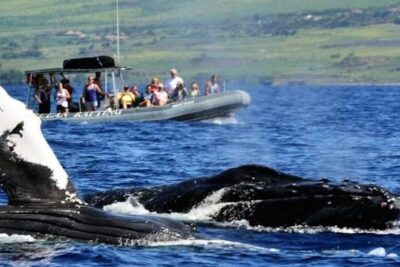
Maui Eco-Raft Tour: Eye-Level Whale or Dolphin Watching – Lahaina
Read our review →
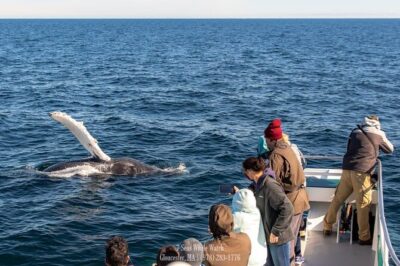
Whale Watching Trips to Stellwagen Bank Marine Sanctuary. Guaranteed sightings!
Read our review →
2-Hour Oahu Whale Watch from Ala Wai Harbor, Waikiki
Read our review →Browse the lists this tour appears in