
Reviewed · MUSEUMS
The Museum of Flight Entrance Ticket
Seattle’s Museum of Flight is interesting because it is not a distant, behind-glass museum. You get to walk around aviation machines, big and small, and read how flight tech evolved into space. For me, the biggest draw is seeing the museum’s NASA Space Shuttle training hardware up close, not as a photo op.
Two things I especially like are the scale and the variety. The hangar and gallery mix early flight experiments with jet-era icons, and the hands-on style makes it easier to keep moving instead of just reading labels. One possible drawback is that the museum is spread across a large campus, so if you only have a strict 2-hour window, you might feel rushed.
Key highlights worth planning for
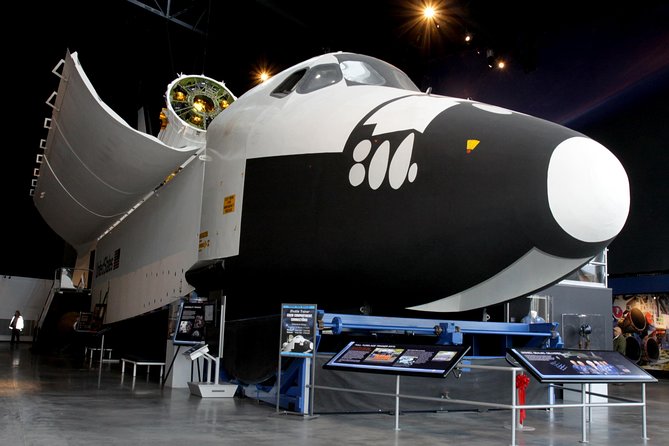
- Only full-scale NASA Space Shuttle Trainer you can get up close at this museum
- 150+ aircraft across hangars and buildings, so you will keep finding new favorites
- Boeing 747 cockpit experience that helps you see how big jets are built and arranged
- Big-aircraft 3D movie add-on if you want a fast primer before you start walking
- Clear-day payoff from the T. Evans Wyckoff Memorial Bridge, with views toward Sea-Tac and Mount Rainier
- Simulator upgrades on arrival for people who want to turn the visit into a bigger thrill
Museum of Flight Entrance Ticket: what makes it such a good Seattle stop
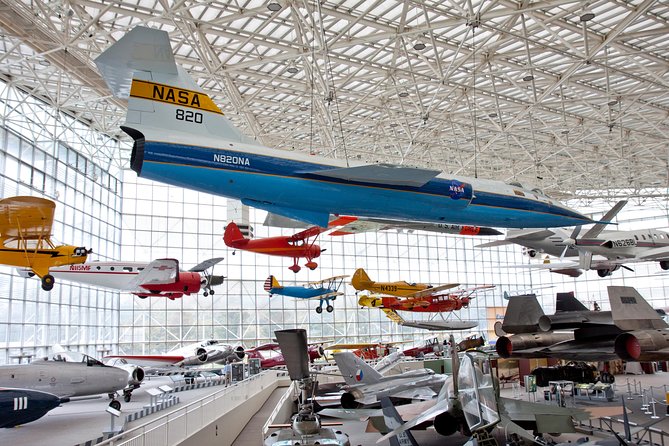
The Museum of Flight is the world’s largest independent air and space museum. It sits on a 23-acre campus at Seattle’s oldest airport, across six buildings that include the original Boeing Aircraft factory. In other words, you are not just learning about aviation history, you are walking through the kind of setting where that history happened.
This visit works because the museum is built for momentum. You can start with a short orientation movie, then spend hours moving through hangars with real aircraft, mockups, and interactive exhibits. It is also a strong pick for families, couples, and aviation nerds, because everyone finds something that grabs their attention.
More Museums in Seattle:
- NYC: 9/11 Memorial & Museum Timed-Entry Ticket
★ 4.8 · 31,428 reviews - NYC: Empire State Building Tickets – Observatory & Museum
★ 4.7 · 25,757 reviews - New York City: American Museum of Natural History Ticket
★ 4.5 · 15,447 reviews
Price and value: why the $29 ticket is fair
At $29 per person for an entrance ticket, you are paying for access to a very large museum footprint. The value comes from what is included: your ticket gets you into the main areas where you can see over 160 aircraft and spacecraft on display across the campus.
The thing that keeps it from being a cheap gimmick is that you can keep going longer than you planned. Even if the typical visit is listed around 2 to 3 hours, the museum is big enough that a relaxed 4 to 5 hours can happen naturally when you stop for cockpits, hands-on exhibits, and lots of reading. If you are someone who hates paying for a “quick look,” this one is usually worth your time.
Your ticket covers entry, not every add-on
Your entrance ticket is the core of the experience. You simply present your voucher for admission at the museum, then you are free to explore the air and space exhibits.
Two items are explicitly not included and may add cost if you want them:
- The 3D movie in the museum’s 3D theater is an extra cost before you start walking.
- The flight simulators are available for purchase upon arrival.
I like that setup because you can match the day to your budget and energy level. If you want a straightforward museum walk, skip the add-ons. If you want more wow, add one experience and keep the rest of the day low-stress.
Start in the 3D movie theater for a quick flight primer
If you choose the 3D movie, it is a flight-themed start right inside the museum. For many people, it acts like a gear shift, because you walk into the hangars with a clearer sense of what you are about to see.
The practical win is pacing. The museum is large, so a short show helps you get your bearings fast, then the aircraft displays make more sense as you move through the buildings. If you prefer to skip theaters and jump straight to aircraft, you can still enjoy the visit fully with the included entry.
Stack these Seattle options against each other
- Beneath The Streets Underground History Tour
★ 4.5 · 8,006 reviews - Chef Guided Food Tour of Pike Place Market
★ 5.0 · 3,733 reviews - Mt. Rainier National Park Highlights Tour
★ 5.0 · 3,156 reviews - Seattle’s Original Guided Harbor Cruise
★ 4.5 · 2,077 reviews
The hangar walk: where the aircraft feel real
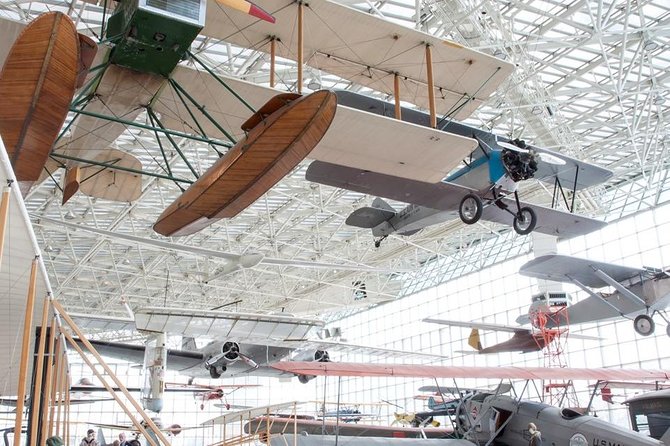
After you enter, the museum pulls you into hangar space, where the aircraft displays feel close enough to study. This is where the “wow” factor tends to build, because you are looking at machines that are often decades apart in design, size, and purpose.
Expect to see a mix that ranges from familiar names to unusual experiments. The museum highlights include a replica tied to Amelia Earhart’s story, the very first flight-worthy Boeing 747, a sailplane, an Aerocar, and a human-powered MacCready Gossamer Albatross II. Those last three are important because they show that aviation was not only about bigger engines, it was also about control, efficiency, and creative engineering.
A practical note: the museum campus is connected, but you may move around sections, and some areas can require crossing a bridge to reach specific displays. If you like to plan a route, expect to do some on-the-fly navigation once you see where the crowd and the lines are.
The NASA Shuttle Trainer: the one detail you should not miss
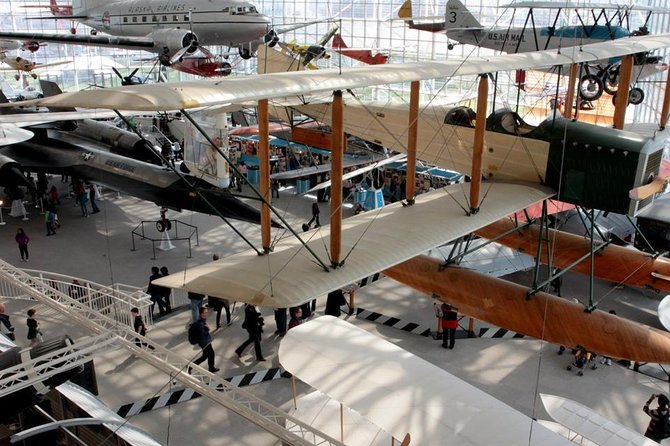
One of the top reasons to buy this entrance ticket in advance is the full-sized Space Shuttle Orbiter mockup used for training before missions. This is the kind of exhibit that makes the air-and-space theme feel concrete.
There is also a special interest in the NASA Space Shuttle Trainer element mentioned in the highlights. One consideration for your planning is that certain shuttle-related areas or decks can be closed depending on operations. If the Shuttle Trainer is the reason you came, I suggest you confirm what is open when you arrive, then build your day around whatever is accessible that day.
Boeing, space, and the big-machine timeline you can actually follow
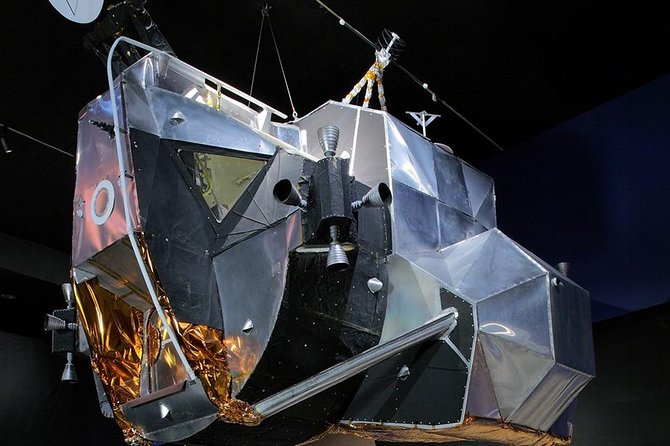
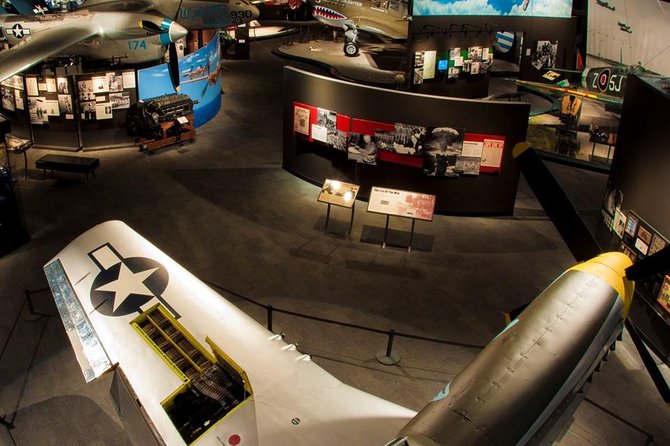
The museum does a good job turning aviation into a timeline you can walk through. The exhibits cover everything from early aircraft through jet-era design and into space exploration, and the aircraft are spread out so you can compare generations.
You do not need a background in aviation to enjoy this. If you start with one era, like the jet fighters or the early Boeing work, you can trace the logic forward into the NASA training hardware. That is where the museum’s independence helps, because it feels focused on flight tech and the people who built it.
Great Gallery: the glass building that makes aircraft easy to scan
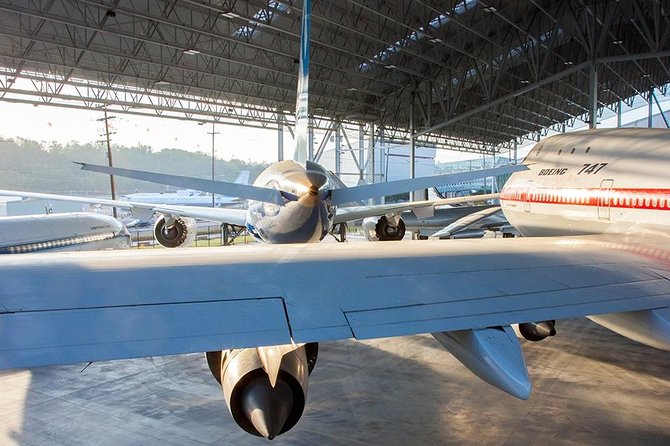
If you want a fast way to understand the museum’s breadth, spend time in the Great Gallery. It is a 6-story glass building with 43 aircraft spanning from the 1920s to more recent decades. That vertical space matters, because you get quick visual context without committing to one building right away.
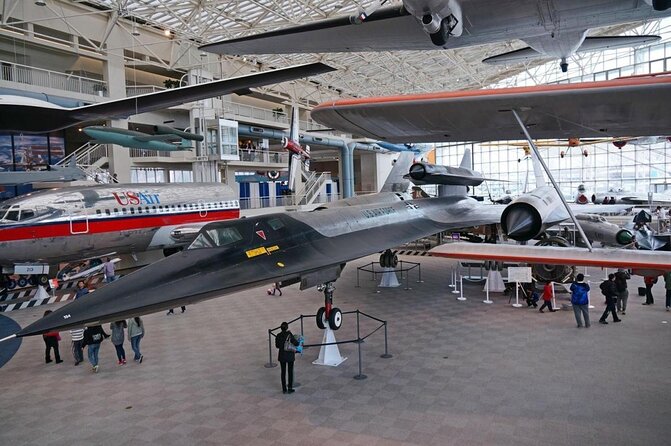
This is also where you can spot some specific headline items, like the M-21 Blackbird spy plane and jet fighters from the Korean and Vietnam wars. Even if you are not an expert, you will still feel the difference between aircraft categories, because the shapes and roles are so distinct.
Hands-on exhibits and the interactive style that keeps kids engaged
A major theme of this visit is hands-on learning. The museum leans into interactive displays and family activities, which is why this tends to work well when someone in your group is not a lifelong aviation fan.
I like that the “hands-on” approach does not just mean buttons. It also includes access moments, like the chance to sit in a Boeing 747 cockpit and learn about how the jet is laid out. That kind of experience turns reading into something physical, which is why the museum can feel more memorable than a typical indoor collection.
Views from the Wyckoff Bridge, plus a good day-of weather strategy
On clear days, make time for the views from the T. Evans Wyckoff Memorial Bridge. From there, you can see Seattle-Tacoma International Airport, and you may also catch Mount Rainier in the distance.
This is not just “pretty scenery.” It helps you connect what you are learning inside with the real aviation world outside the museum. If the weather is iffy, you can still have a great day indoors, but I would treat this bridge stop as your flexible weather reward.
Simulator upgrades: optional thrills, best for people who want more than walking
Simulator tickets are not included in the $29 entrance entry. You can purchase them upon arrival if you want more action after hours of aircraft viewing.
I like this model because it respects your interest level. If you are coming for pure aircraft time, you can skip the simulators and still feel like you got your money’s worth. If you are a thrill-seeker or you have kids who want a bigger moment, adding one simulator experience can turn a good museum day into a standout one.
How long to plan: 2 to 3 hours is the minimum, not the goal
The experience is listed at around 2 to 3 hours, which is a reasonable planning baseline. But the museum’s size means you often end up slower if you read captions, check cockpits, and pause at interactive exhibits.
My advice is simple: if you can, aim for at least 3 hours, and choose a longer window if it is your only museum stop in Seattle. A longer visit also gives you room to absorb shuttle-related displays and the 747 and gallery sections without feeling like you are sprinting.
Practical tips for your visit day
Start by deciding how you want to spend your limited energy. If you want maximum aircraft time, prioritize the hangar and gallery areas first, then add the 3D movie and any simulators only if you still feel fresh.
Bring water and snacks if you are traveling with kids. Many families find it helps to have quick food options because walking between buildings takes more time than you expect. Also, plan for lots of walking, and give yourself breaks, especially if you are traveling in warm weather.
One more practical note: restrooms are available throughout the museum, which makes it easier to keep your schedule realistic. And if you need a meal without leaving campus, there is a restaurant on site, helpful when your day stretches to the afternoon.
Best for who, and who should skip it
This entrance ticket is ideal if you care about aviation history, want hands-on exhibits, and like seeing real aircraft up close. It is also a strong choice for families because interactive displays help keep everyone engaged, not just adults.
Couples who like technical travel also do well here, especially if you want a day that feels more “activity” than “stroll.” Aviation nerds will likely want to come with more time than the minimum, because the number of aircraft and the detail takes a while to absorb.
If you hate walking, or you want only a short museum visit with minimal reading and minimal decision-making, this might feel like too much. In that case, you could still enjoy it, but I would come with a strict plan for which sections you will see and skip the rest.
Should you book the Museum of Flight entrance ticket?
Yes, I think you should book it, especially if Seattle is part of a tight itinerary. The museum is priced reasonably for the scale of what you get, and the highlights like the 747 cockpit experience and the space-focused training mockups are exactly the kind of things you cannot fully replicate online.
Book in advance to avoid the stress of day-of availability, and plan your time like you are visiting a full campus, not one building. If the Shuttle Trainer or a specific aircraft is the main reason you are going, confirm what is open when you arrive, then structure your day around that.
Reviewed most recently around Seattle
- Seattle: Half-Day Wildlife and Whale Watching Cruise★ 4.3 · 378 reviews
- Seattle Locks Cruise★ 5.0 · 381 reviews
- Seattle: City Highlights Tour★ 4.7 · 416 reviews
- Seattle Sailing Harbor Tour★ 4.5 · 473 reviews
- From Seattle: Round Trip by High Speed Ferry to Victoria, BC★ 4.0 · 479 reviews
- Seattle Coffee Tour: Capitol Hill Cafes, Tastings & Local Stories★ 5.0 · 489 reviews
- Leavenworth Exclusive Tour from Seattle★ 4.5 · 492 reviews
- One-Way Transfer: Pier 91 to Airport★ 4.5 · 522 reviews
Museums, compared.

Empire State Building Tickets – Observatory & Museum
Read our review →


9/11 Memorial, Ground Zero Tour with Optional 9/11 Museum Ticket
Read our review →

All-Access 9/11: Ground Zero Tour, Memorial and Museum, One World Observatory
Read our review →
Browse the lists this tour appears in