
Reviewed · MUSEUMS
American Prohibition Museum Admission
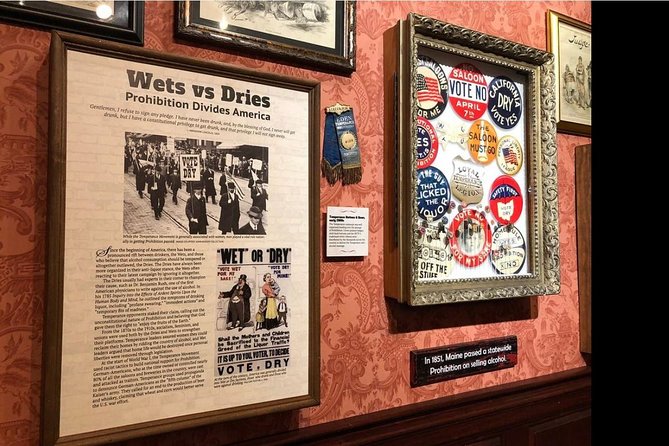
The American Prohibition Museum in Savannah is interesting because it turns dry, complicated history into scenes you can walk through, not just read about. Costumed docents keep the energy up, and I like the way guides such as Casey and Tommy seem to get the whole room talking like it is part theater, part lesson.
Two things I really like are the 200+ historical artifacts and the high-tech dioramas that stage moments like a recreated 1918 street scene and a famous tent revival. You will also get a solid themed break at the end with the speakeasy-style cocktail option when it is operating.
One possible drawback is logistics inside: the tour route can feel tight when it is busy, and the bathroom is at the very end, so you may want to go early and not wait.
Key Highlights to Know Before You Go
- World’s only Prohibition-focused museum, built around the rise and fall of the Temperance era
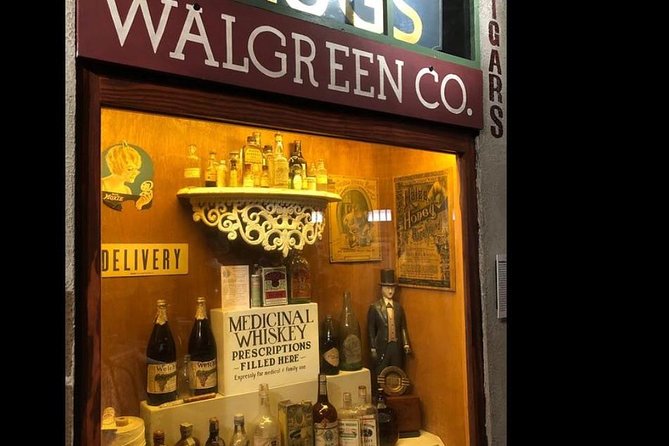
- 200+ artifacts, including dry propaganda and moonshine brewing equipment
- Theatrical docent storytelling, often funny and fast-moving in a good way
- Set-piece scenes like Reverend Billy Sunday, Carry Nation, and a dim Moonshine section
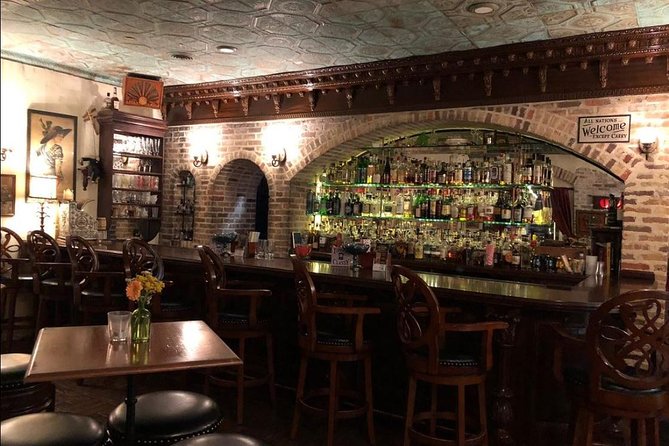
- Speakeasy finale rules include a photo ID check for a wristband and a 21+ age requirement
- Seasonal hours and last entry times that can change your timing in Savannah
A Prohibition Museum Ticket That Feels Like a Living Set
If you are the type who likes history with atmosphere, this is a great pick in Savannah. The American Prohibition Museum does not treat Prohibition like a dusty footnote. It shows how temperance thinking shaped culture for generations, then follows the fallout, all while you are surrounded by period-style visuals, photos, murals, and videos.
I also appreciate that the experience is organized so you do not get lost in it. The rooms have clear themes, and the costumed docents help connect the dots between the laws, the people, and the street-level reality. That matters, because Prohibition can feel like a lot of dates and opinions if you go in cold.
Plan on about 1 to 2 hours for the main visit. If you want to read closely and stop for extra looks, give yourself more time to slow down without rushing.
More Museums in Savannah:
- NYC: 9/11 Memorial & Museum Timed-Entry Ticket
★ 4.8 · 31,428 reviews - NYC: Empire State Building Tickets – Observatory & Museum
★ 4.7 · 25,757 reviews - New York City: American Museum of Natural History Ticket
★ 4.5 · 15,447 reviews
What Your $19.78 Admission Actually Covers
At $19.78 per person, your ticket is for museum admission. In other words, you should treat it as paying to see the exhibits, artifacts, and guided interpretation inside the museum.
There is also a craft cocktail speakeasy as a follow-up, but it is not presented as part of the museum admission. In plain terms, you can enjoy a themed drink, but expect it to be an extra cost you handle separately if you choose to participate.
Here is the value angle: the museum is not just one room. You are walking through multiple scene-based displays and seeing more than 200 historical artifacts, plus high-tech dioramas and recreated environments. For a one-stop “Prohibition in Savannah” plan, it can feel like money well spent.
Hours, Last Entry, and the Timing Trick That Helps
The museum runs 10:00 am to 5:00 pm from August through March, with last entry at 4:15 pm. From April through July, it runs 10:00 am to 6:00 pm, with last entry at 5:15 pm.
That last entry detail matters more than you might think. If you show up late, you can end up skipping parts of the route you actually came for. I suggest building in buffer time, especially if you are timing your visit around lunch or other Savannah stops.
One date-specific note: the museum is closed on March 17 (St. Patrick’s Day). If you are visiting around then, plan a different museum day or shift your schedule.
Entering the Museum: Docents, Scenes, and Your First Big Wow
Once you are in, the museum sets you up fast with immersive-style storytelling through exhibits and costumed docents. The goal is to make the Temperance era understandable, but also entertaining, since the topic is emotional and political.
As you move through the first themed sections, you will see that this museum leans hard on visuals. Expect more than static display cases. There are recreated sets and story-led rooms designed to help you picture what life felt like back then.
If you care about context, this is where the visit starts paying off. Prohibition was not just a law. It came from long-running arguments about morality, health, and social order. The museum’s early rooms frame those ideas before you get to the punchier, more dramatic parts.
Stack these Savannah options against each other
- Savannah Hop-On Hop-Off Trolley Tour
★ 4.5 · 6,527 reviews - 90-Minute Savannah Riverboat Sightseeing Cruise
★ 4.0 · 3,367 reviews - Savannah History and Haunts Candlelit Ghost Walking Tour
★ 5.0 · 3,235 reviews - Savannah First Squares Culinary & Cultural Walking Food Tour
★ 5.0 · 3,229 reviews
Stop 1: The 1918 Street Scene and Anywhere USA
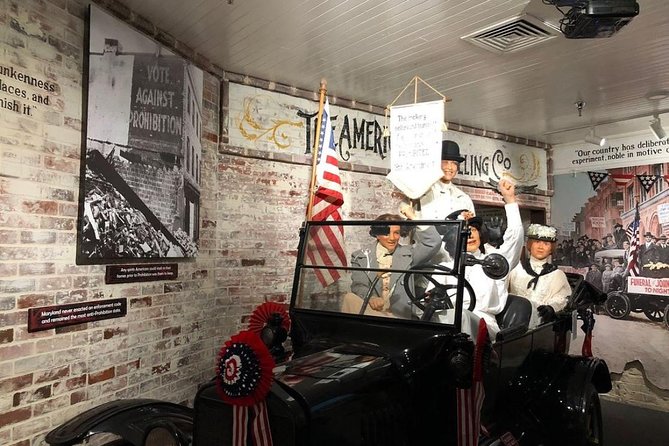
One of the standout set pieces is the recreated 1918 Street Scene, built as Anywhere, USA. This section is smart because it helps you stop thinking of Prohibition as only happening in one city. You get a sense of the culture around you, like you are standing in the middle of a community watching the rules tighten.
From here, the museum pushes you into the major themes: moral arguments, public persuasion, and the conflict between official rules and everyday behavior. The street-scene concept works well if you like big-picture orientation first, before you get lost in details.
Practical note: set pieces like this can be popular photo stops. If you prefer quieter time, go a little slow through this area right after you arrive, before the room fills up.
Temperance in Action: Tent Revivals and Billy Sunday
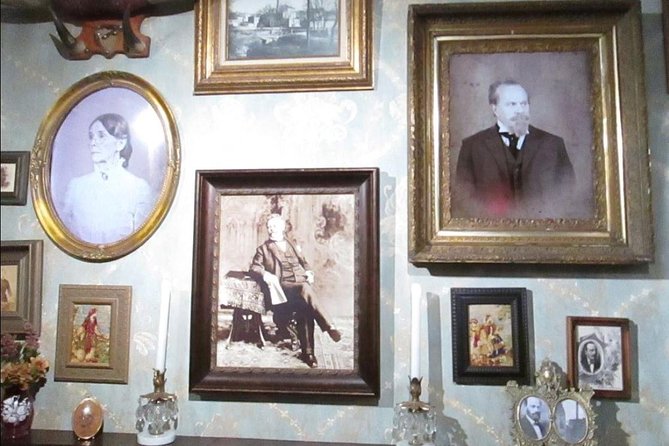
Next up is the Tent Revival, featuring Reverend Billy Sunday. If you have ever heard about how reform movements worked in the early 1900s, this room gives you a feel for the performance side of the message. You are not just learning what people believed, you are seeing how they tried to win hearts and influence behavior.
This section connects well to why Prohibition gained momentum. Temperance advocates did not rely only on lawmakers. They relied on public speaking, emotion, and crowd energy. The museum’s staging helps you understand that persuasion was part of the engine.
If you are visiting with kids old enough to tolerate history topics, this is often one of the more watchable areas. It reads as a story scene, not just a timeline panel.
Carry Nation, Hatchet Attacks, and the Conflict Room Energy
Then the museum turns to one of the era’s most famous figures: Carry Nation. You get to see her “hatchetations” and the dramatic idea that temperance could show up as physical confrontation, not just speeches and pamphlets.
The museum also includes the conflict theme tied to Lillian M. Stephens and Adolphus Busch, with their sides of the argument presented through a face-off style display. This is where the museum stops being polite and starts feeling like real human controversy.
What I like about this part is that it shows Prohibition as conflict between groups with very different ideas about responsibility. It helps you understand why the backlash was so intense once the law was enforced.
The Moonshine Section: Wilderness, Secrecy, and Everyday Reality
A dimly lit Moonshine Scene takes you into the other side of the story, where enforcement meets creativity. You get the sense of geography, isolation, and secrecy that can make illegal activity feel like survival, not just a crime.
This section uses a visual approach that makes the “why” easier to grasp. Moonshine was not only about taste or rebellion. For some, it was a response to sudden restrictions, lost markets, and a mismatch between law and what people wanted.
You will also see period references to brewing equipment and practices through the museum’s broader artifact displays. That part is useful if you like practical details, not just political slogans.
The Speakeasy Finale: Photo ID, 21+ Rules, and Sunday Mocktails
After the museum route, you have the speakeasy-style finale option. The speakeasy is described as a hidden bar space where you can get period-style Prohibition drinks.
Here are the rules you should plan around:
- You need photo ID at the door to receive a wristband for admittance to the speakeasy.
- Guests under 21 are not permitted in the speakeasy.
- There is no speakeasy service on Sundays. Mocktails are available instead.
Speakeasy hours are also specific:
- Wednesdays: 5:30 pm to 10 pm
- Thursdays: 5:30 pm to 11 pm
- Fridays and Saturdays: 5:30 pm to 1:00 am
One practical tip: if you want the speakeasy experience, plan your museum timing so you are not sprinting to make it. The museum last entry depends on the season, and speakeasy hours start later in the day.
Also remember: food and drinks are not permitted in the museum galleries prior to the speakeasy, so do not plan on snacking your way through the exhibit rooms.
Guided Docent Storytelling Versus Reading at Your Own Pace
Costumed docents drive a lot of the experience. The museum is built to be understood through both artifacts and narrative, so a guided format can speed up how quickly you get the meaning behind each scene.
I like guided storytelling here because Prohibition can get abstract fast. When a docent connects, for example, propaganda to behavior, and behavior to enforcement, it stops feeling like a political lecture and starts feeling like a coherent story.
That said, if you enjoy time to read details, you can still benefit from going at your own pace. Some people even recommend planning extra time so you can re-walk the museum after the guided narration, since you might not catch everything the first time.
If you are sensitive to pace, note that at least one guide experience can feel fast. My advice is simple: pick a day/time when you want to be active, and take a breath between rooms if you need to reset.
Practical Walkthrough Tips That Save Time
A few on-the-ground details can make your visit smoother.
First, the bathroom is at the very end of the tour route. If you wait until you are near the finish, you might end up delayed when the end rooms get crowded. I recommend handling it earlier when you have the chance.
Second, if you rely on an elevator or specific mobility support, check before you go. One party reported the elevator was not working and they could not enjoy the tour as planned. You do not want your visit to depend on an equipment issue.
Third, photos are allowed. You can use your cell phone and video for personal use inside the museum. If you post online, tag with #americanprohibition or @americanprohibition.
Location and Getting There Without a Headache
The museum is located next to Ellis Square in the City Market area. Parking is described as being blocks away from Robinson Parking Garage, and parking may have a fee.
It is also near public transportation, which helps if you want to skip driving and parking stress. In Savannah, that is a real advantage because you can spend your time walking between stops instead of circling.
Who This Admission Fits Best
This is a strong match for:
- Adults who like history that feels story-driven and not lecture-only
- Couples who want an easy half-day plan with a fun themed stop afterward
- Anyone curious about American culture, propaganda, and how moral debates shape law
- Families with older kids who can handle the topic and enjoy theatrical scenes
It is less ideal if you want quiet museum time. The set pieces, narrated energy, and room activity can mean noise and crowds at certain points. If you want low-stimulation, pick a less busy hour.
Also, if you are going specifically for the speakeasy, plan around the 21+ rule and the Sunday no-service reality. The speakeasy is not always available the way you might assume if you are visiting on a weekend day.
Should You Book the American Prohibition Museum Admission in Savannah?
I would book it if you want a museum that treats Prohibition like a real cultural event, not a dry list of dates. For $19.78, the value comes from the combination of 200+ artifacts, strong set-piece scenes, and docent storytelling that makes the message easier to follow.
I would think twice if you hate crowds, do not want a guided pace, or you are counting on the speakeasy on a Sunday. For Sunday visits, you should expect mocktails instead of the full service.
If you want history with a sense of humor and you plan your timing around seasonal last entry and speakeasy hours, this is one of the more memorable ways to understand the Prohibition era while you are in Savannah.
FAQ
What does the American Prohibition Museum Admission include?
It includes museum admission.
How long should I plan for the visit?
The experience is listed as about 1 to 2 hours.
What are the museum hours and last entry times?
From August to March, it is 10:00 am to 5:00 pm, with last entry at 4:15 pm. From April to July, it is 10:00 am to 6:00 pm, with last entry at 5:15 pm.
When is the speakeasy open in Savannah?
The speakeasy is open Wednesdays 5:30 pm to 10 pm, Thursdays 5:30 pm to 11 pm, and Fridays and Saturdays 5:30 pm to 1:00 am.
Is there speakeasy service on Sundays?
No. There is no speakeasy service on Sundays. Mocktails are available instead.
Who can enter the speakeasy?
Speakeasy entry requires photo ID for a wristband, and guests under 21 are not permitted.
Can I bring food and drinks into the museum galleries?
Food and drink are not permitted in the museum galleries prior to the speakeasy.
Are photos allowed inside the museum?
Yes, cell phone and video use are permitted for personal use. If you share on social media, you can tag #americanprohibition or @americanprohibition.
Are service animals allowed?
Yes, service animals are allowed. Emotional support animals and pets are not allowed.
Reviewed most recently around Savannah
- Savannah: Ghosts, Asylums, Voodoo, and Horror Walking Tour★ 4.5 · 383 reviews
- Savannah Ghost Tour with the Guy in the Kilt + Bar Stops★ 4.5 · 387 reviews
- The Grave Tales Ghost Tour in Savannah★ 4.5 · 396 reviews
- Savannah Slavery to Freedom Guided History Tour★ 5.0 · 407 reviews
- Private Tour of Savannah’s Historic/Victorian Districts & Bonaventure Cemetery★ 5.0 · 418 reviews
- 90 minute Original Haunted Savannah Tour | 8pm★ 4.5 · 444 reviews
- Savannah: “Savannah for Morons” Comedy Trolley Tour★ 4.8 · 477 reviews
- Savannah Open Top Panoramic City Tour with Live Narration★ 4.5 · 480 reviews
Museums, compared.

Empire State Building Tickets – Observatory & Museum
Read our review →

9/11 Memorial, Ground Zero Tour with Optional 9/11 Museum Ticket
Read our review →
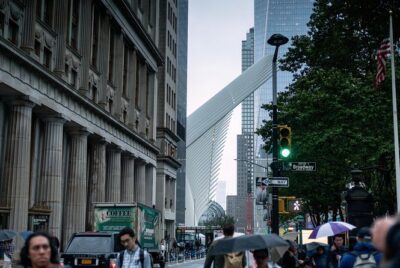
All-Access 9/11: Ground Zero Tour, Memorial and Museum, One World Observatory
Read our review →
Browse the lists this tour appears in