
Reviewed · SAN ANTONIO TOURS
San Antonio Zoo General Admission Ticket
A San Antonio Zoo general admission ticket is interesting because it is self-paced, yet you still get structure through daily presentations and big, themed exhibit zones. You can bounce between habitats like Africa Live! and Big Cat Valley, then slow down for the animal talks when the schedule fits your day.
I especially like the daily talks that focus on animals like tigers and gibbons, plus the zoo’s conservation message that explains why these species matter. I also like that you are buying mobile entry, which makes getting through the gates easier, especially when you are trying to start exploring right away.
The main drawback to plan for is animal visibility. Some exhibits can be crowded, or animals may be sleeping and harder to see, and there can be construction in parts of the park.
Key highlights to know before you go
- Skip-the-line entry with a mobile ticket, so you can get inside and start your loop fast
- Daily talks that bring animals like tigers and gibbons into focus, plus conservation education
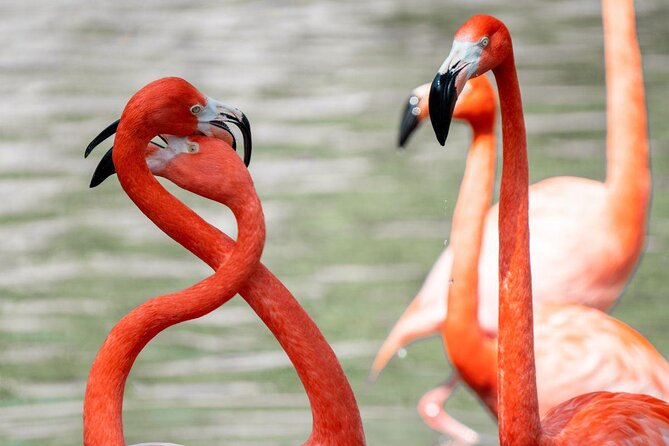
- Big themed zones including Africa Live!, the Savanna, Amphibia, Big Cat Valley, and Flamingo Mingle
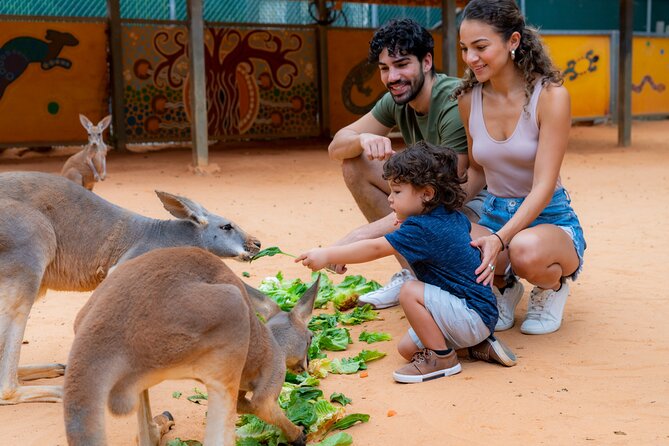
- Family-friendly layout with lots of kid moments, plus places to cool off
- Pay attention to add-ons since the zoo train and animal experiences often cost extra
San Antonio Zoo general admission: what you are really paying for
This is a straightforward ticket, but it is not just “buy entry and wander.” For about 4 hours, you get a well-paced way to see a wide mix of habitats that cover more than one continent and more than one animal style, from birds to big cats to reptiles. The zoo also frames its exhibits with a conservation mission, which turns the visit from pure viewing into something that feels a bit more purposeful.
At $32.99 per person, the value hinges on what you want most. If you want a classic zoo day with a lot of variety, this price is usually fair for a single afternoon at a major, accredited facility. If you are hoping for lots of extra paid interactions, budget a little beyond admission, because most “animal experiences,” the zoo train, and the Zootenial Carousel are typically additional costs.
Another smart detail: the ticket is set up for convenient entry. You receive a mobile ticket, and the experience is designed so you can go straight into the zoo rather than losing time at a long line. Also note the small group size cap of up to 8 travelers, which can help keep things calmer than you would expect at a busy attraction.
Stack these San Antonio options against each other
- The Haunted Ghost Bus Tour in San Antonio
★ 4.5 · 971 reviews - San Antonio Premium City Tour with Alamo & River Walk Cruise
★ 4.5 · 943 reviews - San Antonio Missions UNESCO World Heritage Sites Tour
★ 4.5 · 918 reviews
Hours, duration, and planning a good zoo day in San Antonio
San Antonio Zoo runs 9:00 AM to 5:00 PM year-round, based on the 2026 schedule. That gives you a solid window for an afternoon loop, plus time to return to favorite zones if a feeding or talk pulls your attention.
The “about 4 hours” duration works best if you do three things:
- Follow one main loop through the major zones
- Pause for the daily presentations instead of rushing
- Build in time for shade and breaks, because heat can change how active animals appear
One practical reality: if the day is hot, some animals may hang back, sleep more, or be harder to spot. You still get the full experience, but your viewing can shift from “constant action” to “watch, wait, and enjoy what you do see.”
Getting in smoothly with a mobile ticket and on-site logistics
Your ticket is mobile, and the whole point is speed. When you arrive, look for the check-in and entry flow for the zoo ticket holders, then walk straight into the main grounds. If you are traveling with kids, this is especially helpful because it cuts down on the time everyone is standing and waiting.
Parking is easy to plan. There is a free parking garage located between the zoo and Will Smith Zoo School, and it is free during zoo business hours. That is a big deal in San Antonio, since parking can quietly turn a budget day into an expensive one.
A couple of rules to know before you go:
- Outside food and drink are not allowed, with exceptions for bottled water, baby food, and formula
- Ice chests, coolers, and ice bags are not allowed
- Pets are not allowed, but service animals are welcome with check-in
If you need help moving around, the zoo is wheelchair accessible, and rentals are available once you are on-site.
The themed zones that make a loop feel natural
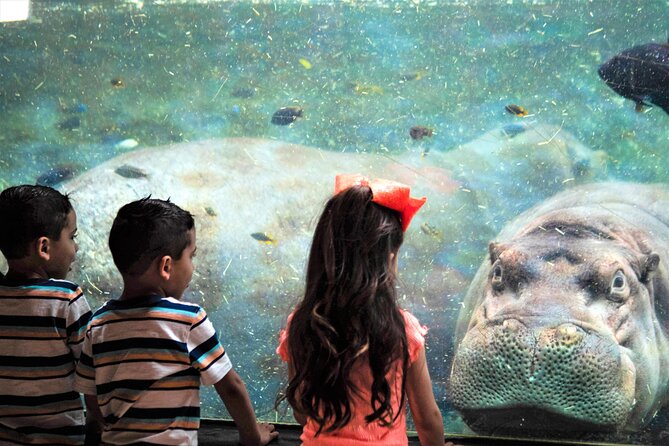
What I like about San Antonio Zoo is that the exhibits are arranged so you can build a route that makes sense. You do not need to “hunt” for what is near what, because the attractions group into clear sections.
Here is how to think about the key zones, and what to aim for in each:
Another San Antonio day, played differently:
- San Antonio Haunted History Ghost Tour
★ 4.5 · 771 reviews - Hopscotch San Antonio Immersive Art Experience
★ 4.5 · 644 reviews - Bulverde: Saturday Night Rodeo General Admission Ticket
★ 4.8 · 630 reviews - San Antonio: River Walk Cruise Ticket
★ 4.6 · 577 reviews
Africa Live! and the Savanna: hooves, birds, and wide-open viewing
In the Africa Live! area and the Savanna, you will likely spend time with animals that want open space and that visitors like to photograph. This is a great zone to start with, because it sets the tone: you get a mix of animals you recognize, plus chances to spot birds and other species you might not see as often.
If you are traveling with kids, this is where your day starts feeling “worth it” fast. The zoo tends to deliver those classic, recognizable moments early, and it is easier for younger kids to stay patient when there is visible action.
Amphibia: reptiles and the quieter side of the zoo
Amphibia is your temperature-check zone, in the sense that the animals here may be less “foreground active” than big cats. This is a good stop when you want a calmer pace and when your group is in the mood to slow down and observe.
Some visitors report that reptiles and birds can be especially strong here, even when mammals are harder to spot. That means Amphibia is often a good “backup plan” if the day turns into a more humid, animals-hide kind of afternoon.
Big Cat Valley: lions and jaguars, plus the promise of close viewing
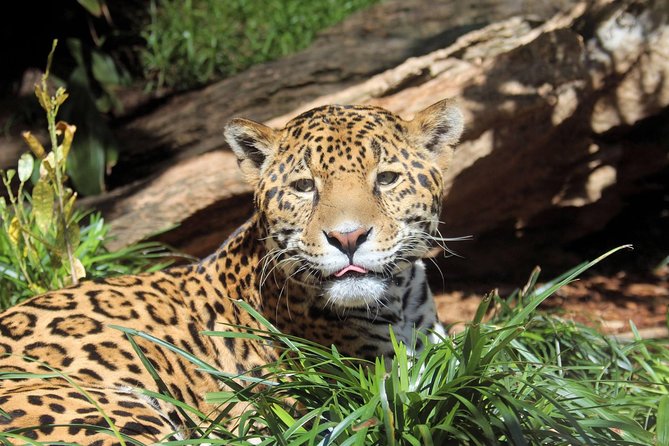
Big Cat Valley is the part of the zoo that most people treat like a centerpiece. You are there for the cats, including lions, and you may also catch impressive sightings that feel dramatic, like a cat moving across an elevated or road-crossing view. Even when the cats are not fully active, the exhibit format can still be entertaining.
One caution: big cat areas can be busy. If you want a clear view, take a moment to position yourself early, then give it a few minutes before you decide the animals are not out.
Flamingo Mingle: color, chatter, and a good staff vibe
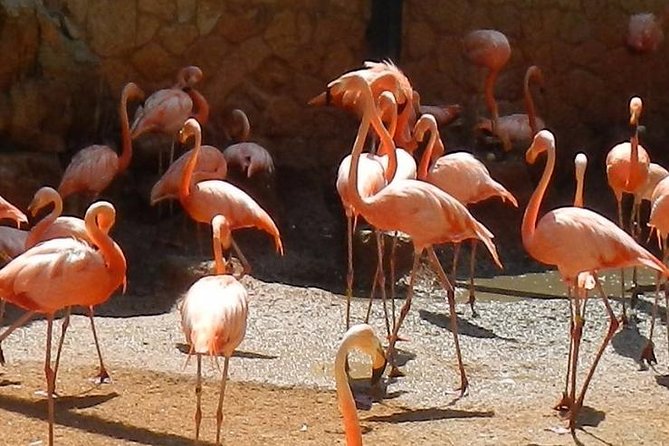
Flamingo Mingle is a feel-good zone. Flamingoes bring color, and the area is set up so you can keep coming back as they shift and feed. I also like that this part of the zoo is the kind of place where you can ask questions, get quick info, and feel like the staff is invested in your visit.
If your group loves birds, this is often the highlight that turns a “regular zoo day” into a “we want to come back” day.
Construction notes, and why your route may need flexibility
The one thing that can affect your day is that some areas may have construction or be under change. That can slow your route, reduce signage or context in a section, or make certain viewing areas feel less informative than you hoped. The fix is simple: keep your loop flexible and treat construction as a reroute, not a deal-breaker.
Daily talks and conservation: why the schedule matters
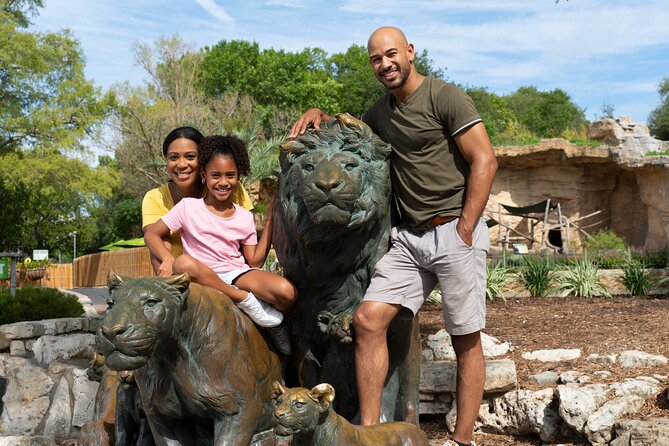
The big “extra” with this ticket is that you are not only looking at animals. You are learning why the zoo cares for them and protecting the places they live.
Daily presentations are a core part of the experience, including talks about animals like tigers and gibbons, plus other species that are popular on-site. The key is timing, because the talks only happen when they happen. Check the schedule once you are inside, then plan your route so you do not miss the one that interests you most.
Conservation is not treated like a side note. The zoo frames its mission around inspiring people to love, engage with, act for, and protect animals and their habitats. If you enjoy that kind of context, you will likely find the conservation messaging makes your pictures feel more meaningful.
If you do not want talks, you can still skip them and do the zoo as a straight wander. But if you are the type who likes to understand what you are seeing, the talks are a big value add.
Gorilla, big animal, and bird viewing: how to maximize what you see
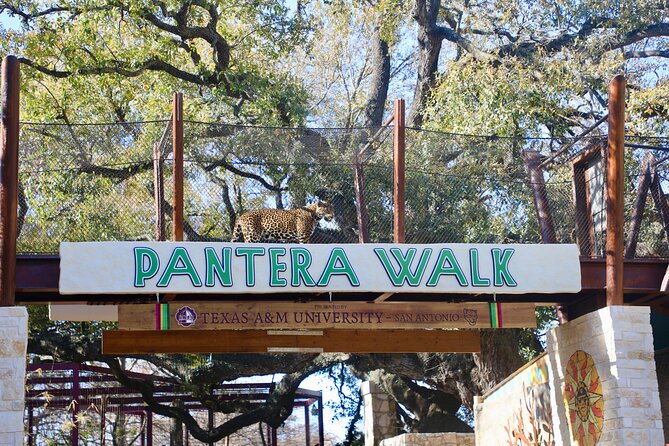
A zoo day is part planning and part luck. The luck part is animal behavior, and the planning part is where you spend your time.
Based on what visitors often praise, the gorilla area can be a standout when animals are active and visible. When they are out, you can get eye-level moments that are instantly memorable, especially for families. The catch is that gorillas can sometimes be less visible depending on the day, crowds, and the exhibit’s current public access.
The big cat areas can also swing between “excellent viewing” and “they are resting.” On hot days, mammals may hide, which can make the zoo feel slower if you go in expecting constant movement. If you can, plan your day so you hit key mammal zones earlier rather than waiting until late afternoon.
For birds, your odds are often steadier. Many visitors highlight the variety of birds and reptiles, and the flamingo zone can deliver strong color even when mammals are sleeping. If your group includes bird lovers, center your route around Flamingo Mingle and the bird-forward sections.
Family-friendly details that actually help with kids
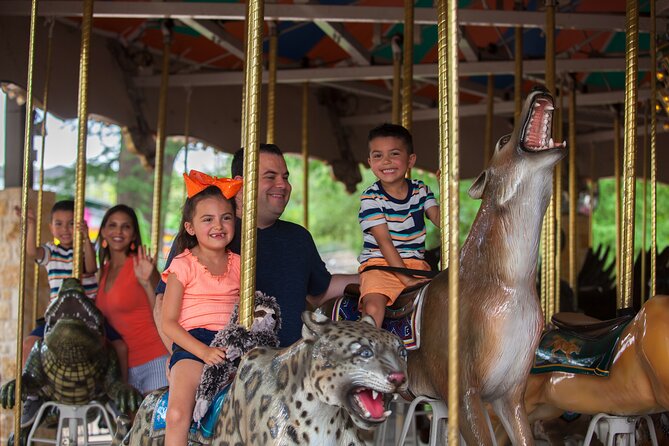
This is a family-friendly attraction built for a range of ages, with an easy rule to keep in mind: children must be accompanied by an adult. Younger kids often do best when you give them short goals, like “see the birds here, then find the big cats, then stop for a snack break.”
People also like the interactive feel of the zoo, including opportunities that can feel hands-on or close-up in spirit. That said, not every “extra” is included with admission, so keep expectations grounded: some animal interactions and special programs cost extra.
Cooling matters. Multiple visitors mention cooling stations helping during warm weather. That is not a small thing, because it affects how long you stay outside and how cranky your group gets. If it is a hot day, treat shade breaks as part of your itinerary, not a detour.
There are also kid-centered zones and learning moments. This makes it easier to keep attention on learning, not just on running around.
Getting around inside, including strollers, wheelchairs, and the zoo train
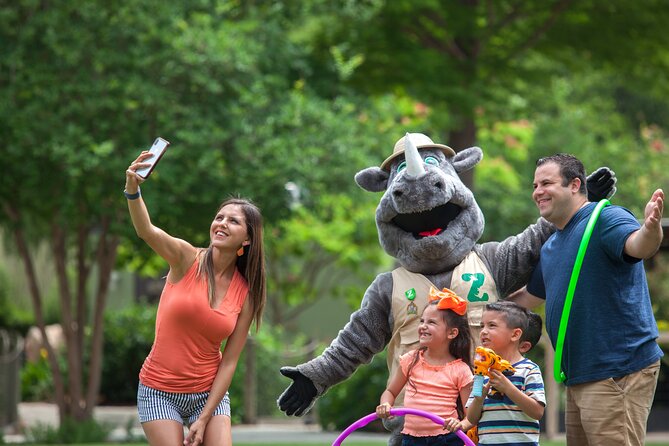
Inside the zoo, it is manageable for most people, and the site is wheelchair accessible. If you are bringing mobility gear, you can rent it on-site:
- Stroller rentals: $13 single, $16 double
- Wheelchair rentals: $10 wheelchair, $35 electric wheelchair, $45 electric wheelchair with canopy
All rentals require a valid driver’s license and are subject to availability.
One thing to watch: the zoo train is not designed as an “inside the zoo” shortcut. It may help some visitors, but it can feel limited if you expect it to carry you deep into the grounds. Also, it is often an add-on rather than included in general admission.
My advice: if you like trains and car rides, check the cost and decide on the spot. If your goal is maximum animal viewing per hour, put your energy into walking the main route and saving the extra ride for when it actually helps your pacing.
Food rules and what to do when you need a snack
Outside food is not allowed, other than bottled water, baby food, and formula. That means you should plan your snacks and drinks accordingly when you arrive.
If you are traveling with children, pack what is allowed, then use on-site food options as your plan B. It also helps to know that some advertised food stops may not always be open, depending on the day. Build in flexibility so hunger does not turn your zoo day into a stress day.
Hydration is your friend in San Antonio. Even if you plan to buy drinks inside, I would rather you arrive with water covered by the allowed exceptions.
Should you book this San Antonio Zoo ticket?
If you want a classic, self-guided zoo afternoon with room for learning, this ticket makes sense. The mobile entry and the built-in value of daily talks are the two things that make it feel more than just a checkbox. It is also a solid pick for families, since the zoo is designed to keep a mixed-age group interested.
I would rethink if you are expecting guaranteed nonstop animal action. Some exhibits may be crowded, some animals may be sleeping, and certain sections can be affected by construction or temporary closures. Still, even with those realities, the zoo’s mix of big animals, birds, and conservation education often lands well as a half-day plan.
If you are the type who wants your zoo day to feel effortless, do this: pick your top two zones, check the talk schedule right after you enter, and then build the rest of your route around whatever you see first.
FAQ
What is included with the San Antonio Zoo General Admission ticket?
The general admission ticket gets you into the zoo. Some animal experiences, the zoo train, and the Zootenial Carousel can cost extra, and breakfast and VIP tours must be purchased in advance.
How long should I plan to spend at the zoo?
Plan for about 4 hours.
What are the San Antonio Zoo opening hours in 2026?
The zoo is open 9:00 AM to 5:00 PM, Monday through Sunday, across 2026.
Can children visit, and is there a free age?
Yes. Children must be accompanied by an adult. Children under three can visit for free.
Can I bring outside food or drink?
Outside food or drink is not allowed. Exceptions include bottled water, baby food, and formula. Ice chests, coolers, and ice bags are not allowed.
Is parking available, and is it free?
Yes. Parking is available in the zoo parking garage between the zoo and Will Smith Zoo School, and it is free during zoo business hours.
Can I rent a stroller or wheelchair on-site?
Yes. Strollers can be rented for $13 for a single and $16 for a double. Wheelchairs and electric wheelchairs are also available for $10, $35, and $45 depending on the type. Rentals require a valid driver’s license and are subject to availability.
What if weather causes cancellations?
Inclement weather may temporarily close certain areas of the park. If the experience is canceled due to poor weather, you will be offered a different date or a full refund.
Reviewed most recently around San Antonio
- San Antonio: River Walk Cruise Ticket★ 4.6 · 577 reviews
- Bulverde: Saturday Night Rodeo General Admission Ticket★ 4.8 · 630 reviews
- Hopscotch San Antonio Immersive Art Experience★ 4.5 · 644 reviews
- San Antonio Premium City Tour with Alamo & River Walk Cruise★ 4.5 · 943 reviews
- The Haunted Ghost Bus Tour in San Antonio★ 4.5 · 971 reviews
- San Antonio Haunted History Ghost Tour★ 4.5 · 771 reviews
- San Antonio Missions UNESCO World Heritage Sites Tour★ 4.5 · 918 reviews
San Antonio Tours, compared.

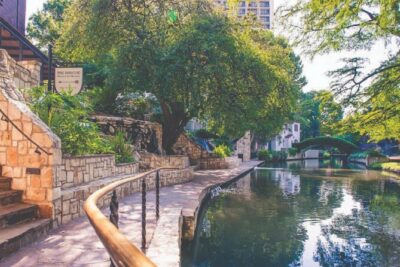
San Antonio Premium City Tour with Alamo & River Walk Cruise
Read our review →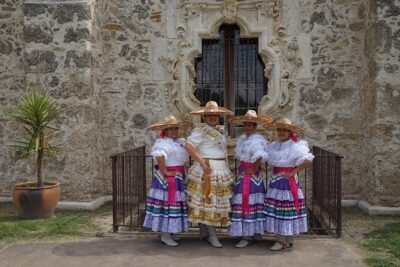
San Antonio Missions UNESCO World Heritage Sites Tour
Read our review →

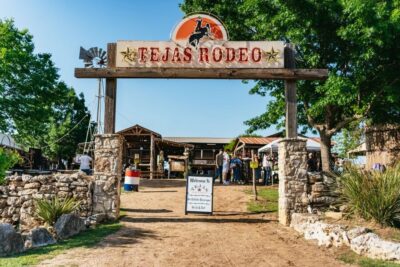
Bulverde: Saturday Night Rodeo General Admission Ticket
Read our review →
Browse the lists this tour appears in