
Reviewed · MUSEUMS
Country Music Hall of Fame and Museum Admission
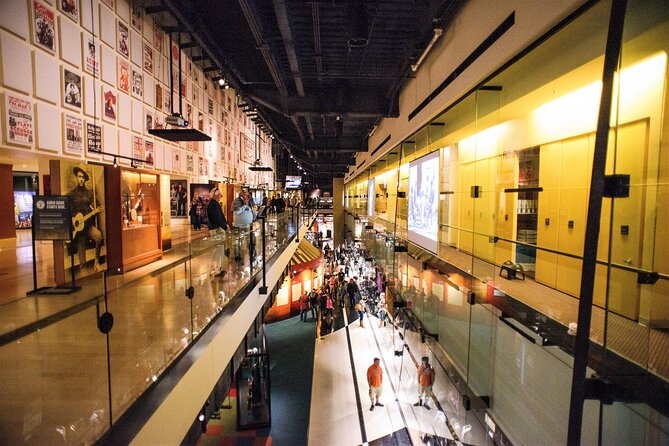
If country music matters to you, this museum is interesting because it tracks how the genre went from folk roots to major modern stars, using real artifacts and sound you can experience at your own pace. I like the scale and the setting, a 350,000-square-foot facility right in downtown Nashville, with a view out over Music City.
I also like the way the museum tells stories across time, with multimedia displays and hands-on stops like recording and songwriting areas plus a 40-foot guitar. The main drawback is that it is mostly self-guided, so if you want lots of guided talking or heavy hands-on play at every turn, you may need to choose a focus and budget extra time.
Key takeaways before you go
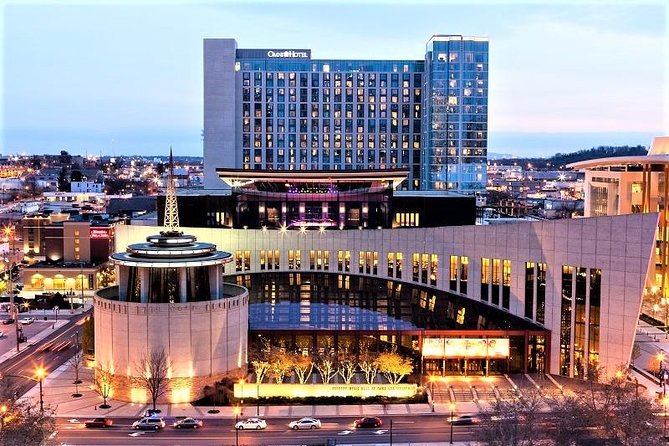
- 350,000 square feet in one modern building, designed for walking and browsing
- Two floors that follow the genre’s evolution from early roots to today
- Artifacts plus video plus carefully chosen sound recordings, so the stories have audio weight
- Interactive areas like recording, songwriting, and a giant guitar
- On-site shows and lots of programs throughout the year, often including live performances
- Four shops and multiple restaurants inside the same property, so you can build in breaks
Why This Museum Works as a Nashville Must-Do
The Country Music Hall of Fame and Museum is one of those places where you can feel the genre’s long memory. You get a modern building, serious presentation, and a layout that makes it easy to follow the timeline without feeling like you are reading nonstop. It is not just about famous faces. It is about how songs, performances, and the culture around country music grew and changed.
I particularly like the balance between “then” and “now.” You see classic figures, but you also get current stars in the contemporary galleries. That keeps it from turning into a dusty tribute. And because the museum uses sound recordings and video alongside artifacts, you are not only looking, you are listening in a way that helps the story land.
One more practical point: with 350,000 square feet under one roof, it is a strong choice when Nashville weather is cooperating poorly. You are not stuck searching for shade or building your day around outdoor plans.
More Museums in Nashville:
- Nashville: Country Music Hall of Fame and Museum
★ 4.7 · 945 reviews - NYC: 9/11 Memorial & Museum Timed-Entry Ticket
★ 4.8 · 31,428 reviews - NYC: Empire State Building Tickets – Observatory & Museum
★ 4.7 · 25,757 reviews
Price and Time: What $31.95 Gets You
The ticket price is $31.95 per person, and the recommended time window is about 2 to 4 hours. That range is honest. If you are a fast reader who skips most video, you can likely do it closer to the low end. If you stop for listening, watch the film clips, and spend time in interactive areas, plan more like the middle or the high end.
Here is the value angle I’d use: this is admission to a big museum with multiple levels and lots of content types. You are not paying for a single exhibit room. You are paying for a whole day’s worth of browsing if you want it, with enough variety to keep different interests satisfied, even if you are traveling with people who are not as deep into country music as you are.
Also, the group size is capped at 10 travelers. In practice, that matters most for how smoothly entry gets handled. You still should expect a normal museum flow, not a private concert hall, but the smaller cap is a nice sign for crowd control.
Walking In: How to Start So You Don’t Miss the Best Stuff
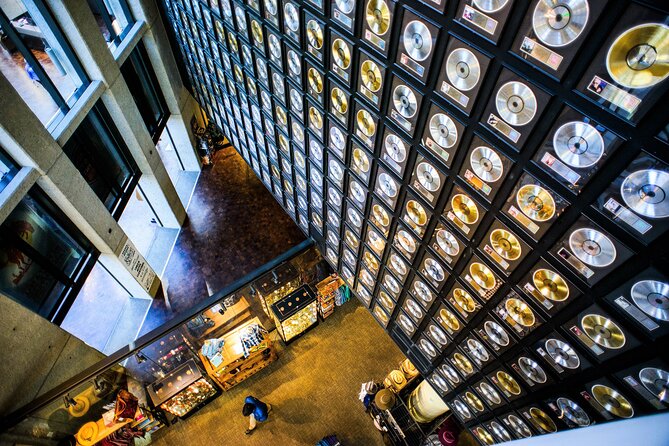
Once you enter, the museum is designed for two floors of galleries plus extra features. Start by deciding how you want to experience it. You can go straight through the timeline, or you can treat it like a playlist: pick a few eras that interest you most, then bounce around.
I recommend doing one “anchor” path first. For many people, that means following the major themed experience that begins with the early roots and works forward. After you’ve got that framework, you can slow down in the contemporary sections and the areas that let you interact.
One practical tip from how the museum is set up: wear comfortable shoes and plan on walking. People consistently call out that it is a lot to see. It is not a quick museum. The good news is that the exhibits are organized so you can keep moving without feeling lost.
Stop 1: Sing Me Back Home, Roots to the 1960s
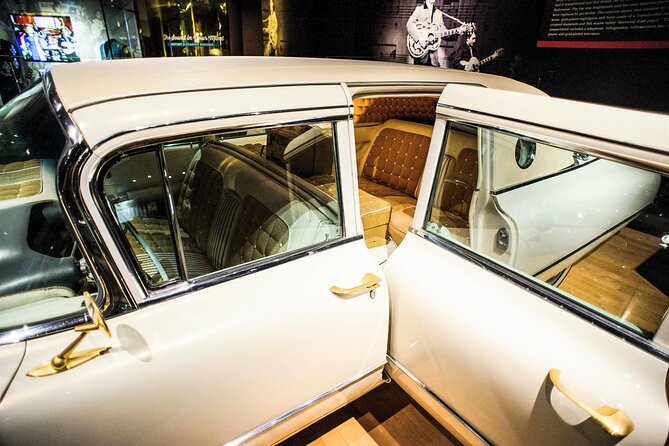
The museum’s first big step is the story experience called Sing Me Back Home: The Journey Begins, Folk Roots to the 1960s. This is where the museum sets the musical DNA. You see how country music’s early themes, styles, and influences grew out of older folk traditions and then shaped what came later.
What makes this area work is that it does not only tell you history in captions. It layers artifacts, video, and sound recordings so you can connect the dots with your ears, not just your eyes. If you care about how genres evolve, this is where the museum earns its keep.
If you are traveling with mixed music tastes, this is also a good starting point because the early story is broader. You can enjoy it even if modern country is what you mostly know.
Stack these Nashville options against each other
- Nashville Hop On Hop Off Trolley Tour
★ 4.5 · 5,643 reviews - Nashville: Food Tour with 5+ Tastings of Local Delicacies
★ 5.0 · 2,704 reviews - Best of Nashville City Sightseeing Tour on Double Decker Bus
★ 4.5 · 2,601 reviews - Explore the City of Nashville Sightseeing Tour by Golf Cart
★ 5.0 · 2,544 reviews
The 1960s to the Present: Dreaming My Dreams
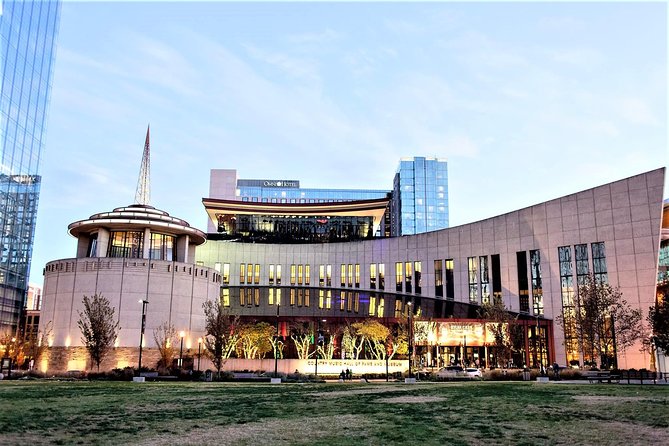
After that foundation, the museum expands the arc with Dreaming My Dreams: The Journey Continues, 1960s to the Present. This piece of the museum experience opened as an expansion in 2010, adding hundreds of new artifacts and multimedia elements focused on the more recent history of country music.
This is where you start seeing the genre’s growth into mainstream fame and global recognition. The galleries highlight big names and key shifts, but they also keep an eye on songwriting, performance style, and cultural context. It is a strong section for people who want the “who” and the “how did they get there.”
It also helps that the museum connects eras. You can see links from the older icons to today’s chart stars without the story feeling like a series of disconnected rooms.
Two Floors of Artifacts, Panels, Video, and Sound
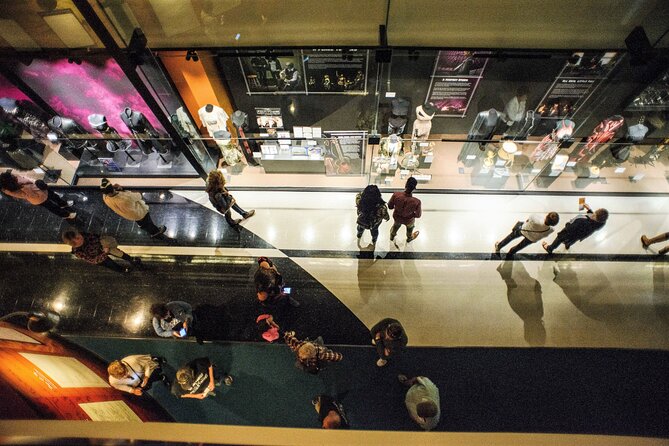
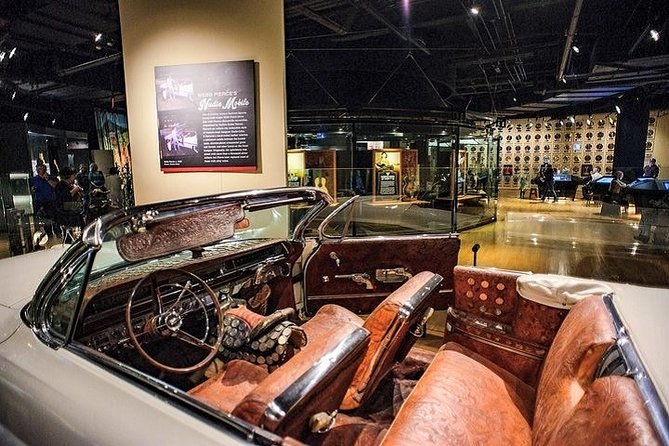
Across both floors, the museum covers an enormous collection. It protects and safeguards over 2.5 million artifacts, even though you are only seeing a curated portion during your visit. That scale is why the displays feel so dense. You are not looking at generic exhibit replicas. You are looking at real history, plus recordings and archival film components that bring it to life.
The museum uses biographical panels and audio storytelling to explain the people behind the music, from early legends through major modern artists. You’ll see names that many visitors recognize immediately, including Jimmie Rodgers, Hank Williams, Johnny Cash, Dolly Parton, and later figures such as Garth Brooks and Reba McEntire.
The contemporary side includes artists like Taylor Swift, Luke Bryan, Carrie Underwood, and Keith Urban. That matters because the museum treats modern artists as part of the same ongoing story, not as a separate museum wing.
And yes, you can expect plenty of listening. The combination of sound recordings with visuals is the difference between this museum feeling like a history classroom and feeling like a place where music still breathes.
Interactive Stations: Recording, Songwriting, and the Giant Guitar
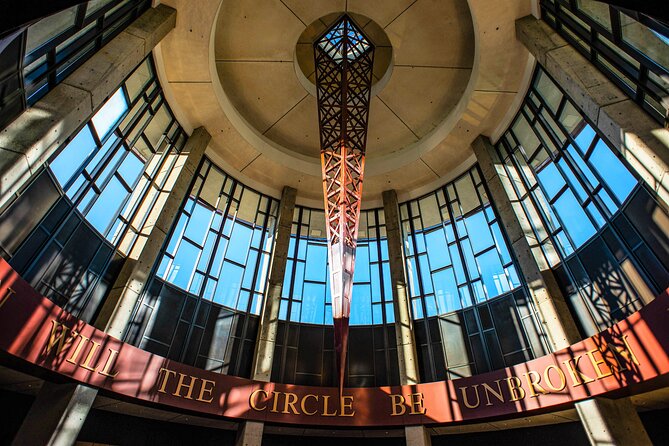
This is one of the museum’s best “do something with it” moments. The museum includes interactive stations, including areas related to recording and songwriting and a 40-foot guitar that is hard to ignore.
In a museum full of artifacts, interactive spots keep you from zoning out. They also help younger visitors or anyone who learns by doing. If you are the type who needs an activity to stay engaged, budget time here. If you rush past, you’ll feel it later.
I also like that the interactive elements do not break the tone of the museum. It stays grounded in real musical craft, not gimmicky distractions.
Live Programs and the Ford Theater Factor
The museum isn’t only static exhibits. It offers over 250 programs and activities each year, including opportunities to hear live music from country legends and renowned songwriters.
If your schedule lines up, you may catch live performances inside the museum spaces. One example that shows up is a Ford Theater performance by Andy May. Live events depend on dates and timing, but the point is useful for planning: check what is happening when you arrive, so your visit can include more than galleries and films.
This is also where you can make your visit feel more personal. A museum can be impressive, but a short live set can turn it into a memory you keep for years.
Special and Limited-Engagement Exhibits You Might See
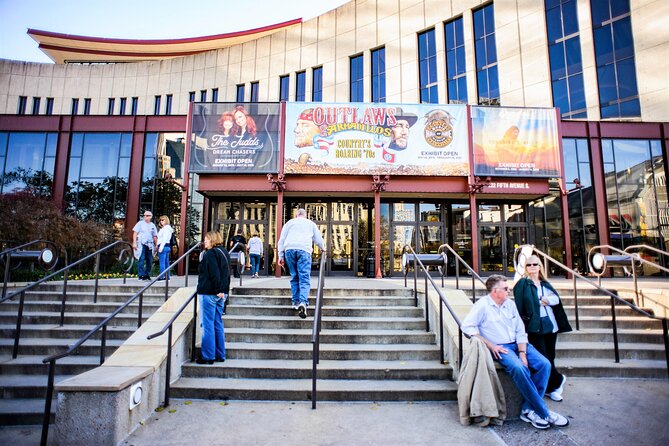
The museum also rotates limited-engagement exhibitions, meaning your experience can vary by season. Recent examples that visitors have highlighted include exhibits such as Muscle Shoals and Lainey Wilson. If you are booking specifically to see a current featured show, check what is on during your dates.
These special exhibits are worth your time because they usually add a tighter theme or a deeper angle than the core timeline. They can also be a fast way to discover a new artist or a new piece of the genre you did not know you’d care about.
Shops and Food Inside the Museum Complex
When you need a break, you do not have to leave the property. There are three restaurants on-site: 2|22, Red Onion, and Bajo Sexto Taco. That is a win if you are trying to keep your day simple and avoid a long walk back to your car or a ride across downtown.
You can also browse four shops: The Museum Store, Circa, Hatch Show Print, and the Haley Gallery. If you like taking a physical souvenir home, this is where it happens. The outlets offer books, music, museum souvenirs, original artwork, locally-made gifts, and country style apparel.
One shop that gets attention is Hatch Show Print, especially if a hands-on poster printing experience is running during your visit. Even if you are not into shopping, it is a good way to spend 20 to 30 minutes without losing the fun momentum.
Comfort Tips: When Things Feel Too Hot or Too Fast
A couple of practical notes based on real visit experiences: the museum is large and you will walk a lot, so comfortable shoes matter. Also, some people report that certain areas can run hot. If you tend to get uncomfortable in warm buildings, plan breaks in the galleries with seating and use the restaurants and shops as cooling pauses.
Another small strategy: if you only have a narrow time window in Nashville, pick your top two sections and commit. This museum has enough to tempt you into over-scheduling. Choosing a focus helps you enjoy it instead of sprinting through it.
Who This Museum Is Perfect For
This is a strong fit for:
- Country music lovers who want a timeline with real artifacts, audio, and video
- First-timers to Nashville who want one major indoor stop that feels like the city itself
- Families who need a mix of learning and interaction, including audio and hands-on areas
- People who love both classic legends and modern stars, since the museum treats them as one story
It is also a decent pick if you like American music history more broadly. The museum places country music inside the bigger context of American culture and evolution, not as an isolated bubble.
Where it may not be ideal is if you hate reading, stop-start multimedia, or self-guided pacing. This is not a lecture series. You get plenty of interpretation through exhibits, but the pace is yours.
Should You Book This Country Music Hall of Fame Admission?
I’d book it if you want one high-value Nashville attraction where you can control your pace. The ticket gets you into a big, modern museum with two floors, thousands of artifacts in a broad sweep, sound and video storytelling, and enough interactive moments to keep it from feeling purely like museum text.
You should think twice if you only want heavy hands-on activities or you prefer a fully guided tour. This experience is built for self-direction. The good news is that it is easy to slow down where you care most.
If you time it well, you may also catch a live program such as something held in the Ford Theater, and the museum’s 250+ programs each year makes it possible to get more than just galleries. For many people, that is what turns an admission ticket into a real highlight.
FAQ
How long should I plan for admission?
Plan on about 2 to 4 hours.
What does the ticket include for the price?
Your ticket includes admission to the Country Music Hall of Fame and Museum.
What are the opening hours?
For 2026, it is open Monday through Sunday, 9:00 AM to 5:00 PM.
Is it offered in English?
Yes, it is offered in English. Most travelers can participate.
Are service animals allowed?
Yes, service animals are allowed.
What is the cancellation policy?
You can cancel for a full refund if you cancel at least 24 hours before the experience starts. If the experience is canceled due to poor weather, you are offered a different date or a full refund.
Reviewed most recently around Nashville
- Nashville’s Dark Secrets Murder & True Crime Haunted Ghost Tour★ 4.5 · 726 reviews
- “Murder in Music City” Night-Time Ghost Walking Tour of Nashville★ 4.5 · 742 reviews
- The Ghosts of Nashville Night-Time Walking Tour★ 4.5 · 799 reviews
- Helicopter Tour of Downtown Nashville★ 5.0 · 868 reviews
- Ryman Auditorium Self-Guided Tour with Souvenir Photo Onstage★ 4.5 · 903 reviews
- Murals of Nashville Instagram Tour by Golf Cart★ 5.0 · 950 reviews
- Nashville Rollin Jamboree Comedy & Country Music Sing-Along Tour★ 5.0 · 965 reviews
- All-Inclusive Pub Crawl with Moonshine, Cocktails, and Craft Beer★ 4.5 · 975 reviews
Museums, compared.

Empire State Building Tickets – Observatory & Museum
Read our review →


9/11 Memorial, Ground Zero Tour with Optional 9/11 Museum Ticket
Read our review →
All-Access 9/11: Ground Zero Tour, Memorial and Museum, One World Observatory
Read our review →

Browse the lists this tour appears in