
Reviewed · WHALE WATCHING
Whale Watching from Ma’alaea Harbor
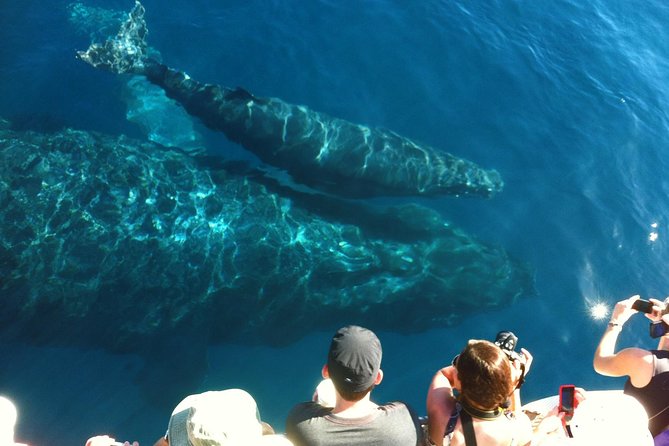
Whale watching from Ma’alaea Harbor is interesting because you are pairing classic ocean views with real science talk and actual listening for whale song. I like the certified marine naturalists onboard, and I’ve seen names like Jen pop up in recent departures, bringing the behavior of humpbacks into focus. I also like that you can use underwater hydrophones to hear what the whales are doing beneath the surface.
One consideration: your experience depends on the ocean and the whales. On windy, choppy days, the ride can feel rough, and with up to 70 travelers sharing viewing space, angles can get tight for a few people.
Key highlights you should not miss
- Whale song via hydrophones so you hear the activity, not just see it
- Guaranteed whale sightings, or the next tour is free
- Onboard marine naturalists who translate whale behavior into what you’re actually seeing
- Big viewing payoff when humpbacks are close, including calves and mother pairs
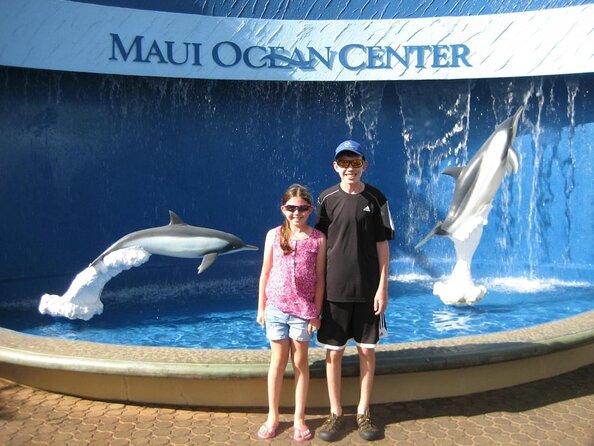
- Maui Ocean Center stop for local marine context, with ticket not included
- Ma’alaea Harbor shops stop for a quick snack or browse after the water
Ma’alaea Harbor whale watching: why this area works
Ma’alaea Harbor is a practical place to start because you’re based near a cluster of services, so your day doesn’t feel like a long logistical slog before you get to the water. And for humpback season, being on the right side of the island at the right time matters. When things line up, this kind of trip can deliver repeated sightings, not just a single quick glance.
What I like about this specific operation through Pacific Whale Foundation is the focus on humpbacks as a whole, not just a checklist item. You’re not only looking for a whale blow, you’re learning how humpbacks behave, communicate, and move around other whales, including mother and newborn calf moments when activity is high.
You should still know this is wildlife. Even with a strong plan, you can get a trip with lots of action, or a trip that’s more subtle, with whales farther out and mostly surface behaviors. If your expectations are flexible, you’ll have a better time.
More Whale Watching in Maui
- Maui Eco-Raft Tour: Eye-Level Whale or Dolphin Watching – Lahaina
★ 5.0 · 2,482 reviews - From Maalaea: Whale Watching Tour Aboard the Quicksilver
★ 4.5 · 1,461 reviews - Maui: Ultimate Whale Watch from Lahaina
★ 5.0 · 1,162 reviews
The 2-hour plan: Maui Ocean Center, then Ma’alaea Harbor
This tour runs about 2 hours total, with two land stops included in the schedule. The first stop is Maui Ocean Center for about 1 hour. The aquarium is described as one of the highest rated, with a mission focused on teaching about Maui waters and local marine life. One practical detail: admission to Maui Ocean Center is not included, so budget for that if you plan to go in.
The next stop is Ma’alaea Harbor for about 30 minutes. This is more of a buffer and break point than a full sightseeing stop. You’ll find Maui Harbor Shops above the harbor, with retail and food options, and it’s a nice moment to grab something small, use the restroom, and reset before the main part of the day’s whale time.
Because the total duration is short, don’t plan to do the aquarium like a deep museum day. Use it as a primer, then shift your attention back to the ocean. If you’re traveling with kids, this structure can also help. It gives them something to do without turning the day into a half-marathon.
On the water: what “guaranteed humpbacks” means in real life
The standout promise here is a whale sighting guarantee, with the next tour free if you don’t see whales. That’s a big deal in the world of whale watching because ocean conditions and animal behavior can be unpredictable.
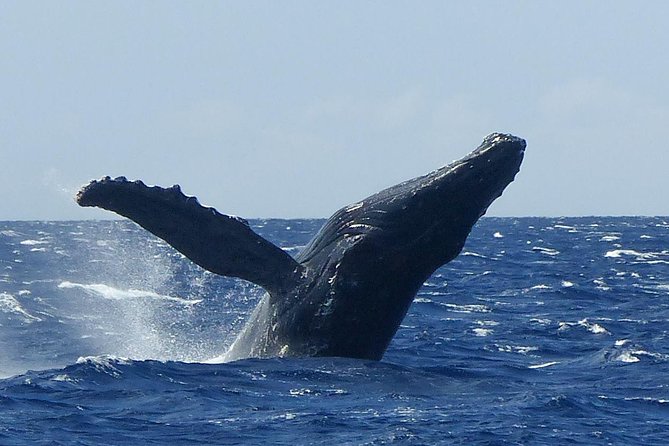
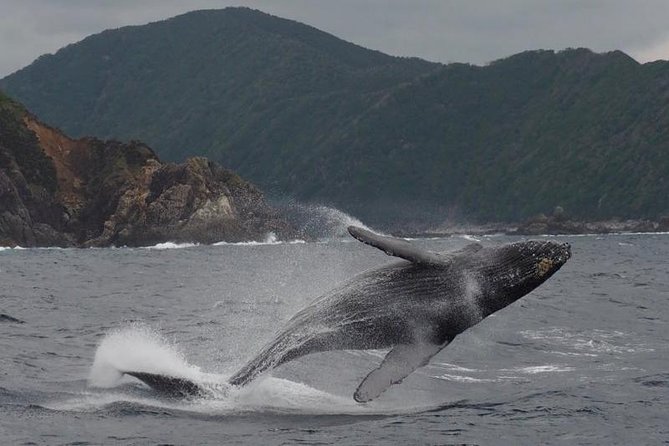
The best-case scenario is what people keep mentioning: you see adult whales and also newborn calves, and you get more than one kind of behavior. When whales are close, you may witness breaches and other surface activity, and you get time to watch rather than rush past once you spot something.
The more common reality is that you’ll likely see whales in cycles. One area gets quiet, then another area pops with activity. That’s why the onboard explanations matter. Even when sightings aren’t constant, you can still recognize what you’re looking at, like how a blow relates to movement, or how whales interact when you see multiple animals in the same area.
Also, bring a realistic mindset: if the day is rough, you may not get the same close-up feeling as on a calm day. Your goal should be whale-time with education, not a guarantee of a postcard moment.
Hearing whale song with hydrophones (and why it’s not just a gimmick)
This tour includes underwater hydrophones, and that is one of the smartest features on the list. Most whale watching is visual. Hydrophones add a second channel, and it changes how you experience the trip.
When the naturalist talks you through what you are hearing, you start connecting sound and behavior. You’re not guessing. You’re listening for whale song or activity signals, then matching that with what you’re seeing above the surface. It turns a boat ride into more of a guided wildlife encounter.
It also helps when visibility is imperfect. If it’s gray, windy, or the whales are a bit farther out, hearing their presence can still make the trip feel active. It’s one reason people come away feeling like they learned something, not just took photos.
One practical note: if you’re the kind of person who likes quiet concentration, you’ll probably enjoy the hydrophone moments. If you are the type who hates waiting around, focus on the naturalist cues about where attention is shifting, and treat sound cues as part of the hunt.
Another Maui day, played differently:
- Small-Group Road to Hana Adventure Tour with Pickup & Lunch
★ 5.0 · 3,064 reviews - Maui Pineapple Farm Tour in Haliimaile
★ 5.0 · 2,855 reviews - Maui: Haleakala Sunrise Spectacular with Local Breakfast
★ 4.5 · 2,155 reviews - Maui Snorkeling Adventure From Ma’alaea Harbor to Molokini
★ 4.5 · 1,997 reviews
The onboard naturalists: what they should help you notice
The biggest theme in strong feedback is how much the onboard team improves the viewing. The naturalist role here is not just reading facts from a card. They’re tying behavior to the moments you’re seeing on the water.
In recent departures, names like Jen and Richard have shown up in the kind of reviews that mention clear communication and real passion. The practical takeaway for you is this: the best whale watch is the one where you understand what you’re looking at.
Here are a few things you’ll get more from if the naturalist is doing their job well:
- spotting different behaviors, not just looking for the next blow
- understanding why whales cluster or move in patterns
- learning how mother and newborn calves may show up differently than adults
And you’ll likely appreciate the crew’s attempts to get you good viewing. Even with the best sightings, you can end up with people blocking each other. That’s where a crew that moves smartly matters, because it can reduce the odds that you only see the tops of spouts behind someone’s head.
If you rent binoculars onboard, use them. A few people mention having binoculars available, and that’s exactly the kind of practical add-on that can make a big difference on days when whales are visible but not close.
Comfort on a small boat: rough water and crowding
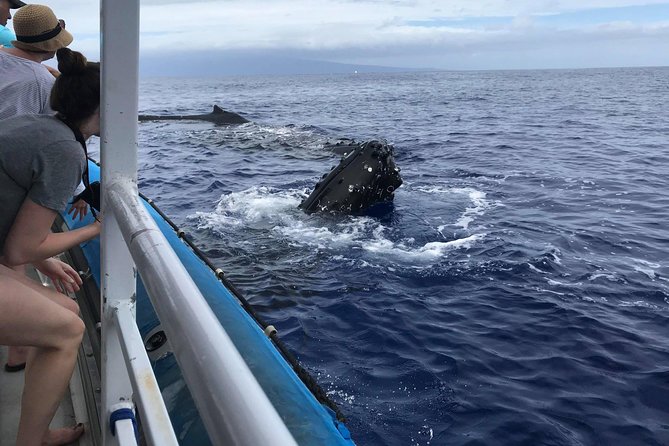
The ride is part of the experience, but it can also be the thing that decides whether you enjoy yourself. The ocean around Ma’alaea can get windy, and when it does, the water can feel rough. That shows up in feedback, with people still saying safety comes first.
Here’s what that means for you:
- If you’re sensitive to motion, plan ahead with your usual sea-sickness tools.
- Wear layers, and consider rain gear, since weather can shift fast.
- Expect that on a boat with up to 70 travelers, viewing angles can be uneven.
Crowds don’t ruin the trip, but they do affect how often you get a clear line of sight. If you’re near the back or in the densest area, your view can feel constrained. The hydrophones and the naturalist commentary still help, because you’re gaining information even when you can’t see everything perfectly.
The “comfortable ride” side of the feedback is also real. People describe the boats as comfortable and the crew as friendly and professional. So yes, you can have a smooth, well-run outing. Just don’t ignore the weather factor.
Price and value: is $82.65 a good deal?
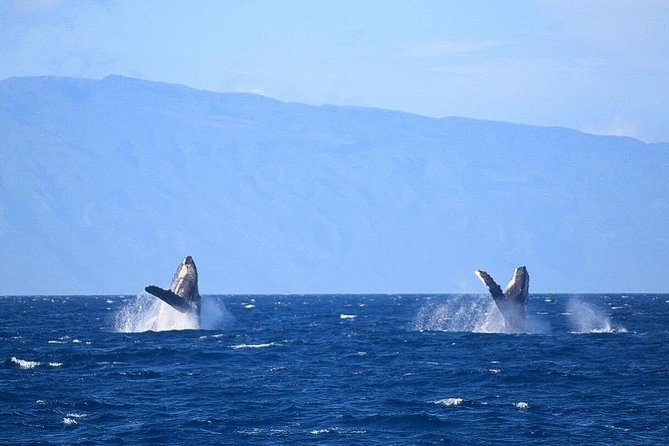
At $82.65 per person for about 2 hours, this is not a cheap add-on. The value comes from what you’re getting bundled together: a whale-focused cruise experience with marine naturalists, hydrophones, and a whale sighting guarantee.
If this were just a short boat ride with no education and no listening component, I’d call it overpriced. But the “learn what you’re seeing” part changes the math. You’re not only paying for time on the water. You’re paying for interpretation that makes your whale spotting more likely to feel satisfying, even on a slower day.
Then there’s the sighting guarantee. If you’re unlucky with whale activity one day, you have a path to try again without paying full price immediately. That kind of promise reduces the risk you feel when booking whale watching.
One cost you should plan for: Maui Ocean Center admission is not included. Alcoholic drinks and drinks are not included either. So if you’re the type who likes a drink onboard or plans to enter the aquarium, your final day spend will be higher than the base tour price. Still, for many people, the main whale experience is the main event, and that’s where the money goes.
What to pack and how to time your expectations
I think the two biggest comfort needs are weather readiness and realistic viewing expectations. Whale watching is best when you dress like you might get wet, and you accept that whales do their own schedule.
A short packing checklist based on what consistently matters:
- layers you can add or peel off
- rain gear or a waterproof jacket
- sun protection, since you’ll be outside
- motion support if you need it
For your mindset, aim for curiosity, not control. Even highly praised trips can produce different whale activity day to day. If you go in thinking you’re guaranteed constant breaches and whales swimming beside the boat every minute, you’ll get disappointed. If you go in ready to watch patterns, listen for song, and enjoy multiple sighting moments when they happen, you’ll enjoy it more.
And since the tour is around a short window, try not to cram your schedule around it too tightly. Give yourself breathing room so you can enjoy the aquarium stop and still feel relaxed about the harbor time.
Who this tour suits best
This whale watch is a strong match if you:
- want humpback-focused education, not just a generic boat tour
- enjoy being guided to notice behavior and communication
- like the idea of hydrophones so you experience more than visual spotting
- value a whale sighting guarantee with a next-trip option
It may be less ideal if you:
- want a long, unhurried day on the water
- hate crowding and feel sensitive to shared viewing areas
- require guaranteed close-up proximity, no matter the conditions
If you’re traveling as a family, the structure can work well because it includes a land component first, then the harbor time, then the whale day. Kids must be accompanied by an adult, and children 4 and under are free, but they still need to be included in your booking. That’s helpful if you’re planning around ages.
Should you book Whale Watching from Ma’alaea Harbor?
I’d book this tour if you want a well-run, humpback-specific whale watch with marine naturalists and the added value of underwater hydrophones. The price makes sense when you remember you’re paying for education plus a whale sighting guarantee, not just a generic sighting hunt.
Book it even sooner if whale activity is important to you and you like the idea of a next-tour option if your first outing is light. And if you’re the kind of traveler who can handle changing weather and shared boat space, you’ll likely walk away happy, even on a day when sightings are more subtle than the best-case stories.
FAQ
How long is the whale watching tour from Ma’alaea Harbor?
The tour is listed as approximately 2 hours.
Is Maui Ocean Center admission included?
No. Maui Ocean Center admission is not included for the 1 hour stop.
What is included in the tour price?
The tour includes all taxes, fees, and handling charges, plus a fuel surcharge and local taxes.
Are drinks included?
No. Drinks are not included, and alcoholic drinks are available to purchase (minimum drinking age is 21).
Does the tour include hotel pickup or drop-off?
No. Hotel pick-up and drop-off are not included.
Will I definitely see whales?
The tour offers a whale sighting guarantee, or the next tour is free.
What if the weather is poor?
This experience requires good weather. If it is canceled due to poor weather, you will be offered a different date or a full refund.
Reviewed most recently around Maui
- Cycle to the Sea with Maui Bombers★ 5.0 · 406 reviews
- Snorkeling for Non-Swimmers with Photos Guided Tour Wailea Beach★ 5.0 · 415 reviews
- West Maui Afternoon Snorkel from Ka’anapali Beach★ 5.0 · 427 reviews
- Haleakala Sunrise Tour with Breakfast and West Side Pickup★ 5.0 · 436 reviews
- The Maui Butterfly Farm Tour★ 5.0 · 446 reviews
- Maui 8 line Zipline Adventure: Soar above valleys & Island views★ 5.0 · 458 reviews
- Rappel Maui Waterfalls and Rainforest Cliffs★ 5.0 · 459 reviews
- Doors Off West Maui and Molokai 45 minute Helicopter Tour★ 5.0 · 487 reviews
Whale Watching, compared.
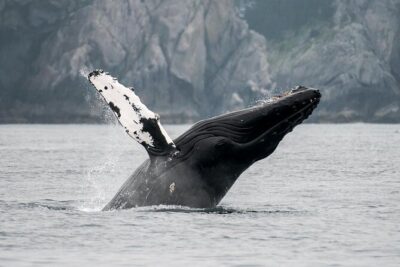
Juneau Wildlife Whale Watching & Mendenhall Glacier
Read our review →
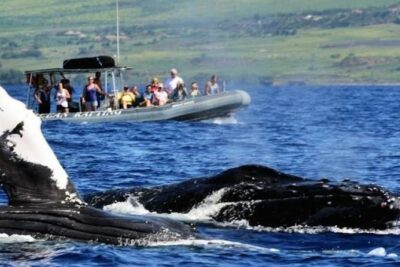
Maui Eco-Raft Tour: Eye-Level Whale or Dolphin Watching – Lahaina
Read our review →
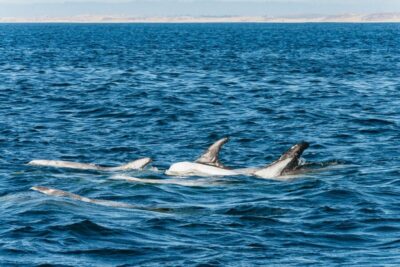
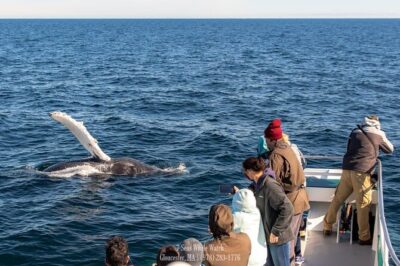
Whale Watching Trips to Stellwagen Bank Marine Sanctuary. Guaranteed sightings!
Read our review →Browse the lists this tour appears in