
Reviewed · WHALE WATCHING
Wildlife Viewing, Sightseeing and Whale Watching Quest
This Ketchikan whale and wildlife outing is interesting because it treats an afternoon on the water like a working search mission. You head out with a local, family-run crew that knows where whales tend to show up, then you cruise through Tongass National Forest waters with narration as the coast does what it does best: rain, mist, and wildlife.
I love the small-boat feel and the chance to pick indoor or outdoor seating when the weather shifts. I also love that it includes hot drinks, snacks, and live spotting help, so you stay comfortable while you look. The one drawback to plan around is that whale sightings are never guaranteed, so you should go for the overall wildlife and scenery, not only for whales.
If you are visiting Ketchikan on a cruise day, this is also one of those trips that fits nicely into your schedule. After the 2.5 hours or so on the water, you have time for more downtown exploring while it is still light out.
Key highlights that make this Ketchikan whale quest practical
- Smaller, less-crowded vessel with a max of 66 travelers, so you can actually move and get good sightlines
- Indoor and outdoor seating plus blankets and hot drinks, a lifesaver in Ketchikan rain
- Live narration that connects wildlife you spot to Ketchikan’s culture and wildlife basics
- Crew-led searching in Tongass Narrows with frequent checks for whale activity, including signs like bubble circles
- Binocular support (and a few quick photo moments at the right stops) so you are not guessing
- Stops like Metlakatla and Walden Rocks, where eagles and harbor seals can steal the show
Meeting at Ketchikan Visitors Bureau, and why timing and docking matter
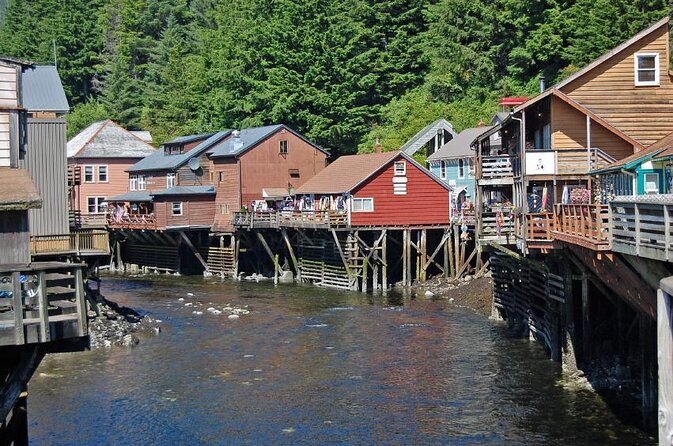
Your trip starts at the Ketchikan Visitors Bureau at 131 Front St. Plan to check in 30 minutes before your selected start time, especially if you are working around cruise-ship timing. This matters because Ketchikan is compact, but cruise schedules are not always perfectly synchronized with independent tours.
If your cruise ship docks downtown at Berths 1 to 4, the walk is usually easy. From Berth 2, it is about a 1-minute walk from your ship’s gangway, and from Berths 1, 3, or 4 it is roughly a 5 to 12 minute stroll depending on your pace. If you dock at Ward Cove instead, you will need the free cruise shuttle. Give yourself extra buffer, because that shuttle takes about 20 to 30 minutes and then you walk another 8 to 12 minutes.
I like this setup because it is straightforward. You are not hunting for a remote pickup spot in the rain. You are just getting on the water.
More Whale Watching in Ketchikan:
- Juneau Wildlife Whale Watching
★ 5.0 · 7,379 reviews - Juneau Wildlife Whale Watching & Mendenhall Glacier
★ 5.0 · 6,236 reviews - Whale Watching Tour in Gloucester
★ 5.0 · 4,460 reviews
A smaller boat, real comfort, and what you get before you even spot whales
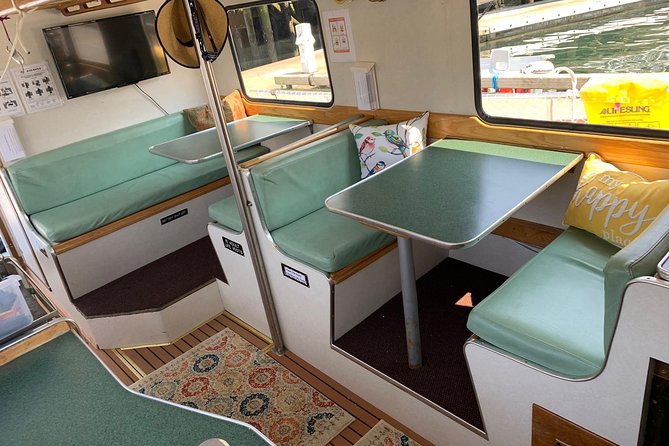
Once you check in, you head aboard a smaller boat than many big whale-watching vessels. That difference shows up fast. You tend to feel less packed in, and you are more likely to find space to stand for a better view when something happens.
You choose indoor or outdoor seating. When the weather is good, the outside deck is where you want to be. When it is cold, wet, or gusty, the indoors keeps you warm while you still get a view. Blankets and binoculars are provided, which is a big deal if you want to actually see behavior, not just silhouettes.
Food and drinks are included, and it is not just a token cookie. You get snacks like chips and pastries, plus coffee, tea, bottled water, and flavored sparkling water. In colder weather, hot drinks make a huge difference in how long you can stay focused on the water. One practical plus from past riders is that the boat has a clean bathroom, which sounds basic until you are out on the water in the cold.
For wildlife viewing, binoculars help you pick out bald eagles in treetops or scan rocky edges for seals. For whales, they help you confirm what you are seeing before you point your camera in the wrong direction.
Thomas Basin to Revillagigedo Island, where you start spotting birds and the coast tells stories
After boarding, you cruise from Thomas Basin, a lively harbor area where working fishing boats and local skiffs share the water. This part of the trip is not only scenic. It is the warm-up phase where you set your eyes on the local patterns: birds overhead, shorelines lined with forest, and the way the water reflects the Tongass coast.
Then you move along the shores of Revillagigedo Island. Ketchikan calls this the salmon capital of the world, and you can feel that theme in the way the coast is used. The island is wrapped in Tongass National Forest, with towering spruce, hemlock, and cedar. On calmer water, the reflections are sharp enough to make your camera work less for a good shot.
This section is also where you may spot bald eagles perched in treetops. Along the shoreline, you might even spot deer or black bear depending on conditions and season. When salmon season begins, you will notice salmon leaping from the water. Locals call them “jumpers,” and it is one of those simple observations that quickly makes the ecosystem feel real.
There is also a weather reality check here. Ketchikan gets over 140 inches of rain each year, so plan your clothing for mist, drizzle, and sudden temperature dips. Even with indoor and outdoor seating, you will enjoy the cruise more if you layer up and do not treat rain like an inconvenience. It is part of the deal.
Tongass Narrows and the hunt for humpbacks and orcas
Tongass Narrows is where the main wildlife spotting effort really happens. This is the water that connects everything, and it is where your crew’s knowledge matters. The captain and crew head directly to areas where whales are most likely to be found. That does not guarantee whales, but it improves your odds and saves time.
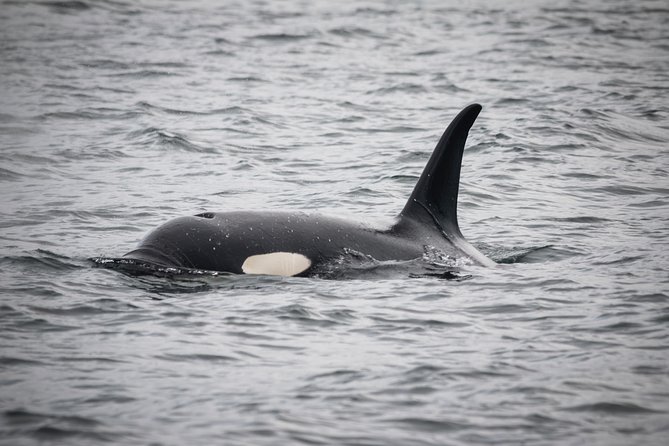
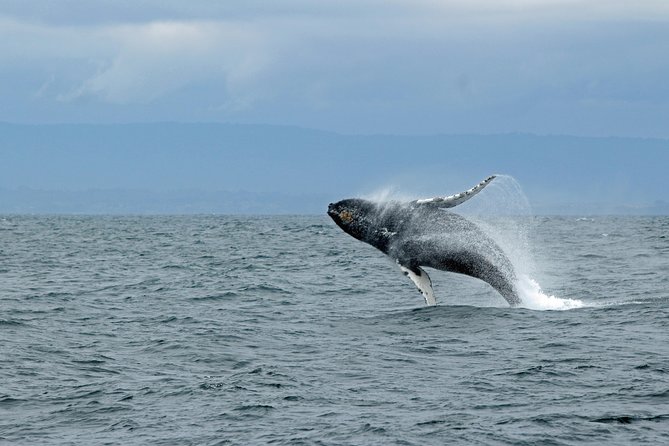
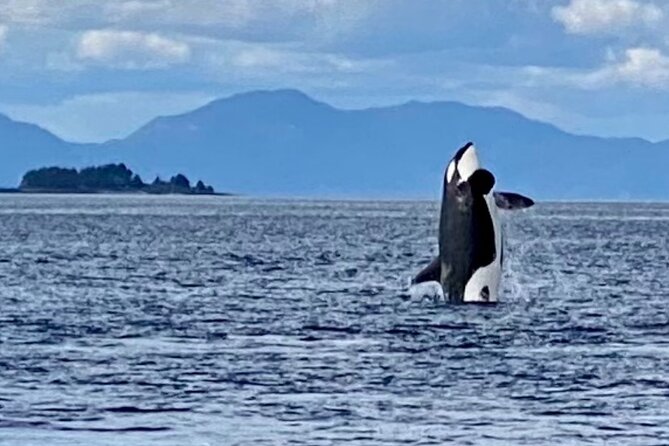
When whales show up, look for migratory humpbacks and orcas, along with other whale species that may be present. You might also spot harbor seals lounging near rocky outcrops. Seabirds are a near-constant bonus in this region, and they often cue you to action in the water.
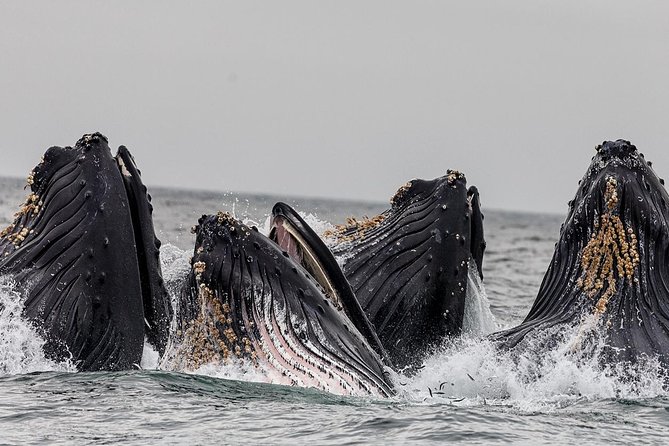
One of the most useful habits from the crew is how they watch for whale signs and help you time your camera. In particular, the boat crew looks for cues like bubble circles. If you see those signs, you can get ready rather than scrambling when the whale surfaces.
A few things to know as you watch:
- Water conditions affect what you see. Mist and wind can reduce clarity, even when whales are close.
- Orcas and some whales can be farther away depending on where they feed or travel.
- Even when whales are feeding, you may only get brief moments, then they shift.
The good part is that the outing is not only about whales. Even on quieter days, eagles, seals, and the constantly shifting scenery of Tongass forest along the coast keep the trip from feeling empty.
Stack these Ketchikan options against each other
- From Miami: Everglades Airboat, Wildlife Show & Bus Transfer
★ 4.2 · 8,622 reviews - Miami: Everglades National Park Airboat Tour & Wildlife Show
★ 4.5 · 7,296 reviews
Metlakatla for active eagle moments, then Walden Rocks for seals
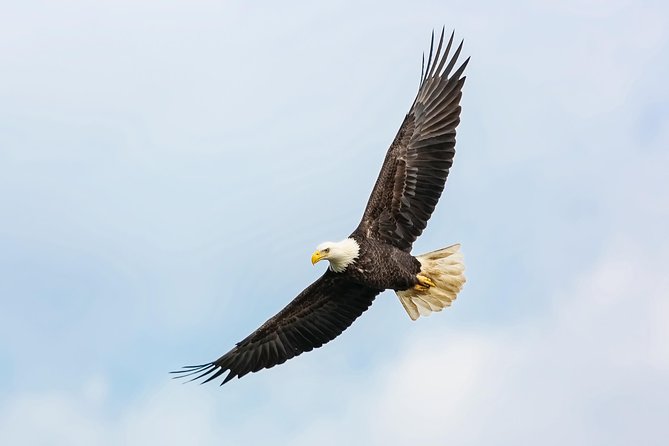
A standout part of this tour is the stop that often includes Metlakatla. Metlakatla Island is home to an active bald eagle nest, and in peak season the crew pauses to feed the eagles. If eagles are active, this can be one of those “only in Alaska” moments, where you watch birds launch overhead and dive with precision to grab fish near the boat.
Even if the feeding moment is not happening on your exact day, Metlakatla is still a powerful wildlife stop. Eagles often provide both motion and scale. When they are near, they make the rest of the landscape feel smaller.
After Metlakatla, the cruise shifts to Walden Rocks, a favorite resting spot for spotted harbor seals. When the tide is low, seals haul out onto the rocks and soak up sun. Sometimes they are relaxed. Sometimes they are curious and watch your boat drift by.
The time at Walden Rocks is typically a few minutes. That is short enough that you will feel the urgency to look, but long enough to get a couple of photos if the seals are visible. It also keeps the day moving toward the next best chance for wildlife on the water.
Price and what you actually get for $178 in Ketchikan
At $178 per person for about 2 hours 30 minutes, this is not the cheapest thing you can do in Ketchikan. But it is also not a bare-bones boat ride, and that matters.
Here is what you are paying for in practical terms:
- A smaller max group size (66 travelers), which usually means a better experience than the biggest-boat crowds
- Indoor and outdoor seating, plus blankets, so weather is less of a show-stopper
- Snacks and non-alcoholic drinks, including hot coffee or tea and hot chocolate-type comfort in colder weather
- Binoculars provided for real viewing
- Live narration, which turns random sightings into something you understand
- Crew effort to locate whales, including steering toward likely whale areas rather than simply cruising randomly
If whales are your top priority, the most honest value metric is how much effort the crew puts into finding activity. You are not paying just for time on a boat. You are paying for search and interpretation.
If you go in expecting at least some wildlife even if whales do not cooperate, the value feels stronger. Bald eagles and seals are common targets in this itinerary, and Tongass scenery is its own kind of reward.
Who should book this whale and wildlife quest, and who might want a different option
This outing fits best if you:
- Want a comfortable whale-watching format with indoor warmth and blankets
- Like the idea of a family-run crew that knows where to look and does not treat whales like a lottery
- Want more than one type of wildlife, with eagles, seals, seabirds, and often whales
- Are okay with a tour length that is long enough to matter but short enough to leave time for Ketchikan downtown afterward
You might choose a different option if you:
- Need a guaranteed whale sighting, because sightings are not guaranteed here
- Hate cold and rain so much that you want a primarily land-based option instead of an afternoon on the water
One small comfort note from past experiences: a few riders felt the snack choices were limited, and one person pointed out that smoking was allowed if you want it. If either of those things matters to you, I would plan to bring a positive attitude and focus on the wildlife side of the trip.
Should you book this Ketchikan whale and wildlife tour?
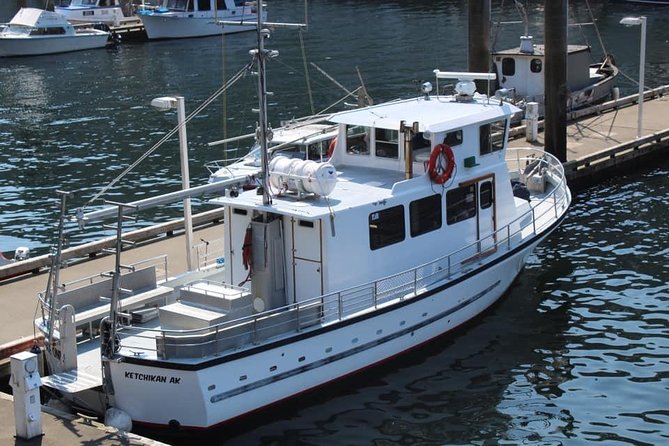
I think you should book it if your goal is a well-run, comfort-focused wildlife boat trip in Ketchikan. The biggest reasons are the smaller boat size, the indoor-outdoor setup, and the fact that the crew actively searches in Tongass Narrows with live narration and viewing support like binoculars and blankets.
If you are on the fence because you have heard whale watching can be hit or miss, take the same approach as a smart Alaskan visitor. Go for the full package: eagles at Metlakatla, seals at Walden Rocks, seabirds along the Tongass coast, and the chance at humpbacks or orcas if the timing and tides line up.
Book this one when you want value that is not only about a single animal. If whales show up, great. If they do not, you still get a solid Alaskan water day with real wildlife moments and a crew that helps you see what is out there.
FAQ
Where is the meeting point?
Your meeting point is the Ketchikan Visitors Bureau at 131 Front St, Ketchikan, AK 99901. Check in is recommended 30 minutes before your tour start time.
How long is the tour?
The tour runs about 2 hours 30 minutes, approximately.
Is there indoor seating on the boat?
Yes. You can choose between indoor and outdoor seating, and blankets are provided for colder weather.
What wildlife might I see besides whales?
You may see bald eagles, harbor seals, deer or black bear along the shoreline (season and conditions dependent), and lots of seabirds. Whale sightings are not guaranteed.
What is included in the ticket price?
Snacks and non-alcoholic drinks are included, such as chips and pastries, coffee, tea, bottled water, and flavored sparkling water. Binoculars and blankets are also provided.
Do I need to bring anything for weather?
Yes. Bring weather-appropriate clothing and plan on layering. Even with indoor seating, you will still benefit from being prepared for rain and mist.
What if I am coming from Ward Cove instead of downtown?
If your cruise ship docks at Ward Cove, you’ll use your cruise line’s free shuttle to get downtown. You should allow at least one hour for the shuttle and walking to the meeting location.
Is there live narration during the trip?
Yes. Expect live narration about Ketchikan’s history, culture, and wildlife as you cruise.
What happens if it gets canceled due to weather?
If the experience is canceled due to poor weather, you will be offered a different date or a full refund.
Can I cancel for a full refund?
You can cancel up to 24 hours in advance for a full refund. If you cancel less than 24 hours before the start time, the amount you paid is not refunded.
Reviewed most recently around Ketchikan
- Bering Sea Crab Fisherman’s Tour from Ketchikan★ 5.0 · 747 reviews
- Ketchikan All In One★ 4.0 · 963 reviews
- Ketchikan Duck Tour★ 4.5 · 2,600 reviews
- Ketchikan Kayak Eco-Tour★ 5.0 · 869 reviews
- Off the Beaten Path Ketchikan Photo Safari – 3 hr.★ 5.0 · 901 reviews
Whale Watching, compared.
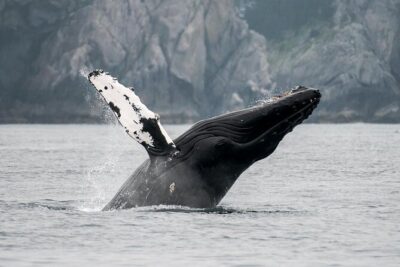
Juneau Wildlife Whale Watching & Mendenhall Glacier
Read our review →
Maui Eco-Raft Tour: Eye-Level Whale or Dolphin Watching – Lahaina
Read our review →
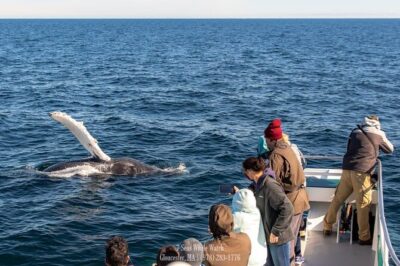
Whale Watching Trips to Stellwagen Bank Marine Sanctuary. Guaranteed sightings!
Read our review →Browse the lists this tour appears in