
Reviewed · OAHU TOURS
Rock-A-Hula Ticket
Rock-a-Hula turns Waikiki’s Royal Hawaiian Theater into a time-capsule performance that tracks how Hawaiian music and dance changed from the 1920s to today, with live band energy and eye-catching stage visuals. It’s a straightforward night out that fits families and couples alike, with mobile ticketing that keeps things low-stress.
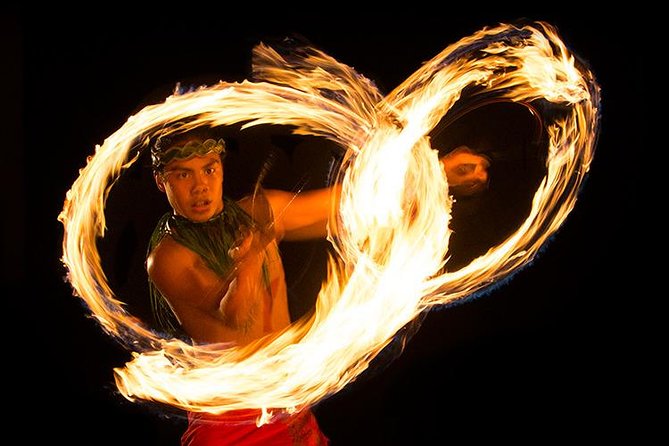
I especially like the mix of live music and skilled dancers, plus the show’s focus on how hula styles evolved, including references to Hapa-Haole hula and modern takes. Second, I like that the production builds in headline moments like fire knife dance, so even if you only catch one or two segments, you still walk out with something memorable.
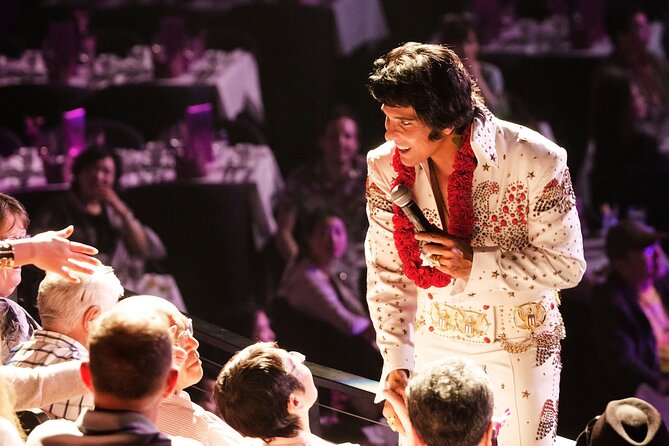
One drawback to keep in mind: the show leans into rock and pop, including Elvis and Michael Jackson tribute segments, so if you’re hunting for a purely traditional Hawaiian-only program, you may want to set your expectations first.
Quick hits before you buy
- 750-seat Royal Hawaiian Theater comfort with soft, spacious seating and generally easy sightlines
- Live band plus dancers that keep the momentum going from era to era
- Fire knife dance and other high-skill stage moments that land no matter your taste
- Meet and greet with the cast included, so you get more than just a sit-and-watch night
- General seating included, so you are paying mainly for the show production
- Max group size of 10 travelers, which can feel more personal than big-audience tours
Rock-a-Hula at the Royal Hawaiian Theater: what kind of show is it?
Rock-a-Hula is not a quiet cultural lecture. It’s a theater production built to entertain, with a clear storytelling goal: show how Hawaiian music and hula evolved over roughly the last century. The stage at Royal Hawaiian Center becomes the setting for a “Hawaiian Journey” style narrative presented by Waikiki’s Biggest Show, and it aims to connect the past to the present using live performance, costumes, and stage imagery that references real concert visuals.
The tone is part showmanship, part history lesson. You’ll see traditional and contemporary elements side by side, including hula styles tied to different eras. The point is not to treat hula as a museum piece. It’s to show how musicians and dancers adapted over time, including the influence of Western pop culture on Hawaiian music.
If you like live bands, fast costume changes, and stage effects, this is an easy “yes.” If you prefer your Hawaiian entertainment strictly traditional with zero pop influence, you’ll want to read this as a hybrid show first, then decide.
Stack these Honolulu options against each other
- Oahu Grand Circle Island and Haleiwa Tour: 9-Hr Deluxe Experience
★ 5.0 · 17,387 reviews - Oahu: Grand Tour Around Island 16 Locations plus Snorkeling
★ 5.0 · 8,669 reviews - Salute to Pearl Harbor Including USS Arizona
★ 4.5 · 7,433 reviews
Price and value at $99: what you’re paying for
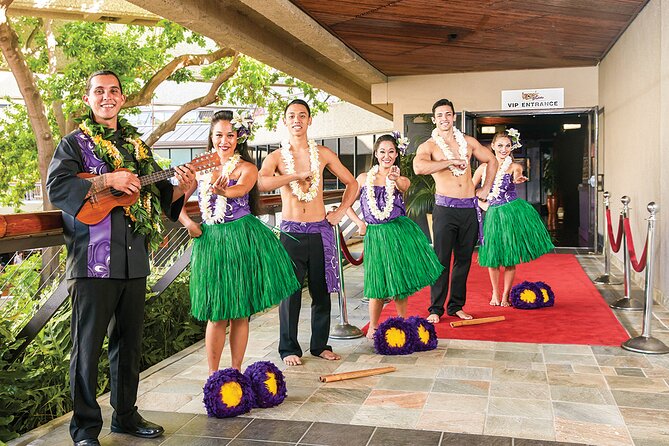
At $99 per person, Rock-a-Hula is priced like a serious Waikiki night out. The value comes from what’s included with the base ticket:
- Entrance to the Rock-a-Hula show with general seating
- A meet and greet with the cast included
- The venue itself, which is a dedicated theater setup: 750 seats in a premier space
Most people think they’re paying for a performance only. In this case, you’re also paying for production scale: a live band, a dance troupe, and the staging needed for fire and knife dance moments. Reviews also repeatedly point to the theater layout as a big plus, with no bad seats in practical terms.
What is not included (unless you choose an upgrade): dining. One person specifically noted that the show ticket does not include the buffet and that a buffet upgrade, when offered, has been quoted around $96 per person. If you want a full meal attached to the experience, plan to budget extra or choose the VIP-style option that the experience mentions.
Bottom line: $99 is fair if you treat this as the main event of your evening. It gets less efficient if you already planned a big dinner somewhere else and you mainly want a quick taste of hula.
Timing in Waikiki: when the show starts and how long to plan
The experience starts at 7:15 pm, and the running time is listed as 1 to 3 hours. That range matters. A show with a meet and greet can run smoothly but still vary based on how the program flows and how the theater manages the room.
I suggest building a little breathing room around your schedule. If you’re trying to stack this with dinner, keep it close to the same area (Royal Hawaiian Center is the hub) and don’t book something that forces you to leave the minute the show ends.
Also remember this is in Honolulu, so plan for nighttime comfort: bring something warm enough for the theater and for walking outside afterward, especially if you’re sensitive to cooler air conditioning.
Mobile ticketing and easy entry
You’ll use a mobile ticket, which is exactly the kind of detail that reduces friction on vacation. You don’t need to hunt for a printed ticket or worry about paper in a hot, humid day pack. It also means your main job is showing up on time and keeping your phone charged.
If you’re traveling with family, mobile tickets are also easier to manage than group paper tickets. Just make sure everyone’s entry access is ready before you reach the theater doors.
Another Honolulu day, played differently:
- Majestic Circle Island Tour with Lunch
★ 5.0 · 7,014 reviews - Oahu’s Ultimate Tour: Dole, Turtle Snorkel, Pali Lookout & More
★ 4.5 · 5,461 reviews - Oahu Circle Island Tour with Turtle Snorkeling – Small-Groups
★ 5.0 · 5,214 reviews - Oahu: Pearl Harbor USS Arizona Memorial
★ 4.5 · 5,209 reviews
The Royal Hawaiian Theater: why seating matters more than you think
This is one of the smartest parts of the whole experience. The Royal Hawaiian Theater is described as a 750-seat, multimillion-dollar venue, and reviews repeatedly say there aren’t really bad viewing positions. People call out that all seats are great, and they mention the seating feels soft and spacious.
That matters because hula and stage effects are visual. When your view is blocked or far away, a fire knife moment can become less impressive than it should be. Here, the theater design helps you see costumes, dancers, and the stage picture clearly enough that you don’t have to gamble on seat selection beyond what your ticket type covers.
Since the base ticket is general seating, you’re not paying extra for assigned seats. If you want to save money and still get a good view, this setup is part of the deal.
Stop 1: Rock-a-Hula, the show that tracks Hawaii from the 1920s to today
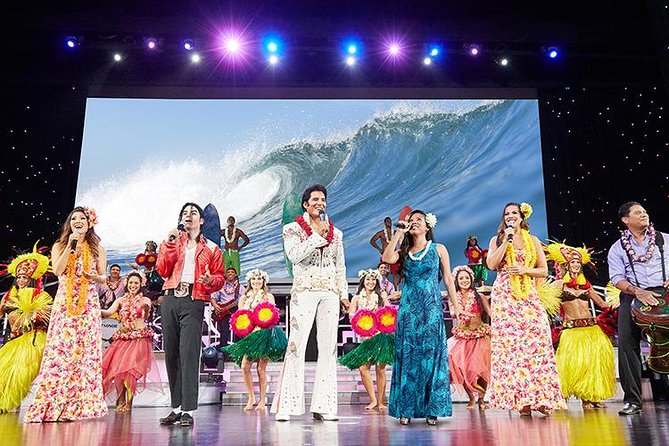
The core experience happens in one continuous main event, Rock-a-Hula. Think of it like a musical and dance timeline, not a single-theme performance.
How the story moves through eras
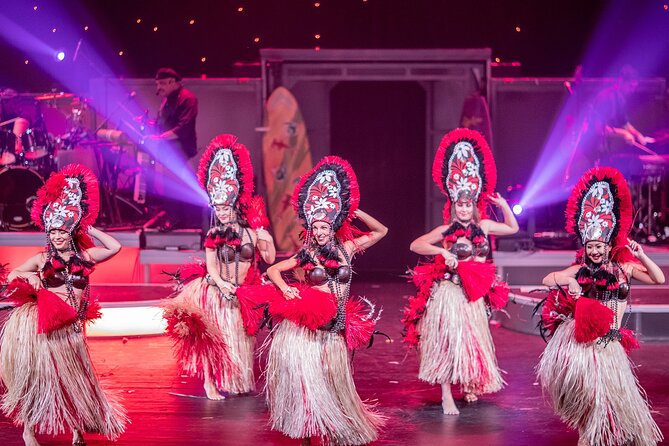
The show presents Hawaii’s music and dance evolution from the 1920s to present-day. You’ll see a progression that connects older styles to the modern soundscape of today. It includes references to Hapa-Haole hula as well as contemporary styles, so the program doesn’t treat Hawaiian performance as frozen in time.
A key part of the production is that it aims to explain change, not just display it. That’s why people describe it as learning something while still having fun.
Live band energy, plus stage imagery
You get a live band, and that live sound is a big reason this feels more like theater than a background show. The stage includes captivating imagery tied to actual concert visuals, which helps the story feel like it’s grounded in how performances were experienced across time.
In practical terms, it gives you a “scene-setting” effect. You’re not only watching dancers, you’re also seeing cues that reinforce the era shift.
Fire knife dance and other high-skill moments
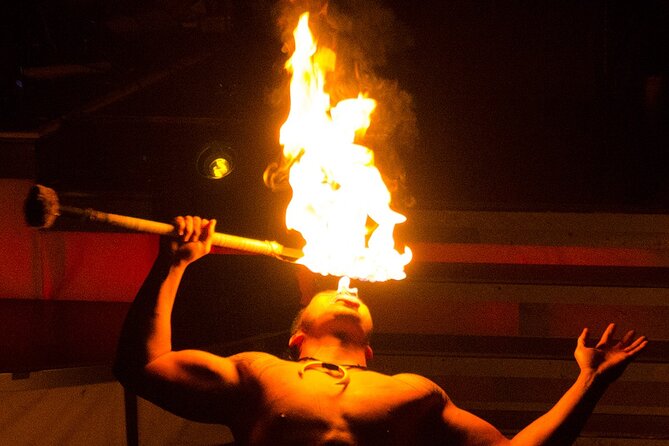
One of the biggest “must see” points is the fire dance moment, including fire knife dance. This is the kind of segment that cuts through any mixed tastes you might have. Even if you’re not a fan of the rock and pop portions, you’ll likely find the fire skills impressive.
Reviews also call out that fire and dancing performers bring real showmanship. One person even ranked the fire twirlers among the best parts.
The Elvis and Michael Jackson segments: fun for some, a question for others
A lot of people love the inclusion of Elvis and Michael Jackson tribute artists. In several accounts, these impersonators are described as highlights, with specific praise for Elvis-style performance and Michael Jackson stage moves.
That said, not everyone wants the pop focus. Some people found the show more Broadway-like and said it leaned heavily into rock and pop rather than staying strictly Hawaiian music and traditions. A few mentioned they expected a more authentic Hawaiian emphasis.
Here’s the balanced way to think about it: if you like pop history stitched into local music evolution, you’ll probably have a great time. If your priority is traditional Hawaiian-only performances, consider that this show is designed for a mixed audience and uses pop references as part of the narrative arc.
Audio mix: the main technical complaint to note
The most common technical frustration is sound balance. A few reviews say the band was too loud compared with singers, or that singers were hard to hear. Others mention excessive singing, or that the vocals needed more volume.
So, you should come expecting a high-energy production where the music and band drive the show. If you are extremely sensitive to vocal clarity, you might want to sit closer to the stage or be ready for volume variation during big musical sections.
Meet and greet with the cast: how this changes the experience
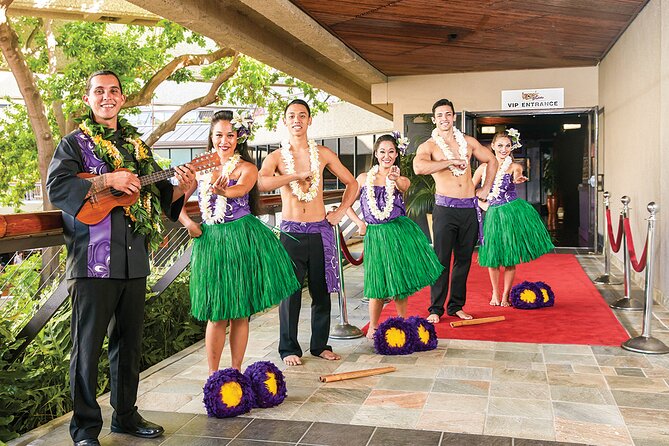
The base ticket includes a meet and greet with the cast. That’s a real value add because it turns the night from purely passive viewing into a chance to interact.
A few practical tips to get more out of it:
- Be ready with a short question or comment, not a long speech. Time with performers is usually limited in live shows.
- If you’re with family, take a group photo if it’s offered in the flow after the performance. Some accounts mention audience photo moments after the show.
Even if you focus on the story and the dance, the meet and greet gives you a way to connect the performers to the show you just watched. It’s also a nice confidence boost for kids, especially if they’re seeing dancers and fire performers for the first time.
What kind of traveler should book Rock-a-Hula?
This show fits best when you want one ticketed event that does a lot. The energy level makes it easy for couples, friends, and families. Many people mention it works for a range of ages, and some describe it as a fun way to end an active day in Honolulu.
It’s also a good choice if you want:
- A night in a proper theater with comfortable seating
- A clear through-line that connects Hawaiian music changes over time
- Big moments, especially fire dance
It may be less ideal if:
- You’re specifically hunting for only traditional Hawaiian music with no pop elements
- You are very picky about vocal volume and mix
- You hate tribute-style segments, even when used as part of a historical story
If you’re unsure, decide what you value more: a high-energy entertainment package with a broad timeline, or a focused traditional performance that avoids pop culture references.
VIP and upgrades: when it makes sense to pay more
The experience mentions an upgrade to a special VIP experience and includes sample menus in the broader options. That tells me the base ticket is the “show only plus meet and greet” version, while VIP packages likely add dining and better pre-show perks.
If you plan to make this your anchor activity of the evening, VIP can be worth considering. If you already have dinner plans elsewhere, you might not need the upgrade. And if dining is a must, remember that the show ticket by itself may not include a buffet, with at least one cited upgrade price around $96 per person.
Weather, rules, and practical comfort
Rock-a-Hula is described as operating in all weather conditions, with a note to dress appropriately. That’s useful in Honolulu where rain showers can pop up fast.
Also, service animals are allowed, and most people can participate. If you’re bringing older family members or anyone with mobility limitations, the theater setting is generally easier than outdoor performances, since you’re sitting in a stable venue for most of the show.
Before you go: my checklist so you enjoy every minute
Here’s what I’d do to set yourself up for a smooth, satisfying night:
- Show up with time to settle in before the start at 7:15 pm
- Wear comfortable shoes for the walk in and out of Royal Hawaiian Center
- Bring a light layer for air conditioning inside the theater
- If you care about audio clarity, position yourself thoughtfully in general seating
- If you want dinner, check what’s included in your ticket type before you assume a buffet is part of the base deal
Should you book Rock-a-Hula?
I’d book Rock-a-Hula if you want a lively, theatrical night in Waikiki with a live band, strong dance performances, and at least one big stage moment that people repeatedly call out, the fire dance.
Skip or think twice if you’re hoping for a show that is strictly Hawaiian-traditional with no Elvis or Michael Jackson tribute content. The pop influence is part of the production’s way of telling the music story, and that doesn’t appeal to everyone.
If you like the idea of connecting hula and music changes from the 1920s to now, and you’re happy to let the show be equal parts performance and timeline, this is a solid value for a single ticketed event in Honolulu.
FAQ
What time does the Rock-a-Hula show start in Honolulu?
The experience starts at 7:15 pm.
How long is the Rock-a-Hula show?
The duration is listed as about 1 to 3 hours.
How much does the Rock-A-Hula ticket cost?
The price is $99.00 per person.
What does the ticket include?
The base ticket includes entrance to the Rock-a-Hula show with general seating, a meet and greet with the cast, and it is described as Waikiki’s biggest Hawaiian show experience.
Is there a mobile ticket?
Yes, the ticket is a mobile ticket.
Does it run in bad weather?
It operates in all weather conditions, and you’re advised to dress appropriately.
What is the cancellation policy?
Free cancellation is available up to 24 hours in advance for a full refund. If canceled within 24 hours, the amount paid is not refunded. If the experience is canceled due to poor weather, you’ll be offered a different date or a full refund.
Reviewed most recently around Honolulu
- Ultimate Pearl Harbor Circle Island★ 5.0 · 404 reviews
- Honolulu Airport, Cruise Port and Hotels Private Transfer★ 5.0 · 452 reviews
- Chief’s Luau Admission Including Transfers★ 4.5 · 457 reviews
- Pearl Harbor USS Arizona Memorial and Honolulu City Tour★ 4.0 · 460 reviews
- Oahu: Pearl Harbor Complete Experience Passport★ 4.5 · 469 reviews
- Waikiki Beach: Turtle Snorkeling and Sailing on Hāwea★ 4.7 · 469 reviews
- Oahu: 45 Minute Sights Unseen Helicopter Tour – Doors Off or On★ 5.0 · 477 reviews
- Sights & Bites Ultimate Oahu Circle Island Foodie Tour★ 4.5 · 492 reviews
Oahu Tours, compared.

Oahu Grand Circle Island and Haleiwa Tour: 9-Hr Deluxe Experience
Read our review →
Grand Tour Around Island 16 Locations plus Snorkeling
Read our review →


Oahu’s Ultimate Tour: Dole, Turtle Snorkel, Pali Lookout & More
Read our review →
Oahu Circle Island Tour with Turtle Snorkeling – Small-Groups
Read our review →
Browse the lists this tour appears in