
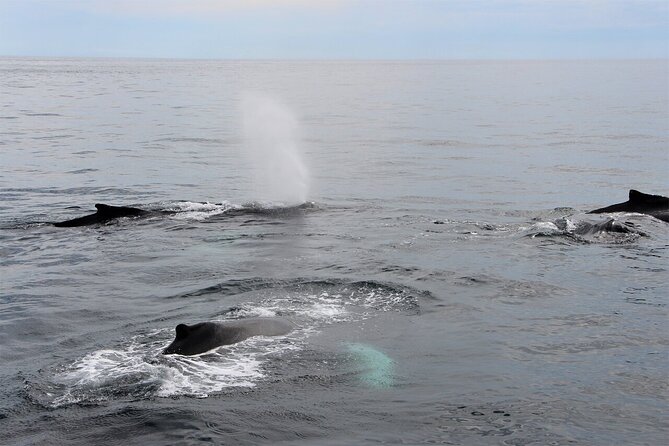
Reviewed · WHALE WATCHING
Whale Watching Tour in Gloucester
Gloucester’s whale watching trip to Stellwagen Bank National Marine Sanctuary is interesting because it’s built for results. Instead of spending most of your time just getting out to sea, you go fast on a high-speed catamaran so you can spend more of the half-day on the actual whale grounds.
I especially like two things here. First, the Hurricane II design is made for viewing, with plenty of space on deck plus a heated indoor cabin when the wind cuts. Second, the onboard naturalist adds real context, with guides sharing names, behaviors, and what to look for while you’re watching.
One possible drawback: it’s still the ocean. On rougher days, late-season trips can get choppy, and you may feel it even if you usually handle boats fine.
Key things to know before you go
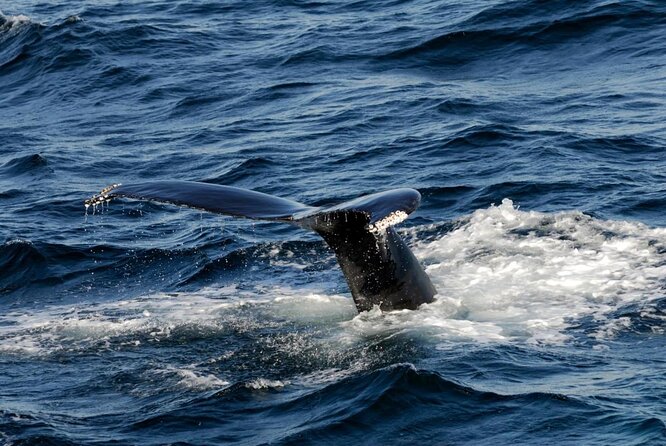
High-speed transport to Stellwagen Bank means more time scanning than sitting on transit
Hurricane II viewing setup includes heated, furnished indoor cabin plus upper and lower observation space
Naturalist-guided spotting helps you understand what you’re seeing on the water
Hot meals and snacks available onboard (and a bar at your expense) keeps you fueled
Crew actively repositions the boat so more guests get a turn with good sight lines
Weather can make the ride rough so pack for motion and wind, not just sun
Why Stellwagen Bank from Gloucester Works So Well for Whale Spotting
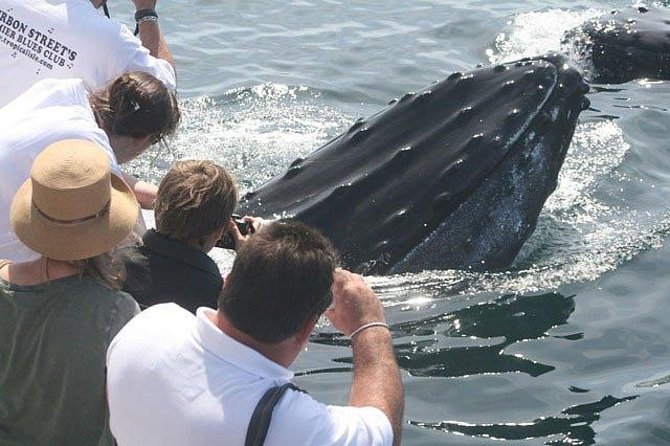
This is one of the places where the timing of the ocean matters, and Stellwagen Bank is a big reason. It sits close enough to Massachusetts that you can run a half-day tour without it feeling like a long grind. The goal is simple: get you to productive waters quickly, then keep you there long enough to actually watch.
I also like that this tour is structured around whale behavior, not just a search-and-hope approach. The vessel communicates with other boats to help locate where whales are active. That means the captain can adjust the route if sightings shift, including out toward the North Shore and South Shore areas off places like Salem, Newburyport, Cape Cod, Rockport, and even as far as Hampton, NH.
Still, be realistic. Wild whales do not follow schedules. If they’re spread out, you may see fewer whales than the most crowded photo days. If conditions are tough, you may not have the smooth ride you want. That said, the tour is clearly optimized to turn your time into actual viewing.
More Whale Watching in Gloucester:
- Whale Watching Trips to Stellwagen Bank Marine Sanctuary. Guaranteed sightings!
★ 5.0 · 2,135 reviews
Hurricane II Catamaran: Big Deck Space and Heated Backup When It’s Cold
The star of the show is the Hurricane II, a large high-speed catamaran (115 feet long) built for whale watching. What you feel immediately is the scale of the viewing area. You’re not stuck in a narrow lane. There’s observation space on both the upper and lower decks, plus an indoor cabin if the weather changes.
I love having that heated indoor option because Gloucester weather can swing fast. Even in seasons that are generally comfortable, wind off the water can make the rail time feel longer than you planned. The heated cabin gives you a place to warm up without giving up the chance to see whales.
The onboard galley is another practical win. You can purchase hot meals, snacks, and cold beverages during the trip, and there’s also a fully stocked bar with local brews, popular beer, wine, and mixed drinks at your expense. So you’re not forced into buying everything outside the boat, and you can plan your day around a true half-day block instead of turning it into a full-day food hunt.
One more thing I appreciate from the setup: this tour keeps you moving. The vessel is fast enough to reach the feeding grounds quickly and head home sooner, which should translate into more total time with the wildlife once whales are found.
From 415 Main St to the Whale Grounds: What Your First Hour Really Feels Like
Your day starts at 415 Main St in Gloucester. This is straightforward, and the tour ends back at the same meeting point, so you’re not juggling multiple transfers. You’ll want to arrive at least 45 minutes before your reservation. That buffer helps with parking, check-in, and boarding, which matters when you’re on a fixed departure time and the captain wants to get underway.
A lot of people are drawn to whale watching because they want that first sighting moment. The early portion of the trip is where the tone gets set. You’re transitioning from land sounds to open-water scanning. The crew and naturalist can also help you look at the right things, like how to spot surfacing patterns, what to watch for between blows, and why dolphins and porpoises can show up even when whales are harder to find.
One review notes it took about 90 to 120 minutes to find whales, so plan mentally for a search phase. The important part is what happens once whales are located.
How This Tour Searches for Whales (and Why the Boat Can Go Far)
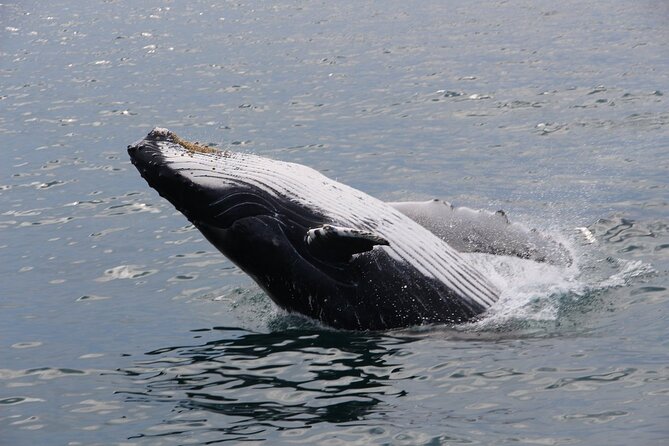
The tour aims to get you to where whales are, not where the calendar says they should be. That’s enabled by a simple advantage: the Hurricane II can move quickly to reach likely feeding areas. Since whales can shift, speed matters. It lets the captain react.
And yes, the route can extend across a wide region. The vessel can go off the coast of Boston and out toward nearby Massachusetts communities like Salem, Newburyport, and Rockport, plus farther options like Cape Cod. The point is that you are not locked into one small box.
Once you’re out there, you’ll look for a range of species that fit the waters of Stellwagen Bank and the surrounding area, including humpback whales and fin whales. The tour may also include sightings such as minke whales, harbor porpoises, Atlantic white-sided dolphins, and other marine creatures. The information provided also lists possibilities like blue whales, Northern Right whales, pilot whales, sperm whales, and more, but your real takeaway should be this: you might see a mix, and the naturalist will help you make sense of the behavior you’re seeing.
The best part for many first-timers is that you’re not just staring into fog. The naturalist onboard helps you identify what’s in front of you and explains why whales do what they do. In one named example, Jessica served as the naturalist and helped make the narration engaging and interesting for families. Another example: Tina was mentioned as a scientist onboard, with people praising how much information they got once the animals appeared.
When the Whales Show Up: More Watching Time Than You Think
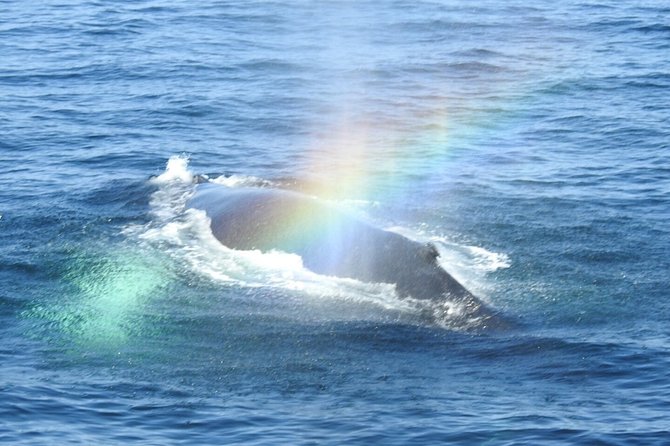
Here’s where this tour earns its reputation. It is designed to spend more time on the water with whales and less time running back and forth. Multiple accounts describe staying near humpbacks for an hour or more after the crew found them. That matters because the whale moment is not always five seconds. Some behaviors unfold slowly.
The captain also plays an active role in your viewing. Several accounts describe the boat being shifted so more guests had a chance to see whales clearly. That’s not just a nice-to-have. Good repositioning can make the difference between spotting a blow in the distance and getting a real look at body shape, movement, and surfacing rhythms.
You’ll also likely see more than just one type of animal. Sightings described include humpback whales plus dolphins, and some outings mention multiple whales in one session. Even when you don’t land the biggest species on your wish list, seeing any whales well, with clear explanations, tends to feel like a win.
One practical reality check: other boats can affect wildlife behavior. If you end up around extra vessels, whales may change their movement pattern. The crew focuses on keeping a good approach and giving whales cruising space, but you can’t control how the ocean gets used by other operators once everyone arrives in the same general area.
What You’ll Learn Onboard: Naturalist Talks That Make the Scan Smarter
A whale watching trip is half wildlife, half interpretation. When the naturalist talk is good, you stop treating the ocean like a video game and you start reading it like a story.
The onboard naturalist and professional guide help explain what’s happening as whales surface and move. That includes identifying species when possible, understanding why certain areas feel more productive, and what behaviors mean in terms of feeding or social activity.
I also like that the boat’s format supports learning. With both deck space and an indoor cabin, you can listen during calmer moments without giving up your ability to look out when something pops up on the water. The heated indoor cabin is a smart choice if you’re traveling with kids or anyone who needs warmth between sightings.
That said, there’s one criticism worth taking seriously. One account suggested there were not enough speakers, so the naturalist was hard to hear. If audio matters to you, consider dressing warmly and planning to be near the area where announcements are easiest to catch.
If you’re traveling with kids, the education can be a big help during the waiting phase. But some families note that the return trip can feel slower once the main sightings wrap up. If you have kids who get bored fast, bring something simple like a snack, activity, or downloaded offline games so you’re not stuck trying to keep everyone entertained.
Food, Drinks, and Comfort: How to Plan Meals on a Half-Day Boat Trip
This is a half-day tour, but the boat still feeds you the way a longer trip might. The galley offers hot meals, snacks, and cold beverages for purchase. There’s also a fully stocked bar for adults at your expense, including local brews and mixed drinks.
So what’s the best value move? Eat before you board if you want to keep it simple, then use the onboard galley as a top-up. If you like the idea of staying warm and settled, buying a hot meal during the trip makes sense, especially in shoulder seasons when wind off the water can make cold feel sharper.
Also plan around the indoor cabin. If you can, wear layers that work both in the wind and in the warm cabin. You’ll likely bounce between decks and indoors. The space is there for you to do that comfortably.
Seas, Weather, and Motion: The Real Consideration for Late-Season Trips
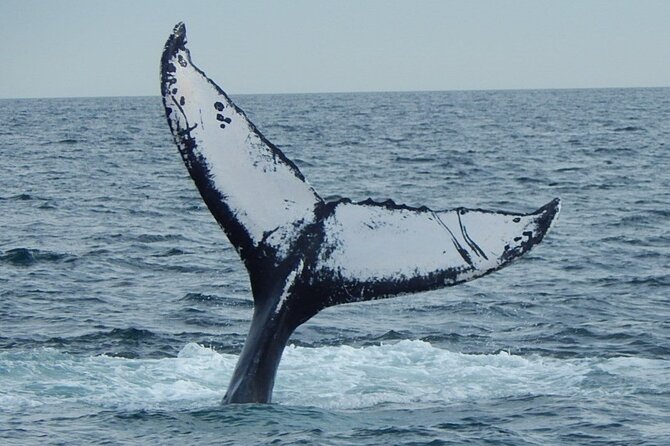
This tour requires good weather. That’s not just marketing language. It’s the difference between an enjoyable ride and a tiring one.
One review specifically called out late October as choppy at times, with people appearing to get seasick. If you’re prone to motion sickness, treat this as your main “before you book” consideration. Bring motion sickness medication if that’s part of your usual routine, and keep in mind that the ride can include swells even when you’re traveling on a high-speed catamaran.
Even if you’re not usually affected, pack for wind and spray. Heated cabin helps, but you still want clothing that makes you comfortable at the rail. A waterproof layer and grippy shoes can help you move around safely when the boat shifts.
Value, Group Size, and What You Get for $48
At $48 per person, this tour sits in the range where you want to feel you’re buying real experience time, not just paying for a seat. The reason it feels like strong value is that the vessel is optimized to reach the whale grounds quickly and return sooner, which should maximize actual viewing.
The tour also includes a naturalist onboard and a professional guide, plus a full galley. Even though food and drinks are for purchase, the availability of hot options matters. You’re not stuck with only cold snacks, and you can plan your comfort based on what’s available onboard.
Group size matters too. The maximum is 240 travelers. That’s not tiny, but it also means the boat is large enough to keep you from feeling squeezed. Reviews frequently praise the crew, and several accounts mention the boat being clean and well run, with parking onsite making the whole morning easy.
If you like your trips organized and you want to avoid chaos, this is a solid pick. If you want a quiet, small-boat feel, you may need to compare with smaller operators.
Should You Book This Gloucester Whale Watching Tour?
Book it if you want the best shot at seeing whales without losing half your day to slow transit. This setup is built for time on the water, plus onboard naturalist interpretation that helps you actually understand what you’re seeing. The Hurricane II’s heated cabin and large observation space are strong practical advantages, especially in cooler months.
Skip it, or think twice, if you know you’re very sensitive to ocean motion. Choppy seas can happen, and at least one recent outing showed that motion can hit some passengers even if others feel fine. Also remember that wild animals are wild, so outcomes vary.
If your top goal is a well-run, education-friendly Gloucester whale watch with a fast route to Stellwagen Bank, this one is an easy yes.
Reviewed most recently around Gloucester
- Whale Watching Trips to Stellwagen Bank Marine Sanctuary. Guaranteed sightings!★ 5.0 · 2,135 reviews
Whale Watching, compared.
Juneau Wildlife Whale Watching & Mendenhall Glacier
Read our review →
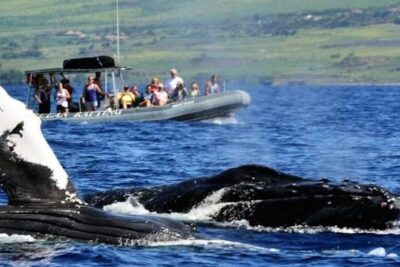
Maui Eco-Raft Tour: Eye-Level Whale or Dolphin Watching – Lahaina
Read our review →
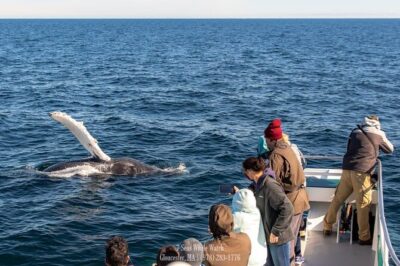
Whale Watching Trips to Stellwagen Bank Marine Sanctuary. Guaranteed sightings!
Read our review →
2-Hour Oahu Whale Watch from Ala Wai Harbor, Waikiki
Read our review →Browse the lists this tour appears in