
Reviewed · NATIONAL PARKS
Bryce: Guided Sightseeing Tour of Bryce Canyon National Park
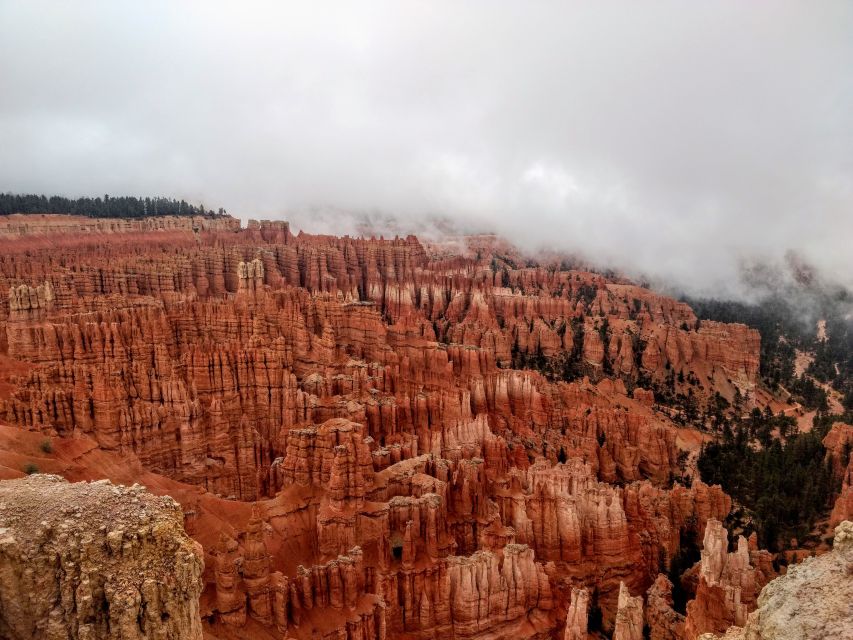
Bryce Canyon turns geology into something you can almost recognize like characters in a story, and this 3-hour hoodoo sightseeing tour helps you spot the named shapes you would miss on your own. I love the way guides call out formations like Thor’s Hammer and connect them to how erosion actually builds these weird rock sculptures over time.
I also like the pacing. You ride between viewpoints in a minivan, then get a few short walks that put you on the stone amphitheater edges without committing to a full hike day. Water, fruit bars, granola bars, and umbrellas if the weather turns mean you can stay focused on the canyon.
One consideration: Bryce sits high on the Utah plateaus, so altitude can hit, especially if you feel it during those short uphill stretches. Add weather changes, and you will want to dress for cool air and shifting skies, not just bright sun.
Key points I’d mark on your Bryce Canyon map
- Fairyland Canyon start with easy walking and a chance to see a Bristlecone Pine
- Natural Bridge plus a wide high-plateau view toward the north rim of the Grand Canyon
- Cathedral and conglomerate areas where the park’s rock layers start making sense fast
- Inspiration Point hoodoo hunting with a short hike to hunt for the formations
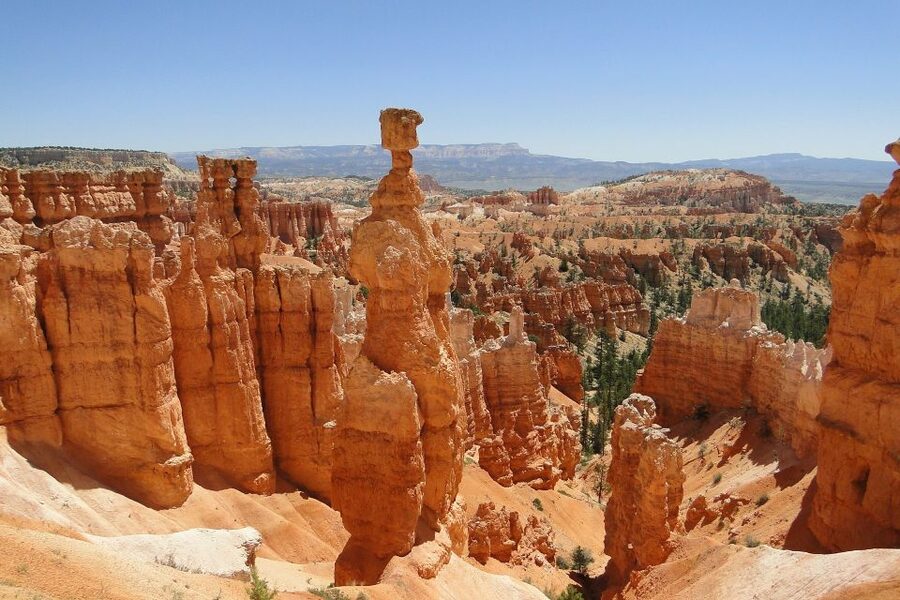
- Wall Street and the Silent City vibe, including Thor’s Hammer, the Great Serpent, and Queen Victoria
- A local guide changes the game, since they point out the named details and adjust stops when weather shifts
Bryce Canyon Hoodoos, Named for a Reason
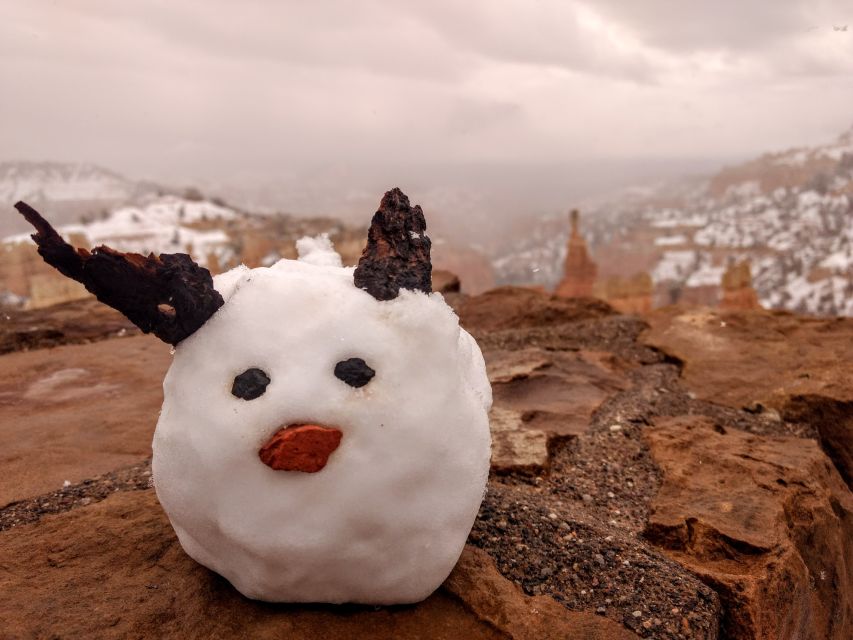
Bryce Canyon’s hoodoos look like they’ve been arranged for your entertainment. But what makes the park magical is that they are not decorations. They are real rock columns shaped by time, weathering, and erosion, all revealed in an amphitheater of cliffs and viewpoints.
The best part of a guided tour is not just seeing hoodoos. It is learning how to read them. When you stop at a viewpoint and you know which formations are named (and what they resemble), your eyes start working like a scanner. Instead of staring at “cool rocks,” you start identifying the park’s little story points.
This is where guides shine. People go to Bryce expecting big views, and they get them. But the guides also help you slow down enough to notice patterns, named shapes, and the plant life living in thin pockets of soil. Guides such as Seth, Drew, Patrick, Tim, and Oscar come up in different tours, and the common thread is how they turn “I see hoodoos” into “I know what I’m looking at.”
Stack these Bryce Canyon City options against each other
- Miami: Everglades National Park Airboat Tour & Wildlife Show
★ 4.5 · 7,296 reviews
The 3-Hour Route: Minivan Sightseeing Plus Under-Half-Mile Walking
This tour is built to be efficient. You spend most of your time riding between stops, then you add short legs on foot. Total walking is under half a mile, split into a few short hikes. That matters in Bryce Canyon because you can see a lot without needing to plan your whole day around footwear, parking, or long trails.
The structure also helps if you want a first pass through the park. If Bryce is your one big stop and you are thinking about doing other things later, this kind of route gives you a strong overview while still letting you get that up-close feeling on foot.
You’ll also appreciate the practical touches. The tour includes water and snacks (fruit bars and granola bars), and they bring umbrellas if needed. Even when you are only walking briefly, having a snack and a drink ready helps you keep your energy up for the next viewpoint.
Fairyland Canyon Start: Stone Amphitheaters and Bristlecone Pine
Your tour begins in Fairyland Canyon with a short walk. This is an underrated way to open the day because Fairyland’s setting feels more grounded, less crowded with the most common stops. You get to ease into the park, step into the canyon’s scale, and start noticing how the hoodoos show up like a formation “alphabet.”
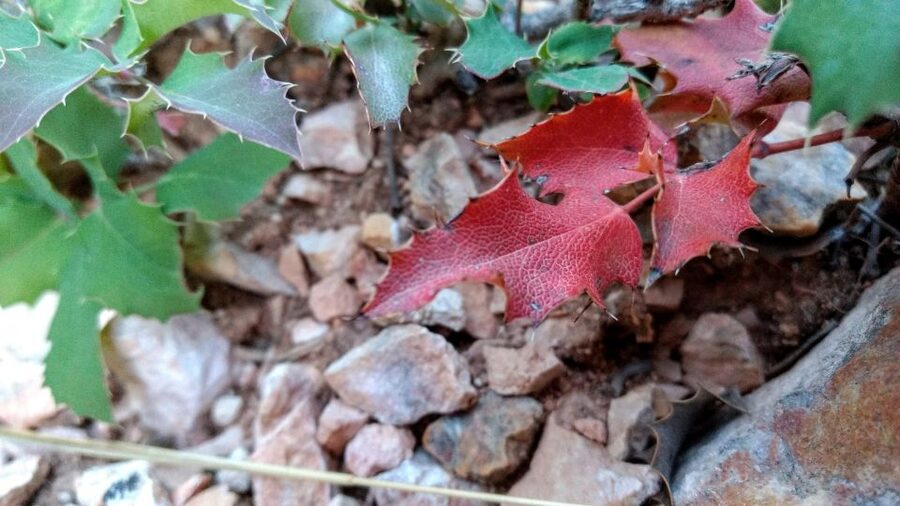
From there, you should keep an eye out for the Bristlecone Pine, highlighted as one of the oldest living organisms in the world. Even if you are not a plant person, it is the kind of detail that makes the canyon feel alive beyond the rocks. A guide can point out local flora and fauna, and in some tours you’ll even hear medicinal uses of certain plants, which gives the stop extra meaning.
What I like about starting here is that it sets the pattern for the whole tour. You learn how to look: first at broad shapes, then at resemblance and naming, then at how erosion and rock layers relate to what you see from the edge.
Natural Bridge and the High-Plateau View Toward the North Rim
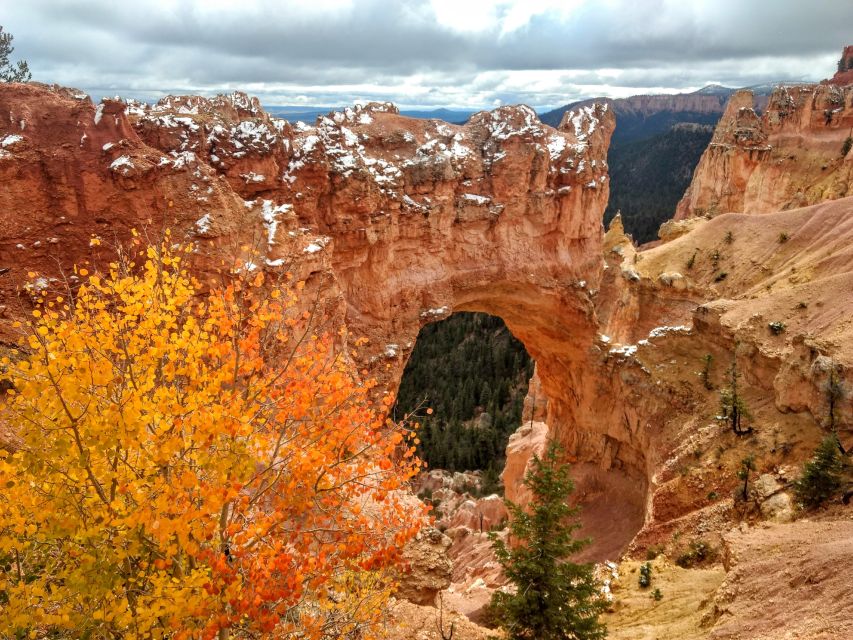
Next you head toward the central part of Bryce Canyon, where the Natural Bridge stop brings a different kind of “wait, what is that?” moment. Hoodoos are the headline, but Natural Bridge offers a reminder that Bryce is not just one formation type. It’s a whole system of shapes created from the same geology, expressed in different ways.
After Natural Bridge, you get a high-plateau view that reaches toward the north rim of the Grand Canyon. This is a key moment for your sense of place. Bryce is a high-elevation pocket, and views like this help you understand how far the region spreads. If you love landscapes in the literal sense, this view is a payoff.
If weather is not cooperating, you might find visibility changes. The good news is that the guide’s job is to find the best sight lines for the moment you’re in. You are not stuck staring at one view forever if clouds roll in.
Cathedral and Conglomerate: Where Rock Layers Start to Make Sense
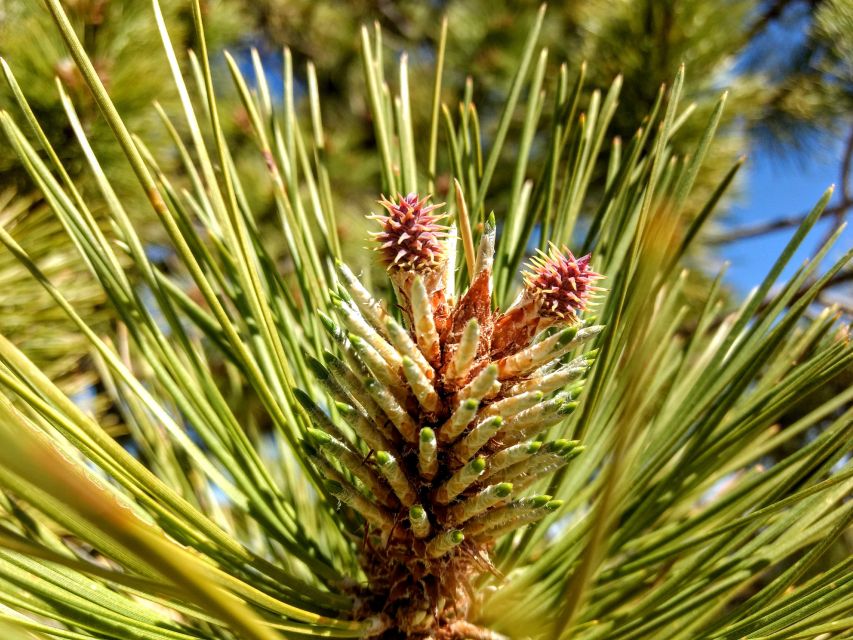
Then you move through areas that highlight named sections such as the Cathedral and conglomerate views. These stops can feel abstract if you arrive with only a camera mindset. The guide helps translate it.
Here is what you are really gaining: context. When someone explains how layers, materials, and erosion patterns lead to certain shapes, you start understanding why Bryce looks the way it does, not just that it looks impressive. The named areas also give your brain anchors. You can return to them later when you compare photos, because each stop corresponds to a specific type of view.
You’ll also likely hear more about local history and the people tied to the area. Some guides incorporate stories about early settlers and famous past residents, including Butch Cassidy, which adds a human timeline alongside the rock timeline.
Inspiration Point Hoodoo Hunting With Short Trail Time
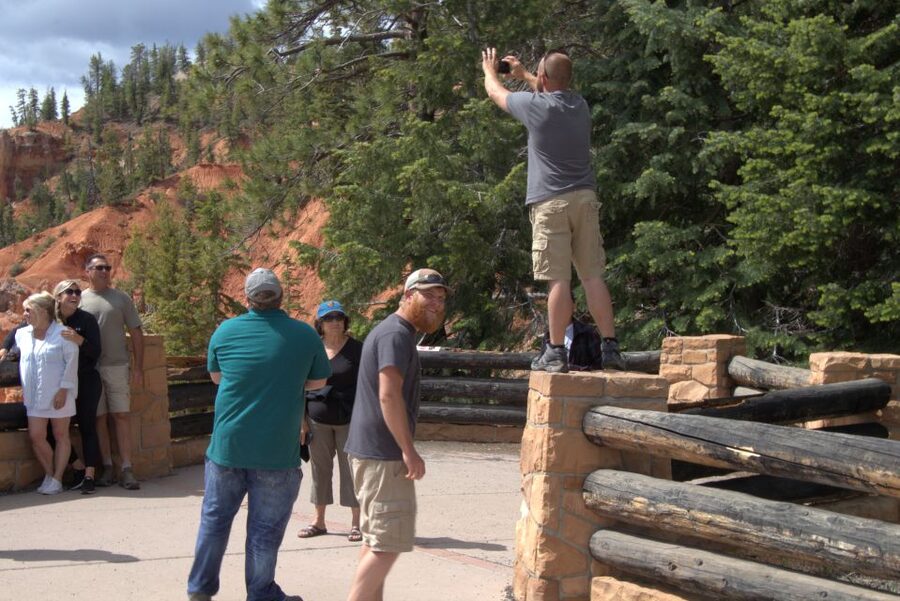
Inspiration Point is where the tour leans into hoodoo hunting. You stop, look, and then you try to match what you see to named formations. That game sounds simple, but it works because Bryce hoodoos are easy to overlook when you do not have a framework.
This part also includes another short hike. Even though it is brief, it gives you a chance to change your viewpoint enough to spot details you would miss from the original overlook. If you have ever looked at a canyon from one side and felt like the best features are always just out of frame, these short legs are how you fix that.
What to expect here: wind, sun, and fast changes. Guides often manage the group so people can get the view and still keep moving. If the weather threatens, they adjust stops and timelines. The tour is designed around short, manageable walks rather than long trail commitments, so you can still get value even when the sky is moody.
Wall Street and the Silent City: Thor’s Hammer, Great Serpent, Queen Victoria
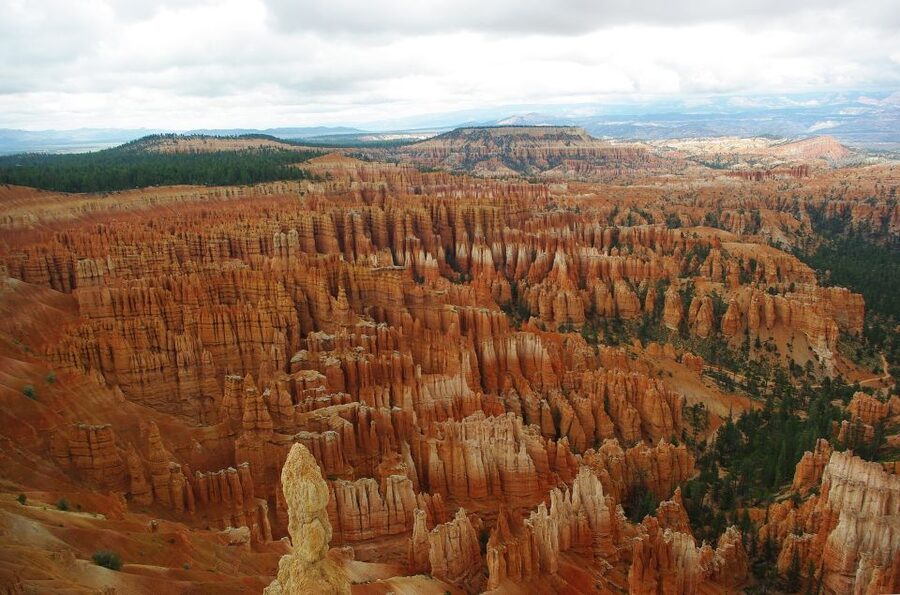
Toward the end, the tour continues to Wall Street, a segment famous for the “Silent City” feeling. The hoodoos here appear more tightly stacked, so the canyon edges can feel like a corridor of rock figures.
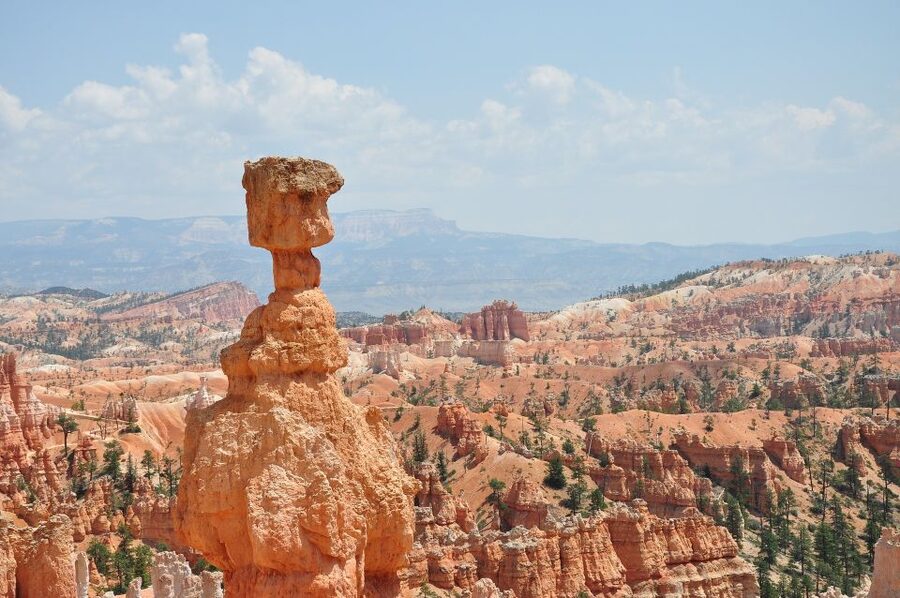
This is also where some of Bryce’s most iconic names show up: Thor’s Hammer, the Great Serpent, and Queen Victoria. Even if you already recognize the name Thor’s Hammer, the tour payoff is seeing how the guide helps you find the resemblance and then explains the formation story behind it.
If you want a memorable finish, this is it. You’re not just ticking off viewpoints. You’re getting an explanation for why the formations look the way they do, plus a chance to see them from slightly different angles as you move along the segment.
The tour also includes the kind of guided storytelling that makes it feel less like transportation and more like a guided conversation with the park. In some tours, guides point out that the hoodoos have names based on resemblance to figures people recognize, like alligators or even pop-culture-style shapes. That does not replace science, it makes the science easier to see.
What You Get for $79, and What You Need to Pay Separately
At $79 per person for 3 hours, this tour aims for high value through structure. You’re paying for:
- Minivan transportation between multiple key viewpoints
- Water and snacks, including fruit bars and granola bars
- Umbrellas if needed
- A live English-speaking guide and the added interpretation that turns stops into learning
The big “watch your budget” item is that the Bryce Canyon National Park entrance fee is not included. That is normal for many tours, but it matters because it is the one line item you might otherwise forget until the last second.
I think the price makes sense if Bryce is on your list of must-see parks and you only have a limited window. Without a guide, you can still drive and view, but you will work harder to spot the named formations and connect them to geology. With the guide, the same viewpoints become more rewarding because you know what you are hunting for.
Practical Reality Check: Altitude, Weather, and Who Should Skip
Bryce sits high on the Southern Utah plateaus, and the tour notes that altitude sickness is possible. That is not meant to scare you. It’s a reason to plan sensibly: take it slow during the first part of the tour, drink the provided water, and keep your breathing comfortable on any short uphill stretches.
The tour is also subject to weather, and it will not depart during a lightning storm. So you should expect that your day might shift slightly, especially in shoulder seasons. A guide’s ability to tweak stops when conditions change is a big reason people like this style of tour, and it’s practical, not fancy.
Finally, this tour is listed as not suitable for wheelchair users and for people with respiratory issues. Because the walking is short but not fully flat, and because the park environment can be demanding, it may not fit everyone’s needs.
If you are unsure, think honestly about your comfort level on short uphill segments and your ability to handle cool air and wind exposure at viewpoints.
Meeting Point Tips That Save Time and Stress
The tour does not start inside the park. The meeting point is on the same property as Bryce Wildlife Adventure. You’ll find the provider office in the first building on the right as you enter the parking lot.
Two practical cautions are worth following closely:
- Don’t use Waze to find the location.
- Don’t follow a dirt road north where there are no buildings.
Those details matter because they prevent wasted time on the drive, especially if you are arriving during a tight schedule. You want to start with your boots on and your mind ready, not stuck trying to figure out where to park and walk.
Who This Tour Is For (and Who It Helps Most)
I think this tour fits best when you:
- Want a strong overview of Bryce Canyon in a half-day style window (3 hours)
- Love hoodoos but do not want to spend your time guessing what you are looking at
- Prefer short walks over long hikes, with minivan transport doing the heavy lifting
- Want local storytelling, including geology plus local history
It also makes sense if you have already driven Bryce before but feel like you only scratched the surface. With a guide, you get a second layer: the named formations, the formation logic, and the plant details.
If you need full wheelchair access or have significant respiratory limitations, you will likely be happier choosing a different kind of experience. Short distances still count, and this tour’s format is not built around wheelchairs.
Should You Book Bryce Canyon Scenic Tours?
If your main goal is to see the best of Bryce Canyon while learning why it looks the way it does, I’d book this. The best value is the combination of named hoodoo stops, short walks that still get you close, and a local guide who helps you read the canyon instead of just watching it.
Skip it if altitude or mobility limits could make the short uphill moments tough for you, or if you need wheelchair access. Also budget for the park entrance fee separately, so you’re not surprised on arrival.
For most people, though, this is a smart way to make Bryce Canyon feel personal and understandable fast. You will leave with viewpoints you can name, formations you can find again in your photos, and a clearer sense of how erosion turned stone into figures.
Reviewed most recently around Bryce Canyon City
- Bryce Canyon City Guided ATV/RZR Tour★ 4.7 · 367 reviews
National Parks, compared.

Everglades National Park Airboat Tour & Wildlife Show
Read our review →
Clear Kayak Tour of Shell Key Preserve and Tampa Bay Area
Read our review →

Wilderness, Wildlife, Glacier Experience from Anchorage
Read our review →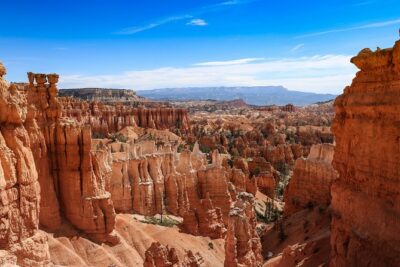
Bryce Canyon & Zion National Park from Las Vegas with Lunch, WiFi
Read our review →
Hilo Shore Excursion: Volcanoes National Park & Black Sand Beach
Read our review →
2-Hour Gettysburg Battlefield Guided History Bus Tour with a National Park Guide
Read our review →Browse the lists this tour appears in