
Reviewed · MUSEUMS
NYC: Guggenheim Museum Entry Ticket
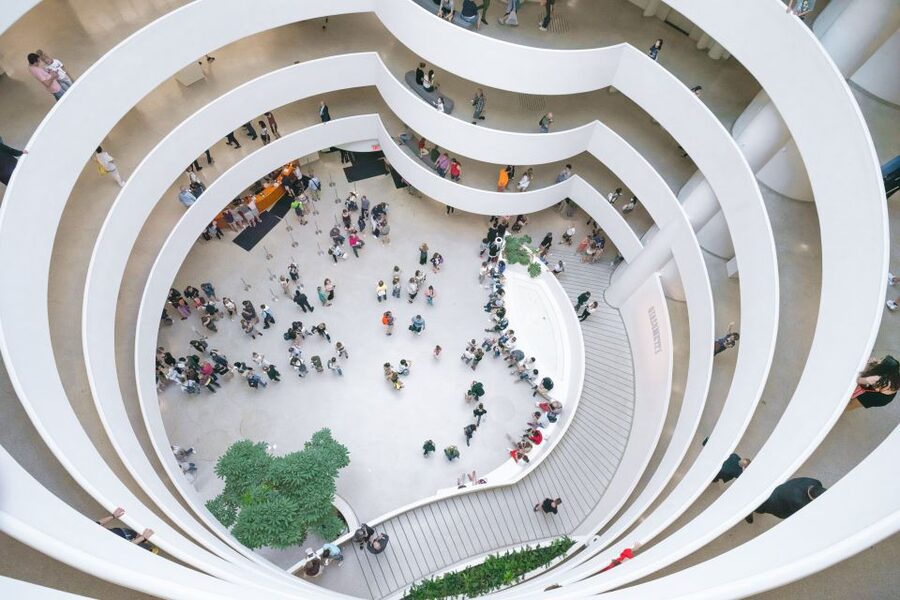
This experience is interesting because the art is only half the story. The other half is the building itself: Frank Lloyd Wright’s Guggenheim spiral layout turns a museum visit into a guided walk, not a checklist. I especially love how the museum pairs that architecture with world-class modern and contemporary art, plus special exhibits running alongside the permanent collections. One thing to consider, though: the museum’s focus is very modern, so you might not love every style.
You’ll also get a practical way to understand what you’re seeing. Connect to the museum’s Wi-Fi, download the multilingual digital audio guide, and use it at your pace across exhibitions that can easily take 1 to 2 hours for most visits. If crowds build up, it can get harder to stop and stare, so plan a calmer rhythm when you can.
Key highlights you should know before you go
- UNESCO World Heritage status: The Guggenheim is one of New York’s UNESCO sites, alongside the Statue of Liberty
- Skip the ticket line: More time for galleries, less time in queues
- Downloadable audio guide in 11 languages: Available on the museum Wi-Fi, with audio and texts
- All exhibitions included: Access to special exhibits plus ongoing collection highlights
- Architecture as the route: The “swirling sloping path” feeling helps you move through works without feeling rushed
Frank Lloyd Wright’s Guggenheim spiral, and why it changes the visit
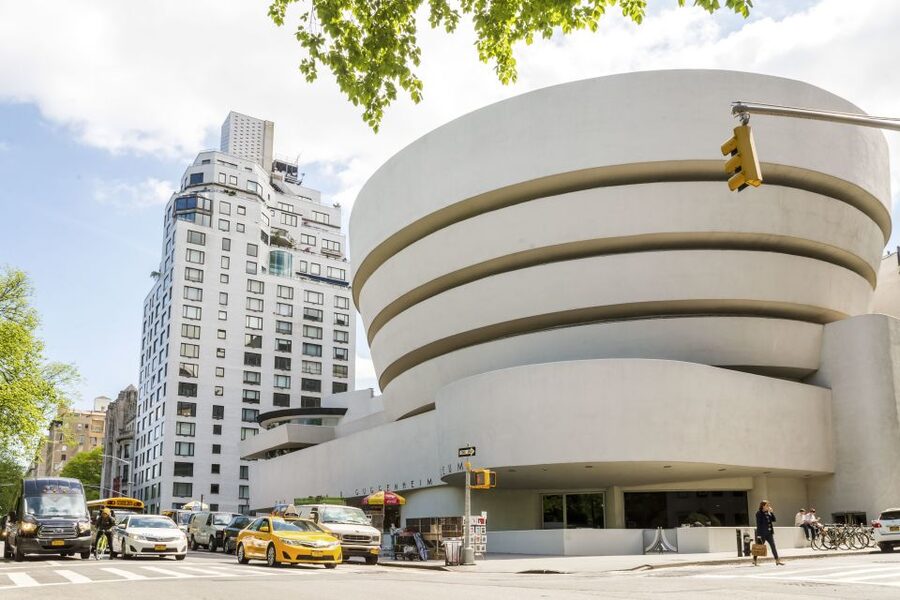
Let’s start with the building, because at the Guggenheim it’s not just a backdrop. The Solomon R. Guggenheim Museum is known for Frank Lloyd Wright’s design, and you experience it as you walk the ramp and spiral galleries. Even people who don’t usually care about architecture tend to slow down here, because the building guides your attention in a very physical way.
This also affects pacing. At many museums, you bounce room to room. Here, you move along a continuous path, with galleries opening off the main spiral. That tends to make the visit feel smoother, and it can be easier to get oriented quickly.
The building also has a quiet, almost soothing side. In reviews, visitors describe the space as calm and welcoming, and that matters if you’re trying to take in modern art without feeling trapped in chaos. If you like to sit and look, you’ll appreciate the benches and the fact that the galleries are set up so you can pause without needing to “power through” every artwork.
More Museums in New York City
- NYC: 9/11 Memorial & Museum Timed-Entry Ticket
★ 4.8 · 31,428 reviews - NYC: Empire State Building Tickets – Observatory & Museum
★ 4.7 · 25,757 reviews - New York City: American Museum of Natural History Ticket
★ 4.5 · 15,447 reviews
Price and value: what your $30 entry ticket really buys

The ticket is listed at $30 per person, and sales tax is included. On paper, that looks like a standard museum price, but the value comes from what’s included with your visit.
You get:
- Access to all exhibitions available for your visit day
- The digital audio guide that includes audio and text for exhibitions and the permanent collection
- Museum Wi-Fi support so you can download the guide once you arrive
- The ability to skip the ticket line
One subtle but important detail: the ticket is valid for one day and gives you unlimited time to explore. Most visits average 1 to 2 hours, but unlimited time means you’re not forced into a sprint if you’re the type who reads wall labels carefully, or if you want to circle back for one artist you can’t stop thinking about.
So yes, it’s paid entry, but you’re not paying just to get inside a building. You’re paying for a complete museum experience, with tools to understand it and access to the rotating exhibit lineup.
Getting in at the 88th to 89th Street entrance and setting your rhythm
Your meeting point is simple: the main entrance is between 88th and 89th Street. Show your ticket at the entry point, and the benefit here is that it’s designed to help you skip the ticket line.
When you arrive, give yourself a few minutes to do two things before you start moving deep into galleries:
- Connect to the museum Wi-Fi
- Download the audio guide to your phone while you can
That small step pays off later, because the audio guide is tied to exhibitions and the permanent collection. If you wait until you’re already halfway up the spiral, you’ll lose time hunting for signal or re-downloading content.
Then set your rhythm. Many people find the Guggenheim easy to sweep through, but you’ll get more out of it if you decide what your “must see” is before you start. For some, it’s the headline artists. For others, it’s the feeling of the space and how the works are positioned along the route.
The downloadable audio guide plan, with 11 languages and your headphones
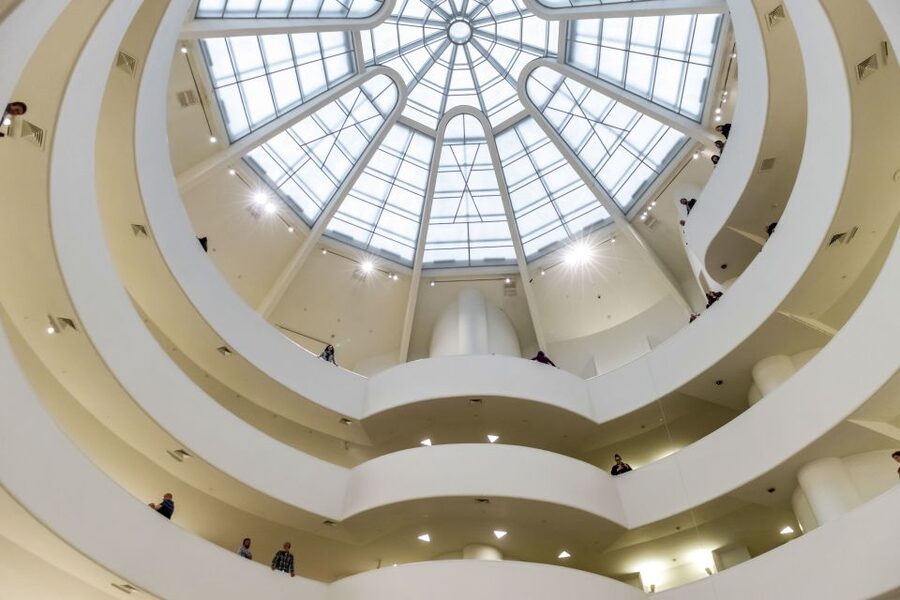
This is one of the strongest reasons to buy this ticket. The museum provides a downloadable audio guide that includes audio and text, and it covers each exhibition plus information about the permanent collection and the Frank Lloyd Wright building.
Two practical tips that come straight from what you’re told to bring:
- Bring headphones
- Bring a charged smartphone
Why that matters: the guide is available through the museum Wi-Fi, so you’ll want your phone ready to download and play. It also helps you avoid missing context. Modern and contemporary art can feel abstract until you hear how the museum frames the choices behind materials, composition, and meaning.
Language support is also a real value. The audio guide is available in 11 languages, including Spanish, Mandarin, Italian, and Arabic. Even if you’re fluent in English, having another language option can help if you’re traveling with someone who would rather listen than scan.
One caution from reviews: some visitors felt the audio guide could be harder to navigate than guides in other major museums. The fix is easy: keep your audio at a comfortable volume, and don’t hesitate to stop and read the exhibit title while the audio plays. If navigation feels awkward, treat it as a “story companion,” not an autopilot.
Another New York City day, played differently:
- NYC: SUMMIT One Vanderbilt Experience Ticket
★ 4.7 · 37,985 reviews - NYC: Empire State Building Observation Deck Tickets
★ 4.7 · 22,072 reviews - NYC: Edge Observation Deck Admission Ticket
★ 4.6 · 20,918 reviews - New York City: Statue of Liberty & Ellis Island with Ferry
★ 4.6 · 18,683 reviews
What to see now: 2025 special exhibitions and ongoing highlights
Your ticket includes access to all exhibitions. Based on the 2025 lineup, here’s what you can expect to find on the museum calendar.
Rashid Johnson: A Poem for Deep Thinkers (April 18, 2025 to January 18, 2026)
This is one of the named special exhibitions running through much of 2025. If you like artists who use multiple mediums and layered ideas, this one is worth prioritizing early, while you still have fresh attention.
Beatriz Milhazes: Rigor and Beauty (through September 7, 2025)
Milhazes is often a crowd-pleaser for a reason: the work tends to reward close looking. If you enjoy color and careful design, you’ll likely feel “pulled in” by how the works are built.
Faith Ringgold (through September 14, 2025)
Ringgold’s presence is a strong modern art anchor for the year. If you want a more narrative or identity-focused experience, plan time to slow down here.
Modern European Currents (through March 22, 2026)
This exhibition gives you a broad European modern thread. It can be a good choice if you want a more connected understanding of how styles changed over time.
Thannhauser Collection (ongoing)
The Thannhauser Collection is ongoing, and people often mention it as a place to see major names. In reviews, visitors specifically called out classics like Picasso, Manet, and Degas within this collection. You might also see large works by major artists, including mentions of Picasso in some form across special displays.
The best strategy is to treat the permanent collection and ongoing collection highlights as your baseline, then use the rotating exhibitions as your “deep interest” layer for the day.
Permanent collection style: modern, plus a few surprises in tone
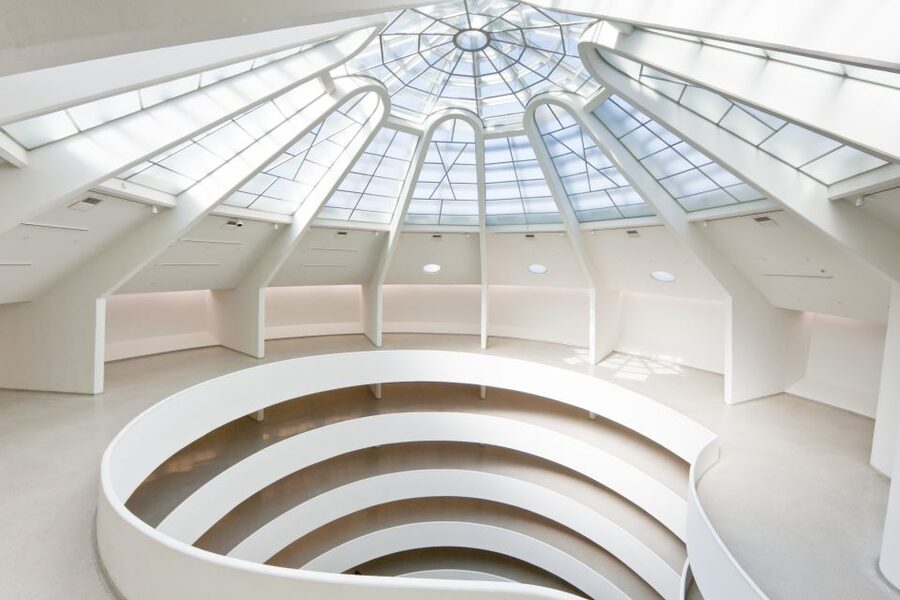
The Guggenheim is devoted to modern art, including 20th century and beyond. That’s exciting if you like experimentation. It can also mean some rooms feel heavier than you expect.
In one review, a visitor mentioned being disappointed by political subject matter and found certain Vietnam War exhibits very disturbing. I’m not saying you’ll experience the same tone, but it’s a useful heads-up: modern art includes hard topics, and the museum doesn’t avoid them. If you prefer a lighter museum day, you may want to pace yourself and plan a break between exhibits.
On the other hand, reviews also point out that the Guggenheim can be a calmer alternative to other New York giants. People describe a calmer atmosphere and a setup that makes it easier to admire works without a wall of phone cameras blocking your view. One visitor even noted that the more classic paintings can be enjoyed without big crowds gathering in front to take photos.
How the galleries feel in motion: benches, plants, and where to pause
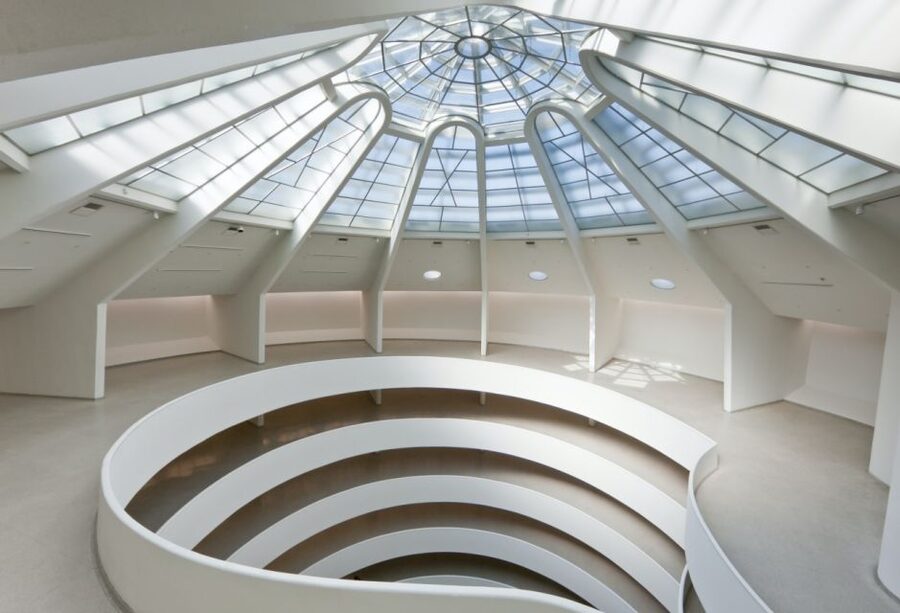
One of the most consistently praised aspects is the building’s layout. People use phrases like “swirling” and describe the slope and flow of the route as almost enchanting. That’s not marketing fluff. It’s a practical difference in how the space moves you through the show.
You’ll likely notice three things as you walk:
- The spiral helps you keep moving without losing the thread
- Off-ramps give you side rooms that feel like chapters
- Seating helps you break the momentum when you want it
Reviews also mention plants in the spiral area, which adds an extra layer to the experience because it softens the architecture visually. If you like when a museum feels cared for, that small touch lands well.
Crowds can still happen. Some visitors reported being crowded, making viewing harder. If you want the best experience, don’t fight the crowd. Use short, intentional pauses. If one artwork is blocked, move on for a minute, then return.
The “how long should I plan” answer: 35 minutes to 2 hours

The visit duration is listed as around 1 to 2 hours on average. That range is realistic because people visit with different goals.
- If you want the architecture and the major highlights, 35 minutes to 1 hour can be enough to feel the core experience.
- If you actually listen to the audio guide and stop at multiple exhibitions, 1.5 to 2 hours feels right.
A practical trick: decide whether you’re doing the audio guide for the entire day or just for one exhibition and then browsing the rest. If you try to cover everything with narration at every stop, your visit can run long and feel frantic.
Also, don’t assume the bottom floors are less important. Reviews mention preferring lower floors in at least one case, so if you want a change of pace, make sure you give your eyes a chance to work down low, not only in the most obvious sections.
Is this Guggenheim ticket worth it for your style of travel?
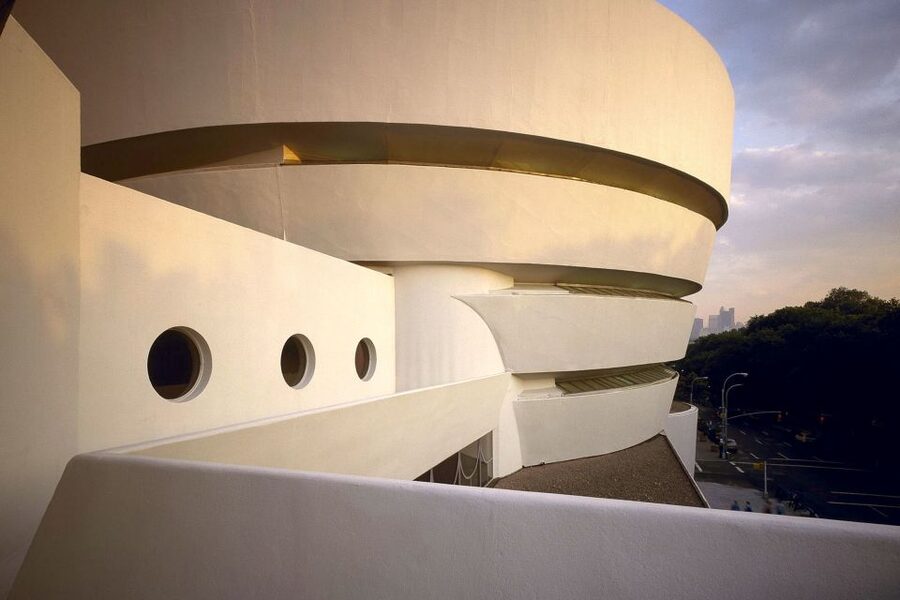
This museum is a good fit if you like:
- Modern and contemporary art, especially when it’s framed with context
- Architecture that you experience as a route, not just a photo spot
- A museum day you can shape yourself, because you get unlimited time
It’s less ideal if:
- You only love traditional “masterpiece” museums and hate experimental styles
- You want every stop to feel upbeat and light
- You’re likely to get frustrated by navigation that isn’t perfectly guided room by room
That “art preference” factor matters. Even among high ratings, one visitor said the art wasn’t for them personally. So think about what you’re actually in the mood for, modern art included.
Best for couples, families, and rainy-day plans

You’ll see this museum recommended as a rainy-day activity because it’s an indoors, low-stress kind of outing. Reviews call it a perfect option for bad weather, and the calming layout supports that.
For families: children 11 and under benefit from free museum entry. The audio guide and the visual flow through the spiral can also work well for teens and older kids who like to explore at their own pace, not just listen to a lecture.
If you’re traveling with someone who’s less into art, this is one of those rare museums where they still have something to enjoy. The architecture gives a built-in hook.
Food and breaks: where reviews suggest you can reset
One review mentioned a nice restaurant and another specifically praised a cafe and cappuccino. The takeaway for you is simple: plan on a break. Even if you only grab a drink, a short pause can make it easier to re-enter the next set of galleries with fresh attention.
Should you book this Guggenheim Museum entry ticket?
Book it if you want a smooth, self-paced museum day with smart support. The biggest reasons are the included downloadable multilingual audio guide, the ability to skip the ticket line, and the fact that your ticket covers all exhibitions. It’s also great value if you like art plus architecture in the same package, because the building is part of the show.
Skip or reconsider if modern and contemporary art tends to leave you cold, or if you know you get stressed by crowds and want a very guided, room-by-room route. In that case, you might prefer a museum with tighter pacing and clearer “next stop” structure.
If you do book, bring headphones, charge your phone, and start your visit by downloading the guide right away. Then let the spiral do what it does best, move you through the art without making you feel rushed.
FAQ
How much is the Guggenheim Museum entry ticket?
The price is listed as $30 per person, and sales tax is included.
How long is the visit usually?
The visit duration is around 1 to 2 hours on average.
Does the ticket include the audio guide?
Yes. A downloadable audio guide is included with the ticket.
What languages are available for the audio guide?
The audio guide is available in 11 languages, including Spanish, Mandarin, Italian, and Arabic.
Do I need to bring anything with me?
You should bring headphones and a charged smartphone.
Where do I go to enter the museum?
The main entrance is located between 88th and 89th Street. Show your ticket at the museum’s entry point.
Can I skip the ticket line?
Yes, the ticket includes skipping the ticket line.
Is there Wi-Fi for downloading the guide?
Yes. You can connect to the museum’s Wi-Fi and download the digital guide.
Are children eligible for free entry?
Yes. Children 11 years of age and under benefit from free museum entry.
Is free cancellation available?
Yes. Free cancellation is available up to 24 hours in advance for a full refund.
Is the ticket valid for only one time?
The ticket is valid for 1 day, with unlimited time to discover the museum’s offerings.
Reviewed most recently around New York City
- NYC: The Secrets of Grand Central Terminal★ 4.8 · 718 reviews
- NYC: Moulin Rouge! The Musical Broadway Tickets★ 4.8 · 720 reviews
- Philadelphia and Amish Country, 1-Day Tour from NYC★ 4.0 · 734 reviews
- The Museum of Modern Art Admission Ticket★ 4.5 · 735 reviews
- Top Rated Brooklyn Half-Day Food, History & Culture Tour via bus★ 5.0 · 758 reviews
- NYC: Woodbury Common Premium Outlets Shopping Trip★ 4.2 · 761 reviews
- Madame Tussauds New York City Admission Ticket★ 4.5 · 766 reviews
- New York City: Private Walking Tour with a Local★ 4.6 · 771 reviews
Museums, compared.

Empire State Building Tickets – Observatory & Museum
Read our review →


9/11 Memorial, Ground Zero Tour with Optional 9/11 Museum Ticket
Read our review →

All-Access 9/11: Ground Zero Tour, Memorial and Museum, One World Observatory
Read our review →

Browse the lists this tour appears in