
Reviewed · HORSES
2-hour Outer Banks Wild Horse Tour by 4WD Truck
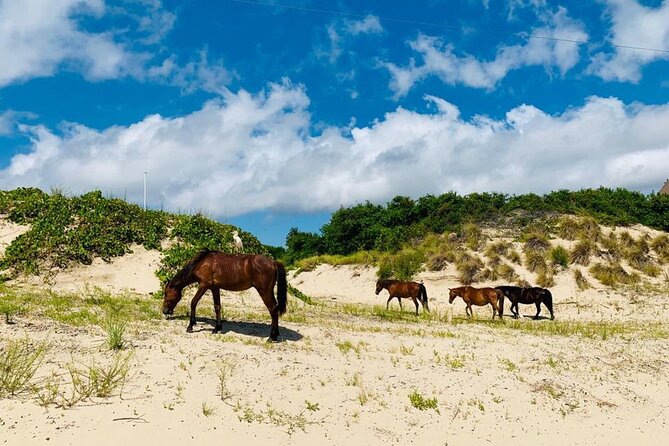
Corolla wild horses, rolling sand dunes, and a 4WD truck ride right along the beach make this tour interesting fast. You are also getting more than a drive, since the route includes private access to the Wild Horse Conservation Area and a guide who explains what you are seeing.
I especially like the offroading next to the ocean, because it puts you where most people never go. I also like the storytelling side, from how the horses ended up here to what makes their situation so delicate, with guides such as Edna, Paul, and John sharing details like horse family groupings and even genetics in an accessible way.
The one drawback to plan around is comfort. The ride can be bumpy and cold and windy in season, and a few folks noted back and neck soreness on the open-air truck, plus sound is limited for passengers seated farther back.
Key things you will notice on this Corolla 4WD wild horse tour
- Private access to the Wild Horse Conservation Area, so your viewing is not just from public beach access
- Open-air 4WD truck with a close-to-nature view, including ocean-adjacent dunes and sand roads
- Guide-led spotting of horses and named explanations, often including horse history and genetics
- Photo stop time, so you can switch from listening to snapping without rushing
- Small group size (max 12), which helps the guide manage the vehicle and the viewing areas
- Wind and bump factor, especially in fall and winter, so dress for it
Corolla wild horses by 4WD: what you’re really buying
This is a two-hour Corolla experience built around access and interpretation. You are not just hoping to spot horses from a parking lot, you are riding a truck designed for sand so you can reach the right stretches and get a real sense of how the horses live across dunes, ocean shoreline, and nearby residential edges.
The value is in the package: transport in an open-air 4WD truck, a guide who shares local history and ecology, and private access to the Wild Horse Conservation Area. Food and drinks are not included, so you will be making your own small prep choices, like bringing water and planning warm layers.
Also, the operator runs it as a small-group outing, capped at 12. That matters because a smaller group typically means less crowding at photo moments and a guide who can shift the plan when the horses show up where they want.
The ride itself: dunes, ocean sand, and why it feels like an adventure
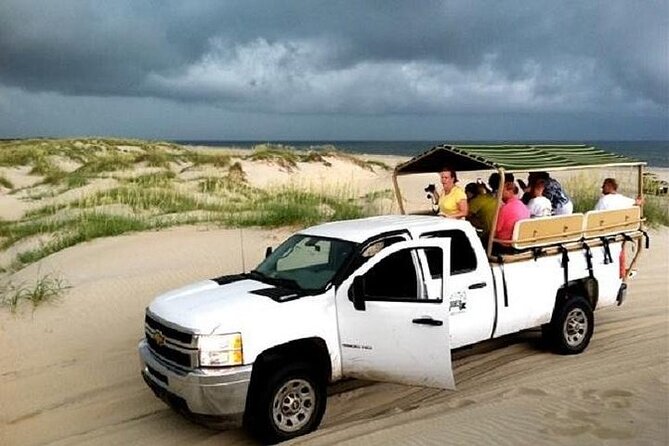
The core experience is the driving. Expect offroading along sand dunes and around Corolla on a 4WD beach access route that includes ocean views. The truck is open-air, and you will feel the wind when you are moving, especially in cooler months.
Two practical takeaways from real-world experience:
First, the ride can be rough. You do not need to be fragile, but if you have back or neck issues, I would treat this like a bumpy, off-road activity, not a casual scenic bus ride. Second, the commentary may not carry equally to everyone, since the driver is sharing information while operating the vehicle, and the back seats can have more trouble hearing.
In cold weather, dress like you are going to be outside the whole time. People often mention the wind as the main villain, and lap blankets are sometimes offered, but that is not a substitute for warm layers and gloves.
What “private access” means in the real world
The Wild Horse Conservation Area stop is the part of the tour that makes it feel special. Instead of only seeing horses in passing or from far away, you get guided time in the zone where horses are managed and studied, and where you can view the animals in a more controlled setting.
This is also where the guide’s knowledge pays off. You are not just looking at horses like a wildlife safari, you are learning why conservation matters here, how the island became home for these horses, and what the modern situation looks like on the ground. Guides have been noted for talking through specifics like how family groups are identified and how genetics connects to the horses’ long-term survival story.
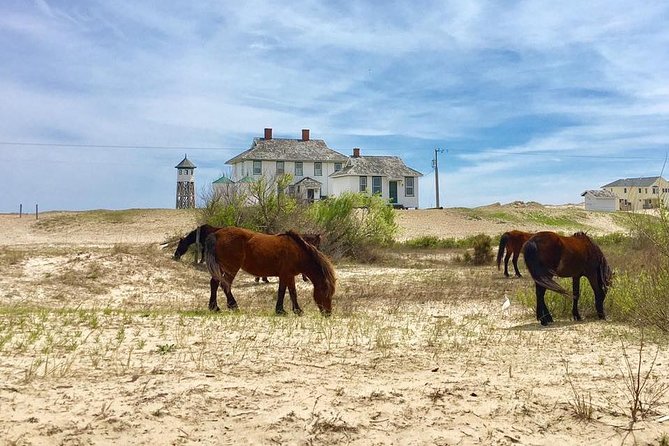
One honest consideration: horse density is not guaranteed every day. Some tours produce lots of sightings, while other days can mean fewer horses or horses closer to the homes and yards where they roam. Still, the route and the conservation-area context usually make the outing feel worthwhile even when sightings are less dramatic.
The guide experience: history, ecology, and names you will remember
The tour is guide-led throughout, and the strongest rides are the ones where the guide turns the dunes and beach drive into a lesson you can actually picture. That means you will hear about the Outer Banks ecology, what makes this barrier island system unique, and why horses ended up in this specific landscape.
I like that the best guides do two things at once: they explain the big story and they point out the details you can see. In some departures, guides such as Edna, Paul, and John are praised for naming horses and discussing family groups, which makes the herd feel less like random wildlife and more like a living population with relationships.
One more small but important point: the guide is also driving. That can limit how long you can pause, and the “listening sweet spot” can be closest to the front. If you care about hearing every word, try to sit where you can see and hear the guide more clearly.
How the stop breaks down: photo moments without the rush
In a typical run, you will make room for photo ops, including horses and other points of interest along the route. You will also stop at the 4×4 beach in Corolla, which is the kind of access point you cannot reach by normal car travel.
Photo timing is part of the value here. If you have ever tried to photograph moving animals while worrying about where the vehicle is, you will appreciate that the guide plans for viewing windows. Bring your phone and camera, and take a moment to figure out your settings before you get to the dunes and salt air.
Restroom access is available at check-in in a practical way, and you will be directed where to go when you arrive. That helps because once you are out on the route, your time is fully committed to driving and spotting.
Comfort tips that can save your day on an open-air truck
This is where you can make or break the experience for yourself. The truck is open-air, it rides sand roads, and the wind can be intense. The most repeated advice is simple: dress for the weather, even if you think you will be fine after looking at the forecast.
Here is what I would pack for a stress-free ride:
- Layers you can peel or add quickly (wind changes fast near the ocean)
- Gloves, especially in fall and winter departures
- A hat or anything that keeps hair and small gear from taking off
- Closed-toe shoes that feel secure on a truck floor during bumps
- Water (you can bring drinks, but no alcoholic beverages or glass containers)
If you are in the shoulder seasons, even one cold gust can make two hours feel longer. One more comfort note from experience: some people said the ride was rough on their back and neck. If that is you, consider whether you want an off-road ride risk, or if you would be happier with a less bumpy viewing option.
Getting to 1148 Ocean Trail and timing like a local
Your meeting point is 1148 Ocean Trail, Corolla, NC 27927, and the tour ends back at the same place. There is no hotel pickup, so you are driving yourself to the start.
Plan for traffic. The operator warns that getting stuck does not automatically create a refund situation, so it is smart to arrive early. A good rule is to get there at least 30 minutes before your departure time.
If you arrive early and want something nearby, the Currituck Lighthouse has been mentioned as a convenient stop before the tour. It is a nice way to burn a little time without scrambling, and it keeps your day feeling like a real outing rather than a single short dash to the sand.
Who this tour is best for, and who should pass
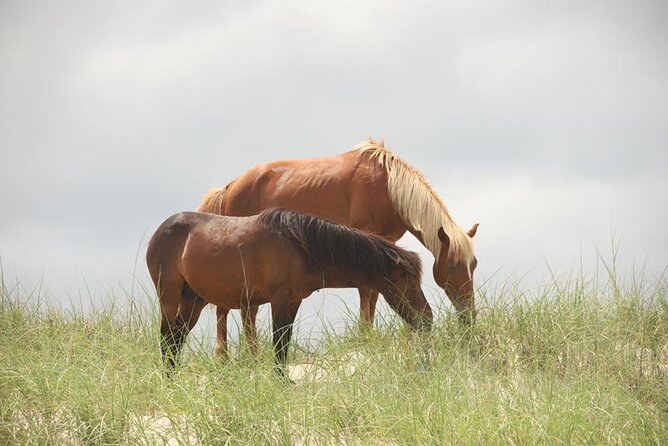
This is a great fit if you want a hands-on Corolla outing. It works well for couples and solo travelers who enjoy off-road experiences and like the idea of mixing wildlife spotting with local explanations.
It is also a strong choice for people who care about conservation context, not just scenery. The horses are fascinating on their own, but the tour’s explanations help you understand why the conservation area exists and what you are seeing in terms of survival and habitat.
Less ideal if:
- You need a smooth ride. If bumpy travel hits your body hard, you may find the truck uncomfortable.
- You are traveling with young kids. There are strict limits: children must be at least five years old, and no one under 40 pounds can come on the tour.
- You are bringing pets. Dogs are asked not to be brought, and only registered service animals are allowed.
Moderate physical fitness is required. That is about being able to board, sit through a rougher ride, and handle wind and outdoor time. The group is small, which helps, but you are still in an open-air setting for about two hours.
Price and value: where your money goes in this two-hour outing
Even without looking at a specific rate, you can judge value based on what is included. You pay for:
- 2 hours (approx.) of guided 4WD driving access
- An open-air 4WD truck ride (not ATVs)
- A professional horse guide and on-the-ground instruction
- Private access to the Wild Horse Conservation Area
What you do not get is just as important: no food and no hotel pickup. That is easy to solve with a small plan. Bring drinks, and eat before you go. If you do not, the two hours can turn into the world’s fastest snack mission while you are trying to enjoy the horses and the dunes.
Where this tour stands out is that you are paying for a controlled, guide-led way to reach the horse zones. If your goal is simply to see wild horses from a distance, you can sometimes spot them around the area. But this tour is designed to improve your odds, add context, and make the experience feel complete.
Best ways to set yourself up for more horses and better photos
You cannot control horse movement, but you can control your readiness. Here are practical moves that help a lot:
- Dress for wind. When you are comfortable, you watch better.
- Have your phone ready before you arrive at horse zones. Salt air and sand can make fumbling annoying.
- Choose a seat where you can hear the guide. If you sit far back, you may miss some commentary.
- Bring warm gloves in colder months. People repeatedly mention how chilly it gets on the truck ride.
Also, go in with flexible expectations. Some departures produce lots of horses, while other days may mean fewer sightings or horses that appear closer to beach homes and yards rather than out in open dunes. Either way, the conservation context helps you interpret what you are seeing.
Should you book the Outer Banks wild horse 4WD tour from Corolla?
Book this tour if you want the classic Outer Banks wild horse experience with real access. I would especially recommend it if you like off-road riding, want a guided conservation angle, and appreciate small-group attention rather than a big bus crowd.
Skip it or rethink it if you are sensitive to bumps or cold wind. The open-air truck is part of the deal, and the rough ride is not a rumor, it is a real consideration. If you do go, dress warm, bring gloves, and keep expectations flexible about how many horses you will see that day.
FAQ
How long is the Outer Banks wild horse tour by 4WD truck?
It runs for about 2 hours.
Where is the meeting point for the tour?
The meeting point address is 1148 Ocean Trail, Corolla, NC 27927, USA.
Is hotel pickup included?
No, hotel pickup and drop-off are not included.
What type of vehicle is used?
You ride in an open-air 4-wheel drive truck, not ATVs.
How big is the group?
The tour has a maximum of 12 travelers.
Are children allowed?
Children must be at least five years old, and no one under 40 pounds can come on the tour. Adult pricing applies to travelers 13 and older, and children must be accompanied by an adult.
Can I bring a dog?
Dogs are asked not to be brought. Registered service animals are allowed.
What should I bring?
Bring drinks, but not alcoholic beverages or glass containers. Dress for the weather since it is open-air.
What happens if weather is poor?
The tour requires good weather. If it is canceled due to poor weather, you will be offered a different date or a full refund.
More Horses in Outer Banks
- Charleston’s Old South Carriage Historic Horse & Carriage Tour
★ 5.0 · 10,023 reviews - Haunted Evening Horse and Carriage Tour of Charleston
★ 4.5 · 3,678 reviews - Charleston Horse-Drawn Carriage Tour: Explore Historic Charleston
★ 5.0 · 3,561 reviews - Official NYC Horse Carriage Rides in Central Park since 1979 ™
★ 5.0 · 2,365 reviews
Horses, compared.
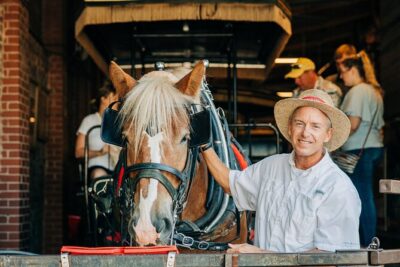
Charleston’s Old South Carriage Historic Horse & Carriage Tour
Read our review →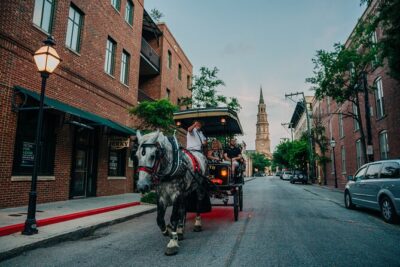
Haunted Evening Horse and Carriage Tour of Charleston
Read our review →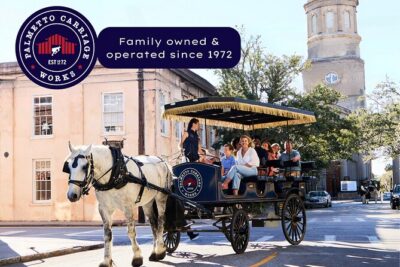
Charleston Horse-Drawn Carriage Tour: Explore Historic Charleston
Read our review →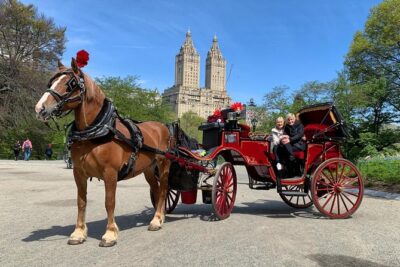
Official NYC Horse Carriage Rides in Central Park since 1979 ™
Read our review →
Half-Day Thoroughbred Horse Farm Tour in Kentucky
Read our review →
Morning Horseback Ride with Breakfast from Las Vegas
Read our review →
Red Rock Canyon Sunset Horseback Ride and Barbeque Dinner
Read our review →
Unique Horse Farm Tours with Insider Access to Private Farms
Read our review →Browse the lists this tour appears in